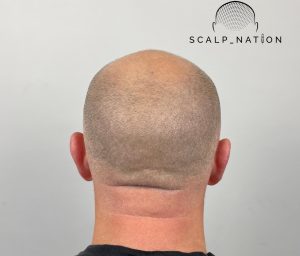
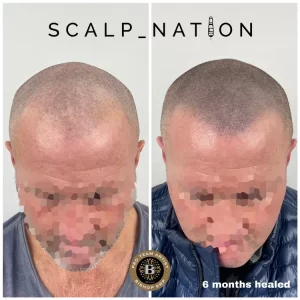
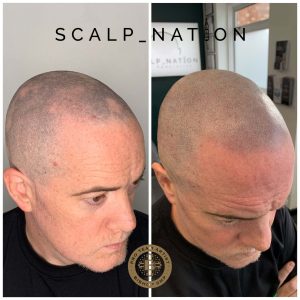
What’s the Difference Between a Defined and Soft Hairline?

Your hairline tells a story before you say a word. Sharp edges versus gradual fade. Geometric precision versus organic randomness. The choice shapes how people perceive your results — and whether they notice them at all.

We get asked this question constantly. Men arrive at our Essex clinic clutching photos of celebrities, pointing to hairlines they admire. “Can you do this?” they ask. Sometimes yes. Often, we recommend something better.

Here’s the truth most SMP clinics won’t tell you: not every hairline suits every face.

The Defined Hairline: When Precision Works

Defined hairlines create clear boundaries. The border between scalp and forehead appears deliberate, almost architectural. Each dot follows measured lines.

This style delivers structure. Younger clients often request it. They’ve seen the sharp fades in barbershops, the precise lineups their barbers create weekly. They want that same crisp finish, made permanent.

Does precision automatically mean fake-looking? No. But it requires exceptional skill.

Characteristics:

  • Clean edges with minimal irregularity
  • Consistent dot density right to the border
  • Geometric approach to placement
  • Bold, masculine aesthetic
  • Works best with short buzz cuts maintained regularly

The challenge? Human hairlines rarely grow with mathematical precision. Natural follicles cluster irregularly. Density varies. Spacing changes unpredictably across the scalp.

Defined styles can work brilliantly — when they match the client’s facial structure, age, and existing hair pattern. Square faces handle sharp edges well. The angularity complements strong jawlines. Round faces benefit from added structure that defined borders provide.

Age matters here. Men under 35 can usually carry off precision without appearing artificial. Their facial features still possess the sharpness that complements geometric hairlines. After 40? Different story. Faces soften with age. Skin texture changes. Overly precise hairlines start looking incongruous against maturing features.

We’ve seen defined hairlines done poorly. The “stamped-on” appearance where every dot aligns perfectly. The ruler-straight borders that scream “artificial.” These results happen when practitioners prioritise speed over artistry, following templates rather than customising for individual scalps.

Soft Hairlines: Our Speciality at Scalp Nation

We don’t specialise in razor-sharp, barber-style hairlines. Never have. Our philosophy centers on bespoke, natural, and undetectable results.

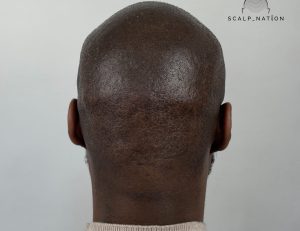
Soft hairlines mimic how hair actually grows. Irregular patterns. Variable density. Strategic imperfection. This approach creates authenticity that withstands scrutiny under any lighting, from any angle.

What makes soft hairlines different:

  • Irregular borders with deliberate variation
  • Gradual density reduction at edges
  • Random dot placement mimicking natural follicle distribution
  • Undetectable finish
  • Versatile across different scalp conditions

The transition zone receives our closest attention. We don’t maintain uniform density right to the edge. Instead, dots gradually decrease in concentration. Spacing increases. Some areas receive clusters, others individual marks spaced further apart.

This randomness isn’t accidental. It’s calculated. Will Quaye, a trusted trichologist in London with over six years treating clients from 19 countries, developed our soft technique based on trichological principles about how hair actually grows.

Natural hairlines never begin abruptly. They fade. Biology creates transition zones where follicles thin gradually before meeting bare forehead skin. Our soft technique replicates this biological reality.

Men seeking ultimate discretion choose soft styles. They want colleagues, partners, even close friends unable to detect their SMP. They want results that photograph naturally in harsh sunlight, not just controlled studio lighting. They want to pass the “close inspection” test — because life brings us into close proximity with others constantly.

This approach demands more artistry than following structured patterns. Creating convincing randomness requires deep knowledge of hair growth biology. Where do follicles naturally cluster? Which irregularities appear authentic? When does variation cross into obviously artificial territory?

Scalp micropigmentation for men using soft techniques blends seamlessly with existing hair. Clients who still have significant coverage but want density enhancement benefit enormously. The irregular SMP dots integrate with real follicles so thoroughly that even trained eyes struggle to distinguish where nature ends and artistry begins.

Older clients overwhelmingly prefer this approach. Their biological hairlines have already begun the irregular recession process. Matching that natural maturation pattern creates age-appropriate results that respect the broader ageing process rather than fighting it.

Soft Hairlines: Our Speciality at Scalp Nation

Who Benefits Most From Each Style?

We assess every client individually during consultations. No two scalps are identical. Neither are two faces, lifestyles, or sets of expectations.

Soft hairlines suit:

Men with existing hair seeking density enhancement. The irregular technique integrates perfectly, creating seamless transitions between real follicles and pigmented dots.

Anyone in conservative professional environments. Bankers, solicitors, corporate executives — professionals where appearing “done” creates career complications.

Clients over 40. Biological reality dictates that mature faces suit natural irregularity better than geometric precision.

Those with lighter skin tones. Reduced contrast allows for more forgiving results. Gradual density fading at edges appears less stark against fair skin.

Who Benefits Most From Each Style?

Defined hairlines work for:

Younger men comfortable making aesthetic statements. If you’re 28, working in creative industries, maintaining meticulous grooming — precision might complement your overall presentation perfectly.

Those keeping extremely short buzz cuts permanently. When everything’s cropped uniformly, consistent density across the entire scalp can actually appear more natural than graduated softness.

Clients with darker skin tones who want bold results. Higher natural contrast permits more dramatic artistic choices without crossing into artificial territory.

Your lifestyle matters enormously. Athletic men who swim daily need different considerations than office workers who rarely see harsh outdoor lighting. We factor in how you’ll actually live with your results, not just how they appear during your consultation.

Not sure which style suits your face?

Will Quaye assesses facial structure, age, skin tone, and lifestyle before recommending defined, soft, or hybrid approaches. Book a free 30-minute consultation — in-person or video call, no obligation.

How We Create Each Effect

The technical execution differs fundamentally between approaches. Equipment choices, stroke patterns, pigment selection — everything shifts based on desired outcome.

For defined work, practitioners map borders using facial measurements. Symmetry calculations determine placement. The first session establishes outer edges — dots placed at regular intervals maintaining uniform density. Subsequent sessions build depth through layered applications.

Soft techniques start broader. We establish general zones rather than precise borders. Dot placement follows no rigid pattern. Spacing varies deliberately. Pressure changes mid-stroke. Needle angles shift to produce different dot characteristics within the same small region.

We switch between needle configurations during sessions. Small setups create tight clusters. Larger ones produce more dispersed marks. This variation generates the dimensionality that convincing softness requires.

Pigment selection matters too. We typically begin with lighter shades for soft styles, building gradually across sessions. This layered approach allows for nuanced adjustments, creating natural colour variation that mimics how real hair follicles display subtle tone differences.

The process takes longer. Soft techniques demand more artistic decision-making per square centimetre than following structured patterns. But the results justify the additional time investment.
How We Create Each Effect

Making Your Decision

Your scalp tells us what works. Facial structure, skin tone, existing hair pattern, age — these factors determine which technique delivers the best results.

We don’t follow templates. Some clients need soft irregularity across the entire hairline. Others benefit from hybrid approaches — defined structure along temples transitioning to randomness at the front. Touch-up sessions allow modifications if your preferences shift over time.

Bring your reference photos to a free consultation

Show Will Quaye the styles you like and ones you want to avoid. He’ll assess what works for your face, skin tone, age, and lifestyle — defined, soft, or hybrid. Thirty minutes, in-person or video call, no obligation.

FAQ

Defined edges can appear less authentic on older faces since biological hairlines naturally become irregular with age, which is why many clients request softening during touch-ups in their 40s.

Soft hairlines photograph better under harsh lighting because irregular density prevents the "dotted line" appearance that defined edges can show in bright sunlight or flash photography.

Touch-up sessions allow modifications — softening defined edges is straightforward through adding irregular dots beyond existing borders.

Natural hair growth patterns vary across ethnicities, so we assess individually, though men with lighter skin tones often achieve superior results with soft techniques.

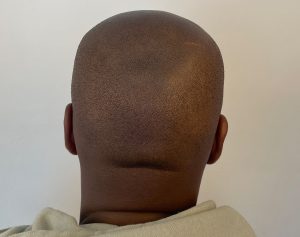
Scalp Micropigmentation for Darker Skin

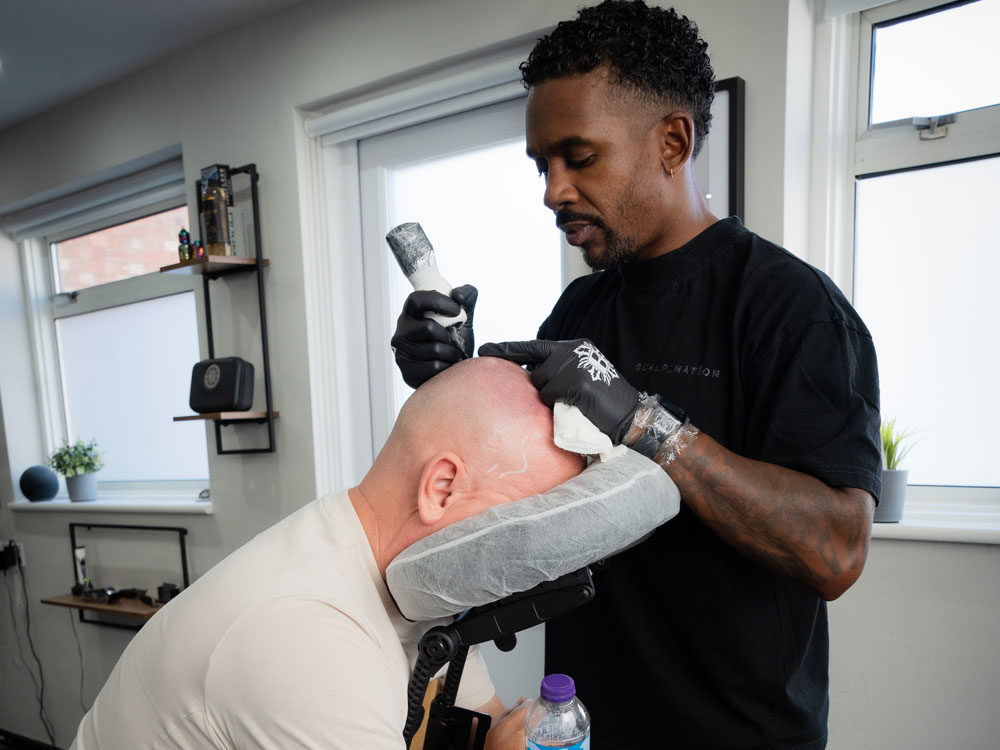
Resident scalp micropigmentation practitioner Will Quaye hard at work

Darker-skinned individuals often hesitate before pursuing scalp micropigmentation, wondering if the treatment will look natural on their complexion. Questions about technique differences, pigment selection, and finding qualified practitioners create understandable uncertainty. The truth? Scalp micropigmentation for darker skin produces exceptional results when performed correctly. The treatment requires specialized knowledge and adjusted techniques, but darker complexions actually offer distinct advantages for longevity and visual impact. Understanding these differences helps you make confident decisions about restoring your hairline and addressing hair loss concerns that affect your daily confidence.

SMP for darker skin

Key Takeaways

  • Darker skin requires larger follicle replications and increased pigment volume to match naturally thicker hair
  • Specialized pigment selection with warm undertones creates authentic appearances that avoid color shifting
  • SMP typically lasts 3-5+ years on darker skin tones—longer than lighter complexions
  • Qualified practitioners adjust machine settings, needle depth, and dot spacing for optimal results
  • Sharper, more defined hairlines often complement darker skin tones while slower fading extends treatment longevity

Does Scalp Micropigmentation Actually Work for Darker Skin Tones?

SMP delivers outstanding results across every skin tone. Hair follicles appear larger on darker skin compared to lighter complexions, meaning African, Afro-Caribbean, Asian, Indian, and Middle Eastern individuals need tailored approaches that create advantages rather than limitations.

Larger follicles retain pigment more effectively, translating to longer-lasting results. The treatment remains equally safe and effective—just different in execution. Dark skin smp actually offers better pigment stability and reduced fading compared to lighter tones. The contrast between scalp and pigment creates bold, defined appearances that look incredibly natural when executed properly.

Hair types common among darker-skinned individuals—coily, kinky, or tightly curled—naturally grow in denser patterns that SMP replicates beautifully. When practitioners understand how to work with these characteristics, they create results that fool even close observers. The key lies in finding artists who specialize in diverse skin tones rather than applying one-size-fits-all techniques.

Many clinics now recognize that smp for darker skin demands different equipment settings, pigment formulations, and artistic approaches. This specialization means better outcomes for clients who previously worried about whether the treatment would suit their complexion. Scalp micropigmentation for men has evolved significantly, with techniques now accommodating the full spectrum of skin tones and hair textures.

What Makes the Dark Skin SMP Process Different?

The dark skin smp process demands technical precision beyond standard application methods. Understanding these differences separates practitioners who create stunning results from those who produce disappointing outcomes.

Naturally thicker hair requires larger pigment deposits that mirror actual follicle diameter. Too small creates sparse, unconvincing results. Too large produces a flat, painted appearance instead of dimensional hair stubble. Experienced technicians know exactly how much pigment achieves saturation without overshooting into unnatural territory.

More ink fills larger follicles properly without creating safety concerns—it simply matches your natural hair characteristics. This increased volume doesn’t cause side effects; it’s merely adapting the treatment to your biological reality. Needle penetration depth, insertion angle, and pressure must all adjust to prevent pigment from spreading beneath the skin surface, which creates blurry, merged dots.

Critical dot spacing separates experienced practitioners from amateurs. Improper spacing causes neighboring dots to merge during healing, creating solid patches instead of individual follicles. Skilled artists calculate precise spacing that accounts for how pigment behaves in darker skin tissue during the settling process.

Building depth requires multiple sessions with strategic layering, adding density and dimension gradually. Each pass builds on the previous work. Rushing this process or compressing treatments into fewer sessions compromises the final appearance dramatically.

When practitioners ignore these adjustments, clients end up with flat, unconvincing coverage that screams “cosmetic procedure” rather than natural hair stubble. Merged pigment becomes difficult to correct without extensive laser removal.

How Do You Choose the Right Pigment Shade?

Pigment selection separates amateur work from professional artistry. The wrong shade creates obvious, unnatural results that age poorly over time. Darker pigments with warm undertones complement deeper skin tones, preventing the blue or green color shifts that plague traditional tattoo inks. Carbon-based and iron oxide pigments maintain their intended shade throughout the fading process.

Smart practitioners start lighter than the target color, building gradually to allow adjustments between sessions. Going too dark initially requires laser intervention to correct. Artists anticipate natural fading and account for it in their initial color selection. Your natural hair color and skin undertone both guide the process, with cool undertones pairing differently than warm undertones.

Grayscale pigmentation creates the most natural shadow effect. Shaved hair appears gray regardless of original color—red hair shaved down shows gray stubble, as does black hair. Matching this natural gray scale rather than trying to replicate unshaved hair color produces superior results.

Test patches eliminate guesswork before full treatment. Quality clinics apply small sample areas so you see exactly how the pigment settles into your skin and how the color develops over several days. Traditional tattoo inks don’t belong anywhere near scalp micropigmentation due to unpredictable color changes and faster degradation.

Proper pigment selection becomes even more critical for scar micropigmentation on darker skin, where scar tissue accepts pigment differently than healthy scalp, requiring expert blending to achieve seamless camouflage.

scalp micropigmentation for darker skin

Should You Go Bold or Subtle with Your Hairline?

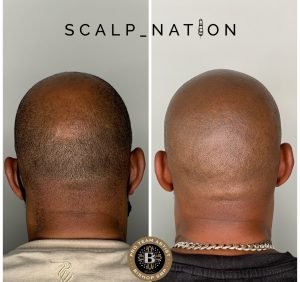
Hairline design for darker skin often favors sharper, more defined edges. This aesthetic preference stems from both cultural norms and technical realities. Crisp hairlines complement the strong contrast between darker skin and pigment, creating intentional, modern appearances rather than apologetic softness. Many clients appreciate this confident appearance that mirrors contemporary grooming standards.

Your natural hair type influences design decisions significantly. Coily or kinky hair creates dense, defined hairlines when grown out—replicating this through SMP maintains consistency with your hair’s natural behavior. Soft, feathered hairlines that work beautifully on straight, fine hair can look mismatched against naturally textured patterns.

Age considerations matter too. Younger clients typically want that sharp, fresh-cut appearance. Older clients might prefer slightly softer edges that suggest mature hairlines. Neither choice is wrong—personal preference drives the decision.

Popular Hairline Style Preferences:

  • Sharp/Defined: Clean edges that mirror fresh haircuts, popular among younger clients
  • Modern Fade: Gradual density transition creating contemporary dimension
  • Natural/Soft: Subtle irregularity mimicking organic growth patterns

Your practitioner should show examples across this spectrum and discuss which option best suits your facial structure and lifestyle. Beware anyone pushing a single “house style” regardless of your preferences or unique characteristics.

What Should You Expect During Healing and Recovery?

Recovery on darker skin follows similar timelines with specific considerations that affect visible healing stages. Initial redness appears as darker discoloration on deeper skin tones rather than bright red inflammation, typically resolving within 24-72 hours. Some clients experience color changes for up to five days depending on skin sensitivity.

Scabbing occurs during normal healing—don’t pick at these scabs as doing so pulls out pigment and creates patchy results requiring additional touch-ups. Let them fall away naturally over 7-10 days. This patience pays dividends in the final appearance.

True color development takes patience on scalp micropigmentation for darker skin. The final shade won’t appear for several weeks as pigment fully settles beneath the surface. Initial darkness fades to your intended tone as healing completes, which is why starting lighter proves beneficial.

Post-Treatment Care Essentials:

  1. Days 1-4: Avoid sweating, swimming, and sun exposure; keep scalp dry and clean
  2. Days 5-10: Gentle washing allowed; scabs fall naturally without interference
  3. Weeks 2-4: Continue sun protection; avoid heavy exercise that causes sweating
  4. Weeks 4-6: Full healing achieved; final color visible and ready for assessment

Keloid scarring risk exists for individuals predisposed to this condition, particularly those of African and Asian descent. Reputable clinics screen for this history during consultation. If you’ve developed keloids from previous injuries or piercings, discuss this upfront.

Sun protection becomes non-negotiable. UV exposure fades pigment prematurely, though darker skin’s natural melanin provides some protection. Sunscreen or hats preserve your investment and extend longevity.

How Long Will Your SMP Last on Darker Skin?

Smp for darker skin typically outlasts results on lighter complexions. Expect 3-5+ years before needing significant touch-ups, compared to 2-4 years for fairer skin.

Darker skin retains pigment more tenaciously. Larger follicle impressions contain more ink, providing greater volume that fades slowly. Melanin-rich skin offers natural UV protection that preserves pigment integrity.

Fading occurs gradually over years rather than suddenly. Touch-ups every few years restore vibrancy and adjust for any natural hair loss progression. Maintenance requirements remain minimal—no daily applications or system replacements needed.

Sun exposure affects longevity, though darker skin tolerates UV better. Regular sunscreen or hat-wearing extends time between touch-ups. Cost-effectiveness improves with longer-lasting results, reducing total lifetime expenditure.

Get a free, no obligation consultation

Click below to book your free consultation today, and take the first step toward a stronger, fresher, happier you.

What Makes a Practitioner Qualified to Work with Darker Skin?

Red flag: any technician claiming “the process is exactly the same for everyone.” This reveals fundamental ignorance about how skin type affects technique.

Portfolio examination tells the truth. Request before-and-after photos of clients with similar skin tones. Study the hairline sharpness, dot consistency, and overall naturalness for signs of merged pigment or flat, painted appearances.

Essential Questions During Consultation:

  • How many clients with my skin tone have you treated?
  • What specific adjustments do you make for darker skin?
  • Can I speak with previous clients who have similar complexions?
  • What pigments do you use, and why are they appropriate for my skin?

Understanding of coily, kinky, and tightly curled hair types separates good practitioners from great ones. Trichology knowledge provides added confidence—clinical trichologists understand scalp health and how skin responds to treatments. Scalp Nation’s Will Quaye combines award-winning SMP artistry with clinical trichology qualifications, providing the dual expertise that produces exceptional results.

dark skin smp

Can SMP Fix Previous Bad Work on Darker Skin?

Poor technique becomes obvious quickly on darker skin. Merged dots, incorrect pigment colors, and unnatural hairlines stand out prominently, but correction work shows improvement more dramatically.

Laser removal remains the primary solution for severely botched SMP. Modern picosecond lasers like PicoWay work safely on darker skin tones, using pressure waves rather than heat to reduce hyperpigmentation risk. Complete removal typically requires 4-8 treatments spaced several weeks apart.

Correction without full removal becomes possible when the original work isn’t catastrophically bad. Skilled practitioners can add strategic dots to improve spacing or blend problematic areas, saving time and money compared to complete removal.

Timeline expectations: full removal and re-treatment takes 6-12 months minimum. Patience becomes necessary when fixing previous mistakes.

Ready to Explore Your Options?

Scalp micropigmentation for darker skin creates remarkable transformations when performed by qualified practitioners who understand the technical nuances. Your skin tone provides advantages—better retention, longer-lasting results, and striking contrast that looks incredibly natural with proper technique.

The key lies in finding an artist with demonstrable experience across diverse skin tones. Don’t settle for generic approaches that ignore how your unique characteristics demand specialized methods.

Scalp Nation’s expertise in working with all skin types, combined with Will Quaye’s clinical trichology background, ensures you receive treatment tailored to your specific needs. See real examples, discuss your concerns, and get honest assessments during a free consultation.

Book your free consultation today to discover how scalp micropigmentation can restore your confidence with results that look authentically you.

FAQ

Darker skin requires adjusted follicle sizes, increased pigment volume, and precise dot spacing to prevent merging—mistakes that practitioners without specialized experience often make, creating visible problems that cost significantly more to correct.

Yes, SMP works beautifully for density enhancement through existing hair by applying pigment between your natural follicles to create fuller coverage without requiring a shaved head.

Quality SMP pigments don’t change color when applied properly—blue or green tints only occur when practitioners use traditional tattoo inks or place pigment too deep in the skin.

While certain ethnicities show higher keloid predisposition, SMP creates minimal trauma making keloid risk relatively low. Quality clinics screen for keloid history during consultation and adjust treatment plans accordingly.

What to Expect From Scalp Micropigmentation Before and After

smp benefits

Before-and-after photos pull more attention than anything else in scalp micropigmentation, and they get misread more than anything else, too. People scroll through galleries, land on one striking image, and quietly assume that’s what walking out of a single appointment looks like. It almost never is. A scalp micropigmentation before and after is the compressed sum of several sessions, days of healing, and weeks of the pigment settling into its true shade. 

You’ll learn:

  • What a single before-and-after photo leaves out, and why that matters before you book
  • What decides how dramatic your own result will look
  • How the finished look gets built across three sessions, and why the spacing isn’t even
  • How to read your own heal week by week and tell normal settling from a genuine fault
  • Why your result keeps changing for months after you walk out, and what that means long term

One Photo, Weeks of Work Behind It 

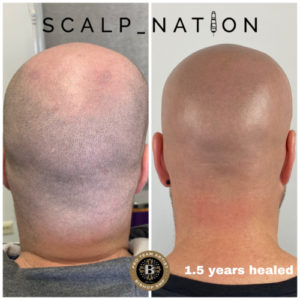
A before-and-after image is a summary, not a snapshot of one moment. Two frames sit side by side, and your eye fills in a clear cause-and-effect. Bald on the left, full on the right, done. The work that closed that gap stays invisible.

What got edited out is most of the story. The single hair micropigmentation before and after you’re looking at usually represents three appointments booked weeks apart, plus the healing that happens between each one. The “after” frame is shot once everything has calmed down and the colour has found its level, sometimes a month or more past the final session.

That gap matters for anyone weighing up the treatment. Judge it by the endpoint alone, and the early days can feel alarming, because the fresh scalp looks nothing like the polished photo that sold you on the idea. Learning to see the stages behind the image keeps expectations honest.

If you want the raw proof over the explanation, our transformations gallery holds the real client photo sets. This article is here to explain what you’re actually looking at.

How Does Hair Loss Type Affect the Visible Result?

How big the visible change looks comes down almost entirely to the starting canvas. Two clients can both get excellent work, and one before-and-after will still land far more dramatically than the other, purely because of where each man began.

Take a fully bald crown. Going from that to a dense, cropped look is the most eye-catching jump there is, which is why bald head micropigmentation dominates the galleries. The contrast is enormous, so the camera loves it. Diffuse thinning gives a quieter change, since the pigment fills between existing hairs without rebuilding an entire scalp.

Starting pointWhat the work doesHow the before-and-after reads
Fully bald crownRebuilds a dense, cropped hairline from scratchThe most dramatic jump, high contrast
Diffuse thinningFills pigment between existing hairs for densitySubtle, easy to miss in a photo
Transplant scarringBreaks up the pigment to blend the scar into the surrounding hairQuiet, judged by how invisible the scar becomes
Alopecia patchesMatches coverage to whatever hair remainsVaries with patch size and placement

Then there are the starting points that change the goal altogether. Scar tissue from a previous transplant needs the pigment broken up to blend a smooth patch into the surrounding density. Alopecia patches call for matching coverage to whatever hair remains around them.

None of this makes a subtle before-and-after a weaker result than a dramatic one, and that’s the part worth holding onto. A refined hairline that frames the face and a rebuilt crown are both strong outcomes. They simply photograph differently. The size of the visible change reflects your starting point, not the quality of the work, and quiet results pass closer inspection precisely because there’s less to give them away.

Get a free, no obligation consultation

Click below to book your free consultation today, and take the first step toward a stronger, fresher, happier you.

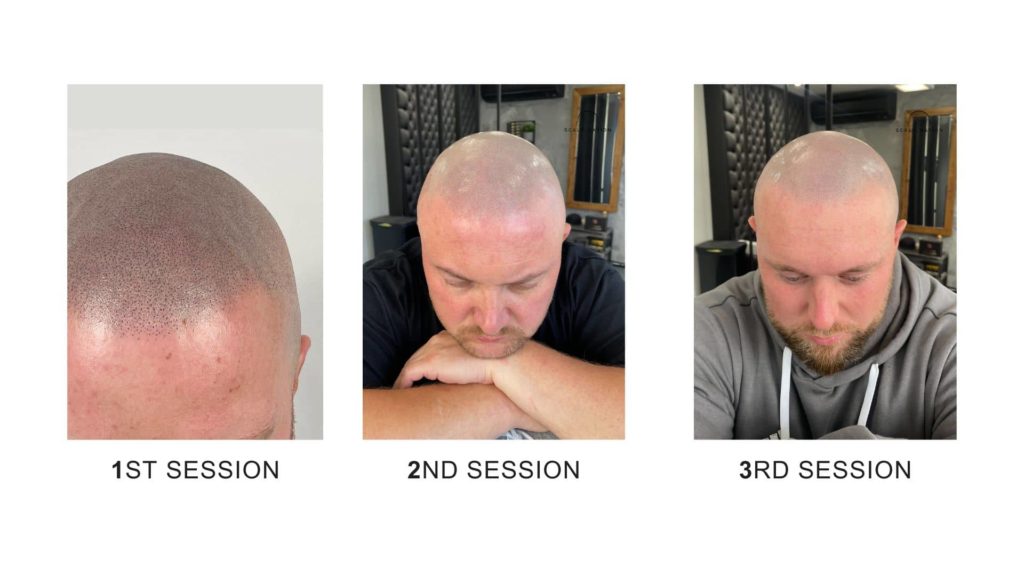
The Three-Session Climb to the “After”

The polished after photo gets built across roughly three sessions, not captured in one. There’s a reason it works this way. An artist could load the scalp with dark pigment on day one, but the result would sit too heavy, heal unpredictably, and leave no room to read how your skin actually holds colour.

Working up in layers solves that. Each visit has a clear job, and the table maps what happens against what you’ll actually see in the mirror.

SessionWhat happensHow it looks freshWhat you’ll judge later
FirstHairline mapped, base layer placedBold, sharp, darker than expectedHow evenly the base settles
SecondDensity built on healed workFuller, still intenseHow natural the coverage reads
ThirdRefinement and final blendingThe finished depth appearsThe true, settled colour

Most people notice a real difference after session one and see the biggest leap after session two.

The spacing between visits isn’t padding, and it isn’t even. Your first two sessions sit close together, around one to two weeks apart, which stacks early density quickly during the period your skin is still receptive. The gap before the third stretches longer, closer to three or four weeks, giving the scalp time to fully settle so the artist judges the final detailing against healed colour, not fresh pigment. That widening gap is the reason the day-one look differs so much from the finished one, a change worth grasping before you panic at your own reflection. We cover that swing in detail in our guide to fresh SMP versus healed SMP.

Scalp micropigmentation before and after

Is Your SMP Healing Normally? 

Most disappointment with SMP comes from misreading a perfectly normal heal as a failure. The early scalp behaves in ways that look wrong if nobody has warned you, so learning to read your own heal saves a lot of needless worry.

How a Healthy Heal Looks Week by Week

What you brace for first is darkness. Straight after a session, the pigment sits high in the skin and scabs form on top of each dot, so the scalp reads bolder and rougher than the final result ever will. That early intensity is depth and healing, not a sign the artist went too heavy. Here’s the path a normal heal follows:

  • Days 1 to 3: bold, dark dots with mild redness, the harshest the work will ever look
  • Days 7 to 10: tiny scabs over each dot shed, taking surface pigment with them and leaving the colour lighter
  • Weeks 2 to 3: the shade drops into its true depth and softens toward natural stubble
  • Weeks 3 to 4: the surface is smooth, even, and settled; this is your real result

A healthy heal lightens uniformly across the treated zone the whole way through, holding a consistent, realistic density without going patchy.

Signs Worth Flagging to Your Artist

All of this turns a good hair pigmentation before and after into something you read, not just admire. Most early oddness is ordinary healing, but a few changes point to a technique or pigment problem and deserve a message to your artist:

  • Patchy retention in place of an even, gradual lightening
  • A slide toward blue or grey tones, not a softer version of the original shade
  • Coverage that fades hard within months, when it should hold for years

Photograph your scalp under the same light every few days. A consistent record makes the difference between normal settling and a genuine fault easy to spot, and gives your artist something concrete to work from.

Why the Result Keeps Moving After Your Last Session 

The healed result isn’t frozen the day it’s declared finished. Plenty of before-and-afters get shot at the point where everything looks crisp, and that image becomes the reference. Your scalp keeps moving past it, slowly.

First comes settling. Across roughly the first month, the pigment finishes bedding into the skin and lands on its true shade, which is why most treatments read as complete somewhere around 30 to 45 days from your final session, not on the day you walk out. People see a clear difference far earlier, after the very first session, but that early density and the settled final colour are two separate milestones worth keeping apart in your head.

Then comes the long, slow lightening that every treatment goes through. Over the years, the pigment softens, which is normal for SMP, not a flaw in the original work. A periodic top-up brings the definition back. If you want the mechanics of why this happens and how to slow it, read why your SMP fades.

See the Whole Transformation in Motion 

A still image can only show you two points on a curve. Watching a change unfold in motion gives you what a before-and-after photo edits out. The texture, the angles, the way the pigment reads across a whole head and not just one flattering frame. The video below provides a full 360-degree view of the result, as close as you can get to seeing the work in person before you book.

See the Proof and Map Out Your Own 

The most useful skill you can bring to any gallery is knowing what a fair comparison looks like. A before shot and a healed after, taken weeks after the final session under matching light, tells you far more than a dramatic side-by-side photographed the day someone left the chair. Hold every result you see, and eventually your own, to that standard.

The best way to judge what SMP could do for you is to look at real, healed results and talk through your own scalp with someone who does this every day. Browse the transformations gallery for genuine client photos, then book a free consultation to map out what your own before-and-after could look like.

FAQ

Yes, noticeably. A photo taken right after a session shows bold, sharp pigment sitting on the surface. A healed photo, shot weeks later, shows the softened, settled colour that blends with the scalp. The healed version is the honest one, which is why reputable galleries lean on it.

For density work, yes. SMP placed to thicken thinning hair stays hidden underneath once you grow the hair back, adding the illusion of fullness at the root. A full shaved-look result is designed for short or shaved hair, so growing existing hair long over it won't suit that style the same way.

Honest clinics don't need to edit them, but the industry isn't free of it. The fairest way to vet a provider is to ask for healed photos in place of fresh-session shots, look for consistent lighting between the before and after, and check video testimonials, where editing is far harder to hide.

It can. Oily skin tends to soften pigment faster, and very dry skin may flake during healing, which affects how crisp the early result looks. A good artist factors your skin into pigment choice and depth, so your healed outcome lands where it should, regardless of type.

Scalp Micropigmentation vs Tattoo: What’s the Real Difference?

scalp micropigmentation vs tattoo

Many believe scalp micropigmentation equals getting a tattoo on your head. This misconception leads countless individuals down the wrong path when addressing hair loss. While both procedures involve needles and pigment, the similarities end there. Scalp micropigmentation vs tattoo represents two entirely different worlds — one designed specifically for medical-aesthetic hair restoration, the other for artistic body modification.

Key Takeaways

  • SMP needles are 75% smaller than tattoo needles, creating precise hair follicle-sized impressions
  • Pigment depth differs dramatically — SMP targets upper dermis layers, whilst tattoos penetrate much deeper
  • Professional training requirements vary significantly, with SMP demanding specialised scalp and hair loss expertise
  • Pain levels favour SMP due to shallow penetration and refined technique
  • Long-term results age differently through distinct pigment compositions and application methods

What Makes SMP Equipment So Specialised?

The equipment difference between scalp micropigmentation vs tattoo procedures reveals the first major distinction. Traditional tattoo needles simply cannot replicate the delicate appearance of natural hair follicles. These standard tools create marks far too large and imprecise for convincing scalp work.

SMP practitioners employ 3-point micro-needles that measure 75% smaller than the finest tattoo needle available. This dramatic size reduction allows artists to deposit pigment dots virtually indistinguishable from actual hair follicles. The needle’s smooth point and porous body provide exceptional control over pigment flow, enabling practitioners to adjust the amount of ink entering the skin with remarkable precision.

Digital rotary machines further separate SMP from traditional tattooing equipment. Unlike the heavy, loud coil machines tattoo artists use, SMP devices operate quietly through computerised systems controlling speed, needle depth, and vibration levels. This technological advancement allows for the meticulous work required to create thousands of perfectly placed microdots across the scalp.

The equipment sophistication reflects the procedure’s medical-aesthetic nature. Where tattoo artists focus on creating bold, artistic designs, SMP practitioners must simulate nature itself — requiring tools capable of microscopic precision and consistent performance throughout lengthy sessions.

Why Does Pigment Depth Matter More Than You Think?

scalp micropigmentation tattoo

Pigment depth creates dramatically different outcomes between these procedures. Scalp micropigmentation operates at just two dermis layers, whilst traditional tattoos penetrate five layers deep. This depth difference affects everything from healing to hair follicle safety.

Depth and Penetration Comparison

AspectScalp MicropigmentationTraditional Tattoo
Penetration Depth2 dermis layers (0.5-1.2mm)5 dermis layers (1-2mm+)
Pigment Spread RiskMinimal due to shallow placementHigher due to deeper penetration
Healing Time28-50 days2-4 weeks
Trauma to the ScalpMinimalModerate to high
Hair Follicle SafetyProtectedPotential risk

The shallow SMP placement serves multiple purposes rooted in trichology and scalp health understanding. At this specific depth, pigment maintains its shape without spreading, allowing practitioners greater control over each dot’s appearance. 

The shallow depth also protects the scalp’s delicate structure. Going deeper risks damaging hair follicles that might still be functioning, whilst the controlled depth minimises trauma to surrounding tissue. This consideration proves particularly important for clients with existing hair who want density enhancement rather than complete coverage.

How Do Different Techniques Create Different Results?

The application method represents another fundamental difference in the scalp micropigmentation vs tattoo comparison. Traditional tattooing employs a scraping method, dragging needles across the skin to create continuous lines and fill solid areas. This technique suits artistic designs requiring smooth gradations and bold outlines.

Scalp micropigmentation uses a pointillism or dotting method, placing individual pigment deposits strategically across the scalp. Each dot represents a single hair follicle, positioned to mirror natural growth patterns unique to each client. This impressionist approach creates realistic results through strategic dot placement rather than continuous coverage.

The dotting technique requires significantly less needle contact and pressure against the scalp. Practitioners must avoid the “blowout” effect, where excessive pressure causes pigment to spread beneath the skin’s surface, creating unnatural-looking patches that destroy the follicle illusion.

What’s Really in SMP Pigment vs Tattoo Ink?

Pigment composition reveals perhaps the most significant difference between these procedures. Traditional tattoo inks contain various additives and composite colours to achieve the rainbow spectrum tattoo artists require. Black tattoo ink often combines cyan, magenta, and other colours that can separate over time, potentially causing unwanted blue or green tints as the tattoo ages.

Scalp micropigmentation pigments typically use iron oxide-based formulations specifically designed for scalp applications. These pigments resist colour changes, maintaining their intended shade throughout the fading process. Some practitioners prefer carbon-based pigments, but these are specially formulated to age correctly in scalp tissue — quite different from standard tattoo inks.

The pigment stability proves crucial for long-term satisfaction. Traditional tattoo inks can oxidise and shift colours unpredictably, whilst quality SMP pigments fade naturally to lighter versions of their original shade. This controlled ageing ensures clients maintain a natural appearance even as the pigment gradually lightens over several years.

The customisation capability of SMP pigments allows practitioners to match individual skin tones and desired hair colours precisely. Using dilution ratios, artists create bespoke shades that blend seamlessly with existing hair or complement the client’s natural colouring — a level of customisation that standard tattoo inks cannot provide.

Are the Training Requirements Actually Different?

Professional preparation represents a stark contrast in the scalp micropigmentation vs tattoo landscape. Both fields require basic licensing — typically a tattoo licence and bloodborne pathogen certification — but the specialised knowledge demands differ dramatically.

Training and Expertise Requirements

Training AspectSMP PractitionersTattoo Artists
Medical KnowledgeHair loss conditions, scalp anatomyBasic skin knowledge
Specialised SkillsHairline design, follicle simulationArtistic design, shading techniques
Client PsychologyHair loss trauma, restoration expectationsGeneral customer service
Equipment TrainingDigital rotary systems, micro-needlesCoil/rotary machines, various needle types
Apprenticeship Duration6+ months typicallyVaries, often shorter

Working with a qualified SMP practitioner matters

Will Quaye combines multi-award-winning SMP artistry with Clinical Trichologist credentials (Institute of Trichologists) — the exact dual expertise this section describes. Book a free consultation, in-person or video call, no obligation.

How Do Pain and Healing Compare?

The discomfort experience differs substantially between these procedures. Scalp micropigmentation proves significantly less painful due to the shallow needle penetration and gentler dotting technique. Most clients describe the sensation as tolerable, often comparing it to light scratching or minor pinpricks.

Traditional scalp tattoos create more intense discomfort through deeper penetration and the scraping motion required for artistic designs. The scalp’s sensitivity, combined with proximity to bone, can make conventional tattooing quite uncomfortable for many clients.

Healing timelines also vary considerably. SMP typically requires 28-50 days for complete healing, with initial redness and minor soreness subsiding within 24-72 hours. The shallow pigment placement minimises tissue trauma, allowing faster recovery. In contrast, traditional scalp tattoos generally take 2-4 weeks for the initial surface healing, though full healing of deeper layers can extend for several months.

Aftercare requirements reflect these differences. SMP clients must avoid sweating for approximately four days and strenuous exercise for 28 days, as salt in perspiration can affect pigment retention. Traditional tattoo aftercare focuses more on preventing infection and protecting the deeper ink deposits.

smp vs tattoo

What About Long-term Maintenance and Results?

The ageing process affects these procedures differently. Scalp micropigmentation fades gradually over 2-5 years, lightening to softer versions of the original shade. This natural fading actually enhances the realistic appearance, as natural hair often greys or lightens with age. Traditional tattoo inks can behave unpredictably over time. Poor-quality inks or improper application may result in colour shifts, whilst high-quality work generally maintains its appearance longer before requiring touch-ups.

Sun exposure affects both procedures, but SMP’s shallow placement makes it more susceptible to UV damage. Regular sunscreen application or wearing hats helps preserve the pigment’s integrity and prevents premature fading. 

The touch-up process differs significantly between procedures. SMP touch-ups involve adding density or adjusting the hairline as clients age, whilst tattoo touch-ups typically address fading or colour corrections..

Which Option Suits Different Hair Loss Goals?

Scalp micropigmentation serves individuals seeking natural-looking hair restoration solutions. It works exceptionally well for creating buzz-cut appearances, adding density to thinning areas, or camouflaging transplant scars. Traditional scalp tattoos might appeal to those wanting bold artistic statements rather than hair loss solutions. Some individuals choose decorative designs, religious symbols, or memorial artwork that doesn’t attempt to simulate natural hair. 

The scalp micropigmentation vs tattoo decision ultimately depends on your specific goals, lifestyle, and expectations. Use this comprehensive comparison to determine which approach suits your needs.

Decision-Making Comparison Table

FactorChoose SMP If…Choose a Traditional Tattoo If…
Primary GoalNatural hair loss solutionArtistic expression or decorative design
AppearanceUndetectable buzz-cut lookBold, artistic statement
Professional EnvironmentCorporate-friendly, subtle resultsCreative field acceptance of visible art
Active LifestyleSwimming, sports without concernLess frequent water activities
Maintenance PreferencePeriodic touch-ups every 4-6 yearsLonger intervals between touch-ups
Pain ToleranceLower pain toleranceHigher pain tolerance acceptable
Budget ConsiderationsOngoing maintenance costsHigher initial cost, less frequent touch-ups
Hair Loss StageThinning, balding, or transplant scarsComplete hair loss for artistic coverage
Age ConsiderationsNatural ageing with gradual fadingPermanent artistic statement
Removal OptionsEasier laser removal if neededMore complex removal process

When choosing a practitioner, verify their specific training and experience in your desired procedure. A talented tattoo artist isn’t automatically qualified for SMP work, just as an SMP specialist may not be the right choice for artistic tattoo designs. Book a Free Consultation with our qualified practitioners to discuss your goals, assess your suitability, and understand the realistic outcomes each approach can provide.

Discuss your goals with a qualified specialist

Book a free consultation with Will Quaye — qualified Clinical Trichologist and multi-award-winning SMP artist. Assess your suitability, understand realistic outcomes, and get a clear picture of what’s achievable for your specific case. Thirty minutes, no obligation.

FAQ

SMP uses much smaller needles and a gentler dotting technique that penetrates only 2 dermis layers compared to traditional tattooing’s 5-layer depth. Less tissue trauma and shorter needle contact time significantly reduce discomfort levels.

Both procedures offer permanent results, but SMP typically requires touch-ups every 4-6 years as the pigment gradually fades. Traditional tattoos generally last longer before needing refreshing, though this varies based on ink quality and aftercare.

Yes, SMP can be removed through laser treatments, similar to traditional tattoo removal. However, the shallow pigment placement often makes SMP easier to remove than conventional tattoos, though multiple sessions are typically required.

SMP works effectively across all skin tones, though results may vary in visibility and contrast. Practitioners can customise pigment shades to complement any skin tone, though clients with darker skin may need to be patient with results as contrast develops gradually.

Scalp Micropigmentation vs Hair Transplant: A Complete Comparison

hair transplant

Hair loss changes everything. One day you’re running your fingers through a full head of hair, the next you’re strategically positioning yourself under flattering lighting. Two permanent solutions have emerged as front-runners: scalp micropigmentation vs hair transplant procedures. One tattoos the illusion of hair, the other surgically moves what you’ve got left. Both promise permanent results, but through completely different routes.

Key Takeaways:

  • How scalp micropigmentation and hair transplants actually work
  • Side effects and risk profiles for both treatments
  • Real-world costs and long-term financial implications
  • Daily lifestyle impacts and practical considerations
  • Decision framework to choose the right treatment for your situation

What Exactly is Scalp Micropigmentation?

scalp micropigmentation tattoo

Scalp micropigmentation creates the illusion of hair follicles through precise tattooing techniques. This non-surgical procedure deposits tiny pigment dots across the scalp, mimicking the appearance of closely-shaved hair or adding density to thinning areas.

⭐How the process works: Micro-needles deposit pigment 0.5mm into your scalp — shallow enough to avoid the deep tissue but deep enough to last. The artist varies the dot sizes and spacing to replicate the growth of real hair. Fine needles handle delicate hairline work, whilst broader needles tackle larger areas. Each session builds on the last, creating depth and realism through layered dots.

⭐Ideal candidates:

  • Men with established pattern baldness who want the cropped hair look
  • Anyone seeking instant results without going under the knife
  • People looking to thicken existing hair with scalp micropigmentation
  • Cancer patients dealing with treatment-related hair loss
  • Those covering alopecia patches or old transplant scars
  • Anyone wanting to hide scalp scars or birthmarks

⭐Treatment sessions: Most people need three appointments spread 10-14 days apart. Your first session lays down the hairline and basic coverage (2-4 hours). Session two adds density and fine-tunes the colour (2-3 hours). The final appointment perfects everything and handles touch-ups (1-2 hours). This staged approach prevents going too dark too fast.

Getting your scalp properly assessed beforehand makes all the difference. A trichology consultation can determine whether your particular type of hair loss makes you a strong candidate for this treatment.

What is a Hair Transplant?

Hair transplants involve surgically moving hair follicles from areas where you still have growth to the spots where you’ve gone bald. Unlike SMP’s artistic illusion, this procedure relocates your actual living hair to give you real coverage that grows, can be cut, and styled like normal hair.

⭐How the process works: Surgeons extract individual follicles or strips of hair from your donor area (usually the back and sides of your head). Two main methods dominate: FUE individually removes follicles using tiny punches, whilst FUT removes a strip of scalp before dividing it into grafts. These harvested follicles are carefully implanted into tiny incisions across the balding areas. The transplanted hair initially falls out, then regrows permanently from month four onwards.

⭐Ideal candidates:

  • Men with sufficient donor hair density on the back and sides
  • Those wanting to grow their hair long and style it naturally
  • People with localised balding rather than diffuse thinning
  • Individuals willing to wait 6-12 months for full results
  • Those comfortable with surgical procedures and recovery time
  • Anyone seeking natural hair growth rather than cosmetic camouflage

⭐Treatment sessions: Most hair transplants are completed in a single day-long session lasting 6-10 hours, though extensive cases may require multiple procedures. Initial healing takes 7-14 days with visible scabbing and tenderness. Transplanted hair sheds within 2-4 weeks before entering a dormant phase. New growth begins around month four, with significant results visible by month eight and final density achieved by month twelve.

Are There Serious Side Effects to Consider?

Adam Hobby Close Up scaled e1752663510556

Every procedure carries risks, and both SMP and hair transplants come with their own sets of potential complications. Understanding these scalp micropigmentation and hair transplant side effects helps you weigh up what you’re signing up for before committing.

Scalp micropigmentation side effects:

  • Redness and swelling lasting 24-72 hours
  • Itching during the healing process (typically 1-2 weeks)
  • Minor scabbing that must not be picked
  • Temporary darkening before pigment settles
  • Allergic reactions to pigments (rare with quality inks)
  • Keloid scarring in susceptible individuals
  • Unnatural appearance with inexperienced practitioners
  • Colour changes or fading with improper technique

Hair transplant side effects:

  • Post-operative swelling around the forehead and eyes
  • Bleeding from donor and recipient sites
  • Infection requiring antibiotic treatment
  • Shock loss of existing hair (temporary or permanent)
  • Numbness in treated areas lasting weeks or months
  • Visible scarring, particularly with FUT procedures
  • Graft failure resulting in patchy growth
  • Hiccups from nerve irritation during surgery
  • Pain requiring prescription medication management

Risk Comparison Table

Risk FactorScalp MicropigmentationHair Transplant
Infection RiskVery low (surface treatment)Moderate (surgical incisions)
ScarringMinimal risk, mainly keloid-prone individualsHigh risk, especially with the FUT method
Anaesthesia ComplicationsNone (topical numbing only)Present (local anaesthesia required)
Permanent DamageRare with qualified practitionersPossible with overharvesting or poor technique
Recovery ComplicationsMinor itching and scabbingSwelling, bleeding, and prolonged healing
Long-term IssuesColour fading, need for touch-upsContinued hair loss around the transplant

How Much Does Hair Restoration Really Cost?

Money talks, and when it comes to hair restoration, the conversation gets loud quickly. Scalp micropigmentation typically costs significantly less upfront than surgical hair transplants, but the financial picture becomes more complex when you factor in long-term maintenance. Based on current UK market rates, you’re looking at vastly different price points for these two approaches.

Cost FactorScalp MicropigmentationHair Transplant
Initial Treatment£2,450 – £3,000 (full head)£4,000 – £15,000+
Small Areas/Touch-ups£1,000 (patches), £350-£600 (touch-ups)Often requires the full procedure
Maintenance ScheduleEvery 3-5 yearsPotential second procedure in 10+ years
Total 10-Year Cost£3,500 – £4,500 (with touch-ups)£4,000 – £30,000+ (if second procedure needed)
Payment OptionsDeposit + split payments, finance coming in 2025Various clinic financing available
Insurance CoverageNot covered (cosmetic)Not covered unless trauma-related

Get an honest quote for your case

Most full-head SMP cases at Scalp Nation land between £2,450 and £3,000, but yours depends on coverage area, density needs, and your existing hair. Book a free consultation with Will Quaye — qualified Clinical Trichologist and multi-award-winning SMP artist. No obligation.

What’s the Daily Maintenance for Each?

The real test of any hair restoration treatment comes down to how it fits into your daily life. Both procedures demand different approaches to exercise, grooming, and general lifestyle management that extend well beyond the initial treatment period.

  • Daily Maintenance Requirements

SMP needs virtually no daily upkeep once healed — you simply shave your head as normal and carry on with your routine. Hair transplants require the full spectrum of hair care, including washing, conditioning, styling, and regular cuts to maintain the desired appearance.

  • Exercise and Activity Restrictions

Following SMP, you’ll need to avoid sweating for about four days and skip strenuous exercise for roughly 28 days to protect pigment retention. Hair transplant patients face longer restrictions, avoiding heavy exercise for 2-4 weeks and being careful with activities that might dislodge grafts for up to two months.

  • Weather and Durability Factors

SMP stands up to all weather conditions once healed — swimming, rain, wind, and sun won’t affect the appearance, though UV protection helps prevent fading. Transplanted hair behaves like natural hair, requiring protection from harsh weather and potential styling adjustments based on humidity and conditions.

  • Professional and Social Situations

SMP provides a consistent appearance across all situations with no daily variation or styling concerns that might affect professional confidence. Hair transplants offer more styling versatility but require daily grooming decisions and carry the risk of bad hair days affecting your professional presentation.

How Do You Choose the Right Solution?

scalp micropigmentation vs hair transplant

After weighing up the procedures, costs, and lifestyle implications, you’re probably wondering which route makes sense for your situation. The decision ultimately hinges on your personal priorities, aesthetic goals, and realistic expectations about what each treatment can deliver.

Your PriorityChoose SMPChoose Hair Transplant
Immediate visible results Perfect for instant gratification Wait 6-12 months for full results
Lower upfront investment £2,450-£3,000 typical cost £4,000-£15,000+ required
Minimal downtime Back to normal within days Weeks of recovery are needed
Buzz cut aesthetic preference Ideal for this look Doesn’t suit this style
Long hair styling options Limited to a short appearance Grow and style naturally
No surgical procedures Non-invasive tattooing only Requires surgery
Extensive hair loss coverage Works regardless of donor hair Need a sufficient donor area
Natural hair growth Creates an illusion only Real hair that grows
Minimal ongoing maintenance Touch-ups every 3-5 years Regular cuts and styling 
Weather/activity resilience Unaffected by elements Requires hair care consideration

Ready to Choose Your Hair Solution?

Your hair restoration decision doesn’t have to be a guessing game. Whether you’re drawn to SMP’s immediate transformation or a hair transplant’s natural growth potential, the right choice depends on matching the treatment to your lifestyle, budget, and aesthetic vision. Professional guidance removes the uncertainty – expert assessment reveals which approach will deliver the confidence boost you’re seeking.

Ready to choose your hair solution?

Will Quaye reviews SMP suitability, discusses hybrid approaches with transplants, and gives you a clear picture of what’s achievable for your specific case. Thirty minutes, in-person or video call, no obligation, no sales pitch.

FAQ

Failed hair transplants can sometimes be corrected through additional procedures, though this depends on available donor hair and the extent of the issue. Some patients choose SMP to camouflage unsuccessful transplant results or add density to patchy areas.

Yes, many patients use SMP to enhance hair transplant results by adding visual density between transplanted follicles or camouflaging donor area scarring. This hybrid approach can create fuller-looking coverage than either treatment alone.

Most practitioners recommend waiting until hair loss patterns stabilise, typically after age 25-30. Younger patients with progressive hair loss may experience continued thinning around treated areas, requiring additional procedures or touch-ups.

SMP works across all skin tones but requires careful pigment matching, particularly for darker skin where contrast may be less immediate. Hair transplants work universally, though patients with very fine or light-coloured hair may need more grafts to achieve the desired density.

Do People Really Regret Scalp Micropigmentation? Honest Answers

why do men go bald

Most people who receive scalp micropigmentation from a qualified practitioner walk away satisfied. Satisfaction rates across reputable clinics run high, and many clients say their only regret was waiting so long to book. But, unfortunately, scalp micropigmentation regrets do happen, and they almost always trace back to the same preventable mistakes, from a poor choice of clinic to skipped aftercare. 

In this article, we will explain why some treatments disappoint, what poor results look like, and how to protect yourself before committing.

Key Takeaways

  • The vast majority of SMP clients are happy with their results, and SMP regrets nearly always trace back to avoidable mistakes.
  • Six causes sit behind most disappointing outcomes.
  • Some of the most visible problems, including colour and hairline errors, are also the most fixable.
  • Correction and full removal are both possible, though prevention costs far less.
  • A focused pre-procedure checklist cuts most risks before you commit.
  • Unscripted client testimonials show what a well-executed SMP experience looks like.

Do Most People Really Regret Getting SMP?

No. Clinical studies place SMP satisfaction rates between 80% and 90%, with one published case series reporting that 85.7% of clients with pattern hair loss rated themselves “very satisfied” after treatment. Those numbers hold up when the work is carried out by a trained, experienced practitioner using proper pigments and equipment.

The cases that do lead to scalp micropigmentation regrets follow well-documented and preventable patterns. A review of 120 patients who needed corrective work found that nearly 90% had originally been treated at tattoo parlours or beauty salons, not clinics that specialise in SMP. That single finding says a lot.

Scalp micropigmentation tattoo

What Are the Main Reasons People Regret SMP?

Regrets of scalp micropigmentation nearly always trace back to one of six causes. Some involve the clinic, some involve the client, and several involve both.

1. Choosing the Wrong Clinic

Bargain pricing and a polished Instagram feed are not proof of quality. Clinics without accreditation or a verifiable track record attract clients with low costs, then deliver substandard work. The cost to correct poor SMP frequently exceeds the cost of doing it right. 

2. An Inexperienced Practitioner

Tattoo artists, beauty therapists, and weekend-course graduates increasingly offer SMP without the specialised training it demands. The treatment requires smaller needles, shallower pigment depth, and a pointillist application technique that standard tattooing does not teach. Ask about years of SMP-specific experience and review a portfolio of healed results, not freshly treated photos. 

Our guide on what makes a great SMP artist covers the full list of qualities to look for. 

3. Unrealistic Expectations

SMP creates the appearance of closely cropped hair or adds visual density to thinning areas. It does not regrow hair or replicate longer styles. Clients who expect hair-transplant-level fullness from a pigmentation treatment are set up for disappointment before any needles are involved. 

Reviewing verified SMP before and after results before booking helps align expectations with what the treatment delivers.

4. Pigment That’s Too Dark

Overly dark pigment is one of the most visible signs of bad scalp micropigmentation. Fresh SMP always looks darker than the healed result, so a cautious first session with lighter tones, building density gradually across subsequent appointments, is the professional standard. Clinics that go heavy and dark on day one are skipping steps that exist for a reason.

5. Incorrect Hairline Design

A hairline that sits too low, runs too straight, or ignores natural temple recession looks immediately artificial. The design should match the client’s age, face shape, and natural growth pattern. A razor-sharp, perfectly symmetrical line is a warning sign, not a mark of precision. 

Reviewing the difference between a defined and soft hairline helps you recognise what a natural result should look like before you sit in the chair.

6. Poor Post-Procedure Care

Aftercare failures account for a large share of disappointing outcomes, even when the practitioner did everything right. Scratching healing skin, sweating too soon (salt in perspiration affects pigment retention), or exposing fresh pigment to UV light can all cause patchiness and premature fading. 

The SMP treatment aftercare guidelines your clinic provides exist for exactly this reason. Following them is the most direct way to protect your results.

How Does Scalp Micropigmentation Look When It’s Gone Wrong? 

Poorly executed SMP tends to share recognisable traits. Dots that are too large or uniformly spaced create a grid-like pattern, nothing like the randomised placement that mimics real follicles. Blue or green colour changes appear when practitioners use standard tattoo ink, pigments that were never formulated for scalp work. Ruler-straight hairlines that ignore natural temple recession draw immediate attention to the treatment.

Heavy-handed application can also cause “blowouts,” where pigment spreads beneath the skin’s surface and creates blotchy patches where defined follicle impressions should be.

What Can Be Done About Scalp Micropigmentation Bad Results?

Correction is possible in the majority of cases. The right route depends on how severe the problem is.

Correction by an experienced practitioner works well for overly dark pigment, uneven density, or a hairline that needs softening. A skilled artist can blend colour, adjust density, and refine edges across one or two focused sessions without removing the original work.

Laser removal handles more severe cases where the pigment must be fully cleared before starting again. SMP pigment sits in the upper dermis, shallower than traditional tattoo ink, which generally makes removal quicker. 

Our guide on removing scalp micropigmentation covers the full timeline, session expectations, and what the treatment involves.

Both routes exist. But correction costs more, takes longer, and carries more discomfort than getting the treatment right from the start.

Unhappy with your SMP? Correction is possible

Will Quaye — three-time award-winning SMP artist and qualified Clinical Trichologist — assesses botched or unsatisfactory SMP from other clinics. Book a free consultation to see if your case can be corrected or if removal is the better route. In-person or via photos.

How Can You Avoid Regretting SMP?

Most scalp micropigmentation regrets are avoidable. A structured check before committing to any clinic separates confident decisions from costly mistakes.

Pre-Procedure Checklist

  • Research the clinic across multiple platforms (Google, Trustpilot, social media). Look for consistent quality and verified reviews, not volume alone.
  • Meet the practitioner in person or via video before booking. A reputable artist will answer direct questions about their training, SMP-specific experience, and the pigments they use.
  • Review healed results, not freshly treated photos. Pigment settles after healing, so a portfolio of healed work is the true test of quality.
  • Ask targeted questions: What happens if I’m unhappy with the outcome? How many sessions do you recommend? What does your aftercare programme include?
  • Confirm the practitioner will draw the proposed hairline and get your approval before any treatment begins.

For a deeper walkthrough, our guide on how to choose the right clinic for a hair tattoo covers each of these steps in full.

What Do Real Clients Say About Their SMP Experience?

Unscripted video testimonials from Scalp Nation clients offer the clearest picture of what a well-executed SMP experience looks like, from consultation through to healed results.

Three themes keep showing up in these reviews. Clients describe a confidence boost that extended well beyond appearance into their professional and social lives. Many wish they had booked years earlier and stopped wasting time on products that never delivered. Several also mention how straightforward the sessions felt compared to what they had been expecting.

The full collection of client video reviews is available on our testimonials page.

Ready to Get Honest Answers About SMP?

SMP regrets are preventable when you start with the right practitioner. 

Our specialist, Will Quaye, is a three-time award-winning SMP artist and qualified Clinical Trichologist (Institute of Trichologists), meaning he assesses both the cosmetic and clinical side of every case. 

If you’re considering SMP for the first time or looking to correct previous work done elsewhere, the consultation is free, carries no obligation, and can be done via video call or in person at the Hornchurch, Essex clinic.

Book a free consultation with Will Quaye

Free, no obligation, no sales pitch. Thirty minutes to discuss your specific case — first-time SMP consideration or correction of previous work. In-person at Hornchurch (Essex) or video call.

FAQ

Yes. An experienced practitioner can correct colour, density, and hairline problems through blending and touch-up sessions. Full laser removal is reserved for severe cases where the pigment must be completely cleared before a fresh application.

Reputable clinics space the first two sessions approximately one to two weeks apart, then allow three to four weeks before the final session. This gives the skin time to heal and the pigment to settle, allowing for accurate colour and density adjustments at each appointment.

Yes. SMP pigment gradually lightens over two to five years. Periodic touch-ups refresh the colour and density. This gradual fading is expected and manageable with maintenance sessions every few years.

Most clients rate the discomfort between 2 and 5 out of 10. SMP needles are far smaller and penetrate less deeply than traditional tattoo needles, making the sensation closer to light scratching. Breaks during the session are always available if needed.

No. SMP does not harm functioning hair follicles. The pigment is deposited into the upper dermis at a depth that avoids follicle damage. Some evidence suggests the micro-needling involved may even encourage growth in surrounding follicles.

Top Reasons for SMP Fading and How to Prevent Them

hair tattoo

Noticing your scalp micropigmentation fade doesn’t signal disaster. Each client experiences some degree of pigment lightening over time, which remains completely normal. However, knowing what triggers SMP fading helps you distinguish between expected changes and genuine concerns. This guide reveals five primary reasons behind pigment loss and proven strategies to maximise your treatment’s lifespan.

Should You Worry About Your Fading SMP?

Distinguishing between expected gradual lightening and concerning rapid loss requires understanding typical progression patterns. Most clients experience natural smp colour fading over 3-5 years, requiring maintenance rather than complete retreatment.

Initial healing brings dramatic changes that often worry clients unnecessarily. Scabs form over each micro-dot, appearing darker and larger than the actual pigment underneath. When these naturally shed after 7-10 days, the remaining colour appears much lighter. This healing response explains why smp fading after the first session seems so pronounced.

Normal FadingProblematic Fading
Gradual lightening over 3-5 yearsRapid colour loss within 6-12 months
Even distribution across treated areasPatchy or uneven pigment retention
Maintains a realistic hair appearanceDevelops blue/grey discolouration
Requires touch-ups every few yearsNeeds frequent corrections 
Responds well to maintenance sessionsShows poor response to additional treatments

Long-term colour stability depends on proper application technique, quality pigments, and diligent aftercare. Some individuals notice their SMP keeps fading faster due to genetic factors, lifestyle choices, or medical conditions affecting skin regeneration rates. Professional evaluation becomes necessary when fading accelerates beyond normal timelines, develops unusual colour shifts, or creates a patchy appearance. Early intervention prevents minor issues from becoming major problems.

5 Key Causes Why SMP Pigments Fade

The causes of SMP fading empower you to take protective action. These five factors determine how long your treatment maintains its appearance and vibrancy.

1. Natural Skin Regeneration & Immune Response

Your body constantly renews skin cells through natural skin regeneration, pushing older layers toward the surface where they eventually shed. This biological process gradually carries away pigment particles deposited during treatment.

The immune system treats SMP pigment as foreign material, deploying specialised cells called macrophages to break down and remove these particles. This response varies dramatically between individuals – some people’s immune systems work more aggressively than others.

Key differences from traditional tattoos:

  • SMP pigment placement occurs at a shallower skin depth
  • Traditional tattoos penetrate deeper layers rich in blood vessels
  • Superficial placement prevents spreading whilst maintaining crisp definition
  • This positioning makes pigment more susceptible to natural elimination

Factors affecting immune response:

  • Age significantly influences cellular turnover rates
  • Younger clients often experience faster pigment elimination
  • Mature skin regenerates more slowly, providing better retention
  • Individual immune system activity varies considerably
SMP fading

2. Sun Exposure & UV Damage

Ultraviolet radiation breaks down pigment molecules at the molecular level, causing gradual colour degradation. Even brief daily exposure accumulates over time, creating noticeable lightening effects.

Common misconceptions about UV protection:

  • Cloudy conditions provide little protection (80% of UV rays penetrate clouds)
  • Indoor exposure through windows still causes damage
  • Brief outdoor activities accumulate significant exposure over time

Seasonal considerations:

  • Summer: Intense direct sunlight poses obvious risks
  • Winter: Snow reflection can double UV exposure
  • Spring/Autumn: Often catch people off guard when establishing routines
  • Year-round: Consistent protection proves more effective than seasonal efforts

Professional outdoor workers face accelerated fading without proper protection. Construction workers, groundskeepers, and sports professionals require extra vigilance about scalp coverage and sunscreen application.

3. Chemical Exposure

Swimming pool chlorine aggressively attacks organic pigments, causing rapid colour degradation. Regular swimmers notice accelerated fading unless they take preventive measures. Saltwater presents similar challenges, though generally less severe than chlorinated environments.

Problematic hair care ingredients:

  • Alcohol-based styling products
  • Sulfates in harsh shampoos
  • Clarifying treatments designed to strip buildup
  • Medicated scalp treatments for dandruff or psoriasis

Professional treatment risks:

  • Chemical peels affecting scalp areas
  • Certain facial treatments with chemical runoff
  • Medical procedures involving topical medications
  • Always inform practitioners about your SMP beforehand

Household cleaning products occasionally contact the scalp during routine activities. Bathroom cleaners, kitchen degreasers, and gardening chemicals all pose potential risks when proper precautions aren’t taken.

4. Physical Trauma

Aggressive washing techniques cause mechanical damage to both skin and pigment. Scrubbing with rough towels, using stiff brushes, or applying excessive pressure during shampooing gradually wears away colour density.

Common physical damage sources:

  • Washing: Vigorous scrubbing, hot water, rough towels
  • Shaving: Dull blades, excessive pressure, wrong direction
  • Environmental: Wind-blown particles, urban pollution, friction from headwear
  • Sports: Contact activities, helmet use, swimming training

Post-healing shaving requires careful technique. Using dull blades, applying too much pressure, or shaving against the grain can irritate treated areas and accelerate pigment loss. Electric razors generally provide gentler results than manual blades during the first month after treatment.

5. Individual Variation Factors

Skin type dramatically influences pigment retention rates in ways that practitioners can predict to some extent, though individual responses often surprise everyone involved. Oily skin often experiences faster fading because sebum production can interfere with pigment stability. Conversely, very dry skin may develop flaking that carries away surface pigment before it properly settles.

Hormonal fluctuations affect skin regeneration cycles throughout different life stages. Pregnancy, menopause, thyroid conditions, and certain medications alter how quickly skin cells turn over, directly impacting pigment longevity. These changes can occur years after initial treatment, creating unexpected fading acceleration.

Stress levels influence immune system activity in ways that extend far beyond mental wellbeing. Chronic stress can accelerate the body’s attempts to eliminate foreign materials, including SMP pigment. Managing stress through lifestyle changes supports better treatment outcomes, though this connection often goes unrecognised. Medical conditions affecting circulation, immune function, or skin health create unpredictable fading patterns that require special consideration during treatment planning and aftercare.

Aftercare Mistakes That Accelerate Fading

scalp micropigmentation aftercare

Poor scalp care after SMP represents the most preventable cause of premature colour loss. Many clients inadvertently sabotage their results through seemingly harmless daily habits that accumulate significant damage over time.

Product Selection Errors

Continuing pre-treatment hair care products without considering their impact on pigment longevity proves costly over months and years. Alcohol-based styling products, harsh clarifying shampoos, and medicated scalp treatments all accelerate fading at rates that shock clients who assume these products remain safe post-treatment.

Insufficient moisturising creates dry, flaky skin that sheds excessively, carrying away pigment particles. The scalp requires different moisturising approaches than facial skin – lighter, non-comedogenic formulations work best for maintaining optimal conditions without creating buildup that interferes with pigment appearance.

Sun Protection Negligence

Many clients diligently protect their scalp during the first month, then gradually relax their vigilance as healing completes. This inconsistent approach allows cumulative damage to develop over time, creating gradual fading that seems mysterious until the connection becomes obvious. For comprehensive scalp health assessment and personalised care recommendations, consider scheduling a trichology consultation to address any underlying conditions that might affect your treatment’s longevity.

Skipping recommended follow-up appointments prevents early detection of fading issues that could be addressed before they become significant problems. Regular check-ins allow practitioners to spot developing concerns and implement corrective measures during the optimal intervention window.

How Can You Prevent SMP Fading?

Effective SMP fading prevention requires consistent daily habits rather than occasional intensive efforts. Simple adjustments to your routine create significant improvements in treatment longevity.

Daily Protection Habits

Sun protection essentials:

  • Apply broad-spectrum SPF 30+ sunscreen every morning
  • Reapply after swimming, sweating, or midday outdoor activities
  • Choose water-resistant formulations for active lifestyles
  • Don’t rely on makeup or hair products with SPF alone

Headwear guidelines:

  • Wide-brimmed hats provide superior coverage over baseball caps
  • Choose breathable fabrics to prevent excessive sweating
  • Ensure proper fit without creating friction points
  • Remove periodically to allow scalp air circulation

Gentle cleansing techniques:

  • Use lukewarm water instead of hot temperatures
  • Choose mild, sulfate-free shampoos specifically
  • Apply soft patting motions when drying
  • Avoid vigorous rubbing or scratching movements

Lifestyle Adjustments

Swimming protection strategies:

  • Rinse scalp with fresh water before entering chlorinated pools
  • Apply protective barrier creams when available
  • Limit underwater time to reduce chemical exposure
  • Always rinse thoroughly with fresh water afterwards

Travel considerations:

  • Pack familiar, proven hair care products
  • Research local water quality and environmental factors
  • Maintain consistent routines despite schedule changes
  • Account for altitude and climate differences

Seasonal care adjustments:

  • Winter: Increase moisturising due to dry heating systems
  • Summer: Enhance sun protection and sweat management
  • Spring/Autumn: Establish consistent year-round routines
  • Year-round: Monitor and adjust based on results

Professional Maintenance

Realistic touch-up schedules depend on individual fading rates, lifestyle factors, and personal preferences. Most clients benefit from evaluation sessions every 2-3 years, with minor adjustments performed as needed.

Practitioner selection criteria:

  • Experience with faded hair tattoo corrections specifically
  • Understanding of colour matching techniques
  • Knowledge of density restoration methods
  • Portfolio demonstrating consistent, natural results

Quality matters more than cost when planning maintenance. Male hair loss treatment requires specialised expertise that generic tattoo artists cannot provide. Proper training and experience ensure consistent, natural-looking results.

When Your SMP Fading After the First Session Becomes Concerning

Rapid SMP fading after the first session beyond normal healing expectations requires immediate professional attention. Several warning signs indicate issues rather than natural progression, though distinguishing between normal and problematic changes requires educated observation. Uneven colour distribution suggests application problems that won’t resolve with time or additional sessions.

Red flags requiring professional evaluation include:

  • Uneven fading across treated areas
  • Unusual colour shifts toward blue or grey
  • Complete colour loss within 6-12 months
  • Patchy appearance rather than gradual lightening
  • Poor response to initial touch-up attempts

Professional SMP should fade uniformly across treated areas, creating a gradual lightening rather than a patchy appearance. Distinct contrast between different scalp regions indicates technique deficiencies or equipment problems requiring corrective intervention. Unusual colour shifts toward blue, grey, or green tones signal pigment quality issues or incorrect application depth that will worsen over time without correction.

Communication with your practitioner becomes crucial when concerns arise, though many clients hesitate to raise questions about unexpected results. Document changes with photographs taken under consistent lighting conditions, note timeline details, and maintain honest dialogue about your observations. Specialists in hair loss treatment for men understand normal healing patterns and can distinguish between temporary concerns and genuine problems requiring intervention.

Spot any of these warning signs?

Send photos for a quick remote review, or come in for a free in-person assessment with Will Quaye. He’ll tell you exactly what’s normal, what’s not, and what can be corrected — including work done elsewhere.

Ready to Protect Your SMP?

These five primary causes – natural skin regeneration, UV exposure, chemical damage, physical trauma, and individual variations – account for most SMP fading patterns. Prevention strategies focusing on sun protection, gentle care routines, and appropriate product selection significantly extend treatment lifespan. Proactive maintenance prevents minor issues from becoming major problems. Understanding normal fading patterns helps you respond appropriately when changes occur, seeking professional guidance when necessary rather than waiting for problems to worsen.

Quality SMP treatments provide years of confidence and convenience when properly maintained. Your investment deserves protection through informed care choices and regular professional oversight. Ready to ensure your SMP treatment maintains its appearance for years to come? Book a Free Consultation to discuss personalised maintenance strategies and address any concerns about your current results.

Can You Remove Scalp Micropigmentation? Everything You Need to Know

can you remove scalp micropigmentation

Thousands of tiny ink dots across your scalp create the illusion of hair follicles. That’s SMP – precise, subtle, transformative. But what happens when you want those dots gone? Laser technology stands ready as the premier solution. In this guide, we will examine how lasers break down unwanted SMP, what the process feels like, and what results you can realistically expect.

Can You Remove Scalp Micropigmentation?

Yes, you can remove scalp micropigmentation with remarkable effectiveness using modern laser technology. Unlike traditional tattoos that penetrate deeply, SMP pigment sits primarily in the upper dermis layer, making it particularly responsive to laser energy. This strategic placement allows targeted removal without significant risk to surrounding tissue.

Many hesitate to try SMP because they fear permanent commitment. They worry about future regrets with no escape route. Knowing that laser removal offers a reliable exit strategy gives these individuals freedom to address hair loss without lifelong consequences.

Laser success varies based on pigment colour, density, and how long you’ve had your SMP. Fresh treatments typically respond faster than those you’ve had for years. Proper aftercare between sessions dramatically improves your outcome.

Why Laser Removal Outperforms Other Methods

scalp micropigmentation laser removal

Several options exist when dealing with unwanted micropigmentation removal, but laser technology consistently delivers superior results for most clients. Laser energy precisely targets pigment particles without damaging surrounding cells. The light passes harmlessly through skin until it strikes dark pigment, where it converts to heat that shatters ink into microscopic fragments. Your immune system then naturally eliminates these particles over the following weeks.

Botched scalp micropigmentation particularly benefits from laser treatment. Uneven application, asymmetrical patterns, or poor pigment placement require the precision that only laser technology provides. The ability to selectively target means that even complicated correction cases achieve satisfactory outcomes when handled by experienced practitioners.

Alternative Removal Methods

While laser technology leads the way for scalp pigmentation removal, alternative approaches exist for specific situations:

  • Saline solution techniques work by drawing pigment toward the skin surface through osmotic action. This method typically causes more visible scabbing than laser treatment and works best on very fresh SMP. Most clients require 5-8 saline sessions to achieve results comparable to 3-4 laser treatments.
  • Chemical removal using glycolic acid compounds encourages rapid skin cell turnover, effectively “pushing out” pigmented cells. This approach shows mixed results, working better on superficial pigment while struggling with deeper deposits. The acid concentration requires careful control to prevent unnecessary irritation.
  • Surgical excision remains an option of last resort for small areas with problematic results. This approach physically removes tattooed skin, requiring stitches and creating potential scarring. Most practitioners recommend multiple laser attempts before considering surgical intervention.

How Does Laser Removal Work?

The science behind scalp micropigmentation laser removal combines physics and biology. Q-switched Nd lasers emit light at specific wavelengths (typically 1064nm and 532nm) that correspond to different pigment colours. These ultra-short energy pulses – lasting just nanoseconds – deliver peak power without excessive heat damage.

Black pigment absorbs these wavelengths most efficiently, which fortunately matches most SMP applications. The absorbed energy causes rapid heating and cooling that fragments the pigment without burning surrounding tissue. Think of it like shattering a glass with sound waves – the pigment breaks while the skin remains intact.

The fragmented particles become small enough for your body’s macrophages (cleaning cells) to engulf and remove through lymphatic channels. This biological cleanup continues for 4-8 weeks after each treatment, which explains why results appear gradually rather than immediately.

Newer picosecond lasers operate at even shorter pulse durations – trillionths of a second – creating more mechanical pressure than heat. This technological advancement means faster clearance with less risk of scarring, particularly beneficial for sensitive scalp skin.

What Will the Laser Session Feel Like?

Your journey begins with a detailed consultation focused specifically on laser suitability for your situation. Our specialist examines your SMP under magnification, assessing pigment depth, density, and undertones that might affect laser selection.

During the actual session, here’s what happens:

  • Cleansing of the treatment area with an antibacterial solution
  • Application of cooling gel to protect the surface skin
  • Provision of protective eyewear (mandatory for safety)
  • Methodical application of laser pulses across the pigmented areas
  • Immediate cooling of treated skin to minimise discomfort

The sensation feels like warm rubber band snaps or bacon grease spatters – uncomfortable but tolerable without numbing for most clients. Each pulse creates momentary “frosting” as gases escape from treated areas. This whitish appearance fades within minutes or hours.

Redness follows treatment, resembling sunburn that typically subsides within 48-72 hours. Mild swelling might occur, but it generally resolves quickly with proper cooling. Unlike some removal methods, laser treatment rarely causes open wounds when performed correctly.

Resident scalp micropigmentation practitioner Will Quaye hard at work

How Many Sessions Does It Take to Remove SMP?

Most clients need 3-6 laser sessions to remove SMP completely. This range varies based on several factors:

  • Pigment colour and density (darker treatments typically respond faster)
  • Your skin’s melanin content (lighter skin often shows quicker results)
  • Laser technology used (picosecond vs. nanosecond systems)
  • Age of your SMP (newer treatments generally remove more easily)
  • Your immune system’s efficiency at clearing particles

Sessions require 6-8 week intervals, allowing your body to process fragmented pigment between treatments. This spacing optimises results while minimising skin stress. Trying to accelerate this schedule typically produces diminishing returns and increases complication risks.

First sessions often show the most dramatic improvement, removing 30-40% of visible pigment. Progress typically becomes more gradual with subsequent treatments as only the most resistant pigment remains. Complete removal courses generally span 4-10 months from first treatment to final clearance. Book a Free Consultation for an accurate assessment of your specific laser removal timeline.

Laser Treatment Recovery and Aftercare

Proper post-laser care dramatically affects your outcome. The first 72 hours after treatment demand particular attention:

  • Keep the area completely dry for the first day
  • Apply cold compresses for comfort and swelling reduction
  • Avoid direct sun exposure completely
  • Skip skincare products not specifically approved for post-laser use
  • Resist touching or picking at the treated area

Mild redness persists 2-5 days for most clients. Tiny crusts might form where pigment concentration was highest. These naturally flake away – never force their removal, as doing so risks scarring or pigment retention.

The treated area appears increasingly faded over the weeks following each session as your lymphatic system clears pigment particles. This gradual fading continues until your next treatment, with the most noticeable changes often occurring 3-4 weeks after each session.

Sun protection becomes mandatory during your entire removal course. Treated skin shows increased photosensitivity, and UV exposure can cause pigmentation changes unrelated to your SMP. Use broad-spectrum SPF 30+ whenever outdoors during daylight hours.

SMP Removal Before and After: What Laser Results Look Like

SMP removal before and after photos reveal the progressive nature of laser treatment. Initial sessions create patchy fading as more superficial pigment responds first. This uneven appearance normalises with subsequent treatments as deeper pigment gradually clears.

Full laser removal typically restores scalps to a condition visually indistinguishable from pre-SMP appearance. The skin’s remarkable healing ability means most clients show no evidence of ever having had the procedure once the removal course finishes. Occasional exceptions exist:

  • Very old or very deep SMP might leave subtle shadowing that becomes visible only under certain lighting
  • Scarring from the original SMP application (rare but possible) remains after pigment removal
  • Certain skin types show minor textural changes after multiple laser treatments

Micropigmentation tattoo removal results continue improving with technological advances. Modern dual-wavelength systems target different pigment particles simultaneously, while cooling systems protect the skin surface more effectively than earlier generation equipment.

The Cost of Laser SMP Removal

can you remove scalp micropigmentation

Laser sessions typically range $300-$800 each, with total costs between $1,200-$4,000 for complete removal courses. This investment comes with the highest success rate and fewest complications compared to alternative methods.

Factors influencing individual costs include:

  • Treatment area size (full scalp vs. partial areas)
  • Laser technology generation (newer systems typically cost more)
  • Package discounts (multiple prepaid sessions typically reduce per-treatment costs)

While seemingly expensive, laser removal delivers value through efficiency. Other methods might advertise lower per-session costs but typically require more treatments, creating comparable or higher total expenses with less consistent results.

Ready for SMP Removal?

So, can you remove scalp micropigmentation? Yes, and laser technology stands as your most effective, efficient option. The process demands patience through multiple sessions, but results prove worth waiting for as unwanted SMP gradually fades until your scalp returns to its natural appearance.

For anyone considering SMP or unhappy with existing treatment, knowing that effective laser removal options exist provides valuable peace of mind. The procedure’s temporary nature, despite its semi-permanent appearance, opens possibilities for those hesitant to commit to permanent body modifications.

Why Scalp Micropigmentation Tattoo is Gaining Popularity in Hair Restoration

hair tattoo

The days when hair loss meant either expensive surgeries or obvious-looking wigs are gone. The landscape of hair restoration has dramatically shifted, with scalp micropigmentation tattoo standing out as a revolutionary option that’s capturing attention across the world. This innovative technique offers hope to millions struggling with thinning hair, receding hairlines, and various forms of alopecia – without the hefty price tag or lengthy recovery time of traditional treatments.

Understanding Scalp Micropigmentation (SMP)

Definition and Procedure

Picture thousands of tiny, precisely placed dots that mimic freshly shaven hair follicles – that’s the essence of a scalp micropigmentation tattoo. Skilled practitioners deposit specialised pigments into the superficial dermal layer using microneedles, creating an optical illusion that’s remarkably similar to actual hair follicles.

The magic unfolds across multiple sessions, with each appointment building layers of depth and dimension. Artists blend pigments to match your existing shade perfectly, ensuring the final result creates a seamless transition with any remaining natural hair.

Distinctions from Traditional Tattoos

Don’t confuse SMP with your standard sleeve tattoo. While both involve needles and pigment, the similarities largely end there. SMP requires significantly shallower needle penetration, creating softer impressions that mimic hair follicles rather than bold, definitive lines.

The pigments themselves tell another story – specially formulated for scalp application, they resist the infamous blue-green shift that plagues conventional tattoo inks. SMP artists also wield different tools altogether, designed specifically for creating those minuscule dots that fool the eye into seeing real hair.

scalp micropigmentation tattoo

The Rising Popularity of SMP in Hair Restoration

Immediate and Natural Results

Fed up with waiting months to see results? SMP delivers the goods straightaway. Unlike hair transplants that keep you guessing for half a year, clients walk out sporting visibly improved hair density after their very first session.

The artistry has leapt forward remarkably – today’s skilled practitioners create stunningly natural hair appearances that respect your original hairline patterns, mimic authentic follicle distribution, and follow the natural grain of your hair growth.

Non-Invasive and Low Maintenance

Surgical procedures bring baggage – incisions, stitches, infection risks, and recovery time. SMP sidesteps these entirely. Fancy going out for lunch immediately after your treatment? Go right ahead.

The aftercare couldn’t be more straightforward. No special shampoos cluttering your shower caddy. No daily medication routines to remember. No elaborate styling protocols. Just the occasional touch-up every few years keeps everything looking sharp.

Cost-Effectiveness

Hair transplants might leave your wallet £5,000 lighter – and that’s just the starting price. SMP delivers comparable aesthetic improvements for a fraction of that investment, putting effective hair loss solutions within reach for many people.

Add to this the absence of ongoing expenses – no monthly prescriptions, special products, or maintenance treatments – and the financial appeal becomes crystal clear. 

Versatility and Accessibility

SMP plays well with everyone. Dark skin, light skin, African, Asian, or European heritage – the technique adapts beautifully across the spectrum. Both men and women benefit equally, setting SMP apart from treatments primarily targeting male pattern baldness.

From creating a freshly buzzed appearance to subtly enhancing hair density in thinning patches, SMP’s chameleon-like adaptability addresses diverse aesthetic goals. This versatility has thrown open doors for people previously left staring at empty shelves in the hair restoration marketplace.

Applications of SMP

Addressing Different Hair Loss Patterns

Receding hairline creeping backward? Crown thinning like a monk’s tonsure? Total hair loss from alopecia? SMP tackles them all. For men battling male pattern baldness, it creates defined hairlines that complement facial features while maintaining believable authenticity.

Women struggling with diffuse thinning find relief through the added perceived hair density that SMP delivers, particularly along part lines where scalp visibility causes the most distress.

Those with alopecia conditions achieve a consistent, styled look that eliminates the unpredictable patchiness that makes the condition so challenging to manage cosmetically.

Enhancing Hair Density

Still got hair but wish there was more of it? SMP works brilliantly to enhance hair density without eliminating what nature has already given you. The pigmented dots nestle amongst existing hair follicles, creating shadow effects that dramatically reduce the contrast between hair and scalp.

This application proves particularly valuable for those noticing the first unwelcome signs of thinning – a proactive step that maintains appearance without resorting to pharmaceuticals or surgery.

Concealing Scars

Scar concealment represents another valuable application of SMP. Whether from previous hair transplant procedures (particularly the older strip method, which left linear scars), accidents, or medical interventions, these scars often cause significant distress.

SMP practitioners can match the surrounding natural hair pattern and carefully camouflage these areas, rendering them virtually invisible even under close inspection. 

Healed scalp micropigmentation

Benefits of SMP

Restoration of Confidence

Never underestimate how profoundly hair loss impacts self-perception. Clients frequently describe a transformative boost in confidence following SMP treatment. That defined hairline or elimination of visible scalp peeking through thinning patches can utterly change how people see themselves in the mirror.

This newfound confidence ripples outward, influencing everything from social gatherings to workplace dynamics and intimate relationships. The psychological payoff often proves just as valuable as the physical transformation.

Long-Lasting Results

While not permanent in the strictest sense, SMP offers remarkable longevity. Most people enjoy 4-6 years before needing a refresh – far outstripping many non-surgical alternatives that demand constant upkeep.

The gradual fading happens evenly, too, maintaining the natural hair appearance rather than developing odd patches or inconsistencies that plague lesser cosmetic solutions.

Quick Recovery

In our time-starved world, who has weeks to dedicate to recovery? Unlike hair transplants that keep you hiding under caps for weeks nursing wounds, SMP typically demands just a few days of basic precautions.

These usually involve avoiding heavy sweating, keeping the scalp dry briefly, and steering clear of chlorinated pools. Many clients schedule sessions before weekends, returning to work Monday morning without anyone suspecting they’ve undertaken a hair loss treatment.

Who Can Benefit from SMP?

Men with Male Pattern Baldness

Male pattern baldness rarely waits for middle age these days – many start noticing recession in their twenties. SMP offers these men a practical way to restore the appearance of a full head of close-cropped hair or dramatically increase hair density in thinning zones.

The technique allows for crafting age-appropriate, natural hair lines that complement facial structure, avoiding those unnaturally straight hairlines that plagued early adopters of the treatment.

Women with Thinning Hair

Female pattern thinning presents differently. Women typically experience overall diminishing volume rather than complete loss in specific areas. SMP strategically adds the appearance of hair density throughout affected regions, reducing scalp visibility and creating the impression of fuller, thicker hair.

This application proves particularly valuable along part lines and crown areas, where thinning most obviously interferes with styling options and self-confidence.

People with Alopecia

Alopecia conditions – whether patchy (areata), complete scalp (totalis), or full-body (universalis) – create unique challenges. SMP offers those affected a consistent, predictable appearance that eliminates the capricious nature of these conditions.

By creating the look of deliberately styled, closely shaven hair follicles, SMP returns control over appearance that the condition typically snatches away.

Post-Hair Transplant Patients

While effective for many, hair transplants sometimes leave density disappointments or noticeable scarring. SMP works brilliantly as a complementary treatment, filling gaps between transplanted follicles to boost perceived hair density and disguising any linear or dot scars from the donor sites.

This combination approach often yields the most comprehensive restoration for those seeking maximum impact.

Individuals with Scalp Scarring

Beyond transplant scars, many people carry scalp scarring from accidents, surgeries, or burns. These marks often cause significant emotional distress, particularly when they disrupt hair growth. SMP effectively camouflages these areas by matching surrounding natural hair patterns and colours.

The emotional relief that comes from neutralising these visible reminders can be profound, offering psychological healing alongside the cosmetic benefits.

Important: This is what you need to know before deciding if SMP might work for you.

scalp micropigmentation tattoo

Considerations Before Opting for SMP

Choosing Qualified Practitioners

The difference between stunning results and disappointment boils down to who holds the needle. SMP demands artistic skill and technical precision that vary dramatically between practitioners. Prospective clients should thoroughly research providers, examining before-and-after portfolios with particular attention to results on clients with similar hair loss patterns and skin tones.

Book a free consultation with our specialists, who demonstrate their expertise and offer realistic assessments of what SMP can achieve for your specific situation.

Understanding Potential Risks

While generally safe, SMP isn’t without potential complications. These might include allergic reactions to pigments, infection (if hygiene protocols fail), or aesthetic dissatisfaction.

Reputable practitioners conduct patch tests before full treatment and maintain surgical-level cleanliness standards throughout. They’ll also discuss any existing scalp conditions that might influence outcomes or healing.

Realistic Expectations

Setting appropriate expectations remains crucial for satisfaction. SMP creates the appearance of shaved hair follicles – not lengthy, styleable hair. For some, this necessitates reimagining their self-image if they’ve previously worn longer styles.

Clients should understand that while SMP creates remarkable results, extremely close inspection will reveal the difference between pigmented impressions and real hair. Accepting these limitations prevents disappointment while still embracing the genuinely transformative results possible.

The Hair Restoration Revolution

Scalp micropigmentation has transformed options for those affected by thinning, baldness, and scarring. Its winning combination of immediate impact, minimal upkeep, and relative affordability has positioned it as a frontrunner for many who previously found their choices severely limited.

As techniques continue advancing and public awareness grows, SMP looks set to cement its place as a mainstream solution rather than an alternative treatment. For those weighing their options, connecting with experienced providers offers a glimpse into whether this innovative approach might be their perfect match in the quest for restored hair density and confidence.

Scalp Micropigmentation Hairline Enhancement: Get a Fuller Look

Hair Tattoo for men

Receding hairlines rob confidence faster than any other visible change. That daily mirror confrontation becomes increasingly difficult as temples retreat and crown areas thin. Scalp micropigmentation hairline enhancement offers permanent restoration without surgical intervention. This precision technique creates natural-looking density through microscopic pigment placement, delivering results that withstand closest inspection while restoring the youthful frame your face deserves.

Key Takeaways

  • Technique explanation: How scalp micropigmentation hairline restoration uses specialised micro-needles and medical-grade pigments to simulate natural hair follicles
  • Procedure breakdown: Step-by-step treatment process, session requirements, and realistic timeline expectations
  • Investment details: Cost factors, pricing ranges, and long-term value considerations for professional treatments
  • Safety and aftercare: Risk assessment, candidate suitability, and maintenance requirements for lasting results

Professional advantages: Why qualified practitioners with trichological expertise deliver superior natural outcomes

scalp micropigmentation hairline

What is Scalp Micropigmentation and How Does It Work?

Scalp micropigmentation (SMP) is a specialised form of medical tattooing used for hair restoration. This technique is often used to create the appearance of a natural-looking hairline, adding density or restoring areas of hair loss. Unlike conventional body art, this technique employs precision micro-needles measuring 75% smaller than standard tattoo equipment. These ultra-fine instruments deposit medical-grade pigments just 0.5-1.2mm into the scalp’s upper dermis layers, creating thousands of microscopic impressions that replicate individual hair follicles.

The artistry lies in pointillism application. Each dot represents a single follicle, strategically positioned to mirror natural growth patterns. Practitioners carefully vary dot sizes, spacing, and angles to achieve realistic density gradation. This meticulous approach ensures the scalp micropigmentation procedure results in a natural hairline that appears authentic even under close scrutiny.

The practice of using head tattoos for hair restoration differs dramatically from SMP in multiple ways:

Aspect Scalp Micropigmentation Traditional Head Tattoos
Equipment Specialised micro-needles (3-point) Standard tattoo needles
Penetration Depth 2 dermis layers (0.5-1.2mm) 5 dermis layers (1-2mm+)
Pigment Type Medical-grade, fade-resistant Standard tattoo inks
Application Method Pointillism (individual dots) Continuous lines/solid coverage
Purpose Hair follicle simulation Artistic expression
Healing Time 28-50 days 2-4 weeks surface healing

The design philosophy centres on natural irregularity rather than artificial precision. Qualified practitioners avoid creating “razor-sharp, barber-style hairlines” that appear obviously manufactured. Instead, they craft bespoke patterns that complement individual facial structure, age, and ethnic background. This approach ensures the enhanced hairline integrates seamlessly with existing hair or creates a convincing buzz-cut appearance for those with complete hair loss.

Professional expertise becomes crucial for achieving undetectable results. The combination of artistic skill and medical knowledge, particularly trichological understanding, allows practitioners to assess scalp health, hair loss patterns, and skin characteristics before treatment begins. This comprehensive evaluation ensures optimal pigment selection, appropriate density levels, and realistic hairline positioning that will age naturally with the client.

scalp micropigmentation hairline

What Happens During the Scalp Micropigmentation Procedure

Creating a new hairline with scalp micropigmentation doesn’t happen overnight. This transformative treatment unfolds across multiple carefully planned sessions, each building upon the last to create natural-looking density that fools even your closest friends.

Step 1: Free Consultation and Bespoke Design

Your experience starts with a no-obligation consultation, either face-to-face or via video call. This detailed assessment examines your scalp, hair loss pattern, and aesthetic goals. The practitioner evaluates your existing hair density, skin tone, and facial structure before sketching your new hairline using temporary markers.

This collaborative design phase determines treatment success. Whether you’re considering full head scalp micropigmentation or targeted density enhancement, the practitioner maps out realistic coverage areas. They’ll show you exactly where pigment will be placed, how dense the coverage will appear, and what the final buzz-cut effect will look like. Expect honest conversations about limitations and realistic outcomes during this stage.

Step 2: Foundation Session – Laying the Groundwork

Your first treatment session runs 2-4 hours and focuses on establishing the basic framework. The practitioner starts with a lighter pigment shade, creating the initial hairline shape and mapping out density patterns across the treatment area.

Topical numbing cream minimises discomfort, though most clients describe the sensation as mild scratching rather than sharp pain. The micro-needles work systematically across marked areas, depositing tiny dots that will form the foundation of your new hairline. Don’t expect perfection after this session – the initial appearance may look darker than the final result and somewhat artificial.

Step 3: Building Density and Colour Matching

Session two, scheduled 1-2 weeks later, transforms the basic framework into something remarkably realistic. This 2-3 hour appointment adds needed density and refines colour matching to your natural hair and skin tone.

The practitioner adjusts pigment intensity, adds variation in dot sizes, and creates the subtle irregularities that allow the scalp micropigmentation to mimic a natural, grown-out appearance alongside existing hair. If you have existing hair, this session focuses on seamless blending between pigmented areas and natural follicles. The results become noticeably more convincing after this appointment.

Step 4: Final Refinements and Perfection

The third session, scheduled 3-4 weeks after the second, handles final details and corrections. This shorter appointment (1-2 hours) adds finishing touches, adjusts any areas that appear too light or uneven, and ensures the hairline flows naturally in all lighting conditions.

During this final session, the practitioner may:

  • Fine-tune hairline edges for perfect irregularity
  • Add strategic density variations for depth
  • Correct any areas where pigment didn’t retain properly
  • Ensure seamless blending with existing hair growth
  • Make final colour adjustments for optimal matching

Most people see their complete transformation within 30-45 days of starting treatment. The immediate results after each session continue improving as initial redness subsides and pigments settle into their permanent shade.

How Much Does a Hairline Tattoo Cost and How Long Do the Results Last

Hairline tattoo cost varies based on individual requirements and practitioner expertise, with UK treatments ranging from £350 for touch-ups to £3,000 for comprehensive scalp coverage. Professional results maintain their appearance for 2-5 years before requiring maintenance sessions.

Investment Breakdown by Treatment Type

Your SMP hairline investment reflects the complexity of your specific case. Small scar camouflage or targeted density enhancement typically costs £800-£1,500, while complete hairline restoration ranges from £2,450-£3,000. These price differences account for treatment duration, pigment requirements, and the artistic precision needed.

Experienced practitioners with specialised qualifications command premium rates because they deliver superior outcomes. Artists combining SMP expertise with trichological knowledge understand scalp health at a deeper level, preventing complications and ensuring optimal pigment retention. This dual expertise reduces the risk of unsatisfactory results that require costly corrections.

Treatment Scope Typical UK Cost Sessions Required Duration per Session
Touch-ups (existing clients) £350-£600 1-2 1-2 hours
Small patches/scars £800-£1,500 2-3 2-3 hours
Hairline restoration £1,000-£2,000 3 2-4 hours
Full head coverage £2,450-£3,000 3-4 3-4 hours

Longevity and Maintenance Expectations

Professional scalp micropigmentation hairline treatments provide permanent results, though natural fading occurs gradually over time. Most clients schedule maintenance appointments every 3-5 years to refresh colour intensity and maintain crisp definition. This subtle lighting actually enhances authenticity, mirroring how natural hair colour changes with age.

Environmental factors significantly impact longevity. UV exposure accelerates pigment breakdown, making sun protection valuable for preserving your investment. Skin type also influences fade rates – clients with oily skin may notice slightly faster lightening compared to those with normal or dry skin characteristics.

Payment structures accommodate various budgets. Most clinics require a booking deposit with the remaining balance split between treatment sessions. Upcoming finance options in 2025 will provide additional flexibility for clients preferring structured payment plans over single large payments.

smp treatment

What Are the Risks and Aftercare Requirements for Scalp Micropigmentation

Scalp micropigmentation carries minimal risks when performed by qualified practitioners, with most side effects limited to temporary redness and mild discomfort. Proper aftercare becomes the determining factor between excellent, long-lasting results and premature fading that requires costly corrections.

Safety Profile and Risk Assessment

Professional SMP presents significantly lower risks compared to surgical hair restoration options. The shallow pigment placement (just 0.5-1.2mm deep) minimises tissue trauma and infection possibilities. Most clients experience only minor redness lasting 6-24 hours, occasionally extending to 72 hours in sensitive individuals.

Practitioners with trichological expertise provide additional safety advantages. Their understanding of scalp anatomy, hair follicle structure, and skin conditions allows for more accurate risk assessment and treatment customisation. This medical background proves particularly valuable for clients with pre-existing scalp conditions or those who’ve undergone previous hair transplant procedures.

Candidate Suitability Considerations

Not everyone makes an ideal candidate for SMP hairline enhancement. Individuals with active scalp acne, psoriasis flare-ups, or other inflammatory skin conditions should postpone treatment until these issues resolve. Those prone to keloid scarring face higher complication risks and require thorough consultation before proceeding.

Medical conditions affecting healing or blood clotting warrant a GP consultation prior to treatment. Certain medications, particularly blood thinners, may increase bleeding risks during the procedure. Honest disclosure about health status and current medications ensures safe treatment planning.

Aftercare Protocol for Optimal Results

Post-treatment care directly impacts both the appearance and longevity of your SMP. The first four days prove most critical – avoid water contact and activities causing perspiration, as salt in sweat can compromise pigment retention.

Complete healing requires 28-50 days, during which specific guidelines must be followed:

  • Days 1-4: No water, sweating, or direct sun exposure on treated areas
  • Days 5-28: Limited physical activity; avoid swimming, saunas, and intense workouts
  • Weeks 4-7: Gradual return to normal activities with continued sun protection

You can use our healing guide to navigate the complete recovery process with detailed daily instructions and troubleshooting advice.

Long-term maintenance requires daily moisturising and consistent UV protection. Quality sunscreen or hat-wearing prevents premature fading and maintains colour integrity for years. Regular moisturising keeps the scalp healthy and supports optimal pigment appearance.

Transform Your Look with Professional Hairline Enhancement

Scalp micropigmentation hairline restoration offers men and women a permanent solution to hair loss without surgical risks or ongoing medication requirements. The technology has matured beyond experimental treatments into reliable, natural-looking results that withstand daily scrutiny. Choosing qualified practitioners with both artistic expertise and medical knowledge ensures optimal outcomes that enhance confidence for years ahead. 

Ready to explore how professional SMP can restore your hairline? Our specialists at Scalp Nation offer comprehensive consultations to assess your unique needs and create a personalised treatment plan tailored to your specific goals.

FAQ

How many sessions does scalp micropigmentation hairline enhancement typically require?

Most clients need three sessions spaced 1-4 weeks apart to achieve optimal density and colour matching. Some cases may require a fourth session depending on skin type and desired coverage.

What makes scalp micropigmentation different from regular head tattoos?

SMP uses specialised micro-needles 75% smaller than tattoo equipment and deposits pigment at shallow depths specifically designed to mimic hair follicles. Traditional tattoos go deeper and use different inks not formulated for scalp applications.

Can scalp micropigmentation work with different hair colours and skin tones?

Yes, professional practitioners customise pigment blends to match individual skin tones and hair colours across all ethnicities. Darker skin may require additional sessions to achieve desired contrast levels.

Is it possible to remove or modify scalp micropigmentation if I change my mind?

SMP can be removed using laser treatments similar to tattoo removal, though multiple sessions are typically required. The shallow pigment placement often makes removal easier than traditional tattoos.

How does scalp micropigmentation look as I age and my natural hair changes?

SMP ages naturally as the pigment gradually lightens over 2-5 years, mimicking how natural hair greys with age. This fading actually enhances authenticity rather than creating an obviously artificial appearance.