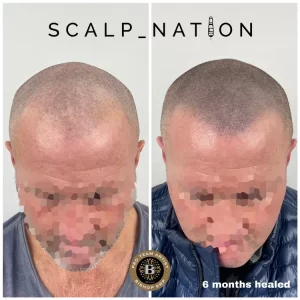
Head Tattoo for Alopecia: A Bold Solution for Hair Loss

forms of alopecia

Living with alopecia extends beyond physical hair loss – it profoundly affects self-image and confidence. This autoimmune condition, which causes partial or complete baldness, impacts millions worldwide, leaving many searching for solutions that restore not just appearance but self-assurance.

Enter head tattoo for alopecia, a revolutionary technique transforming lives. Unlike temporary solutions, scalp micropigmentation (SMP) creates a meticulously crafted illusion of hair follicles through precise tattooing methods. This innovative approach doesn’t attempt to regrow hair but instead recreates its appearance with remarkable realism.

Understanding Alopecia: Causes, Challenges, and Solutions

Alopecia strikes in various forms – circular patches with alopecia areata, complete scalp baldness with alopecia totalis, or the comprehensive loss of all body hair through alopecia universalis.

Your immune system turns traitor, attacking healthy hair follicles without cause. While genes load the gun, triggers like chronic stress, hormonal chaos, or environmental assaults often pull the trigger.

Common Causes:

  • Autoimmune dysfunction
  • Genetic predisposition
  • Severe psychological stress
  • Hormonal imbalances
  • Nutritional deficiencies
  • Certain medications

Daily Challenges:

  • Unwanted attention and stares
  • Constant self-consciousness
  • Weather anxiety (wind, rain exposing the scalp)
  • Dating insecurities
  • Workplace confidence issues
  • Limited hairstyling options

The mirror becomes an enemy. Social interactions transform into minefields of unwanted stares and whispered comments. Job interviews? Dating? Even grocery shopping? Each becomes a battlefield for self-confidence.

Traditional alopecia treatment UK options run the gamut – corticosteroid injections might work temporarily, while minoxidil offers limited regrowth for some but disappoints many. Wigs provide coverage but demand constant fidgeting and weather-watching.

Enter scalp tattooing for hair loss – a technique that doesn’t pretend to regrow what’s lost but instead creates something new: the convincing appearance of closely-cropped hair that remains unchanged through swimming, sleeping, or stormy weather. This breakthrough approach bridges the gap between temporary cosmetic fixes and the permanence that those with alopecia desperately seek. 

alopecia head tattoo

The Art Behind Alopecia Head Tattoos: A Blend of Skill and Precision

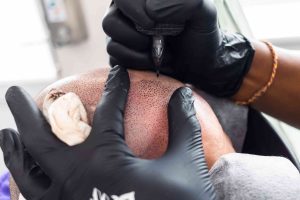
The creation of a convincing head tattoo for alopecia demands technical mastery far beyond conventional tattooing. Artists don’t simply apply ink – they craft an illusion that fools even the closest scrutiny. Each minute dot represents a hair follicle strategically placed to mimic natural growth patterns unique to each client.

Colour matching becomes an exacting science. Practitioners blend custom pigments to match not just your natural hair colour, but how that colour would appear when cropped extremely short. This nuanced approach considers skin tone, existing hair (if any), and even how the pigment will age over time.

The angle matters tremendously. Natural hair doesn’t sprout perpendicular to the scalp – it emerges at consistent angles that vary across different regions of the head. Head tattoos hair techniques replicate these subtle directional shifts, creating depth through deliberate imperfection rather than mechanical precision.

Density gradation proves equally crucial. Natural hairlines never begin abruptly but fade gradually. Artists at specialised clinics like Scalp Nation meticulously create this transition zone, placing dots closer together or further apart to achieve realistic density variation.

The process transcends mere cosmetic procedure – it’s reconstructive artistry. Each session builds upon the previous, allowing practitioners to adjust density, shade, and placement until the result appears completely natural. This patient, layered approach ensures the final result moves beyond simple camouflage to become virtually indistinguishable from actual, closely shaved hair, transforming lives beyond mere appearances.

Emotional Impact: How a Head Tattoo for Alopecia Boosts Self-Esteem

The transformative power of an alopecia head tattoo extends far beyond aesthetics – it rebuilds shattered confidence from the ground up. Recipients frequently describe the moment they first see their completed procedure as nothing short of life-changing.

For many, alopecia strips away control over their appearance and, by extension, their identity. Each morning brings the same harsh reminder in the mirror. The head tattoo for alopecia technique flips this narrative entirely, returning agency to those who’ve felt powerless against their condition.

Social anxiety often plagues those with visible hair loss. Simple activities – bending down to pick up dropped items, feeling a breeze against the scalp, or sitting under bright lighting – become sources of constant stress. Post-procedure, these everyday moments transform from anxiety triggers to unremarkable parts of daily life.

Professional relationships benefit markedly. Clients report renewed confidence in job interviews and workplace interactions, focusing on their skills rather than worrying about their appearance. The emotional freedom this creates cannot be overstated.

The scalp tattooing for hair loss process offers psychological closure that medical treatments often fail to provide. Rather than perpetuating the cycle of hope and disappointment that characterises many alopecia treatment journeys, it provides immediate, visible results and a definitive end to the search for solutions.

This emotional healing creates ripple effects throughout all aspects of life – from career advancement to personal relationships – as individuals reclaim the confidence that alopecia has stolen.

The Procedure: What to Expect Before, During, and After

The journey toward a head tattoo for alopecia begins with a comprehensive consultation. Practitioners assess your scalp condition, discuss your expectations, and create a treatment plan tailored to your specific needs. They’ll determine the ideal pigment shade, follicle density, and hairline design before proceeding.

The session breakdown:

  • First session – Establishing the foundational hairline and initial density layer (2-4 hours)
  • Second session – Building density and refining details (2-3 hours)
  • Final session – Perfecting the blend and addressing any inconsistencies (1-2 hours)

The tattooing itself feels like repeated light pinpricks rather than the deeper sensation of traditional tattooing. Most clients describe it as mildly uncomfortable rather than genuinely painful. Topical anaesthetics remain available for those with lower pain thresholds.

Post-procedure redness typically subsides within 24-72 hours. The Healing Guide provided outlines crucial aftercare steps to ensure optimal results. During the first week, you’ll need to:

  • Keep the tattooed area completely dry for 5 days
  • Avoid direct sunlight, swimming, and excessive sweating
  • Apply prescribed aftercare products exactly as directed
  • Sleep with a fresh pillowcase nightly

Complete healing takes approximately 28 days as the pigment settles and achieves its final appearance. During this period, the colour may initially appear darker before lightening to its permanent shade.

Potential side effects remain minimal with proper SMP alopecia treatment techniques. Some clients experience mild itching, temporary scabbing, or slight pigment fading, all manageable with proper aftercare.

Annual touch-up sessions maintain crispness and definition as pigments naturally fade slightly over time. These brief maintenance visits ensure your head tattoo for alopecia continues to look fresh and natural for years.
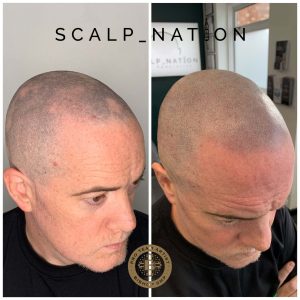
alopecia treatment

Embracing Confidence with an Alopecia Head Tattoo

Head tattoo for alopecia techniques offers permanence that other solutions simply can’t match. Unlike wigs that shift or medical treatments with uncertain outcomes, this approach provides consistent, predictable results day after day.

The psychological freedom of waking up already “ready” transforms daily routines. No more applying concealing powders, adjusting hairpieces, or worrying about windy weather exposing your secret. This reliability creates mental space for life’s more important aspects.

As Hair tattoo techniques continue advancing, outcomes grow increasingly refined. The stigma surrounding alopecia treatment in UK options diminishes as success stories spread. More practitioners now specialise exclusively in head tattoos hair procedures, elevating the field’s overall quality standard.

The investment extends beyond financial considerations. Recipients gain back countless hours previously spent managing appearances, redirecting that energy toward relationships, careers, and personal growth.

Most powerful, perhaps, is the permission to forget. The greatest gift of effective scalp tattooing for hair loss isn’t just looking better – it’s the freedom to stop thinking about appearances altogether. This mental liberation allows those with alopecia to reconnect with their pre-diagnosis selves, remembering who they were before appearance consumed their thoughts.

Fresh SMP vs Healed SMP: Understanding the SMP Process

healed smp

One of the primary issues with scalp micropigmentation (SMP) that worries most patients is how the procedure will appear both right after the procedure and after some time has passed. People who intend to use this groundbreaking technique to treat hair loss should know what to expect from the treatment from the first application to the last healed result. The transformation process of SMP offers a fascinating glimpse into how this modern cosmetic procedure adapts and settles to create a natural-looking result.

What is Scalp Micropigmentation? 

Scalp micropigmentation, also referred to as SMP is a process that aims to make an individual’s hair appear thicker. SMP works by adding coloured pigments onto the scalp in a dotted fashion that imitates hair follicles. This approach is preferred by many people suffering from baldness or hair loss. SMP does not require invasive surgery, and unlike hair implants, it is fast and provides optimal results without any significant healing time. 

But, how one gets to their final results is equally as relevant. The SMP process can be divided into two parts: the initial fresh SMP phase and the healed scalp micropigmentation phase. Most individuals are surprised at how different the final results are when comparing the pictures immediately after the treatment and the pigment’s final position days or weeks after. This article will discuss the scalp micropigmentation treatment process, detailing every step from the SMP healing process to prepare for your appointment and what happens after healing. Knowing the differences between the appearance before and after scalp micropigmentation is important for anyone considering the procedure or undergoing it as we speak. 

In this article, we will attempt to trace the evolution of the SMP style, identify the factors that influence the outcome of the treatment, and define the best long-term caretaking practices.

Main Differences Between Fresh and Healed SMP

The first thing you should understand is that the results will be vivid and sharp from the moment you get a scalp micropigmentation treatment. This is because the pigment rests on the skin and has not fully settled in. This stage is called fresh SMP, and it frequently looks darker than the final result.

As the SMP healing process begins, several changes occur. The scalp might be slightly irritated in the first few days, and the pigment can appear more intense. Over time, as the skin begins to heal, the pigment softens and blends more naturally with your hair. This is when you see the healed scalp micropigmentation result, which looks more realistic compared to a freshly applied one.

Additionally, one major difference is that as the skin heals, the pigment is bound to lighten slightly. This is all standard and expected as part of the scalp micropigmentation treatment process. Factors such as skin type, aftercare, and the number of treatment sessions completed will determine the final colour and appearance.

Being aware of these changes ensures that one’s expectations are realistic. Although fresh SMP could seem intense at first, the actual SMP style shows up after healing and leaves you with a natural and well-blended result.

What is Fresh SMP?

Fresh SMP refers to how your scalp looks immediately after the micropigmentation treatment. At this point, fresh scalp micropigmentation aftercare is very important. The pigment hasn’t settled yet, so the appearance is much darker and more unnatural than the outcome.

After the procedure, the ink sits on the uppermost surface of the skin, resulting in a colour that is very sharp and bold. Not to mention, the scalp can look slightly red or even have some irritation. And this is perfectly normal. The scalp has just undergone a cosmetic procedure, and therefore, some irritation is to be expected, which subsides in a few days.

A lot of individuals worry about the colour, which looks so strong at first. As the skin heals, like in the first month or so, the shade will soften, and the final result will start coming through. However, this stage is only temporary. The greatest change occurs during the first couple of weeks as the pigment settles into the skin.

What is Healed SMP?

Healed SMP is a state of the scalp around three to four weeks after the procedure when the pigment has settled in, and any redness or irritation has vanished. At this stage, the overall appearance bears a closer resemblance to the actual hair follicles, resulting in an even and natural look.

Perhaps the most obvious change is the gradual softening of the pigment. When the procedure is fresh, the ink appears bold and intense, but it lightens and starts blending with the person’s natural hair as the skin begins recovering. Fading in the harshly treated spots also occurs. This is a part of the body’s absorption and adaptation to the pigment. This is a normal part of healing processes and makes the result look much more realistic. 

The healed scalp is smooth and has no irritation. The outcome is stable and well-balanced with a preserved natural hairline or the effect of a shaved head. Even though healed SMP provides long-lasting results, some fading may occur. This is why, to keep the look well-defined, many people will need touch-up sessions every couple of years. 

This phrase helps in shaping the right expectations. The deep, dark, and bold appearance is only temporary, and the true final look emerges only after the skin has healed entirely.

Worried about how your fresh SMP looks?

Whether you’re considering SMP or already had treatment elsewhere and it looks too dark — Will Quaye, qualified Clinical Trichologist and multi-award-winning SMP artist, can review your case. Book a free consultation, in-person or via photos.

How to Properly Care for SMP?

Maintaining proper care after your scalp micropigmentation procedure is critical to getting optimal results and maintaining them for a long period. Proper aftercare promotes healing, which ensures the pigment settles nicely and looks natural over time. Here are some aftercare suggestions for both the first stage of healing and long-term follow-ups.

Immediate Aftercare (First Week)

Your scalp is very sensitive immediately after the procedure. It may look darker than expected and have some redness or irritation. Don’t worry, it is absolutely normal, follow these steps to encourage healing during this time.

  • Do not wash your scalp for 3-4 days. Shampoo and water can disturb the pigment that is trying to settle.
  • Avoid scratching and touching the area. The scalp is often itchy during the healing process, and touching can lead to uneven healing.
  • Avoid prolonged exposure to sunlight. If you plan on spending time outdoors, a cap or hat is ideal. UV rays can cause the pigment to fade rapidly.
  • Refrain from intense exercise. Excess sweating can directly affect the pigment in the skin.
  • Avoid saunas or swimming pools. Moisture of this type can disrupt the settling process.

Healing Stage (Weeks 2-4)

By the second week, you should start to notice the sensitivity of your scalp is decreasing, and the healing process should be underway. During this period: 

  • Gently cleanse your scalp using a soft, unscented soap. Remember not to scrub, as the skin is still in the process of adjusting.
  • Apply moisturiser to avoid excessively dry skin, which will cause flaking or differences in pigments.
  • Reduce the amount of time outdoors. While the skin is healing, excessive exposure to UV rays will cause the skin to fade too early. So make sure to apply lotion or wear a cap while outside.

Long-Term Care for the Best Results

Once the area has healed, maintenance is just as crucial as the aftercare to ensure the results last. To keep your before and after scalp micropigmentation transformation looking fresh, you should continue to:

  • Use a gentle cleanser.
  • Moisturise the scalp on a daily basis.
  • Restrict full exposure to the sun.

Additionally, schedule follow-up appointments because, over time, some pigments do fade. However, having a follow-up every few years guarantees a defined and natural appearance. 

If you want your scalp micropigmentation treatment to look sharp and fresh for years, your aftercare is important. Taking good care of your scalp serves more than just preserving the results. It helps in making the treatment seamless and long-lasting.

Get personalised aftercare guidance

Every scalp heals differently. Book a free consultation with Will Quaye to get advice tailored to your skin type, lifestyle, and treatment stage. In-person or video call, no obligation.

The Choice Depends on Your Goals

Making an informed decision about scalp micropigmentation requires understanding both the immediate and long-term aspects of the treatment. When you first undergo the procedure, the initial appearance might seem strikingly bold – this fresh SMP phase is entirely normal and temporary. The dots appear more pronounced and darker as the pigment sits on the surface of your scalp, but this intensity gradually softens into a more natural look over the following weeks.

Understanding Your Desired Outcome

Finding whether this cosmetic treatment satisfies your wants depends on your own ambitions and expectations. Some people might be worried about their initial results because the look may seem too overwhelming. Understanding that the process involves multiple steps can alleviate these problems. Once the pigments settle and blend into the skin, a subtle and realistic look that emulates hair follicles occurs.

It’s vital to assess the desired results before proceeding with the treatment. Do you wish to achieve a fuller head of hair? Or are you simply looking to cover up certain specific balding areas? Your specific requirements will determine the approach used during the procedure, such as the level of pigmentation and the manner in which it will be applied.

healed scalp micropigmentation

Taking the Next Step Toward Your Transformation

Consulting with a skilled practitioner is extremely helpful before making your decision. A practitioner in the field will scrutinise your scalp condition, set your expectations, and explain the dynamic changes the fresh SMP will undergo in a period of time. They can illustrate the initial and healed results, further enabling you to understand the SMP procedure. With their experience, they guarantee that the SMP process is perfectly planned to obtain specific targets while ensuring a natural look.

The transformation from a fresh application to a complete one is a long and tedious process that requires a lot of care and time, but in the end, you will surely feel very confident, as the results are noteworthy. Experts can give you a good head start on getting the results you are hoping for by first conducting a professional consultation to better assess your specific goals.

Take the next step — book a free consultation

Will Quaye — qualified Clinical Trichologist (Institute of Trichologists), multi-award-winning SMP artist. Scalp assessment, expectations discussion, personalised treatment plan. Thirty minutes, in-person or video call, no obligation.

The Best Guide Scalp Micropigmentation For Hair Loss In 2025

scalp micropigmentation hair loss

Hair loss affects two-thirds of men by age 35, climbing to 85% by age 50. Traditional solutions often fall short, leaving many searching for permanent alternatives. Scalp micropigmentation for hair loss has emerged as a revolutionary non-surgical option, creating the illusion of natural hair follicles through precise tattooing techniques. In this article, we will reveal everything you need to know about this permanent hair loss solution.

Key Takeaways

  • Scalp micropigmentation is a specialised tattooing technique that replicates hair follicles
  • Ideal candidates include those with pattern baldness, alopecia, and transplant scars
  • Real advantages, like immediate results, versus limitations, such as styling restrictions
  • Three-session treatment process with a specific timeline and pain expectations
  • Aftercare requirements that protect your investment and ensure longevity
  • Practitioner selection criteria that separate experts from inexperienced providers
  • 2025 pricing landscape and cost considerations for budgeting decisions

What Is Scalp Micropigmentation and How Does It Work?

Scalp micropigmentation represents a specialised form of medical tattooing designed specifically to address hair loss. This technique involves depositing thousands of tiny pigment dots into the upper dermis layers of the scalp, creating a convincing illusion of closely-shaved hair or enhanced density for thinning areas.

The process differs dramatically from conventional tattooing. SMP treatment utilises micro-needles that are 75% smaller than standard tattoo needles, allowing practitioners to create dots virtually indistinguishable from natural hair follicles. These specialised 3-point needles penetrate just 0.5-1.2mm into the skin – significantly shallower than traditional tattoos that reach 1-2mm or deeper.

Digital rotary machines control every aspect of the procedure with computer precision. Speed, needle depth, and vibration levels can be adjusted to match the delicate requirements of scalp work. This technological precision enables artists to vary dot sizes and spacing, replicating the natural randomness of real hair growth patterns.

SMP for hair loss works through a pointillism approach rather than continuous lines. Each dot represents an individual follicle, strategically positioned to mirror natural growth directions unique to different scalp regions. The pigments themselves are specially formulated to resist colour changes over time, preventing the blue or green tints that can occur with improper tattooing techniques.

The results create a permanent buzz-cut appearance that withstands swimming, sweating, and weather conditions while requiring minimal daily maintenance.

Hair Tattoo

Who Makes the Perfect Candidate for SMP Treatment?

Not everyone suits SMP for hair loss, but the range of suitable candidates might surprise you. Men experiencing male pattern baldness represent the most common recipients. The technique works exceptionally well for creating natural-looking buzz-cut appearances when follicles have surrendered to DHT’s relentless assault.

Those battling alopecia find SMP treatment transformative. Circular patches that appear without warning become seamlessly blended canvas. The technique adapts brilliantly to unpredictable alopecia patterns, unlike treatments requiring consistent hair growth.

Previous hair transplant recipients often discover scalp micropigmentation addresses lingering concerns. FUT and FUE procedures sometimes leave visible scarring or patchy density. SMP camouflages these imperfections while enhancing overall coverage.

Surprisingly, people with existing hair benefit tremendously. Thinning crowns or temples receive instant density boosts without surgical intervention. The treatment adds visual thickness that photographs beautifully and survives close scrutiny.

Age becomes less restrictive than many assume. Practitioners typically recommend waiting until hair loss patterns stabilise, usually after 25-30. However, older clients often achieve outstanding results regardless of advanced balding.

SMP for hair loss works across all skin tones, though darker skin requires patience as contrast develops gradually through layered sessions. Active lifestyles actually favour this treatment – swimming, sports, and travel become worry-free once healing is complete.

scalp micropigmentation aftercare

What Are the Real Benefits and Drawbacks of Scalp Micropigmentation for Hair Loss?

Scalp micropigmentation for hair loss delivers genuine advantages alongside some limitations that every candidate should understand before committing. The treatment excels in specific areas while falling short in others.

BenefitsDrawbacks
Immediate transformation – visible results after first sessionLimited styling options – restricted to a buzz-cut appearance
Weather-proof results – swimming, rain, wind won’t affect appearanceTouch-up requirements – needs refreshing every 3-5 years
No surgical risks – non-invasive procedure with minimal complicationsPermanent commitment – laser removal required if preferences change
Universal application – works regardless of donor hair availabilitySun sensitivity – requires UV protection to prevent premature fading
Minimal daily maintenance – simply shave and goHealing restrictions – 28-day exercise limitations post-treatment
Cost-effective long-term – lower lifetime costs than medicationsColour matching challenges – darker skin tones need patient layering

SMP for hair loss shines brightest for men seeking low-maintenance solutions. Active lifestyles benefit enormously once healing completes. The treatment sidesteps surgical complications while delivering consistent results that photograph beautifully and survive close examination.

However, scalp micropigmentation demands realistic expectations. Men dreaming of flowing locks or frequent style changes should consider alternatives. The commitment level resembles getting a large tattoo – beautiful results require accepting permanent alterations to your appearance.

The decision often hinges on lifestyle priorities. Convenience and reliability versus styling flexibility define most choice-making processes.

How Many Sessions Will You Need and What Should You Expect?

Most SMP treatment journeys unfold across three carefully spaced appointments, each building upon the previous work. This staged approach prevents over-darkening while allowing your skin to heal properly between sessions.

Session One: Foundation Building (2-4 hours)

Your practitioner establishes the hairline and creates basic coverage across targeted areas. Expect lighter pigmentation than your final result – this conservative approach allows for adjustments. Redness and minor soreness typically subside within 24-72 hours.

Session Two: Density Development (2-3 hours)

Scheduled 1-2 weeks after your first appointment, this session adds depth and refines colour matching. SMP for hair loss really takes shape here as the realistic density emerges. Most clients notice a dramatic transformation after this stage.

Session Three: Final Perfection (1-2 hours)

The longest gap, typically 3-4 weeks, precedes your final appointment. This session handles detailed touch-ups and achieves your desired density. Any minor adjustments to hairline shape or colour happen here.

Discomfort remains surprisingly manageable throughout SMP. Most clients rate pain between 2-5 on a ten-point scale. Taking short breaks during longer sessions helps maintain comfort levels.

Recovery between sessions demands patience. Avoid sweating for four days and skip strenuous exercise for 28 days to protect pigment retention. This timeline protects your investment and ensures optimal results.

smp treatment

What Does Proper SMP Aftercare Look Like?

Protecting your scalp micropigmentation for hair loss investment requires disciplined aftercare that evolves through distinct healing phases. Neglecting these guidelines compromises pigment retention and potentially requires costly correction sessions.

First 4 Days: Critical Protection Phase

SMP results depend heavily on this initial period. Avoid sweating completely – salt in perspiration damages fresh pigment deposits. Skip hot showers, saunas, and steam rooms. Gentle hair washing with lukewarm water becomes acceptable after day three.

First 28 Days: Healing and Integration

Exercise restrictions continue through this month-long phase. SMP treatment areas need complete healing before resuming strenuous activities. Swimming pools and oceans remain off-limits due to chemical and bacterial exposure.

Your scalp will scab naturally – resist picking at any point. These scabs protect developing pigment and prevent infection. Moisturise gently with recommended products only.

Long-term Maintenance Guidelines

Sun protection becomes a lifetime practice. UV rays accelerate fading, potentially shortening the time between touch-up sessions. Quality sunscreen or hat-wearing preserves your scalp micropigmentation results.

Regular moisturising maintains scalp health and pigment appearance. Harsh shampoos containing sulfates can strip protective oils. Choose gentle, pH-balanced products that won’t compromise your investment.

Touch-up appointments every 3-5 years keep results looking fresh and maintain that undetectable appearance that makes SMP so appealing.

What Will SMP Cost You in 2025?

SMP treatment pricing reflects the specialised expertise required for natural-looking results. Costs vary dramatically based on coverage area, complexity, and practitioner experience. Understanding these factors helps set realistic budget expectations.

Treatment TypePrice Range (£)Best For
Small patches/scars£800 – £1,500Transplant scars, alopecia spots
Hairline restoration£1,000+Receding hairline correction
Male pattern baldness£2,450 – £3,000Complete crown and hairline work
Full head coverage£2,000 – £3,500Advanced balding cases
Density enhancement£2,500 – £3,500Thinning hair areas
Existing client touch-upsFrom £350Maintenance sessions

Payment structures make scalp micropigmentation for hair loss more accessible. Most clinics require small booking deposits with remaining costs split 50/50 between your first and second sessions. Finance options launching in 2025 will provide additional flexibility.

SMP represents excellent long-term value compared to ongoing medication costs or multiple hair transplant procedures. Quality practitioners command premium prices, but experienced artists deliver results worth the investment. Cheap options often require expensive corrections later.

Get an honest quote for your case

SMP pricing depends on coverage area, density needs, and your existing hair. Book a free consultation with Will Quaye — qualified Clinical Trichologist and multi-award-winning SMP artist — for an accurate figure tailored to your specific case. No obligation.

How Do You Choose the Right SMP Practitioner in 2025?

Finding skilled practitioners separates transformative results from disappointing experiences. Look beyond fancy websites and focus on clinical qualifications – SMP for hair loss demands specialised training that standard tattoo artists rarely possess.

Examine before-and-after portfolios critically, paying attention to hairline naturalness and colour matching across different skin tones. Quality practitioners showcase diverse client results rather than perfect lighting scenarios. Ask about their trichology training – understanding scalp health separates true specialists from basic technicians.

Scalp micropigmentation requires ongoing relationships, not one-time transactions. This dual expertise becomes evident with our practitioner Will Quaye, whose Clinical Trichologist qualification complements his Level 4 SMP artistry. His three industry awards and Bishop SMP ambassador status reflect the specialised knowledge that produces “undetectable” results across diverse client needs.

Ready to explore your options?

Ready to explore your options?

Will Quaye is a qualified Clinical Trichologist (Institute of Trichologists), multi-award-winning SMP artist, and one of only 4 UK Bishop SMP ambassadors. Book a free consultation to discuss your specific hair loss pattern — in-person or video call, no obligation.

FAQ

How long does scalp micropigmentation last before needing touch-ups? 

Most SMP treatments maintain optimal appearance for 3-5 years before requiring touch-up sessions. Factors like sun exposure, skin type, and aftercare quality influence longevity.

Is SMP suitable for all skin tones and hair colours? 

SMP works effectively across all skin tones, though darker skin requires patience as contrast develops gradually through layered sessions. Practitioners can match virtually any natural hair colour.

Can SMP be removed if I change my mind about the treatment? 

Yes, SMP removal uses laser technology similar to tattoo removal, though multiple sessions are typically required. The shallow pigment placement often makes SMP easier to remove than conventional tattoos.

How does SMP compare to hair fibres or concealer products for daily use? 

SMP provides permanent results that won’t wash off, blow away, or require daily application like hair fibres. Unlike temporary concealers, SMP maintains a consistent appearance through swimming, sweating, and weather conditions.

What happens if I continue losing hair after getting SMP treatment? 

Continued hair loss around treated areas can create a visible contrast between pigmented and newly bald sections. Touch-up sessions can extend coverage to maintain seamless blending as your natural hair loss progresses.

Complete Day-by-Day Guide to SMP Aftercare in 2026

smp hair treatment

Getting the procedure right is only half the work. What happens in the weeks that follow determines how long your results actually last. 

So, we created this guide to cover everything, from the first 24 hours through to long-term maintenance, so you know exactly what to do, what to avoid, and which products to reach for at each stage of SMP aftercare.

Key Takeaways

  • The first 72 hours set the foundation for your results. Small mistakes during this window create consequences that last for years.
  • Specific pH-balanced cleansers and balm are required from day 2 — standard hair products are not suitable yet.
  • Product choice affects longevity more than most clients expect. The wrong shampoo fades pigment faster than years of normal wear.
  • Sun protection shifts from a healing measure to a permanent daily habit after the first month.
  • Between-session care carries just as much weight as post-final-session care.

Why Hair Care Transforms After SMP Treatment

Standard hair products and washing routines are designed for hair, not for pigmented skin. Harsh detergents, exfoliating ingredients, and even hot water affect the stability of fresh pigment in ways most people don’t anticipate. The scalp faces challenges that other tattooed areas don’t: constant sun exposure, frequent washing, and thin skin that reacts quickly to the wrong choices.

Poor scalp micropigmentation aftercare creates problems that are expensive to correct. Fading accelerates. Uneven healing requires correction work. Some clients see patchy results within months, simply because of product habits that seemed harmless at the time.

Good SMP aftercare, on the other hand, directly extends the life of your results. Clients who follow proper protocols report better colour retention, longer intervals between touch-ups, and satisfaction that holds up years after their final session.

Day-by-Day SMP Aftercare Instructions 

First 24 Hours

What to expect: Some redness and minor swelling around the treated area. Both are a normal response to the procedure and typically subside within 24 hours.

This window is purely about leaving the scalp alone. The skin needs to begin natural wound healing without interference from any external product or activity.

✅Do:

  • Rest and keep the scalp completely dry
  • Sleep on a clean pillowcase

❌Don’t:

  • Touch or scratch the treated area
  • Shower over the scalp
  • Apply any product whatsoever
  • Go into direct sunlight (throughout all sessions)
  • Exercise or do anything that causes sweating (throughout all sessions)
  • Shave

Days 2–4

What to expect: Redness continues to settle. Light scabbing may begin to form — this is normal. Do not pick at it.

From the 24-hour mark, a specific cleansing and balm routine begins. This is the stage where product choice matters most.

✅Do:

  • Wash hands thoroughly before touching the scalp
  • Cleanse the treated area with Micro Tonic or Micro PH 5.5 Scalp Cleanser
  • Apply a thin coat of Micro Balm 5.5 SMP using a cotton bud — a pea-sized amount is sufficient
  • Repeat the cleanse-and-balm routine two to three times daily
  • Always cleanse before applying balm — never the other way around

❌Don’t:

  • Shower directly over the treated area
  • Wear hats — friction and trapped moisture disrupt pigment before it has bonded properly
  • Shave until day 5

Days 5–7

What to expect: Scabbing begins, flaking off naturally. The treated area may look darker than expected at this stage, that settles over the coming weeks.

✅Do:

  • Shave for the first time (day 5 is the earliest safe point — use a clean blade, light pressure)
  • Wear loose, soft, breathable hats from day 5 onwards for sun protection
  • Continue the cleanse-and-balm routine

❌Don’t:

  • Do heavy exercise or anything producing significant sweat, salt in perspiration actively works against pigment retention
  • Wear tight-fitting caps with hard inner bands or rough fabrics pressing on the treated area

Week 2

What to expect: Most visible healing has settled. Some itching is normal as the deeper skin layers continue to regenerate.

✅Do:

  • Begin gentle washing of the treated area (product guidance sits in the recommended products section below)
  • Introduce moisturising around day 7–10, once initial scabbing has fully resolved

❌Don’t:

  • Swim, use saunas, or use steam rooms (avoid for one full month after your final session)
  • Do heavy exercise (avoid for 14 days after your final session)

Note: these timelines run from your final session, not your first. Treat each session as a fresh start for the shorter-term rules.

Weeks 3–4

What to expect: The scalp feels largely normal. Pigment may appear lighter than expected — this is part of the settling process, not a sign that something has gone wrong.

✅Do:

  • Shave every one to two days to maintain a blended appearance between existing hair and the SMP
  • Introduce SPF once the 30-day sun avoidance period ends — from this point, it becomes a permanent daily habit

❌Don’t:

  • Resume swimming, saunas, or steam rooms until the full month post-final-session has passed

What to Do Between SMP Sessions 

Most clients complete three sessions spaced roughly one to two weeks apart for the first two, then three to four weeks between the second and third. The SMP aftercare rules between sessions follow the same structure described above, but how the scalp responds may shift across the process.

After session one, treat the scalp exactly as described in the day-by-day guide. This is the period where the skin reacts to the process for the first time, and pigment retention depends almost entirely on what happens in the first week.

After session two, the scalp has already completed one full healing cycle. Redness tends to resolve faster and the process generally feels more familiar. The cleanse-and-balm routine and the restrictions on sweat, sun, and water all still apply for the same initial timeframes. The key difference is that your practitioner will assess pigment retention at this session and adjust the approach based on what healed well and what needs building on — which means what you did during the first healing period directly influences the decisions made in the room.

Between sessions two and three, the longer gap gives the skin a full opportunity to settle. Many clients notice what appears to be significant fading during this window and assume something has gone wrong. However, the pigment lightening as the skin heals over it is entirely normal.

Recommended SMP Aftercare Products

The products used during and after healing have a direct bearing on how long results last. In this section, we want to cover what to look for across each category — and what to avoid.

SMP Aftercare Moisturiser

Introduce moisturising around seven to ten days post-treatment, once initial scabbing has resolved on its own. Starting too early interferes with healing. Waiting too long allows dryness that affects pigment integration.

A good SMP aftercare moisturiser should be:

  • Fragrance-free and free from harsh preservatives
  • Formulated to absorb completely, leaving no greasy residue
  • Matte in finish — any product that creates shine on the scalp draws attention to the treatment rather than letting it blend

Apply a thin, even layer using clean hands. Two to three times weekly suits most clients, though dry scalps may need slightly more frequent application. Adjust based on how the scalp feels rather than following a rigid schedule.

Best Shampoo for SMP

Shampoo choice affects pigment longevity more than most clients realise. Aggressive formulas gradually break down the bond between pigment and tissue, creating fading that looks uneven rather than natural.

Ingredients to avoid:

IngredientWhy It’s Problematic
Sodium lauryl sulfate (SLS)Strips pigment bonds aggressively
Salicylic acidExfoliates skin, accelerates fading
Clarifying agentsDesigned to strip — too harsh for treated scalps
Heavy artificial fragrancesCause sensitivity reactions in healing skin

Look for gentle, sulfate-free formulas with a balanced pH. Wash with lukewarm rather than hot water — heat opens pores and affects pigment stability over time. Use fingertips in slow circular motions, pat dry rather than rub.

Washing every other day suits most clients. Oily scalps may need daily cleansing; others extend comfortably to every third day. Find the frequency that keeps the scalp clean without over-stripping it.

Sun Protection

After the initial 30-day avoidance period, a broad-spectrum SPF 30 or higher belongs in the daily routine. Choose a formula designed for scalp or skin use that absorbs fully without leaving any white cast — product sitting visibly on the scalp affects how the SMP reads in natural light.

smp treatment

Long-Term Scalp Micropigmentation Aftercare 

Once healing is complete, scalp micropigmentation aftercare shifts from a strict protocol to a set of sensible daily habits. Three things matter most.

  • Sun protection, every day. 

The majority of premature fading comes from UV exposure, and it accumulates gradually rather than all at once. British summers, winter snow reflection, and spring sunshine all contribute in ways that catch people off guard.

  • Consistent, gentle washing. 

The shampoo guidance from the products section above applies indefinitely. The scalp is an ongoing environment for the pigment, and what touches it regularly determines how well colour holds over years rather than months.

  • Seasonal adjustments. 

Indoor heating in winter creates dryness that increases how often moisturising is needed. Summer humidity can reduce it. Pay attention to how the scalp looks and feels across the year and adapt accordingly.

How Often Do You Need Professional SMP Maintenance?

Daily care handles routine upkeep. Professional assessment keeps your SMP treatment performing at its best over the long term, catching what daily habits cannot. 

Most clients benefit from a check-in with their practitioner around 12 to 18 months after their final session. This doesn’t mean corrective work is automatically needed — it means expert eyes can identify early shifts in colour, density, or texture before they become noticeable from the outside.

Touch-ups typically fall every three to five years for clients following proper SMP aftercare protocols. Those who skip sun protection or use harsh products regularly find they need correction work sooner.

Returning to the original practitioner carries a specific advantage. They know your skin type, the pigments used, and the exact technique applied. That knowledge enables far more precise maintenance decisions than starting fresh with someone unfamiliar with your history.

12-18 months since your SMP? Time for a check-in

Book a free assessment with Will Quaye — for top-up planning, touch-up timing, or expert eyes on how your work is aging. Works for SMP done at Scalp Nation or elsewhere.

Your Path to Lasting Confidence

Aftercare discipline transforms a procedure into a long-term solution. The effort required during those first critical weeks pays back through years of results that hold, fewer touch-ups, and a daily routine that eventually becomes second nature.

The investment you made in the treatment deserves a matching commitment to maintaining it. Follow the day-by-day guidance, choose products that support rather than undermine the pigment, protect from the sun consistently, and check in with your practitioner at the right intervals.

Book a free consultation with our team to discuss your specific needs and get personalised aftercare guidance suited to your treatment and lifestyle.

FAQ

Use a pH-balanced cleanser and SMP-specific balm from day 2. Introduce a fragrance-free matte moisturiser around day 7–10. Switch to a sulfate-free shampoo for ongoing washing, and add a clear broad-spectrum SPF as a daily habit from day 30 onwards.

Keep the scalp bone dry for the first 24 hours. From that point, the cleansing routine begins — but direct showering over the area, swimming, and any activity producing significant sweat should still be avoided for the first four to five days minimum.

Day 5 is the earliest safe point to shave. Keep the blade clean and use light pressure over treated areas. From here, shaving every one to two days helps maintain the natural blended appearance between your existing hair and the SMP.

Avoid swimming, saunas, and steam rooms for one full month after your final treatment session. Chlorinated water and heat both affect pigment retention during the healing period.

Normal signs include mild redness lasting one to three days, light scabbing that flakes off naturally within the first week, some itching during skin regeneration, and visible darkening that settles gradually to the final shade. Contact your practitioner promptly if you notice excessive swelling, pus, severe pain, or any signs of infection, such as red streaking or persistent fever.

Tattoo Hair vs. Hair Transplants: Which Is Better

hair transplant

Losing your hair? You’re definitely not alone. Millions across Britain wake up each morning noticing more scalp showing through. Traditional remedies often fall short, leaving people searching for permanent fixes. Two main options keep coming up in conversations: hair tattoos (scalp micropigmentation) and hair transplants. Both claim they’ll sort out your hairline troubles, but they couldn’t be more different in practice. Knowing these differences helps you pick what actually works for your situation.

Key Takeaways

  • How quickly you see results: Hair tattoos show changes straight away, hair transplants take 6-18 months for the full effect
  • What you’ll pay: Hair tattoos run £2,500-£6,000 typically, hair transplants can hit £4,000-£30,000
  • Pain factor: Hair tattoos feel like mild scratching (2-5 out of 10), transplants mean proper surgical recovery
  • Who can get them: Hair tattoos suit everyone regardless of remaining hair, transplants need enough donor follicles
  • Upkeep needed: Hair tattoos want touch-ups every 3-5 years, transplants might need extra sessions later
  • Daily life impact: Hair tattoos let you carry on normally, transplants mean weeks of being careful
  • Style choices: Hair tattoos give you that close-shaved look, transplants let hair grow longer

How to Deal With The Problem of Hair Loss?

Hair starts disappearing and suddenly every mirror becomes your enemy. Confidence takes a proper beating. Around 6.5 million blokes in Britain deal with male pattern baldness, whilst roughly 8 million women face thinning hair too. This goes way beyond just looks – it messes with job interviews, dates, even grocery shopping becomes awkward.

The usual suspects promise much but deliver little. Minoxidil might help some people, though you’ll be applying it forever. Finasteride blocks the hormones causing trouble but brings its own baggage. Wigs work until the wind picks up or you fancy a swim.

Two modern options actually tackle the problem head-on. Hair tattoos and hair transplants both offer permanent answers, though they go about it completely differently. Hair tattoos are getting massive attention from British patients because they’re straightforward and they work. No months of healing, no complicated aftercare routines.

Which one suits you depends on your circumstances, how you live, and what you’re hoping to achieve. Both have their strengths, but they solve different parts of the hair loss puzzle.

What are Hair Tattoos?

Think of hair tattoos as incredibly clever artistry. Scalp micropigmentation uses tiny needles to place dots of pigment just under your skin’s surface. Each dot looks exactly like a hair follicle would if you’d just had a proper close shave.

You’ll need 2-3 appointments spread out over a few weeks. During each visit, the practitioner matches the pigment perfectly to your natural colouring and skin tone. The needles are much smaller than regular tattoo equipment, so it’s more like someone gently scratching your scalp than proper pain. Most people say it’s no worse than getting a filling at the dentist.

Changes show up immediately after your first session. By the second appointment, the transformation is often dramatic. This technique handles any type of hair loss brilliantly – receding hairlines, bald patches, even complete baldness. Hair tattoos also hide scars beautifully, whether from accidents or previous hair transplant surgery.

Professional SMP uses different pigments than regular tattoos. These stay true to colour over time, avoiding those awful blue-green tints that sometimes happen with standard tattooing. When done properly, hair tattoos fool everyone – even your barber won’t spot the difference.

Perfect for anyone wanting instant improvement without going under the knife. The finished result looks like you’ve just had the world’s best buzz cut.

What is a Hair Transplant?

Hair transplant surgery moves healthy follicles from the back and sides of your head to areas that have gone bald. Surgeons use two main methods: FUE (taking follicles one by one) and FUT (cutting out a strip of scalp). Both need local anaesthetic and can take most of a day.

The surgical side means proper aftercare. Prescribed medicines, gentle washing, no heavy lifting or exercise. Most people need at least a week off work, sometimes two.

Here’s what recovery looks like:

  • First few days: Bandages stay put, minimal movement allowed
  • Week one: Careful hair washing starts, scabs form around new grafts
  • Weeks 2-4: Stitches come out, still no gym or sports
  • Months 2-4: New hair falls out (this is normal, don’t panic)
  • 6-12 months: Fresh growth finally appears
  • 12-18 months: You see the final results

Costs vary wildly based on how many grafts you need. Small jobs might cost £4,000, extensive work can reach £15,000 or more. Many people need multiple sessions to get the density they want, especially if hair loss is advanced.

Success depends on your surgeon’s skill, the clinic’s standards, and how well you heal. Some studies claim 90% success rates, but real-world results differ massively between different providers.

hair tattoos

Benefits of Hair Tattooing

Instant Results Without the Wait

Hair tattoos work immediately. You leave the clinic looking completely different, no months of wondering if it’ll work out. No recovery time keeping you off work or away from the gym. Within a couple of days, you’re back to normal routines.

Sensible Money

The numbers speak for themselves. Complete hair tattoo treatments cost £2,500-£6,000, way less than quality hair transplants. No surprise bills for medicines, complications, or follow-up surgeries. You know exactly what you’re paying upfront.

Works for Everyone

Hair tattoos don’t care how much hair you’ve got left. Advanced baldness, failed transplants, not enough donor hair – none of this matters. The technique adapts to any situation.

Comfortable and Safe

No surgery means no surgical risks. Most people rate the discomfort somewhere between getting a haircut and a dental cleaning. No cuts, no stitches, no tissue removal. Just precise dots creating realistic results.

Fits Your Life

Active people love this aspect. Swimming, football, whatever you’re into – it all carries on as normal. No special shampoos, careful sleeping, or avoiding certain activities. Rain, shine, or snow – your new hairline stays perfect.

The technique suits British weather perfectly too. No more hat strategies or avoiding windy days.

Disadvantages of Hair Transplantation: Why is it Difficult?

Money Troubles

Hair transplant UK prices often shock people. Quality procedures cost £4,000-£30,000, often needing payment plans. Then come the extras: special shampoos, medicines, dealing with complications. Many underestimate the true cost.

Limited by What You’ve Got

Transplants only work if you’ve got enough healthy hair to move around. People with extensive baldness often can’t get treatment at all. The surgery essentially steals from one area to help another, sometimes creating new thin patches.

Long Recovery with Risks

Healing takes weeks of careful management. Time off work, no exercise, social plans on hold. Things can go wrong too:

  • Infections needing antibiotics
  • Grafts failing leaving patchy results
  • Unnatural appearance from inexperienced surgeons
  • Visible scarring especially with strip methods
  • Ongoing hair loss around transplanted areas

Uncertain Outcomes

Even expensive procedures don’t guarantee results. Graft survival varies between people, and you might hate the final look despite spending thousands. Some need multiple surgeries to get decent coverage, doubling or tripling costs.

Waiting over a year for final results creates serious anxiety. Unlike hair tattoos’ immediate satisfaction, hair transplants demand endless patience with no guarantees.

Explore an alternative — free consultation

Not sure if SMP is right for your case? Book a free 30-minute consultation with Will Quaye — qualified Clinical Trichologist and multi-award-winning SMP artist. Honest assessment, no surgical risks, no obligation.

Who is Suitable For Hair Tattoos?

Hair tattoos work for almost everyone dealing with hair loss. Early thinning gets camouflaged brilliantly, whilst advanced baldness gets completely transformed. The treatment suits people who’ve got scars from accidents, previous surgery, or medical conditions.

Perfect candidates:

  • Busy professionals who can’t take weeks off work
  • People watching their budget wanting permanent results without huge expense
  • Those preferring short styles or the buzz-cut look
  • Anyone tired of unrealistic transplant promises
  • People wanting immediate confidence without surgical drama

Age rarely matters with hair tattoos, unlike hair transplants which need you to wait until your hair loss pattern settles. Young people experiencing early baldness can sort things out immediately rather than suffering for years.

The treatment particularly suits people who’ve looked into hair transplants but feel uncomfortable about surgery, long recovery times, or unpredictable results.

hair transplants

Why Hair Tattoos Are The Best Choice

Hair tattoos make sense for modern life. They combine effectiveness, reasonable cost, and convenience in ways hair transplants simply can’t match. The instant transformation eliminates all that worry and uncertainty that comes with surgical approaches.

Think about the practical benefits: no time off work, no activity restrictions, no surgical complications, and clear pricing. Results appear immediately and get better with each session, building confidence steadily rather than requiring months of hope.

The versatility handles any hair loss stage. Early thinning or complete baldness – hair tattoos provide effective answers. They enhance existing hair beautifully or create full coverage when you’ve barely got any follicles left.

Professional hair tattoo treatments give you:

  • Immediate confidence boost through visible changes
  • Better value long-term compared to multiple procedures or endless treatments
  • Complete lifestyle freedom without maintenance hassles or weather worries
  • Reliable outcomes removing uncertainty and disappointment

Investing in professional hair tattooing pays off through restored confidence and simplified daily routines. No more strategic hat wearing, avoiding certain lighting, or panicking about weather. Being able to forget about your hair completely? That’s the real victory.

Ready to invest in professional hair tattoo?

Will Quaye — qualified Clinical Trichologist (Institute of Trichologists), multi-award-winning SMP artist, and one of only 4 UK Bishop SMP ambassadors. Book a free consultation to discuss your goals, get an honest quote, and see if SMP fits your case.

FAQ

How long do hair tattoo results last compared to hair transplants?

Hair tattoos need refreshing every 3-5 years to keep looking sharp, whilst transplanted hair is meant to be permanent but might need extra procedures if your natural hair keeps thinning. The pigments fade gradually over time, so maintenance sessions keep everything looking fresh and well-defined.

Can hair tattoos be combined with existing treatments?

Absolutely. Hair tattoos work brilliantly alongside other hair loss treatments. They can boost the appearance of hair transplants by filling gaps between grafts, hide scars from previous procedures, or team up with medicines like finasteride and minoxidil to create fuller-looking coverage whilst those treatments do their work.

Do hair tattoos look natural on different skin tones?

Experienced practitioners excel at matching pigments to individual skin colours and hair tones, ensuring natural results regardless of ethnicity. The secret lies in choosing skilled technicians who understand colour matching and have extensive portfolios showing successful treatments across diverse skin types.

What happens if I want to change my hairline shape later?

Hair tattoos offer plenty of flexibility for future changes. Skilled practitioners can adjust hairlines, add density elsewhere, or even remove sections using laser treatment if needed. The modular approach allows for evolution with changing preferences or natural hair loss progression.

Are there any medical conditions that prevent hair tattooing?

Very few medical conditions completely rule out hair tattooing, though practitioners typically avoid active scalp infections, severe scarring, or people prone to raised scar formation. Most health conditions don’t interfere with the procedure, making it accessible to people who might not qualify for surgical options.

SMP Hair: Everything You Need to Know Before Making a Decision

Result of the SMP procedure on a patient

One of the most innovative treatments for hair loss is scalp micropigmentation (SMP). As an alternative to band-aid fixes or invasive treatments, SMP is permanent and non-surgical, giving the illusion of additional hair on the head. The process creates a realistic and natural appearance that blends in perfectly with your current hairline by simulating hair follicles with certain colors.

The effect that SMP has on self-confidence is among its most important advantages. Hair loss often causes feelings of uneasiness or discontent, but SMP can help restore confidence and control. Through the creation of natural results and an improved appearance, SMP helps people feel more comfortable and secure in their own skin.  It’s a useful, efficient way for anyone to get their confidence back.

What is SMP Hair Treatment?

Scalp micropigmentation (SMP) is a state-of-the-art cosmetic procedure that simulates the appearance of hair follicles. The process creates minuscule areas on the scalp that mimic real hair follicles by applying customized pigments with tiny needles. By appropriately stacking these hues, SMP for hair creates the illusion of a finely shaved hairstyle or broader, fuller coverage. From pigment application to color matching, every detail is meticulously tailored to your unique skin tone and natural hair color to create a smooth and realistic look.

The distinctive feature of SMP Hair is that it is not a hair transplant. Scalp micropigmentation combines creativity and precision to create the appearance of hair, as opposed to grafting hair or encouraging regeneration. This makes it an excellent option for those who are coping with thinning hair, receding hairlines, or even complete baldness, regardless of the underlying cause. Alopecia, hereditary hair loss, and scars can all be effectively and adaptably treated with tattoo hair.

In addition to its technical benefits, SMP offers significant psychological benefits. It can drastically change how people see themselves by giving the impression of a well-defined hairline or wider covering. A lot of clients report feeling more assured and content with their appearance once more. Hair micropigmentation is a long-lasting, low-maintenance option that helps patients regain their confidence when it comes to concealing up scars or improving thinning areas.

Result of the SMP procedure on a patient

Who is SMP For?

Scalp micropigmentation (SMP) is a multipurpose therapy that can be applied to both men and women to address a range of hair loss issues. Hair tattoos for men are especially beneficial. People with significant bald spots, thinning hair, or scars from prior traumas or hair restoration procedures. A non-invasive yet very successful way to improve one’s face is scalp micropigmentation, which can create hairlines that look natural and provide the appearance of fuller hair.

Alopecia, male or female pattern baldness, and hair thinning brought on by illnesses or drugs can all be treated using this method. Make sure your scalp is healthy, free of infections, and free of open sores before getting your hair micropigmented. Several elements are required to guarantee the efficacy of the treatment and the durability of its advantages.

SMP’s versatility is what makes it appealing. Whether the objective is to increase density to thinning regions, hide scars, or define a receding hairline, the procedure can be tailored to each patient’s specific needs. Micropigmentation of scalp creates a visual look that significantly increases confidence and self-esteem, despite the fact that it doesn’t actually grow hair. Scalp micropigmentation is a practical and innovative option for people looking for a long-lasting, low-maintenance remedy for hair loss that yields immediate and apparent benefits.

Hair tattoos for women (such as for men) are a flexible treatment for a variety of hair loss issues. Those with bald spots, thinning hair, or scars from trauma or prior hair restoration procedures benefit from it the most. Hair micropigmentation is a non-invasive and efficient solution for people who wish to enhance their appearance because it changes natural-looking hairlines and gives the appearance of fuller hair.

Before considering scalp micropigmentation, make sure your scalp is healthy and free of open sores or infections, as these conditions may lessen the effectiveness of the therapy. This method is perfect for people who are losing their hair because of alopecia, pattern baldness, or adverse drug reactions. Because of its adaptable technology, SMP may be customized to meet your unique needs and aesthetic preferences.

Despite not growing back hair, male hair tattoos are a cosmetic procedure that significantly increases self-esteem and confidence. Regardless of whether the patient wants to conceal scars, thin out their hairline, or give thinning areas the appearance of density, SMP is a helpful and transformative procedure for anyone attempting to regain their confidence.

Benefits of SMP Hair Treatment

Scalp micropigmentation (SMP) offers many advantages beyond improving your appearance. With this innovative treatment, the psychological and physical aspects of hair loss are addressed by combining creativity and pragmatism. Self-esteem and appearance are two important aspects of life, and SMP is a fantastic way to boost both.

One of the primary benefits of SMP is its non-invasive nature. The process of SMP is simple and painless, in contrast to hair transplants that include grafts, surgery, and a lengthy recuperation period. Because the procedure involves no incisions, sutures, or protracted recovery periods, it is an ideal substitute for those seeking a quick and straightforward therapy. Because of how accurate the process is, you can expect results right away and leave the clinic looking much greater.

Affordability is just another strong argument in favor of hair micropigmentation. Micropigmentation of scalp provides regular, dependable results at a fraction of the expense of hair transplants, which are frequently expensive and unsuccessful. Effective hair loss treatments are now affordable for many people who might have previously thought they were beyond their means. Due to its outstanding value for money, micropigmentation hair has become a popular and reasonably priced option for people from all areas of life.

Perhaps the biggest benefit of SMP is the boost in self-esteem it provides. Hair loss can have a significant impact on how you view yourself and how you interact with the outside world. SMP’s ability to create a bigger, more natural-looking scalp can increase your self-confidence and empower you to face challenges in your daily life. By increasing density to thinning regions, hiding scars, or reshaping a receding hairline, micropigmentation of scalp improves not only your appearance but also your self-esteem. For people looking for a revolutionary hair loss cure, SMP is an unmatched option due to its dual transformation of appearance and confidence.

Result of the SMP procedure on a patient

Is Scalp Micropigmentation Permanent?

The average longevity of scalp micropigmentation smp for hair results is three to five years. However, durability can be impacted by a variety of individual factors, including as skin type, UV exposure, and aftercare practices. It is entirely reasonable and anticipated that the pigments will gradually diminish with this type of therapy.

In order to preserve the results’ natural appearance and rejuvenate them, a touch-up procedure may be necessary after this period. To maintain the appearance of a smooth and authentic hairline or scalp, it is necessary to tint or reapply the pigments to restore their original vibrancy.

It is quite common to observe some diminishing after this period. A quick touch-up procedure to renew the pigments can restore the vivid and natural appearance of your hairline or broader scalp. This routine maintenance will ensure that the results remain as authentic as they were at the time of the initial operation.

One advantage of SMP Hair is its progressive fading, which allows you to modify your appearance to suit your preferences. The procedure can provide you with a refined, self-assured appearance for years to come, provided that you maintain it properly. The option to subtly update your appearance every few years ensures that your micropigmentation of hair will always align with your current preferences and style, providing you with the assurance that it appears as good as it feels.

Take The First Step Towards Confidence

Micropigmentation of the scalp is not only a cosmetic treatment but also an innovative solution for those dealing with hair fall. SMP transforms your self-image while accurately replicating the look of a full head of hair.

Non-invasive treatments like these allow you to take charge of your life once more. In addition to providing a solution that is easy to upkeep, it can be incorporated into daily routines. Picture waking up every morning with the confidence that comes from looking refreshed and most importantly, like yourself.

SMP uniquely stands out in how it enables the patient to regain confidence and self-love. SMP offers a solution that is empowering, despite the fact that hair loss can leave individuals feeling vulnerable or dissatisfied with their appearance. It is a practicable method to regain control of your life and appearance, as it produces natural, low-maintenance results. SMP can provide transformative results that will leave you feeling like the finest version of yourself, regardless of whether you are experiencing thinning hair, bald spots, or scarring.

By selecting SMP, you are selecting a treatment that is both innovative and effective. It is not solely about appearance; it is also about regaining one’s self-assurance and feeling comfortable. Explore the ways in which SMP can significantly impact your life today.

The initial measure must be taken at this time. SMP can assist you in feeling more comfortable and confident in your own skin, whether you are seeking to conceal scarring, reshape your hairline, or create the illusion of fuller hair. Commence your journey immediately and acquire the self-assurance you deserve.

Hair Tattooing: Benefits, Suitability, and Value

Hair Tattoo

Hair loss can feel like an uphill battle, but times have changed. Scalp micropigmentation has transformed the way baldness is treated entirely. Often called a scalp tattoo, this creative operation has become well-known among men and women. For what reason? It presents a non-surgical, rapid, efficient fix for hair loss.

Tattoo hair techniques provide instantaneous, natural-looking results, unlike conventional approaches such as hair transplants or topical treatments. It increases confidence in ways other treatments just cannot by copying the look of closely shaven hair or filling up thinning regions. Not surprisingly, many seeking to restore their appearance without invasive surgery now turn to this safe and highly adjustable technique.

Whether your hairline needs to be redefined, pattern baldness, or alopecia is your issue, scalp micropigmentation provides a consistent, low-maintenance solution. All set to go deeper? Let’s investigate the amazing advantages, who would be most suited for them, and the reasons behind their worth every dollar.

What is Tattoo Hair and How Does It Work?

Though you have most likely heard terminology like SMP hair or tattoo hair, what do these truly mean? Basically, this is a specific variation of scalp micropigmentation (SMP) designed to create the impression of natural hair. Whether you choose the look of a sharp, buzzed haircut or cover thinning spots, the results are so realistic most people won’t even know it’s a tattoo.

Here’s how it works:

  1. Consultation and Planning
    The process begins with a visit to evaluate your scalp and identify your objectives. In this stage, the technician will decide on the perfect pigment shade and create a hairline fit for your tastes and face shape.
  2. Skin Preparation
    The scalp is meticulously cleaned before the operation, and if necessary, a little exfoliation is done to guarantee smooth skin for the pigment application.
  3. Pigment Application
    A technician inserts a unique pigment into the top layers of the scalp using small microneedles. The pigments are arranged in dots that resemble hair follicles. These dots are positioned deliberately to either produce a full, natural-looking hairline or mix easily with your current hair.
  4. Layering and Detailing
    Usually conducted over several sessions, the operation creates layers of pigment for depth and texture. This guarantees that the outcome looks real and fits your natural hair density.

One of the biggest beauty of a hair tattoo is that once finished, it calls for little maintenance—no daily styling, no costly treatments, and no pricey goods. Whether your goal is to seem to have more hair or adopt a neat style, the outcome is long-lasting and remarkably lifelike.

Hair Tattoo

Why Tattoo Hair is the Best Solution for Baldness

Though hair tattoos provide a game-changing option for men and women alike, dealing with hair loss may be emotionally taxing and upsetting. Unlike other hair restoration techniques, this creative one is straightforward, efficient, and fits a broad spectrum of needs, hence ranking first among those who suffer from thinning or baldness.

The fact that hair tattoos for men and women are so quick and easily available is one of its main benefits. Although a hair tattoo is non-invasive, very painless, and much more reasonably priced than a “hair transplant,” which entails surgery, long recovery times, and hefty prices. Usually lasting a few hours, most sessions leave little to no downtime, after which you can almost immediately resume your regular schedule.

Hair tattoos offer numerous benefits for people hoping for natural-looking outcomes. Pigments applied precisely seem to be actual hair follicles, mixing naturally with current hair. This technique gives unmatched flexibility whether your goal is to replicate a precise hairline, fill in uneven areas, or get a full buzz-cut appearance.

Furthermore, contributing to the popularity of “hair restoration” by tattoos is their low risk. There is little possibility of problems as the operation does not call for big cuts or surgery. It also avoids depending on drugs or topical treatments, which can have negative effects often.

Finally, maintaining it is as simple as it gets. Once the treatment is over, you won’t need costly products, frequent touch-ups, or complex styling techniques. A “hair tattoo” gives you confidence that will endure every day and provides a long-lasting solution, saving you time and money.

Hair tattoos for men and women stand out as the finest option if you’re seeking a rapid, reasonably priced, dependable solution for hair loss. Restoring your confidence is more important than only your hair.

The Benefits of Tattoo Hair

Let’s explore the key benefits that make this procedure so appealing:

1. Affordable and Accessible

Unlike hair transplant surgery, which can be costly and time-consuming, tattoo hair is a much more affordable alternative. The procedure delivers impressive results without breaking the bank, making it a popular choice for those seeking value for their investment.

2. No Surgery, No Hassle

One of the biggest advantages of hair tattoos is that it’s completely non-invasive. There’s no need for scalp incisions, stitches, or anesthesia. This means the risks associated with surgical procedures are entirely avoided, making it a safe and low-stress option for hair restoration.

3. Quick Recovery Time

Unlike other hair restoration methods that require weeks or even months of downtime, the recovery period for a tattoo hair procedure is minimal. Most clients experience only mild redness for a day or two and can return to their daily activities almost immediately.

4. Long-Lasting Effects

With proper care, the results of tattoo hair can last for years. The pigments are specially designed to maintain their appearance over time, ensuring that your scalp looks great without frequent touch-ups.

5. Natural-Looking Results

Perhaps the most impressive aspect of SMP hair is its ability to deliver a natural look. The technique mimics the appearance of real hair follicles, blending seamlessly with your existing hair. Whether you’re looking to restore a full, defined hairline or add density to thinning areas, the results are so realistic that most people won’t even notice it’s a tattoo.

6. Boosts Confidence Instantly

Hair loss can take a toll on your self-esteem, but tattoo hair helps you regain confidence after just one session. By achieving a more polished, youthful look, you’ll feel better about your appearance and ready to face the world with renewed assurance.

With its combination of affordability, natural results, and minimal downtime, hair tattoo is a standout choice for anyone looking to enhance their look and regain confidence. Whether you’re seeking a full transformation or a subtle enhancement, this innovative method delivers exactly what you need.

Who Can Benefit from Tattoo Hair?

Hair Tattoo

Tattoos are beautiful because of their adaptability, they are a solution meant to satisfy a wide spectrum of people. Whether your hair is mildly thinning or more severely balding, this creative approach provides a customized hair restoration solution fit for men and women.

Men and Women Facing Hair Loss

Tattoos neither discriminate nor hair loss. Anyone, regardless of gender, who is suffering the emotional and physical consequences of hair loss will be suited for this operation. Men sometimes use it to replicate a buzz cut’s appearance or a clean, natural-looking hairline. Conversely, women gain from the capacity to cover thinning areas—especially around the parting or crown—without looking unnatural.

Individuals with Varying Degrees of Baldness

Tattoo hair can offer a realistic and pleasing option, whether your hair is thinning early on or you are totally bald. The procedure can be tailored to your particular requirements, producing density where most needed or a brand-new hairline that complements your facial features.

Those Seeking a Non-Surgical Option

The thought of surgery scares many people. Not to mention the possible hazards involved, hair transplants can be intrusive, costly, and call for a long recovery time. Tattoo hair presents a non-surgical substitute with amazing results that are free from the worry of having surgery.

Busy Individuals Looking for a Quick Solution

Time is valuable, so tattoo hair is ideal for anyone looking for a quick yet powerful solution for their hair loss. Usually involving a few sessions, each lasting just a few hours, the operation has little downtime, allowing you to almost instantly resume your everyday life, boosting your confidence.

People Prioritizing Natural and Low-Maintenance Results

Anyone trying to subtly and naturally repair their look would find great value in tattoo hair because of its realistic look. The pigments match your skin tone and hair color, producing a smooth mix that is almost invisible. Furthermore, the operation is low-maintenance and calls for just an occasional touch-up to keep things fresh, everyday style and costly treatments are not necessary.

What to Expect During the Procedure and Aftercare

If you are considering head hair tattoos, knowing what happens during the operation and how to care for your scalp afterward will make you feel good about your choice. Here is a detailed guide on what to anticipate and some basic aftercare advice to guarantee the greatest results.

During the Procedure

Scalp micropigmentation is a simple, effective, customized treatment fit for your particular requirements.

  1. Consultation: The road starts with a thorough consultation. Your technician will evaluate your scalp, discuss your intended look, and choose the appropriate pigment hue to match your natural hair. Additionally, a hairline design that accentuates your face structure will be finalized.
  2. Preparation: Your scalp will be fully cleaned on the day of the operation to guarantee it is ready for pigment application.
  3. Pigment Application: The technician simulates the look of real hair follicles by applying microscopic pigment spots to the scalp using a microneedle. To achieve the intended richness and realism, this technique is meticulously carried out in layers spanning 2 to 4 sessions. Depending on the area under treatment, each session usually lasts 2 to 4 hours.
  4. Pain Management: Many customers compare the sensation as a gentle scratching or tingling—that of slight discomfort rather than pain. Applying numbing lotions can help to reduce session discomfort.
  5. Final Touches: Following the last session, your scalp will look rejuvenated and natural, easily complementing your current hair.

Aftercare Tips

Proper aftercare is key to avoiding complications and ensuring your head hair tattoos look flawless for years to come.

  1. Avoid Sweating or Washing Your Scalp: For the first 3-5 days, avoid intense workouts, swimming, or washing your scalp to allow the pigments to settle.
  2. Protect Your Scalp: Keep your scalp out of direct sunlight for at least a week after the procedure. Use a hat or apply SPF to prevent fading caused by UV exposure.
  3. Moisturize Regularly: Once your scalp has healed, keep it moisturized to maintain a smooth and healthy appearance.
  4. Avoid Picking or Scratching: It’s normal to experience slight redness or mild scabbing, but resist the urge to touch or scratch your scalp to prevent infections and uneven results.
  5. Plan for Touch-Ups: Over time, some fading is natural. Scheduling occasional touch-ups will ensure your results stay vibrant and realistic.

By following these aftercare steps, you can minimize any risk of scalp micropigmentation regrets and enjoy a long-lasting, natural-looking hairline. With proper care, head hair tattoos can remain an effective and confidence-boosting solution for years to come.

Hair Tattoo for men

Why Tattoo Hair is the Perfect Solution for Baldness

Tattoos are the answer you have been waiting for if you are looking for a dependable, reasonably priced, and transforming fix for hair loss. This is a tried-and-true approach to restoring not just your hairline but also your confidence, it is not another fleeting trend.

Tattoo hair gives men and women coping with hair loss a transforming experience because it produces natural-looking results. There is little recuperation time required, and the operation is reasonably priced and non-invasive. This creative approach fits your particular situation, whether your hair is thinning, you have alopecia, or you are completely bald, it guarantees you walk away feeling like the greatest version of yourself.

Unlike other hair restoration techniques, such as surgical transplants or temporary treatments, a hair tattoo offers long-lasting results that call for little upkeep. It’s quick, safe, and customized to provide you with a look right out of real hair. With every exact dot of pigment, this surgery transforms lives, from defining a sharp hairline to adding solidity to weakening sections.

Ready to make a change that truly matters? At Scalp Nation, our team of skilled professionals specializes in scalp micropigmentation, helping countless clients achieve a fresh, confident look. We’re here to guide you every step of the way, from consultation to aftercare, ensuring you feel comfortable and supported throughout the process.

Take the first step toward reclaiming your confidence and embracing a bold, natural appearance. Contact the experts at Scalp Nation today for a consultation. Together, we’ll help you achieve a look that not only turns heads but also transforms how you see yourself. Don’t wait—your new chapter starts here!

What Is The Difference Between SMP & A Tattoo?

scalp micropigmentation vs tattoo
https://www.youtube.com/watch?v=OMQTwwJSU5w

The difference between scalp micropigmentation and a regular tattoo is SMP artists use micro needles to perform the treatment and go into the top layer of the dermis, which is the middle layer of your skin.

Although regular tattoo’ing can sometimes adopt these same methods dependent on what they are trying to achieve. Years ago there were myths flying around that SMP wasn’t tattoo’ing when in actual fact the truth is it is, all beit slightly adopted techniques being used to get the desired effect. but pretty much one of the same thing. For example geometric tattoo work would have slightly different techniques used as aposed to portrait work.

Scalp Nation is a UK Award Winning Scalp Micropigmentation Clinic in Hornchurch, Essex with hair line tattoo expert Will Quaye who specialises in SMP at his clinic 10 minutes from London. 

Will Quaye – Artist at Bishop SMP

Will Quaye exploded on the SMP scene in 2019 where he quickly became recognised by his peers for his hunger and passion to his craft.

Will first found himself stepping into the industry due to his mother battling hair-loss, keen to find a solution he came across SMP whilst his partner Claire was at one of the UK’s leading Micropigmentation conferences ‘MPUK 19’

Claire believed Will had the qualities to succeed in SMP; Four weeks later it was go time! Will’s crusade for continued personal development burns bright, with his constant drive to achieve excellence.

Will has fast become one of the uk’s well respected artists, his attention to detail is second to none, producing soft, natural and detailed smp for his clients each and every time.

In 2020 we saw Will become a finalist for:

  • Best scalp tech – MPUK’20 awards
  • Best scalp tech UK – Teresa Wild PMU conference
  • Rising star – Meeting of minds ‘20
  • And walking away as the winner for ‘Best SMP’ at the PMU Circle awards.