Causes of Dry Scalp and Can It Lead to Hair Loss?

Hair loss from stress

Picture this: you’re in a meeting when your scalp decides to have a moment. The itching starts small—just a tiny tickle behind your right ear. Twenty minutes later, you’re fighting the urge to scratch like mad whilst trying to look professional. Then comes the horror of white flakes decorating your navy blazer. Sound familiar? You’re definitely not alone in this battle, though figuring out what’s actually wrong can feel like solving a mystery blindfolded.

Your Scalp’s Inner Workings

Your scalp isn’t just skin with hair poking through it—it’s more like a complex neighborhood where millions of tiny oil factories work day and night. These sebaceous glands churn out sebum, which sounds gross but actually saves your sanity. This oily stuff creates an invisible raincoat that keeps the bad guys (bacteria) out whilst keeping the good stuff (moisture) locked in.

But here’s where things go sideways. When these oil factories slow down or your skin develops leaks, everything falls apart fast. The outer layer of scalp skin starts behaving like old cling film—letting moisture escape whilst feeling tight and uncomfortable.

Hair follicles complicate matters. Each one creates a tiny tunnel through your scalp’s protective barrier. Add some styling product buildup blocking these tunnels, and you’ve got a recipe for disaster. Your scalp’s trying to maintain balance whilst fighting a losing battle against moisture thieves.

When Everything Goes Wrong

joe story e1751465028330

Multiple troublemakers gang up on your scalp, often working together to create maximum misery. Spotting these dry scalp causes helps you fight back with the right weapons.

Mother Nature throws the first punch. British winters are notorious scalp killers—freezing air outside contains zero moisture, then you escape indoors where radiators finish the job. Your poor scalp gets battered from both directions. Summer isn’t much better with air conditioning units sucking humidity out of every room.

Your beauty routine might be backstabbing you. Those luxurious, bubble-filled shampoos work their magic using sulfates—industrial-strength cleaners that strip away everything, including your scalp’s natural protection. Daily washing makes things ten times worse because you’re removing oil faster than your body can make it. Throw in some hair colour touch-ups or chemical treatments, and you’re basically torturing your scalp for beauty.

Age creeps up on everyone. Your oil glands start slacking off as you get older, like employees phoning it in before retirement. Hormones join the chaos party—menopause, thyroid issues, even pregnancy can completely mess with your oil production schedule.

Sometimes deeper problems lurk underneath. Eczema creates angry red patches that laugh at regular moisturisers. Psoriasis goes mad with skin cell production, building thick scales that trap moisture underneath like a cruel joke. Hair product allergies can trigger inflammation that keeps your scalp constantly irritated.

Life stress deserves special mention here. Chronic worry messes with your hormones, which control oil production. Poor sleep stops your skin from repairing itself properly. Forgetting to drink enough water shows up on your scalp within days—dehydration hits everywhere, including your head.

The Great Scalp Mix-Up

Getting this diagnosis wrong wastes months of your life and plenty of money. Here’s your detective guide:

What to Look ForDry ScalpDandruff
Flake SizeTiny white dustBigger yellowish chunks
Flake BehaviourFalls off easilySticks to hair like glue
How Scalp FeelsTight, slightly pinkRed and angry-looking
Hair ConditionDull and breaks easilyOften greasy despite flakes
Root ProblemNot enough moistureToo much oil feeding fungus
Scalp EnvironmentDesert-dryOily breeding ground
Moisturiser TestGets better with hydrationDoesn’t budge
PatternPredictably dryRandom flare-ups

Some unlucky people get both problems at once. Seborrheic dermatitis starts with oily flakes but can create secondary dryness from constant inflammation. It’s like having two different enemies attacking your scalp simultaneously.

Try this simple experiment: rub some basic moisturiser onto your scalp before bed, then see how things look after washing tomorrow morning. Dry scalp should feel significantly better, whilst dandruff will mock your efforts by staying exactly the same.

The Hair Loss Panic

This question haunts countless people browsing hair loss forums at 2am. Here’s the honest truth that might help you sleep better.

Real scalp dryness rarely murders hair follicles directly. Your hair roots live deeper than where surface dryness causes problems. But dry scalp symptoms start a chain reaction that definitely can thin your hair temporarily.

Your fingernails become the main villain in this story. Constant itching leads to scratching, which creates microscopic wounds around follicle openings. These tiny injuries disrupt the peaceful environment where new hair tries to grow. Keep scratching and you’ll start seeing more hair in your brush than usual.

Scratching also rolls out the red carpet for bacteria to move into these small wounds. Your body fights back with inflammation, which can temporarily switch off hair production in affected spots. Think of your follicles hitting the panic button—they stop making hair to focus on damage control instead.

Serious infections occasionally develop when scratching gets out of hand. These create bigger inflammation problems that can damage follicles more seriously. Fortunately, this level of drama is quite rare if you tackle the underlying dryness quickly.

The hair loss associated with scalp dryness usually reverses once you sort out the root problem. Your follicles aren’t broken—they’re just temporarily out of order whilst dealing with the chaos above.

When shedding persists alongside scalp irritation, getting expert eyes on the problem becomes essential.

Is your scalp problem causing hair shedding?

Will Quaye — qualified Clinical Trichologist (Institute of Trichologists) — distinguishes between temporary scalp-related thinning and permanent genetic patterns. Book a free consultation for expert diagnosis, in-person or video call. No obligation.

When DIY Efforts Hit a Wall

Sometimes your bathroom experiments reach their limit. Professional dry scalp treatment becomes necessary when home remedies stop working.

Dermatologists examine your scalp using specialized magnification equipment that reveals details impossible to spot in bathroom mirrors. They can identify subtle signs of eczema, psoriasis, or seborrheic dermatitis that disguise themselves as simple dryness but need prescription-strength ammunition.

Medical treatments penetrate much deeper than shop-bought options. Prescription anti-inflammatory medications calm stubborn irritation that ignores gentler approaches. Antifungal treatments tackle yeast problems that complicate many cases. Custom-mixed moisturisers deliver hydration at strengths you can’t buy off the shelf.

Sophisticated testing removes the guesswork from treatment selection. Patch testing pinpoints exact allergens causing contact reactions. Fungal cultures identify specific troublemaker organisms. Blood tests catch hormonal imbalances contributing to scalp chaos.

Blokes dealing with both scalp problems and genetic hair loss need strategic approaches that tackle both issues. Hair loss treatment for men considers scalp health alongside cosmetic concerns about pattern baldness.

Kitchen Cabinet Solutions That Work

Dry scalp treatment at home succeeds when you pick ingredients with actual science behind them rather than random internet suggestions.

Oil Rescue Missions

  • Coconut oil: Packs lauric acid that fights germs whilst moisturising deeply
    • Warm it slightly so it spreads easier
    • Part your hair into sections and massage thoroughly into scalp
    • Leave for at least thirty minutes before washing with gentle shampoo
  • Jojoba oil: Best copycat of your natural sebum—your scalp can’t tell the difference

Natural Ingredient Partnerships

  • Aloe vera gel: Cools angry skin whilst encouraging healing
  • Tea tree addition: Mix 2-3 drops into aloe for inflammation-fighting power
  • Essential safety rule: Never put essential oils straight onto skin—they’ll burn like fury

Vinegar Magic

  • Why apple cider vinegar works: Rebalances your scalp’s pH levels
  • Safe mixing: Start with one tablespoon per cup of water
  • How to apply:
    • Pour over freshly washed hair
    • Massage into scalp with fingertips
    • Wait five minutes before rinsing completely
  • Building tolerance: Only increase strength if your skin handles it well

Power-Packed DIY Masks

  • Avocado superfood treatment: Mash one ripe avocado with two tablespoons honey plus one egg yolk
  • Ingredient breakdown:
    • Avocado provides skin-loving healthy fats
    • Honey acts like a moisture magnet, pulling hydration from air
    • Egg yolk supplies proteins that strengthen skin barriers

Stopping Problems Before They Start

Hair loss from stress

Smart dry scalp treatment prevents issues rather than constantly battling existing ones.

Seasonal warfare requires different tactics. Winter survival needs humidifiers running in bedrooms and main living areas. Summer protection means covering your scalp from UV damage using hats or specialized scalp sun protection that won’t turn hair greasy.

Product detective work becomes crucial. Hunt down ingredient lists for sulfates—especially sodium lauryl sulfate, which strips everything. Alcohol-loaded styling products will dehydrate your scalp further. Artificial fragrances trigger reactions in loads of people. Hunt for gentle, pH-balanced formulas made specifically for sensitive scalps.

What you eat influences oil production more than most people expect. Omega-3s from fish and nuts give your body the raw materials for healthy sebum. Proper hydration shows up in scalp health within days—your wee should be pale yellow, not dark amber.

Managing stress isn’t touchy-feely nonsense—it’s medical necessity. Ongoing stress messes with hormones controlling oil production. Regular movement, decent sleep, and actual relaxation keep your scalp’s delicate balance intact.

Heavy Artillery for Stubborn Cases

Complicated situations need sophisticated approaches combining multiple treatment angles through comprehensive dry scalp treatment programmes.

Professional scalp detective work reveals problems invisible during home inspection. Digital microscopy shows follicle health, inflammation severity, and bacterial balance issues that guide precise treatment choices. Progress monitoring eliminates guesswork about whether treatments actually work.

Advanced treatments marry traditional medicine with newer technology. Professional scalp steaming opens pores for deeper product absorption. Targeted serum applications deliver precise ingredients like niacinamide for barrier repair and peptides for follicle support.

Men juggling both scalp issues and genetic balding benefit from coordinated treatment approaches. Male hair loss treatment factors in how scalp health affects treatment success and long-term appearance goals.

Microbiome restoration therapy tackles bacterial imbalances keeping scalp problems alive. Prebiotic treatments feed helpful organisms whilst probiotic applications introduce beneficial bacterial strains supporting normal skin function.

Your Action Plan

Recognising dry scalp symptoms early stops minor annoyance from becoming major drama requiring intensive intervention.

Mild cases with occasional flaking typically respond to basic moisturising and product changes within two weeks. Persistent itching disturbing sleep, visible redness, or any hair shedding justify professional assessment sooner rather than later.

Warning signs need immediate attention: bleeding from scratching, open wounds, sudden severe symptoms, or patchy hair loss. These could signal serious underlying conditions needing medical diagnosis and prescription treatment.

Recovery timelines depend massively on underlying causes. Environmental or product-related dryness often improves within days of making smart changes. Chronic inflammatory conditions might need several weeks of consistent treatment before meaningful improvement appears.

Professional guidance eliminates trial-and-error product shopping that wastes time and money.

Skip the trial-and-error — get expert guidance

Book a free consultation with Will Quaye — qualified Clinical Trichologist (Institute of Trichologists). Scalp analysis, diagnosis, and personalised treatment recommendations. Thirty minutes, in-person or video call, no obligation.

Do Hair Growth Supplements Work? An Honest Review

Healed scalp micropigmentation

A £2.8 billion industry thrives on promises of thicker, fuller hair through simple supplementation. Half of all women and 70% of men experience hair thinning during their lifetime, creating a massive demand for quick fixes. The truth is that most people waste money on products that simply don’t deliver the results they claim. So, do hair growth supplements actually work? Let’s examine the evidence behind these bold claims.

How Does Your Hair Actually Grow?

Your hair follows a predictable cycle spanning years, not weeks. Hair growth supplements often promise to accelerate this natural timeline, yet biology doesn’t bend to marketing claims. The hair growth cycle operates through three distinct phases:

  • Anagen (growth phase) – Lasting 2-7 years, responsible for actual hair lengthening
  • Catagen (transition phase) – A brief 2-3 week period where growth stops
  • Telogen (resting phase) – Hair remains dormant for 2-3 months before shedding

Healthy follicles require specific nutrients: protein for keratin production, iron for oxygen transport, and various vitamins for cellular function. However, most people consuming a balanced diet already provide their follicles with everything needed. Your body maintains strict nutrient levels, discarding excess vitamins through urine rather than channelling them toward hair growth.

Deficiency-driven hair loss differs completely from genetic pattern baldness. Someone lacking iron might see improvement with supplementation, but those facing androgenetic alopecia won’t reverse genetics through vitamins. Understanding this distinction prevents expensive disappointment.

What supplements help hair growth depends entirely on your baseline health. Blood tests reveal actual deficiencies, while guesswork leads to cupboards filled with unused bottles. Most practitioners agree that addressing underlying causes proves more effective than hoping vitamins will overcome genetic programming.

do hair growth supplements work

Hair Growth Supplements for Women: Addressing Unique Needs

Women face distinct challenges that make supplementation particularly appealing. Hormonal fluctuations during pregnancy often trigger dramatic shedding around three months postpartum. Iron deficiency affects menstruating women disproportionately, sometimes manifesting as diffuse thinning across the entire scalp. Common triggers for women’s hair loss include:

  • Pregnancy and postpartum hormonal shifts
  • Iron deficiency from heavy menstrual periods
  • Thyroid disorders affecting metabolism
  • Polycystic ovary syndrome (PCOS)
  • Menopause and declining oestrogen levels
  • Extreme dieting or nutritional restrictions
  • Physical or emotional stress

Menopause brings declining oestrogen levels, gradually reducing hair density and thickness. Conditions like polycystic ovary syndrome create hormonal imbalances that affect growth cycles. These biological realities explain why women often turn to supplementation seeking relief.

However, hormonal hair loss rarely responds to vitamins alone. Post-pregnancy shedding typically resolves naturally within six months. Menopausal changes require targeted hormonal approaches rather than general nutritional support. Iron supplementation helps only when blood tests confirm actual deficiency.

Professional assessment proves invaluable for women experiencing unexplained hair changes. A qualified specialist can distinguish between temporary shedding, nutritional gaps, and conditions requiring medical intervention. Rather than experimenting with random products, consider booking a trichology consultation to identify the root cause of your hair concerns and develop an appropriate treatment plan.

Women should particularly consider professional evaluation when experiencing:

  • Sudden, rapid hair loss in patches
  • Thinning that doesn’t improve after six months
  • Hair loss accompanied by fatigue or weight changes
  • Scalp irritation, itching, or unusual symptoms
  • Family history of autoimmune conditions

Hair Growth Supplements for Men: Tackling DHT and Genetics

Male pattern baldness affects up to 85% of men by age 50, driven primarily by dihydrotestosterone (DHT) sensitivity rather than nutritional deficiencies. These targeted formulations typically contain saw palmetto, biotin, and various vitamins, yet these ingredients can’t overcome genetic programming.

DHT gradually shrinks susceptible follicles, creating the familiar horseshoe pattern of hair loss. This process continues regardless of vitamin intake, explaining why men often feel frustrated after months of supplementation without visible improvement. The progression typically follows this pattern:

  • Temples begin receding, forming an “M” shape
  • The crown area starts thinning simultaneously
  • Hairline continues retreating over months or years
  • Eventually, the sides and back remain while the top becomes bare

Some formulations include DHT-blocking compounds like saw palmetto extract. While laboratory studies suggest potential benefits, human trials remain limited and inconclusive. Men hoping to address genetic hair loss through supplements for hair loss often discover that medical treatments like finasteride and minoxidil prove more effective.

The supplement industry targets male insecurities with bold promises, yet biology favours proven interventions over nutritional optimism. Men experiencing rapid hair loss benefit more from early medical consultation than experimental supplementation. Understanding realistic expectations prevents disappointment and wasted resources.

Men should be particularly wary of supplements claiming to:

  • Reverse genetic baldness completely
  • Work faster than medical treatments
  • Replace proven therapies like minoxidil
  • Block DHT more effectively than finasteride

Which Hair Growth Ingredients Are Effective?

The best supplements for hair growth share common ingredients, yet their effectiveness varies dramatically based on individual circumstances. Understanding each component helps separate marketing hype from genuine benefits.

Biotin (Vitamin B7)

Biotin dominates hair supplements despite limited evidence supporting its use in healthy individuals. Deficiency symptoms include hair loss, but true biotin deficiency occurs rarely outside specific medical conditions. Most people consume adequate amounts through eggs, nuts, and meat.

When biotin might help:

  • Confirmed biotin deficiency through blood testing
  • Inherited metabolic disorders affecting biotin processing
  • Certain medications that interfere with biotin absorption
  • Severe malnutrition or restrictive eating disorders

Iron

Iron supplementation helps women with confirmed deficiency, particularly those experiencing heavy menstrual periods. However, iron overload carries serious health risks, making blood testing necessary before supplementation. Men rarely require additional iron unless dealing with underlying medical issues.

Signs of iron deficiency include:

  • Fatigue and weakness throughout the day
  • Pale skin, particularly around the eyes
  • Brittle or spoon-shaped fingernails
  • Restless leg syndrome or unusual cravings
  • Heavy menstrual periods in women

Vitamin D

Vitamin D deficiency affects many people, especially those in northern climates with limited sun exposure. Low levels correlate with various hair loss conditions, though supplementation benefits remain unclear for those with normal vitamin D status.

Marine Proteins and Collagen

Marine proteins and collagen peptides show promise in small studies, yet larger trials are needed to confirm their effectiveness. These ingredients often feature in premium formulations despite limited supporting evidence. The marine protein complex AminoMar appears in several commercial products, though independent research remains sparse.

Zinc and Selenium

Supplements for hair growth containing zinc may benefit people with confirmed deficiency, but excess zinc interferes with copper absorption and can actually worsen hair loss. Balance matters more than quantity. Selenium toxicity can trigger hair loss, making careful dosing crucial.

The best supplements for hair growth typically contain:

  • Balanced vitamin B complex rather than isolated biotin
  • Iron only when deficiency is confirmed
  • Moderate zinc doses (under 15mg daily)
  • Vitamin D for those with limited sun exposure
  • Protein sources for vegetarians or those with poor diets

Do You Really Need Hair Growth Supplements?

Your body operates like a well-tuned machine, maintaining optimal nutrient levels through careful regulation. Hair loss supplements flood your system with vitamins, yet excess amounts get eliminated rather than stored for future use. This biological reality explains why most people notice no improvement despite consistent supplementation.

The supplement industry operates without the rigorous testing required for medicines. Companies can make claims without proving effectiveness, creating a marketplace filled with hope rather than evidence. Marketing budgets often exceed research investments, prioritising persuasion over performance.

Key facts about supplement regulation:

  • No FDA approval required before marketing
  • Safety testing is not mandatory for most ingredients
  • Companies can make structure/function claims without proof
  • Quality control varies dramatically between manufacturers
  • Interaction warnings rarely appear on labels

Most hair thinning stems from genetics, hormones, or medical conditions rather than nutritional gaps. Supplements for hair loss can’t reverse genetic programming or correct underlying health issues. Addressing the root cause requires proper diagnosis, not guesswork.

Common misconceptions about hair supplements:

  • Taking more vitamins accelerates results
  • Expensive products work better than cheaper alternatives
  • Celebrity endorsements indicate scientific validity
  • Natural ingredients are automatically safe
  • Supplements can replace medical treatments

Professional evaluation identifies whether your hair loss responds to nutritional intervention or requires alternative approaches. Rather than experimenting with expensive products, book a free consultation to receive personalised guidance based on your specific situation and receive a treatment plan tailored to your needs.

Hair loss from stress

What Are the Alternatives to Hair Supplements?

Genetic hair loss responds better to proven medical treatments than nutritional supplementation. Minoxidil stimulates blood flow to follicles, while finasteride blocks DHT production. These FDA-approved treatments offer measurable results backed by extensive research spanning decades.

Proven hair loss treatments include:

  • Minoxidil (Rogaine) for both men and women
  • Finasteride (Propecia) for men only
  • Low-level laser therapy devices
  • Hair transplantation for advanced cases
  • Scalp micropigmentation for cosmetic improvement

Scalp micropigmentation provides permanent cosmetic improvement for those seeking immediate results. This specialised tattooing technique creates the appearance of closely-cropped hair, offering confidence restoration without ongoing treatments or uncertain outcomes. Lifestyle factors like stress management, adequate sleep, and gentle hair care practices support overall hair health more effectively than random supplementation. These foundational approaches cost nothing yet provide lasting benefits.

Lifestyle changes that support hair health:

  • Managing chronic stress through exercise or meditation
  • Ensuring adequate protein intake (especially for vegetarians)
  • Avoiding tight hairstyles that create tension
  • Using gentle, sulphate-free shampoos
  • Protecting hair from excessive heat styling
  • Getting regular health check-ups to identify underlying conditions

Making Informed Decisions About Hair Supplements

The supplement industry capitalises on vulnerability and hope, promising miraculous transformations through bottles of vitamins. Yet the reality remains unchanged: most hair loss occurs due to genetics and hormones, not nutritional gaps. While marketing teams craft compelling stories about revolutionary formulas, your follicles respond to biology, not advertising budgets.

True hair restoration requires honest assessment and appropriate intervention. Professional guidance separates genuine solutions from expensive placebos, ensuring your investment delivers actual results rather than false hope. Whether through medical treatments, cosmetic procedures like scalp micropigmentation, or addressing underlying health conditions, effective approaches target root causes rather than symptoms.

Rather than hoping supplements for hair growth will reverse hair loss, invest in proper diagnosis and evidence-based treatment. Your hair and your wallet will thank you for choosing science over marketing promises. The path to addressing hair loss begins with understanding its true cause, not masking symptoms with expensive vitamins that may provide no benefit whatsoever.

How to Fix a Bald Spot? Here’s What Can Help You

Tattoo hair for men.

Spotting thinning hair or a bare patch on your scalp can trigger immediate concern. This sudden change in appearance often causes anxiety and affects self-confidence. Various causes and stages of hair loss respond to different treatment approaches. Here we will examine practical solutions – from medical treatments to cosmetic techniques – helping you make informed decisions about your hair restoration. So, let us discuss how to fix a bald spot.

Understanding Your Bald Spot

Firstly, you should understand why this happens to a man. Bald spots appear for numerous reasons, and identifying the underlying cause determines your best treatment path. Pattern baldness typically creates predictable thinning at the crown or receding at the temples, while autoimmune conditions like alopecia areata cause round, smooth patches without warning.

Common triggers for a small bald spot can include:

  • Hormonal fluctuations disrupting normal growth cycles
  • Physical trauma to follicles through tension or injury
  • Nutritional deficiencies compromising hair production
  • Psychological stress forcing follicles into a resting phase
  • Medical conditions affecting normal follicle function

Examining your family history provides clues – strong genetic patterns often predict both the timing and progression of hair loss. Age of onset, speed of progression, and patch shape all help determine whether your condition might respond to regrowth therapies or require camouflage techniques.

Medical Approaches to Treat a Bald Spot

how to fix a bald spot

When addressing a bald spot on the scalp, pharmaceutical interventions offer legitimate hope for many, particularly when started early.

Minoxidil (topical solution) remains the frontrunner for accessibility. Applied directly to the scalp, it extends the growth phase while increasing blood supply to shrinking follicles. Results typically emerge after 4-6 months of consistent application, with continued use necessary to maintain gains.

For men, oral finasteride blocks DHT production – the hormone primarily responsible for pattern baldness. This prescription medication shows effectiveness for crown and vertex thinning but requires physician oversight due to potential side effects.

For autoimmune-triggered patches, corticosteroid injections reduce inflammation around follicles, allowing regrowth in responsive cases. These medical-grade treatments require professional evaluation to determine suitability and expected outcomes.

Deciding which bald spot treatment suits your situation demands expert assessment. Medical approaches often work best for recent or mild thinning but may not provide sufficient results for established patterns.

Surgical Solutions for Permanent Results

For the permanent correction of a persistent bald spot on the head, surgical approaches offer definitive solutions when medication proves insufficient.

A bald spot hair transplant harvests healthy follicles from donor areas (typically sides and back) and precisely implants them into thinning regions. Modern techniques transplant individual follicular units rather than noticeable plugs, creating natural-looking results that grow permanently.

The ideal candidate maintains:

  • Sufficient donor hair density
  • Stabilised hair loss pattern
  • Realistic expectations about coverage
  • Good overall health for healing

Recovery follows a predictable timeline – initial redness subsides within days, transplanted hairs shed temporarily around week three, and new growth emerges between months three and six. Full results develop over 12-18 months as transplanted follicles establish and mature.

While transplantation provides permanent correction for a bald spot, costs range significantly based on the area requiring treatment. Small patches might require minimal grafting, while extensive restoration demands substantial investment.

Non-Surgical Alternatives

When medications show limited results and surgery seems excessive for your small bald spot, non-surgical approaches bridge the gap with immediate, maintenance-free results.

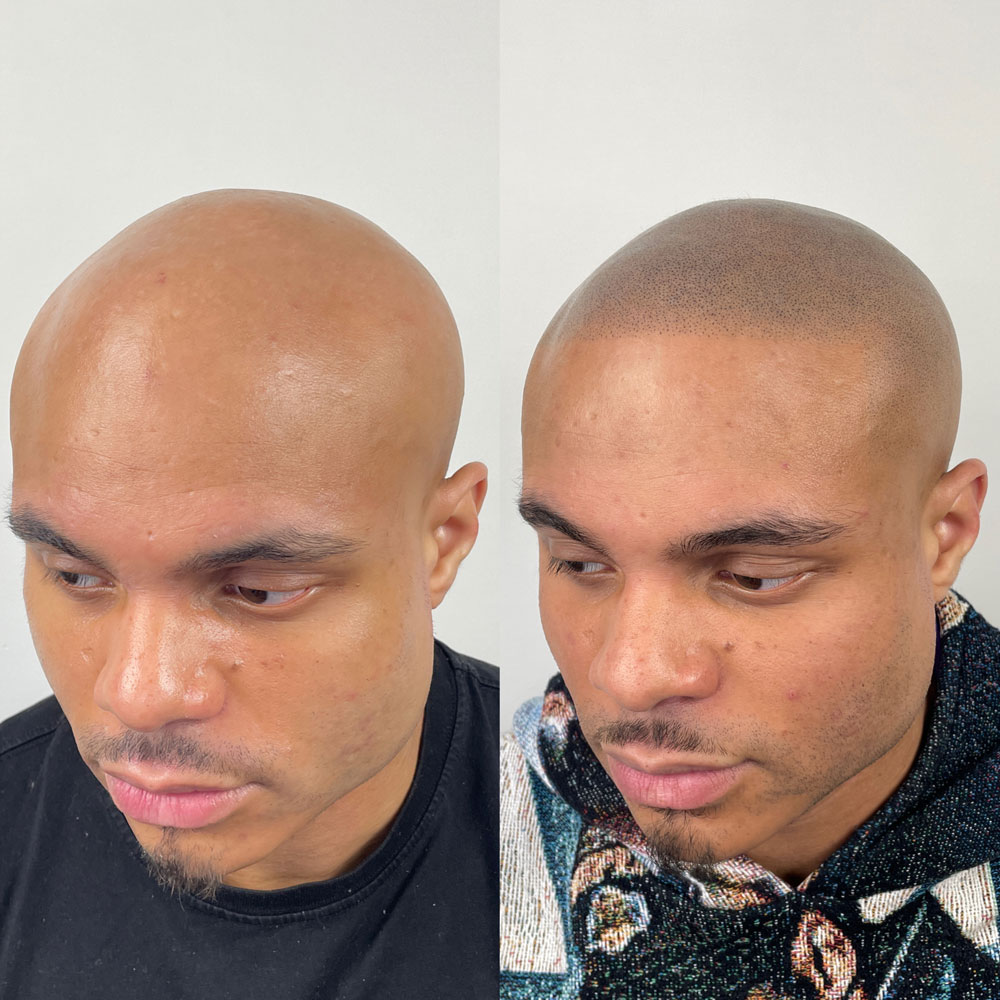
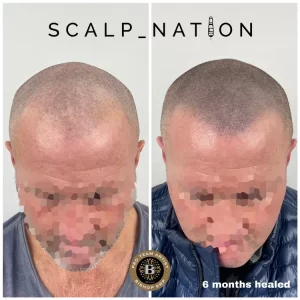
Scalp micropigmentation creates thousands of precisely placed microdots that replicate the appearance of closely-cropped hair follicles. This specialised technique, unlike conventional tattooing, mimics actual hair by matching natural colour variations and following growth patterns across the scalp.

For immune-related hair loss that creates unpredictable patterns, scalp micropigmentation for alopecia provides consistent, weather-resistant coverage without daily maintenance. The procedure requires multiple sessions for ideal layering but creates results lasting several years before touch-ups become necessary.

Hair systems offer another viable bald spot fix for those wanting the look and feel of actual hair without surgery. Modern integration techniques secure custom-made hair pieces using medical-grade adhesives, creating undetectable blending with existing hair. These systems require professional maintenance every 4-6 weeks but allow styling versatility impossible with other non-surgical options.

Effective Bald Spot Cover-Up Techniques

For temporary bald spot cover-up needs or early-stage thinning, specialised products provide immediate visual improvement without commitment.

Hair fibres (keratin-based particles) adhere electrostatically to existing strands, creating instant density when sprinkled over thinning areas. These microscopic fibres resist light wind and rain until your next shampoo, making them ideal for special occasions or daily use during early intervention stages.

Colour-matched scalp concealers reduce the contrast between the visible scalp and surrounding hair. Applied with sponges or brushes, these waterproof formulations work effectively for diffuse thinning rather than completely bare patches.

Professional stylists recommend strategic cutting techniques to maximise coverage:

  • Textured layers that provide volume without length
  • Slightly longer segments that can be directed over thin spots
  • Strategic product application focusing on roots for lift

For formal occasions requiring photographic coverage, temporary spray applicators deliver quick, washable colour that masks a bald spot on the head until your next shower.

Lifestyle Changes That Support Hair Health

Hats Cause Hair Loss

While addressing your current bald spot, implementing supportive habits prevents further deterioration and supports existing hair health.

Nutritional approaches make substantial differences, particularly for non-genetic causes. Hair production demands protein abundance, and the aim is to produce complete proteins containing all essential amino acids. Iron deficiency particularly impacts follicle function, making lean meats and leafy greens critical dietary components.

Stress reduction techniques benefit hair cycles by balancing cortisol levels that otherwise disrupt normal growth patterns. Regular physical activity, adequate sleep, and mindfulness practices create body conditions favourable for optimal follicle function.

You should implement these daily habits to protect your follicles:

  • Gentle shampooing techniques that minimise tension
  • Avoiding tight hairstyles that pull on vulnerable areas
  • Limiting heat styling that damages protein structures
  • Protecting the scalp from UV damage that accelerates thinning

For those addressing a bald spot fix through medical means, avoiding alcohol, tobacco, and excessive caffeine improves treatment responsiveness by enhancing circulation to the scalp.

Take Control of Your Hair Loss

Addressing a bald spot requires patience, regardless of your chosen approach. Medical interventions typically show results only after months of consistent application, while surgical options demand recovery periods before benefits emerge.

The psychological impact often exceeds physical concerns – losing control over your appearance affects confidence across personal and professional spheres. Choosing solutions aligned with your expectations, budget, and lifestyle creates empowerment rather than resignation.

Among the various options available, scalp micropigmentation stands out for its balance of permanence, minimal maintenance, and natural appearance. Unlike medications requiring daily application or hair systems demanding regular upkeep, SMP provides a long-lasting solution that withstands swimming, exercise, and weather conditions while creating convincing visual density.

Whether pursuing medical intervention for a newly formed small bald spot or selecting definitive solutions for established patterns, taking action itself provides psychological benefits beyond physical changes. Knowledge replaces uncertainty, and intentional choices replace passive observation.

For personalised guidance on your specific condition and to discover if scalp micropigmentation suits your particular bald spot on the scalp, book a free consultation with SMP specialists who can assess your hair loss pattern and recommend the most appropriate solution for your needs.

Why Do Men Go Bald? Understanding the Causes of Hair Loss

why do men go bald

Looking in the mirror to discover thinning patches or a receding hairline can feel like losing part of your identity. Male baldness affects approximately two-thirds of men by age 35, with numbers climbing to 85% by age 50. Beyond merely noticing physical changes, recognising the biological mechanisms behind hair loss in men opens pathways to appropriate interventions rather than endless cycles of ineffective products.

The Science Behind Male Hair Loss

Your hair follicles engage in constant rebellion against a hormone called dihydrotestosterone (DHT). This testosterone derivative launches silent attacks on vulnerable follicles, gradually shrinking them until they produce increasingly thinner, weaker hairs before surrendering completely.

The infamous “horseshoe” pattern emerges because follicles along the sides and back resist DHT’s assault through genetic programming. Meanwhile, those atop the scalp wave white flags of surrender, creating the distinctive pattern so many men dread seeing in photographs taken from above.

Why do men go bald so much more frequently than women? Testosterone levels tell only part of the story. Men’s follicles show greater sensitivity to DHT despite women actually possessing the hormone as well. This biological injustice stems from evolutionary patterns established thousands of years before modern concepts of attractiveness entered the picture.

The lifecycle of your hair divides into three distinct phases:

  1. Anagen (growth) – Lasting 2-7 years
  2. Catagen (transition) – A brief 10-day handover
  3. Telogen (resting) – A 3-month finale before shedding

DHT progressively shortens the anagen phase while extending telogen, creating a dramatic shift in hair density across the scalp. The resulting imbalance means more hairs rest than grow, thinning becomes noticeable, and eventually, a bare scalp emerges.

why do men bald

Male Hair Loss Varieties: Beyond the Classic Pattern

While androgenetic alopecia (pattern baldness) dominates discussions about why do men go bald, other forms demand equal attention:

Alopecia areata strikes without warning, creating circular patches where follicles suddenly cease production. Unlike pattern baldness, these patches might appear anywhere on the scalp rather than following a predictable progression. The immune system mistakenly attacks healthy follicles, considering them foreign invaders rather than legitimate body tissues.

Telogen effluvium represents panic mode – significant stress forces numerous follicles into the shedding phase simultaneously. This creates dramatic thinning across the entire scalp rather than focused patches. Divorce, bereavement, redundancy, serious illness, or even certain medications commonly trigger this temporary but distressing condition.

Traction alopecia stems from physical stress – tight ponytails, braids, or religious headwear placing constant tension on follicles until they surrender. Unlike genetic forms, simply changing hairstyles often reverses early-stage damage.

Each type alters hair density through different biological mechanisms, necessitating tailored treatment approaches rather than one-solution optimism.

Risk Factors Beyond DNA that Amplify Male Hair Loss

Genetics loads the gun, but lifestyle often pulls the trigger for hair loss that men experience. Several factors accelerate or intensify inherited tendencies.

Age brings inevitable changes as cell division slows throughout the body. Each hair growth cycle produces slightly thinner strands until, eventually, some follicles cease production entirely. This natural progression accelerates dramatically when combined with genetic predisposition.

Nutritional gaps sabotage growth cycles. Iron deficiency particularly devastates hair production, while protein shortfalls leave follicles without essential building blocks. Your body cleverly diverts resources from non-essential functions (like hair growth) during nutritional scarcity.

Chronic stress floods your system with cortisol, disrupting hormonal balance and accelerating the progression of men hair loss. The modern work-life juggle creates perfect conditions for stress-related thinning, even among men without strong genetic predisposition.

Certain medical conditions dramatically impact follicle function. Thyroid disorders throw delicate hormonal systems into chaos, while autoimmune conditions may target hair follicles directly. Diabetes affects circulation to the scalp, gradually starving follicles of essential nutrients.

The Invisible Scars of Hair Loss

Physical hair loss frequently triggers psychological avalanches far exceeding their visible impact. Men report profound shifts in self-perception following significant thinning or balding:

  • The mirror transforms from a neutral reflection to a harsh critic

Men describe avoiding mirrors, changing lighting arrangements, or developing precise “camera-ready” poses to minimise the appearance of thinning areas. This hyperawareness consumes mental energy that could be directed better elsewhere.

  • Professional confidence suffers silent blows. 

Research consistently shows that men perceive hair loss as a professional disadvantage, particularly in client-facing roles or when competing against younger colleagues. This perception creates self-fulfilling prophecies as confidence diminishes.

  • Dating landscapes shift dramatically. 

Following hair loss in men, a significant number face heightened rejection sensitivity. The dating app era’s heavy emphasis on visual first impressions amplifies these concerns. Men often use strategic hat placement, specific camera angles, or even avoid certain lighting when meeting someone.

Coping mechanisms range from healthy acceptance to problematic avoidance. Those who successfully navigate the psychological impact typically develop a broader self-definition less dependent on physical appearance, while others remain trapped in cycles of concealment and anxiety.

Traditional Treatment Options and Limitations

Pharmaceutical approaches dominate the conventional treatment landscape. Minoxidil (applied topically) stimulates blood flow to struggling follicles, while finasteride (taken orally) blocks DHT production systemically. Both require indefinite use – discontinuation promptly reverses any gains, often with accelerated loss.

Hair transplantation offers permanent redistribution, harvesting DHT-resistant follicles from the sides and back before strategically reimplanting them in thinning areas. This surgical approach delivers unmatched permanence but requires significant financial investment and recovery time.

Non-surgical hair approaches provide immediate cosmetic improvement without medical intervention. Modern options far exceed previous generations’ obvious hairpieces, offering remarkably natural appearance through customised colour matching and attachment methods.

Many men choose to embrace baldness by shaving their heads completely. This definitive approach creates a clean, intentional look rather than a thinning appearance.

Each solution carries distinct limitations. Medications work best on recent thinning rather than long-established baldness. Transplantation requires sufficient donor hair, limiting options for advanced loss. Non-surgical systems demand ongoing maintenance and replacement. This treatment landscape leaves many men caught between suboptimal options and simple acceptance.

The Rise of Hair Loss Tattoo Solutions

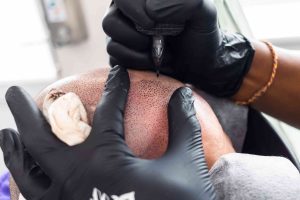
Scalp micropigmentation is an innovative approach that is gaining remarkable traction. This specialised tattooing technique creates thousands of follicle-simulating dots across the scalp, crafting the convincing illusion of closely cropped hair.

Unlike conventional tattoos, permanent hair loss tattoos utilise specialised equipment delivering pigment to precise depths within the skin. Artists match pigment to your natural hair colour and skin tone, creating dimensionality through subtle colour variations rather than flat, uniform coverage.

The completed tattoo for bald spots creates a permanently cropped hair appearance resistant to swimming, sleeping or weather conditions. Recipients describe liberation from constant self-consciousness about their appearance, particularly in situations that challenge other solutions.

What Makes Scalp Micropigmentation Look So Real?

The convincing results of scalp micropigmentation emerge from technical precision far beyond conventional tattooing. Practitioners craft an illusion that withstands even close scrutiny through several critical techniques:

Each microscopic dot represents a single hair follicle, positioned to mirror natural growth patterns unique to each client. The impressionist approach creates a realistic appearance through strategic dot positioning rather than continuous lines or solid coverage.

The angle matters tremendously. Natural hair doesn’t emerge perpendicular to the scalp—it follows consistent directional patterns varying across different scalp regions. Skilled practitioners replicate these subtle directional shifts, creating depth through deliberate imperfection.

Density gradation proves equally crucial. Natural hairlines never begin abruptly but fade gradually. Artists meticulously create this transition zone, placing dots closer together or further apart to achieve the realistic hair density variation that characterises natural growth patterns.

This procedure particularly benefits those who are exploring the question: Why do men go bald? And those who are seeking definitive solutions rather than ongoing treatments. Unlike medications requiring daily application or hair systems demanding regular maintenance, completed micropigmentation requires only occasional touch-ups to maintain optimal appearance. 

Before making a decision about scalp micropigmentation, arm yourself with all the essential information. Discover the procedure details, recovery expectations, and long-term results in our guide: What You Need to Know Before Deciding on SMP.

why do men bald

Psychological Comfort in Choosing a Solution

Selecting among available options requires an honest assessment of several personal factors:

  • Your baldness progression stage significantly impacts treatment suitability. 

Early thinning responds well to medications, while advanced loss might better suit hair loss tattoo solutions or transplantation. Realistic assessment rather than wishful thinking delivers satisfaction.

  • Lifestyle considerations matter tremendously. 

Athletic men who swim regularly or exercise vigorously often find medications or systems problematic, while tattoo approaches accommodate active lifestyles without compromise.

  • Budget reality cannot be ignored. 

Treatment costs range from relatively affordable medications to significant investments for transplantation or comprehensive micropigmentation. Long-term rather than immediate costs should guide decision-making, particularly for younger men facing decades of treatment.

  • Psychological comfort often trumps all other factors. 

Some men feel incomplete without their original hair pattern, making regrowth approaches emotionally necessary despite their limitations. Others seek liberation from concern rather than specific appearance, making simulated solutions equally viable.

Professional consultation transcends internet research. Specialists assessing your specific conditions, hair type, and loss pattern provide personalised guidance that is impossible to achieve through general articles. Book a free consultation and get a low-risk opportunity to explore options suited to your unique circumstances.

Ready to Reclaim Control Over Baldness?

Understanding why do men go bald empowers informed decision-making rather than resignation or endless product experimentation. The biological mechanisms driving hair loss neither define your worth nor limit your options in today’s treatment landscape.

Perhaps most importantly, addressing hair loss proactively rather than reactively creates psychological freedom. Whether through medication to maintain current density, transplantation to restore previous patterns, or tattoo for bald spots, taking action relieves the mental burden many men silently carry.

The most successful outcomes begin with realistic expectations. No approach delivers miracle results, but each offers distinct advantages worth exploring before determining your personal path forward. Understanding the causes of men’s hair loss provides the foundation for choices aligned with your goals rather than marketing promises.

Head Tattoo for Alopecia: A Bold Solution for Hair Loss

forms of alopecia

Living with alopecia extends beyond physical hair loss – it profoundly affects self-image and confidence. This autoimmune condition, which causes partial or complete baldness, impacts millions worldwide, leaving many searching for solutions that restore not just appearance but self-assurance.

Enter head tattoo for alopecia, a revolutionary technique transforming lives. Unlike temporary solutions, scalp micropigmentation (SMP) creates a meticulously crafted illusion of hair follicles through precise tattooing methods. This innovative approach doesn’t attempt to regrow hair but instead recreates its appearance with remarkable realism.

Understanding Alopecia: Causes, Challenges, and Solutions

Alopecia strikes in various forms – circular patches with alopecia areata, complete scalp baldness with alopecia totalis, or the comprehensive loss of all body hair through alopecia universalis.

Your immune system turns traitor, attacking healthy hair follicles without cause. While genes load the gun, triggers like chronic stress, hormonal chaos, or environmental assaults often pull the trigger.

Common Causes:

  • Autoimmune dysfunction
  • Genetic predisposition
  • Severe psychological stress
  • Hormonal imbalances
  • Nutritional deficiencies
  • Certain medications

Daily Challenges:

  • Unwanted attention and stares
  • Constant self-consciousness
  • Weather anxiety (wind, rain exposing the scalp)
  • Dating insecurities
  • Workplace confidence issues
  • Limited hairstyling options

The mirror becomes an enemy. Social interactions transform into minefields of unwanted stares and whispered comments. Job interviews? Dating? Even grocery shopping? Each becomes a battlefield for self-confidence.

Traditional alopecia treatment UK options run the gamut – corticosteroid injections might work temporarily, while minoxidil offers limited regrowth for some but disappoints many. Wigs provide coverage but demand constant fidgeting and weather-watching.

Enter scalp tattooing for hair loss – a technique that doesn’t pretend to regrow what’s lost but instead creates something new: the convincing appearance of closely-cropped hair that remains unchanged through swimming, sleeping, or stormy weather. This breakthrough approach bridges the gap between temporary cosmetic fixes and the permanence that those with alopecia desperately seek. 

alopecia head tattoo

The Art Behind Alopecia Head Tattoos: A Blend of Skill and Precision

The creation of a convincing head tattoo for alopecia demands technical mastery far beyond conventional tattooing. Artists don’t simply apply ink – they craft an illusion that fools even the closest scrutiny. Each minute dot represents a hair follicle strategically placed to mimic natural growth patterns unique to each client.

Colour matching becomes an exacting science. Practitioners blend custom pigments to match not just your natural hair colour, but how that colour would appear when cropped extremely short. This nuanced approach considers skin tone, existing hair (if any), and even how the pigment will age over time.

The angle matters tremendously. Natural hair doesn’t sprout perpendicular to the scalp – it emerges at consistent angles that vary across different regions of the head. Head tattoos hair techniques replicate these subtle directional shifts, creating depth through deliberate imperfection rather than mechanical precision.

Density gradation proves equally crucial. Natural hairlines never begin abruptly but fade gradually. Artists at specialised clinics like Scalp Nation meticulously create this transition zone, placing dots closer together or further apart to achieve realistic density variation.

The process transcends mere cosmetic procedure – it’s reconstructive artistry. Each session builds upon the previous, allowing practitioners to adjust density, shade, and placement until the result appears completely natural. This patient, layered approach ensures the final result moves beyond simple camouflage to become virtually indistinguishable from actual, closely shaved hair, transforming lives beyond mere appearances.

Emotional Impact: How a Head Tattoo for Alopecia Boosts Self-Esteem

The transformative power of an alopecia head tattoo extends far beyond aesthetics – it rebuilds shattered confidence from the ground up. Recipients frequently describe the moment they first see their completed procedure as nothing short of life-changing.

For many, alopecia strips away control over their appearance and, by extension, their identity. Each morning brings the same harsh reminder in the mirror. The head tattoo for alopecia technique flips this narrative entirely, returning agency to those who’ve felt powerless against their condition.

Social anxiety often plagues those with visible hair loss. Simple activities – bending down to pick up dropped items, feeling a breeze against the scalp, or sitting under bright lighting – become sources of constant stress. Post-procedure, these everyday moments transform from anxiety triggers to unremarkable parts of daily life.

Professional relationships benefit markedly. Clients report renewed confidence in job interviews and workplace interactions, focusing on their skills rather than worrying about their appearance. The emotional freedom this creates cannot be overstated.

The scalp tattooing for hair loss process offers psychological closure that medical treatments often fail to provide. Rather than perpetuating the cycle of hope and disappointment that characterises many alopecia treatment journeys, it provides immediate, visible results and a definitive end to the search for solutions.

This emotional healing creates ripple effects throughout all aspects of life – from career advancement to personal relationships – as individuals reclaim the confidence that alopecia has stolen.

The Procedure: What to Expect Before, During, and After

The journey toward a head tattoo for alopecia begins with a comprehensive consultation. Practitioners assess your scalp condition, discuss your expectations, and create a treatment plan tailored to your specific needs. They’ll determine the ideal pigment shade, follicle density, and hairline design before proceeding.

The session breakdown:

  • First session – Establishing the foundational hairline and initial density layer (2-4 hours)
  • Second session – Building density and refining details (2-3 hours)
  • Final session – Perfecting the blend and addressing any inconsistencies (1-2 hours)

The tattooing itself feels like repeated light pinpricks rather than the deeper sensation of traditional tattooing. Most clients describe it as mildly uncomfortable rather than genuinely painful. Topical anaesthetics remain available for those with lower pain thresholds.

Post-procedure redness typically subsides within 24-72 hours. The Healing Guide provided outlines crucial aftercare steps to ensure optimal results. During the first week, you’ll need to:

  • Keep the tattooed area completely dry for 5 days
  • Avoid direct sunlight, swimming, and excessive sweating
  • Apply prescribed aftercare products exactly as directed
  • Sleep with a fresh pillowcase nightly

Complete healing takes approximately 28 days as the pigment settles and achieves its final appearance. During this period, the colour may initially appear darker before lightening to its permanent shade.

Potential side effects remain minimal with proper SMP alopecia treatment techniques. Some clients experience mild itching, temporary scabbing, or slight pigment fading, all manageable with proper aftercare.

Annual touch-up sessions maintain crispness and definition as pigments naturally fade slightly over time. These brief maintenance visits ensure your head tattoo for alopecia continues to look fresh and natural for years.

alopecia treatment

Embracing Confidence with an Alopecia Head Tattoo

Head tattoo for alopecia techniques offers permanence that other solutions simply can’t match. Unlike wigs that shift or medical treatments with uncertain outcomes, this approach provides consistent, predictable results day after day.

The psychological freedom of waking up already “ready” transforms daily routines. No more applying concealing powders, adjusting hairpieces, or worrying about windy weather exposing your secret. This reliability creates mental space for life’s more important aspects.

As Hair tattoo techniques continue advancing, outcomes grow increasingly refined. The stigma surrounding alopecia treatment in UK options diminishes as success stories spread. More practitioners now specialise exclusively in head tattoos hair procedures, elevating the field’s overall quality standard.

The investment extends beyond financial considerations. Recipients gain back countless hours previously spent managing appearances, redirecting that energy toward relationships, careers, and personal growth.

Most powerful, perhaps, is the permission to forget. The greatest gift of effective scalp tattooing for hair loss isn’t just looking better – it’s the freedom to stop thinking about appearances altogether. This mental liberation allows those with alopecia to reconnect with their pre-diagnosis selves, remembering who they were before appearance consumed their thoughts.

The Best Guide Scalp Micropigmentation For Hair Loss In 2025

scalp micropigmentation hair loss

Hair loss affects two-thirds of men by age 35, climbing to 85% by age 50. Traditional solutions often fall short, leaving many searching for permanent alternatives. Scalp micropigmentation for hair loss has emerged as a revolutionary non-surgical option, creating the illusion of natural hair follicles through precise tattooing techniques. In this article, we will reveal everything you need to know about this permanent hair loss solution.

Key Takeaways

  • Scalp micropigmentation is a specialised tattooing technique that replicates hair follicles
  • Ideal candidates include those with pattern baldness, alopecia, and transplant scars
  • Real advantages, like immediate results, versus limitations, such as styling restrictions
  • Three-session treatment process with a specific timeline and pain expectations
  • Aftercare requirements that protect your investment and ensure longevity
  • Practitioner selection criteria that separate experts from inexperienced providers
  • 2025 pricing landscape and cost considerations for budgeting decisions

Hair Tattoo

What Is Scalp Micropigmentation and How Does It Work?

Scalp micropigmentation represents a specialised form of medical tattooing designed specifically to address hair loss. This technique involves depositing thousands of tiny pigment dots into the upper dermis layers of the scalp, creating a convincing illusion of closely-shaved hair or enhanced density for thinning areas.

The process differs dramatically from conventional tattooing. SMP treatment utilises micro-needles that are 75% smaller than standard tattoo needles, allowing practitioners to create dots virtually indistinguishable from natural hair follicles. These specialised 3-point needles penetrate just 0.5-1.2mm into the skin – significantly shallower than traditional tattoos that reach 1-2mm or deeper.

Digital rotary machines control every aspect of the procedure with computer precision. Speed, needle depth, and vibration levels can be adjusted to match the delicate requirements of scalp work. This technological precision enables artists to vary dot sizes and spacing, replicating the natural randomness of real hair growth patterns.

SMP for hair loss works through a pointillism approach rather than continuous lines. Each dot represents an individual follicle, strategically positioned to mirror natural growth directions unique to different scalp regions. The pigments themselves are specially formulated to resist colour changes over time, preventing the blue or green tints that can occur with improper tattooing techniques.

The results create a permanent buzz-cut appearance that withstands swimming, sweating, and weather conditions while requiring minimal daily maintenance.

Who Makes the Perfect Candidate for SMP Treatment?

Not everyone suits SMP for hair loss, but the range of suitable candidates might surprise you. Men experiencing male pattern baldness represent the most common recipients. The technique works exceptionally well for creating natural-looking buzz-cut appearances when follicles have surrendered to DHT’s relentless assault.

Those battling alopecia find SMP treatment transformative. Circular patches that appear without warning become seamlessly blended canvas. The technique adapts brilliantly to unpredictable alopecia patterns, unlike treatments requiring consistent hair growth.

Previous hair transplant recipients often discover scalp micropigmentation addresses lingering concerns. FUT and FUE procedures sometimes leave visible scarring or patchy density. SMP camouflages these imperfections while enhancing overall coverage.

Surprisingly, people with existing hair benefit tremendously. Thinning crowns or temples receive instant density boosts without surgical intervention. The treatment adds visual thickness that photographs beautifully and survives close scrutiny.

Age becomes less restrictive than many assume. Practitioners typically recommend waiting until hair loss patterns stabilise, usually after 25-30. However, older clients often achieve outstanding results regardless of advanced balding.

SMP for hair loss works across all skin tones, though darker skin requires patience as contrast develops gradually through layered sessions. Active lifestyles actually favour this treatment – swimming, sports, and travel become worry-free once healing is complete.

scalp micropigmentation aftercare

What Are the Real Benefits and Drawbacks of Scalp Micropigmentation for Hair Loss?

Scalp micropigmentation for hair loss delivers genuine advantages alongside some limitations that every candidate should understand before committing. The treatment excels in specific areas while falling short in others.

Benefits Drawbacks
Immediate transformation – visible results after first session Limited styling options – restricted to a buzz-cut appearance
Weather-proof results – swimming, rain, wind won’t affect appearance Touch-up requirements – needs refreshing every 3-5 years
No surgical risks – non-invasive procedure with minimal complications Permanent commitment – laser removal required if preferences change
Universal application – works regardless of donor hair availability Sun sensitivity – requires UV protection to prevent premature fading
Minimal daily maintenance – simply shave and go Healing restrictions – 28-day exercise limitations post-treatment
Cost-effective long-term – lower lifetime costs than medications Colour matching challenges – darker skin tones need patient layering

SMP for hair loss shines brightest for men seeking low-maintenance solutions. Active lifestyles benefit enormously once healing completes. The treatment sidesteps surgical complications while delivering consistent results that photograph beautifully and survive close examination.

However, scalp micropigmentation demands realistic expectations. Men dreaming of flowing locks or frequent style changes should consider alternatives. The commitment level resembles getting a large tattoo – beautiful results require accepting permanent alterations to your appearance.

The decision often hinges on lifestyle priorities. Convenience and reliability versus styling flexibility define most choice-making processes.

How Many Sessions Will You Need and What Should You Expect?

Most SMP treatment journeys unfold across three carefully spaced appointments, each building upon the previous work. This staged approach prevents over-darkening while allowing your skin to heal properly between sessions.

Session One: Foundation Building (2-4 hours)

Your practitioner establishes the hairline and creates basic coverage across targeted areas. Expect lighter pigmentation than your final result – this conservative approach allows for adjustments. Redness and minor soreness typically subside within 24-72 hours.

Session Two: Density Development (2-3 hours)

Scheduled 1-2 weeks after your first appointment, this session adds depth and refines colour matching. SMP for hair loss really takes shape here as the realistic density emerges. Most clients notice a dramatic transformation after this stage.

Session Three: Final Perfection (1-2 hours)

The longest gap, typically 3-4 weeks, precedes your final appointment. This session handles detailed touch-ups and achieves your desired density. Any minor adjustments to hairline shape or colour happen here.

Discomfort remains surprisingly manageable throughout SMP. Most clients rate pain between 2-5 on a ten-point scale. Taking short breaks during longer sessions helps maintain comfort levels.

Recovery between sessions demands patience. Avoid sweating for four days and skip strenuous exercise for 28 days to protect pigment retention. This timeline protects your investment and ensures optimal results.

smp treatment

What Does Proper SMP Aftercare Look Like?

Protecting your scalp micropigmentation for hair loss investment requires disciplined aftercare that evolves through distinct healing phases. Neglecting these guidelines compromises pigment retention and potentially requires costly correction sessions.

First 4 Days: Critical Protection Phase

SMP results depend heavily on this initial period. Avoid sweating completely – salt in perspiration damages fresh pigment deposits. Skip hot showers, saunas, and steam rooms. Gentle hair washing with lukewarm water becomes acceptable after day three.

First 28 Days: Healing and Integration

Exercise restrictions continue through this month-long phase. SMP treatment areas need complete healing before resuming strenuous activities. Swimming pools and oceans remain off-limits due to chemical and bacterial exposure.

Your scalp will scab naturally – resist picking at any point. These scabs protect developing pigment and prevent infection. Moisturise gently with recommended products only.

Long-term Maintenance Guidelines

Sun protection becomes a lifetime practice. UV rays accelerate fading, potentially shortening the time between touch-up sessions. Quality sunscreen or hat-wearing preserves your scalp micropigmentation results.

Regular moisturising maintains scalp health and pigment appearance. Harsh shampoos containing sulfates can strip protective oils. Choose gentle, pH-balanced products that won’t compromise your investment.

Touch-up appointments every 3-5 years keep results looking fresh and maintain that undetectable appearance that makes SMP so appealing.

What Will SMP Cost You in 2025?

SMP treatment pricing reflects the specialised expertise required for natural-looking results. Costs vary dramatically based on coverage area, complexity, and practitioner experience. Understanding these factors helps set realistic budget expectations.

Treatment Type Price Range (£) Best For
Small patches/scars £800 – £1,500 Transplant scars, alopecia spots
Hairline restoration £1,000+ Receding hairline correction
Male pattern baldness £2,450 – £3,000 Complete crown and hairline work
Full head coverage £2,000 – £3,500 Advanced balding cases
Density enhancement £2,500 – £3,500 Thinning hair areas
Existing client touch-ups From £350 Maintenance sessions

Payment structures make scalp micropigmentation for hair loss more accessible. Most clinics require small booking deposits with remaining costs split 50/50 between your first and second sessions. Finance options launching in 2025 will provide additional flexibility.

SMP represents excellent long-term value compared to ongoing medication costs or multiple hair transplant procedures. Quality practitioners command premium prices, but experienced artists deliver results worth the investment. Cheap options often require expensive corrections later.

How Do You Choose the Right SMP Practitioner in 2025?

Finding skilled practitioners separates transformative results from disappointing experiences. Look beyond fancy websites and focus on clinical qualifications – SMP for hair loss demands specialised training that standard tattoo artists rarely possess.

Examine before-and-after portfolios critically, paying attention to hairline naturalness and colour matching across different skin tones. Quality practitioners showcase diverse client results rather than perfect lighting scenarios. Ask about their trichology training – understanding scalp health separates true specialists from basic technicians.

Scalp micropigmentation requires ongoing relationships, not one-time transactions. This dual expertise becomes evident with our practitioner Will Quaye, whose Clinical Trichologist qualification complements his Level 4 SMP artistry. His three industry awards and Bishop SMP ambassador status reflect the specialised knowledge that produces “undetectable” results across diverse client needs.

Ready to explore your options? Book a free consultation to discuss your specific hair loss pattern and discover whether SMP aligns with your restoration goals.

FAQ

How long does scalp micropigmentation last before needing touch-ups? 

Most SMP treatments maintain optimal appearance for 3-5 years before requiring touch-up sessions. Factors like sun exposure, skin type, and aftercare quality influence longevity.

Is SMP suitable for all skin tones and hair colours? 

SMP works effectively across all skin tones, though darker skin requires patience as contrast develops gradually through layered sessions. Practitioners can match virtually any natural hair colour.

Can SMP be removed if I change my mind about the treatment? 

Yes, SMP removal uses laser technology similar to tattoo removal, though multiple sessions are typically required. The shallow pigment placement often makes SMP easier to remove than conventional tattoos.

How does SMP compare to hair fibres or concealer products for daily use? 

SMP provides permanent results that won’t wash off, blow away, or require daily application like hair fibres. Unlike temporary concealers, SMP maintains a consistent appearance through swimming, sweating, and weather conditions.

What happens if I continue losing hair after getting SMP treatment? 

Continued hair loss around treated areas can create a visible contrast between pigmented and newly bald sections. Touch-up sessions can extend coverage to maintain seamless blending as your natural hair loss progresses.

Do Hats Cause Hair Loss? Myth or Reality

Hats Cause Hair Loss

Many people are concerned about hair loss, and there are several myths and misconceptions about hair loss. One of the general beliefs is that hats cause hair loss. Fact or fiction? This article shall explore how hats and hair loss are related. From everyday hats to tight-fitting caps, we will examine how different types of headwear might impact your hair and whether or not they contribute to thinning or shedding. Let’s dive into the science behind this topic and find out whether hats are truly a culprit in hair loss in front of the head.

What Science Says About Hair Loss

And sometimes baldness in men can be so multifactorial, but often the blame is pointed toward hats. however, science has larger culprits. There are different types of hair losses, mainly brought about by genes, hormonal changes, stress, and other diseases. Let us delve a little into the detailed causes of these and what research says:

Genetics: Leading Cause of Hair Loss

Genetics by far is the major reason for hair loss, mainly the condition known as androgenetic alopecia and commonly referred to as male-pattern baldness or female-pattern hair loss. It is hereditary, and generally begins in late teens to early adulthood. This is one of the most common forms of genetic hair loss. Both men and women are affected, though it may be more noticeably apparent in men.

Hormonal Changes

Other causes of hair loss include changes in one’s hormone levels. This may be due to pregnancy, menopause, disorders relating to the thyroid, or even conditions such as PCOS. In pregnancy, for example, many women feel their hair grow due to the increase in these hormones, and once they give birth, these levels fall and may lead to shedding.

Stress

The causes of alopecia are generally associated with physical and emotional stress. It is more specifically described as telogen effluvium, which results from physical or emotional stress that forces more than the usual number of hairs into the telogen stage of the hair growth cycle. Major events such as surgery, crash diets, or even serious emotional stress could temporarily result in telogen effluvium, an incident quite shocking but sometimes reversible.

hair transplant uk

Diseases and Medications

Other possible causes may be medical conditions that could cause hair loss and include autoimmune diseases, iron deficiency, or scalp infections. For example, alopecia areata is a type of autoimmune disease whereby the body’s immune system mistakenly attacks hair follicles, causing patchy hair loss. Other culprits include thyroid disorders and iron deficiency anemia.

Do Hats Cause Hair Loss?

Now, the myth about hats causing hair loss: it is simply not supported by science. While hats or caps that are too tight and apply excessive friction or pressure on the scalp can be considered one of the possible causes of traction alopecia, a type of hair loss caused by continuous tension on the hair, the idea that hats in themselves are responsible for hair loss is essentially groundless. Traction alopecia can occur where there is pulling on the hair, such as some hairstyles, but this cannot occur with hats alone.

Actually, hats protect the hair from UV damage and environmental factors if not worn too tightly or too frequently to put tension on the hair follicles.

Can Hats Damage Hair?

While most people do not suffer any harm from wearing hats in moderation, a number of factors can indeed damage your hair. Poorly fitted hats, or those that rub against the scalp, can cause breakage, or traction alopecia, from constant or too tight wear. This occurs because the hair is subjected to pulls that stress the follicles enough to cause hair loss in certain areas.

Hats made of non-breathing materials-like synthetic fabrics-carry moisture and temperature within them and can cause scalp irritations or dandruff, further deterioration of hair being the result. Too loose hats or not frequently washed fill up with dirt or bacteria and affect scalp health, which is bad for hair growth.

However, most hats do not cause permanent damage if worn correctly and of breathable material. It is best to wear well-fitting, comfortable hats and let your hair and scalp have time to breathe and recover when not wearing one.

Myths and Facts About Hair Loss

Hair loss has lots of myths and misconceptions, and it’s pretty easy to get lost in that sea of misinformation. Let’s debunk some of those myths and find some interesting facts about hair health.

Myth 1: Wearing Hats Causes Hair Loss

So, does hat hair loss exist? In fact, as we have mentioned, hats themselves are unable to become a direct factor in hair loss. Though certain tight hats could provide some tension on the hair and scalp, which may end in traction alopecia, this actually happens pretty rarely. Major reasons for hair loss are generally pointed to genetics, changes in people’s hormones, stress, or certain health concerns rather than hats.

Fact 1: The Main Cause of Hair Loss – Genetics

Now, we are sure that hats hair loss is just a myth. Genetic disorders are the number one causes of hair loss, also known as androgenetic alopecia or even male/female pattern baldness. In case your relatives went through the case of hair loss, it is likely you did, it usually follows a progressive and non-dramatic course associated with hormonal alteration but not associated with wearing head gears such as hats.

Myth 2: Shaving Your Head Makes Hair Grow Back Thicker

Mything the Shave: Shaving your head does not make your hair grow back thicker. The growth of hair is predetermined through genetics and hormones, and shaving has no bearing on how thick or at what rate your hair grows. However, shaving can sometimes create an illusion of thicker hair for a period of time because the hair shaft is cut at its thickest point.

Fact 2: Stress Can Cause Temporary Hair Loss

Telogen effluvium is a condition in which intense stress causes a large number of hair follicles to enter the shedding phase. This may lead to noticeable hair thinning or shedding, however, this type of hair loss women is usually temporary, and once the stress is managed properly, one’s hair can grow back in due time.

Myth 3: Hair Loss Only Affects Older People

Although hair loss in men indeed becomes more widespread with age, it does not mean it only affects the older generation. People of young age lose their hair due to genes, stress, diets, and other illnesses like alopecia areata. Any person, no matter the age, should give due attention to your hair and take an expert’s advice in case they are experiencing thinning or shedding.

Fact 3: Healthy Dieting Plays a Role in Hair Health

Your diet also contributes a lot to how your hair grows and looks. The hair needs a range of nutrients for good health that includes iron, vitamin D, biotin, and zinc amongst others. Inadequacy of any of these may cause thinning or falling of hair, thus a balanced diet is very necessary which should contain enough vitamins and minerals.

Hair loss from stress

How to Maintain Healthy Hair?

Maintaining healthy hair requires regular care in a number of ways, including washing your hair properly, using the right products, and taking good care of your hair from the inside out. Here are some essential tips that will help keep your hair looking its best: 

Proper Washing and Hair Care Routine

Washing with hair loss shampoo is one of the most important aspects of hair care. Over-washing or under-washing can lead to a variety of hair problems, from dryness to oil buildup. It is necessary to wash your hair 2-3 times a week according to your hair type and way of life. Be sure to use lukewarm water since hot water can strip your hair of natural oils, leaving it dry and brittle.

Diet for Healthy Hair

What you put inside the body tells directly on hair health. Adequate nutrition will assure that your hair grows healthy, bouncy, and is full of shine. Essentially, vitamins, minerals, and protein are nutritional components required for healthy hair growth.

  • Iron: An iron shortage could be hazardous for hair thinning. Green spinach, beans, lentils, and red meat will provide necessary iron.
  • Biotin: A substance that helps in the growth and strength of hair, biotin is found in eggs, nuts, and whole grains. 
  • Vitamin D serves to stimulate hair follicles, a deficiency in this vitamin could thus be one of the causes for thinning hair. Vitamin D sources such as salmon, fortified cereals, and sunlight should be included in your daily routine.
  • Omega-3 Fatty Acids: Omega-3s, which are found in fatty fish, flaxseeds, and walnuts, nourish the scalp to give it moisture and help stimulate hair growth.

Scalp Health and Massage

First, a healthy scalp is the first step to developing strong, healthy hair. There are scalp massages that help one increase circulation at the follicle, a circulation that will even promote hair growth in the process. Massaging one’s scalp using natural oils – such as coconut oil, argan oil, and castor oil – will help scalp nourishment while reducing dryness and improving one’s hair quality in general.

When to Consult a Trichologist

If you feel serious hair thinning, extreme hair shedding, or scalp problems that are not relieved with good routine practices, that would be the best time to go see a trichologist-a specialist in hair and scalp health. A trichologist can diagnose you with possible problems that include but are not limited to:

  • Alopecia areata and any other hair loss disease
  • Scalp infections, including dandruff
  • Hormonal or nutritional deficiencies

In these cases, you need to choose hair loss treatment.

aftercare

Myth or Reality?

After examining the science behind hair health, it is clear that the primary causes of hair loss are genetics, hormonal changes, stress, and underlying health conditions – not wearing hats.

While hats can cause traction alopecia in very rare cases, that is usually because of too much tension on the hair rather than the actual hat-wearing habit. As a fact, hats protect hair from external damage, like UV rays or bad weather, provided that one wears them correctly and not too tight. So, the question being asked would be answered: No, hats do not cause hair loss.

Ultimately, the underlying secret to healthily looking hair rests on proper maintenance of hair, feeding your body with the best diet, and living a healthy lifestyle. If you feel considerable changes in the hair, visit a specialist for example, a trichologist will guide you through everything about it. By taking good care, hair can remain strong, healthy, and full of life.

The Best Haircuts for Balding Men Over 40

Best Haircuts for Balding Men Over 40

Hair loss can be a tough pill to swallow, but it’s a reality many men face as they move past their 40s. The good news? The right haircut can really transform everything! Choosing a style that fits you will improve your appearance and confidence, whether you are negotiating spotty areas, a receding hairline, or thinning hair.  

There are so many incredible men’s hairstyles available today that not only accentuate your strengths but also highlight your personality. Men suffering from hair loss should choose hairstyles that spotlight their best features and gently divert attention from hair thinning.

And here’s the kicker—age is no barrier to looking sharp. With the right cut, men over 40 can strike the perfect balance between maturity and style. In this guide, we’ll explore timeless styles and modern favorites that work brilliantly for balding men. Whether you’re aiming for classic, bold, or sleek, there’s a look here for you.

Let’s dive into the styles that prove hair loss doesn’t mean losing your style!

Key Takeaways

  • A buzz cut keeps hair uniformly short to create a balanced, neat appearance that minimises thinning
  • A shaved head removes all hair for a clean, low-maintenance look that suits well-defined jawlines
  • Taper fade features longer hair on top with gradual shortening on sides and back to blend thinning areas
  • Quality clippers or razors are necessary for home maintenance between barber appointments
  • Scalp care includes a daily moisturiser and high-SPF sunscreen for protection
  • Regular trims every 2-3 weeks keep fades sharp and buzz cuts uniform
  • Face shape guides style selection: oval suits most cuts, square benefits from softening layers, round needs crown height

The Buzz Cut – A Classic Solution

Haircut For Men Buzz Cut

Regarding haircuts for balding men, the buzz cut is a classic choice, never going out of style. Particularly on top, this simple, low-maintenance, effortlessly chic hairstyle works great for guys suffering hair loss. The buzz cut is all about maintaining consistency and sleekness, thereby producing a neat and balanced look that reduces the impression of thinning hair.

Why the Buzz Cut Works

The buzz cut’s magic lies in i ts simplicity. By keeping your hair super short, this style reduces the contrast between areas with more hair and those with less. The even length draws attention away from bald spots or receding hairlines, creating a cohesive appearance. For men over 40, this cut exudes confidence and practicality—a winning combination.

Who Should Try the Buzz Cut?

Men who want a no-fuss approach to grooming will find great value in the buzz cut. For everyone who loves simplicity or busy professionals, it fits all facial types and calls for a bit of styling. If your head shape is well-proportioned, this is especially fantastic since the shorter length will accentuate your inherent features.

Tips for Maintaining the Look

  • Invest in Good Clippers: Regular trims are key to keeping your buzz cut sharp. Consider investing in quality clippers to touch up your style at home.
  • Moisturize Your Scalp: With less hair to protect your scalp, it’s important to keep it hydrated and protected from the sun.
  • Embrace the Look: Confidence is everything. A buzz cut says you’re in control and comfortable in your skin.

The Shaved Head – Bold and Confident

Healed scalp micropigmentation

When hair loss becomes more noticeable, sometimes the best move is to embrace it fully. The shaved head is the ultimate power move among haircuts for balding men, offering a bold, clean look that radiates confidence. By completely removing the focus on thinning hair, this style puts you in control of your appearance and showcases a fearless attitude.

Why the Shaved Head Works

Shaving your head provides a fresh, consistent look, solving the problems of thinning or receding hair. It highlights your facial traits, presenting you with a sleek, contemporary image. This approach also radiates maturity and decisiveness for guys over forty, clearly expressing your acceptance of your age with flair.

Who Should Try the Shaved Head?

The shaved head is ideal for men who are ready to move past worrying about hair loss and want a low-maintenance, timeless solution. It suits almost any face shape but looks particularly striking on men with well-defined jawlines or prominent cheekbones. Pairing this look with a neatly groomed beard can add an extra layer of style and balance.

Tips for Maintaining the Look

  • Invest in a Good Razor or Clippers: Maintaining the smoothness and beauty of your shaved head depends critically on your care of it.
  • Moisturize Daily: Shaving exposes your scalp to more moisture, so it is crucial to maintain hydration to prevent dryness and inflammation.
  • Use Sunscreen: Your scalp suffers much more solar exposure when you have a shaven head. Using a high-SPF sunscreen helps you guard it against burns and guarantees that your skin remains happy and healthy.

The Taper Fade – A Stylish Option to Blend Short and Long Hair

the taper fade

 The taper fade is a great option if you want a haircut that combines refinement with adaptability. This contemporary trend starts with longer hair on top and works its way down to shorter hair on the sides and back. Providing a modern and creative approach to thinning hair, this short haircut for balding men is among the most appealing.

Why the Taper Fade Works

The taper fade’s gradual transition helps blend areas of thinning hair, making it less obvious. By keeping the hair slightly longer on top, this style allows you to create volume or texture that draws attention away from problem areas. The clean, sharp fade on the sides adds definition and structure, making the overall look polished and intentional.

Who Should Try the Taper Fade?

Men looking for a trendy but flexible haircut can find an ideal fit in this approach. For those with thinning hair at the crown or a receding hairline, the lengthier top offers styling choices to hide these regions. If you enjoy playing about with hairstyles but still want short haircuts for balding men, the taper fade is also a fantastic option.

Tips for Maintaining the Look

  • Regular Barber Visits: The taper fade requires upkeep to maintain its sharp transitions, so plan for regular trims every 2–3 weeks.
  • Style the Top with Lightweight Products: Use a light pomade or matte styling cream to add texture without weighing the hair down.
  • Consider Adding Layers: For extra dimension, ask your barber to layer the longer hair on top, enhancing volume and movement.

Get a free, no obligation consultation

Click below to book your free consultation today, and take the first step toward a stronger, fresher, happier you.

How to Find the Right Haircut for Your Personality and Lifestyle

Consider Your Face Shape

Face shape is one of the most important factors when choosing a hairstyle. Different cuts and styles can accentuate or soften your features, so it’s essential to understand your face shape before making a decision.

Oval Face: many hairstyle looks good on an oval face, so have the freedom to experiment with various styles, from short pixie cuts to long layers.

Diamond Face: A diamond-shaped face is complemented by hairstyles that add width at the forehead or chin, like a textured bob or soft, face-framing layers.

Square Face: Softening the angles of a square face can be achieved with hair styling feature layers or waves. Avoid cuts that emphasize the jawline.

Heart-Shaped Face: For a heart-shaped face, try styles that balance the width of your forehead with your chin, such as side-swept bangs or a lob (long bob).

Round Face: To elongate a round face, opt for styles that add height and volume at the crown, such as long, layered cuts or side-swept hair.

Your Hair Texture

Your texture plays a crucial role in determining which hairstyles will work best. Here’s how to choose a hairstyles based on whether your hair is wavy, curly, straight:

Straight Hair – often looks great with blunt cuts and sleek styles. Сan also add layers to create movement and volume hair. 

Curly Hair – embrace your curls with styles that enhance their natural shape. Layers on hair work well to add definition and prevent a pyramid effect.

Wavy Hair – wavy hair is versatile and can handle various cuts, from long to short, textured bobs.

Work with a Skilled Barber

Finding a great barber is key. A skilled professional can suggest styles that suit your face shape, hair type, and hair loss pattern. Be open to their advice and don’t hesitate to ask for tweaks to make the cut more personalized.

FAQ

A taper fade keeps hair longer on top where you can add volume and texture. The gradual fade on the sides creates definition and draws attention away from thinning areas at the crown or hairline.

A shaved head works best for men with advanced hair loss who want a clean, confident look. It suits men with well-defined facial features and pairs well with groomed facial hair.

Buzz cuts need touch-ups every 1-2 weeks. Shaved heads require maintenance every few days. Taper fades need professional barber visits every 2-3 weeks.

Use lightweight pomades or matte styling creams on the top layers of longer hair. These add texture without flattening hair or making thinning more noticeable.

What Is Scalp Micropigmentation?

https://www.youtube.com/embed/BbNcpfbhoFo
Watch Will explaining what is scalp micropigmentation

Scalp micropigmentation, also known as SMP is a cosmetic treatment that’s gaining popularity for individuals with hair loss.

We offer it at Scalp Nation, though we appreciate that many of you don’t understand the ins and outs of this process. This page will cover everything you must know about SMP, so you can ultimately decide if it’s the right treatment for your needs. 

What is Scalp Micropigmentation and How Does it Work?

Scalp micropigmentation is considered one of the various treatments for hair loss. It is a purely cosmetic procedure that’s designed to give the illusion of thicker, fuller hair on one’s scalp. 

Small dots (or micro pigments) are layered across your scalp using a rotary tattoo machine. This must be done by a skilled professional to get the best results, providing you with a permanent tattoo that will fade over time. It will look like you have a buzz cut as the small dots/impressions  look like tiny little hairs that are just about to grow. 

In many ways, scalp micropigmentation is an art form. The best practitioners will use different hues of black and layer the dots to create an even better hair illusion. Your head will look like it has a very short layer of hair to the untrained eye – which can do wonders for your confidence! 

Who Typically Has Scalp Micropigmentation and Why?

Scalp Micropigmentation is typically sought out by men suffering from extensive hair loss. Bald men are popular candidates as they cannot undergo hair transplant surgery and wish to make it look like they have a nice head of hair. 

Aside from that, anyone experiencing any type of hair loss could be suitable for scalp micropigmentation. It can be used on clients with thinning scalps but still have real hair in place, helping to cover bald patches and provide the illusion of thicker hair. 

People with temporary hair loss are also likely to have SMP. The pigments will gradually fade, when it does you will require a top up treatment. It can be the perfect way to handle temporary baldness following cancer treatments or hair loss from other causes. Men who wish to improve their hairline and get rid of the “M” shape can also benefit from SMP. 

It’s an extremely popular treatment amongst so many people because it works.

SMP does exactly what it says; it will make it look like you have hair on your head. There are far fewer risks involved than with other hair loss treatments – like transplants – and very little recovery time is needed. Most importantly, scalp micropigmentation is one of the most affordable hair loss treatment methods available. 

Does Scalp Micropigmentation Grow Hair?

No. Scalp micropigmentation will not help you grow your hair. It’s a cosmetic hair loss treatment, meaning it only helps with the aesthetic side of your situation. 

If you want to regrow your hair, then this is not the correct treatment option for you. It will only make it look like you’ve got more hair and can do an exceptional job of covering bald spots or fixing hairlines. 

Keep in mind that hair growth treatments don’t have a very high success rate.

Many people have attempted transplants or hair plugs and seen little to no results, meaning another round of treatments is needed.

There’s also a much longer recovery time while SMP leaves slight redness that subsides within a few days. 

Does SMP Damage Hair Follicles?

No, SMP will not damage your hair follicles at all. Injecting your scalp with the pigments will not have any adverse effects on the follicles or affect their growth.

That’s what makes this such a safe treatment for hair loss. It makes it look like you’ve got hair while your real hair follicles can slowly re-enter the growth stage and come back over time. 

What Can You Expect From The Scalp Micropigmentation Process?

At Scalp Nation, our SMP process looks like this: 

  • Step 1: You begin with a consultation to discuss your needs and assess your situation. Our experts will look at your head/scalp and explain what the treatment can and can’t do. We can also provide a quote for the service based on how much work is required. 
  • Step 2: You’re booked in for your first SMP treatment with a specialist practitioner. A rotary tattoo machine is then used to implant the pigments into the skin. You shouldn’t experience much pain throughout the process. Most say on a level of 1-10 with 10 being most painful, they experience a level of around 3-4.  Each person is different and some say they don’t feel a thing.
  • Step 3: The treatment is then carried out over a few hours (each session) where density is achieved on your scalp. This process is repeated until the treatment is complete (usually 3-4 sessions).

Following each scalp micropigmentation treatment, your head will be red and it may feel a bit sore/sensitive. This shouldn’t last for longer than 72 hours each time, at which point you’ll be okay to carry on with life as normal. There aren’t any strict recovery steps needed for scalp micropigmentation and most people go back to work the next day. 

Once the SMP process is 100% complete, it should stay evident for anywhere between 2-5 years before fading occurs.

After which, you’re more than welcome to return for a touch-up to maintain your look. As you’ve already had micropigmentation at this point, the touch-up procedure is usually only one session. 

Is Scalp Micropigmentation Right For You?

Most people will have no problems undergoing scalp micropigmentation.

However, you may be unsuitable if you suffer from excessively dry skin or other skin conditions on your scalp. Don’t worry, we can discuss your eligibility during our initial consultation before you have to pay anything. 

SMP is the ideal hair loss treatment for men who wish to have a believable buzz-cut look. Will Quaye our in house expert was trained by some of the best artists in the world. Nobody will be able to tell that you don’t have hair; it’s that good! 

Get in touch with Scalp Nation today to book your consultation or learn more about scalp micropigmentation. 

Ludwig Scale Of Hair Loss Guide

Female pattern hair loss is more common than you’re led to believe. It’s estimated that 40% of women will be affected by it before they reach 50. The frequency then increases as you get older, leading many women to seek treatment early on. 

However, before undergoing treatment, it’s important to know how severe your female pattern baldness is.

This is where the Ludwig Scale comes into play. It’s a tool used by clinicians to diagnose female pattern baldness, but what exactly is it, where did it come from and what are the main stages on the scale?

We answer all of these questions – and more – in the post below: 

What is the Ludwig Scale and who invented it?

The Ludwig Scale is a simple diagnostic tool used to classify how far gone female pattern baldness is. It was invented in 1977 by Dr Erich Ludwig and continues to be the main chart used to categorise baldness in women.

There are three stages on this scale, giving it far fewer stages than the popular Hamilton-Norwood scale for male pattern baldness

Exploring the Ludwig Scale

We’ll now look through all three parts of the Ludwig Scale, explaining what they are and what hair loss may look like. You can use this to help self-diagnose yourself and figure out what classification you’re in. 

What is the Ludwig Scale 1?

The first stage on the Ludwig Scale represents minimal hair loss and thinning on the top of the head at the part line.

Many women with female pattern baldness don’t recognise hair loss at this stage because it is hard to see.

It’s a good idea to take photos of the top of your head to see the difference around the part line. If more scalp appears over time, it could be a sign of hair thinning. 

What is the Ludwig Scale 2?

ludwig Scale 2 real

Stage 2 takes things to more extremes. You still experience hair loss at the top of your head and around the parting line, but it’s more severe. The thinning area has expanded and looks like it’s widening on your head. More scalp is visible from the top and you may also notice the hairs look and feel thinner. 

This is more noticeable than stage 1 as you can feel a difference in your hair. As well as feeling thinner, the top of your head also feels lighter.

It can give the sensation and look like there’s less hair on your head than normal – it may lose the typical bounce you’re used to experiencing

What is the Ludwig Scale 3?

ludwig Scale 3 real

The Ludwig Scale 3 is classified as the most serious type of female pattern baldness.

This is where the bald area has spread across your head and there’s a large bald patch that’s easily seen. It’s no longer possible to cover the bald patch by sweeping your hair over and there’s a significant decrease in hair follicles on the top of your head. 

As you can see, there are far fewer stages to the Ludwig Scale than there are for the Norwood one in men.

This is because men’s hair loss is slightly more dramatic and begins with a receding hairline. As the Ludwig Scale shows, many women don’t suffer from a receding hairline yet can still have dramatic hair loss on their crown. 

What causes female pattern baldness?

There are many reasons you may experience female pattern baldness. Some of the most common include: 

  • Age – As you get older, your hair starts naturally thinning and stops regrowing. This is why women over 50 are more at risk of developing female pattern baldness than those younger. 
  • Genetics – Genetics always play a role in hair loss. If your family has a history of female pattern baldness, there’s a high likelihood you will also experience it. 
  • Hormones – Certain hormones will impact hair loss, with DHT being the main one. It’s a derivative of testosterone that’s been shown to inhibit hair growth when levels are elevated. If you have an abnormally high DHT level, this is likely to cause female pattern baldness. 
  • Stress – Women who are highly stressed are more at risk of losing their hair. High-stress levels can trigger hair shredding which may lead to stage 1 on the Ludwig Scale. 
  • Certain Hairstyles – Lastly, the way you wear your hair could cause female pattern baldness. The main issue is when a hairstyle pulls your hair too tightly. If it does this, it can damage the follicles, causing them to fall out and not regrow. Avoid wearing hairstyles like this for extended periods and be sure to give your hair a rest. 

How can you treat female pattern baldness with scalp micropigmentation?

One of the best treatment options for female pattern baldness is scalp micropigmentation. Tiny pigments are implanted into your scalp, giving the appearance of hair follicles. It helps to reduce thinning and gives your hair a fuller look. 

This is a completely non-invasive treatment that doesn’t require transplants or anything too extreme. The goal is to use these tiny pigments to offer the perfect optical illusion. They look identical to the tiny shaven hair follicles around the top part of your head, near the part line. The result is incredibly realistic and requires no upkeep when compared to other hair loss treatment methods. 

Scalp micropigmentation is also far more affordable than a traditional hair transplant – which is more invasive, requires a greater degree of recovery and doesn’t always work. You can regain confidence and wear your hair how you like! 

We recommend enquiring about scalp micropigmentation for women when you’re either on stage 1 or 2 of the Ludwig Scale.

At these points, it is much easier to disguise the bald area and provide a natural appearance. The earlier you undergo the treatment, the more cost-effective and impressive it will be. 

So, remember the Ludwig Scale and check your hair to see if you’re on it. If you notice the telltale signs of female pattern baldness, don’t hesitate to get in touch with us today.

We offer free consultations to help you find the best solution to hair loss.