
Scalp micropigmentation after a hair transplant is a cosmetic tattooing treatment that places tiny dots of pigment between and around your grafts to make the result look denser. It works alongside the real, growing hair from your hair transplant, adding the visual fullness that surgery alone sometimes leaves short.
Most people consider it once a transplant has settled, and the coverage still falls below what they had pictured. The grafts may have taken well, yet the scalp shows through under bright light. A scar from the donor region might catch the eye when hair is cropped close.
By the end, you’ll learn:
- The four cases where adding pigment to a transplant makes sense, and the one that calls for the most honest expectations
- Which should come first, SMP or surgery, and the reasoning most people get wrong
- How long your scalp needs to heal before pigment goes in, and what happens if you jump the gun
- When holding off is the wiser move, plus the medical flags to clear first
- The risks worth weighing before you book, and the single decision that shapes most of them
When SMP After a Hair Transplant Makes Sense
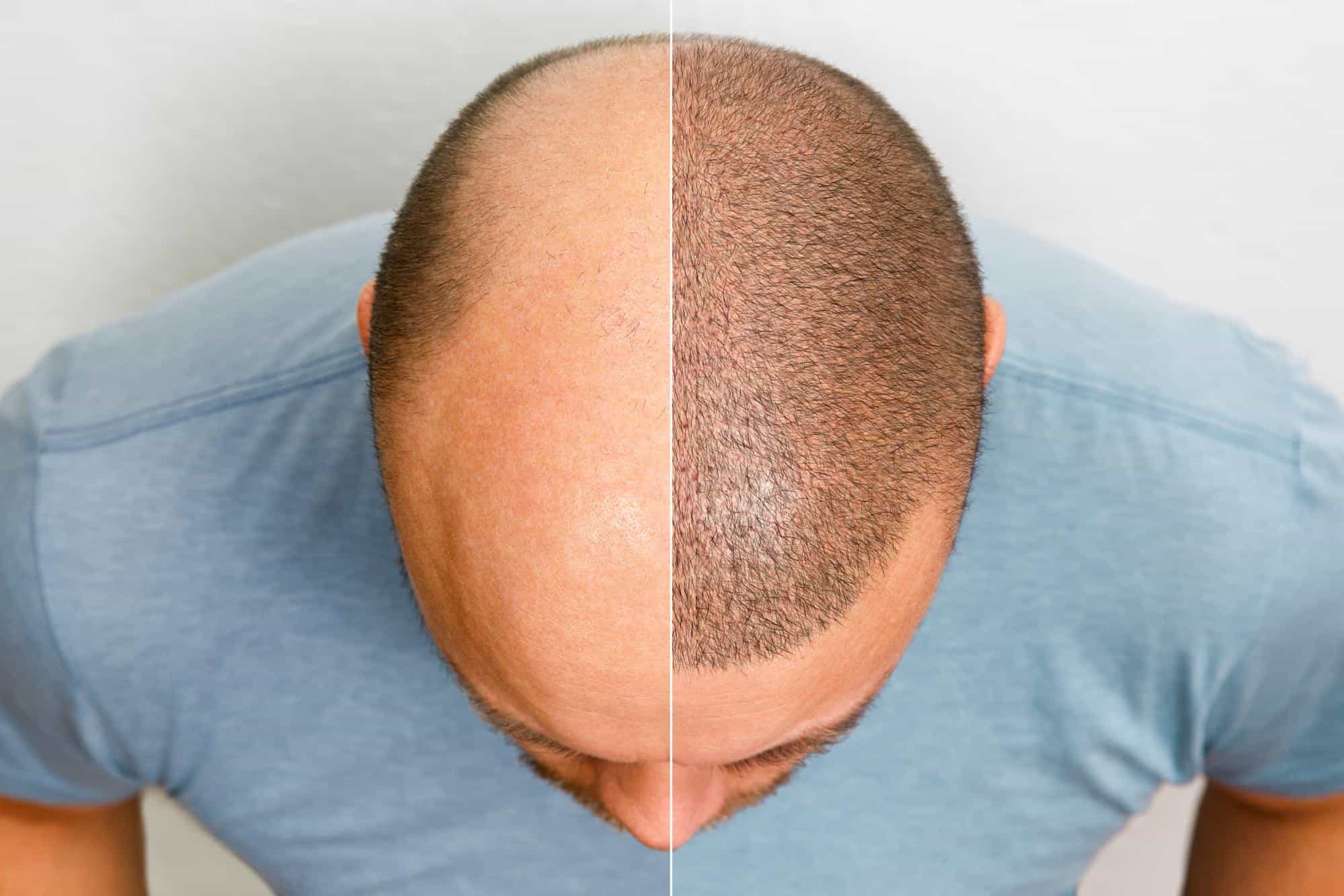
SMP after a hair transplant fits best when surgery has done its part and the mirror still shows gaps. The transplant gives you living follicles. The pigment fills the visual space between them. Seeing the two work together helps, so it’s worth looking at real client results before you weigh up your own case.
A handful of cases bring most people to it.
| Situation | What you’re seeing | How SMP helps |
|---|---|---|
| Limited density | Scalp showing between the grafts | Fills the gaps and lifts perceived thickness |
| Donor scarring | Marks on the back and sides when the hair is short | Shades the surrounding skin so they stop catching light |
| Soft hairline | A front edge that looks thin or irregular | Sharpens and defines the border |
| After a failed hair transplant | Patchy growth and marks you didn’t expect | Blends surviving hair into an even, buzzed finish |
Two of these are worth a second look. Scarring is seldom as simple as colouring over a line, and how cleanly a mark disappears comes down to the scar itself, so our guide on SMP for hair transplant scar camouflage sets out what’s realistic. The failed hair transplant is the hardest of the group. SMP rescues the look here, not the hair, blending what survived into a uniform finish, which is why honest expectations count for so much in this case.
Identified your case? Get an honest assessment
Will Quaye reviews limited density, donor scarring, soft hairlines, and failed transplant cases — including work done elsewhere. Book a free 30-minute consultation, in-person or video call, and find out what’s realistic for your specific case.
SMP Before or After a Hair Transplant: Which Comes First?
In nearly all cases, the transplant goes first, and the pigment follows, since surgery needs to run its course before anyone can judge how much SMP the result calls for.
A surgeon works best on a clean scalp, where graft sites and your existing growth stay easy to read. The result of surgery also keeps changing for months, so laying down pigment too early means aiming at a target that hasn’t settled.
Waiting until the grafts have grown in brings a quieter benefit, too. Your practitioner can then match the pigment to your real hair colour and the density already there, so the finish blends with the new growth, not against it.
The order can run the other way, too, and a hair transplant after SMP is perfectly possible, since the pigment won’t stop a surgeon from harvesting or placing grafts. People who picked the tattooed look first sometimes decide they want real, growing hair down the line, and that door stays open. Dense pigment can make donor mapping a little fiddlier, worth flagging to your surgeon.
None of this makes the order fixed, so the right sequence bends to where you’re starting from and what you want to end up with.
How Long After a Hair Transplant Before You Can Have SMP?
Most surgeons and practitioners suggest waiting six to twelve months before booking SMP after a hair transplant, which gives the scalp the time it needs to recover from surgery first.
| Time after transplant | What’s happening | Ready for SMP? |
|---|---|---|
| First few weeks | Grafts shed, and the scalp heals from the incisions | No |
| Months 1 to 4 | Grafts rest, then new growth starts to push through | Not yet |
| Months 6 to 12 | Coverage fills in and the skin fully recovers | Usually, once your surgeon agrees |
Waiting protects more than your patience, since pigment laid into skin that’s still healing risks poor retention, patchy uptake, and added irritation on tissue that hasn’t calmed down. The regrowth matters as well, because pigment placed before the new hair comes through can end up too heavy once it fills in, leaving a finish that reads darker than it should. Putting that right later means more waiting or laser removal.
Your exact green light depends on how well you heal and how your surgeon rates the result. Some people are ready in six months, others closer to twelve. A practitioner checking the scalp in person can tell you where you stand for your own case.
When to Hold Off on SMP
A few situations call for patience before any pigment work, even when you’re keen to get the look sorted. None of them rules SMP out for good. They point to timing or groundwork that isn’t right yet.
A scalp that hasn’t settled
Healing that drags on past the usual recovery window is the clearest signal to wait. Some people find that graft sites stay inflamed, scabs linger, or folliculitis flares well after the point they expected to be clear. Condition counts for more than the calendar, so a scalp that hasn’t fully calmed waits its turn, whatever the month count says.
A transplant still on the table
A hair transplant after SMP is doable, but if surgery is already in your plans, letting it happen first works in your favour. It gives a single, settled canvas to design the pigment around. Going the other way tends to mean two design jobs where one would have been done.
Health conditions worth flagging first
It’s worth raising anything medical with your practitioner before you book. Skin issues such as psoriasis or eczema, a tendency to keloid scarring, poorly controlled diabetes, or blood-thinning medication can all change how the skin takes pigment and heals afterwards. A quick word with your GP beforehand clears the path and keeps the treatment as safe as it should be.
The Honest Risks Worth Weighing Up
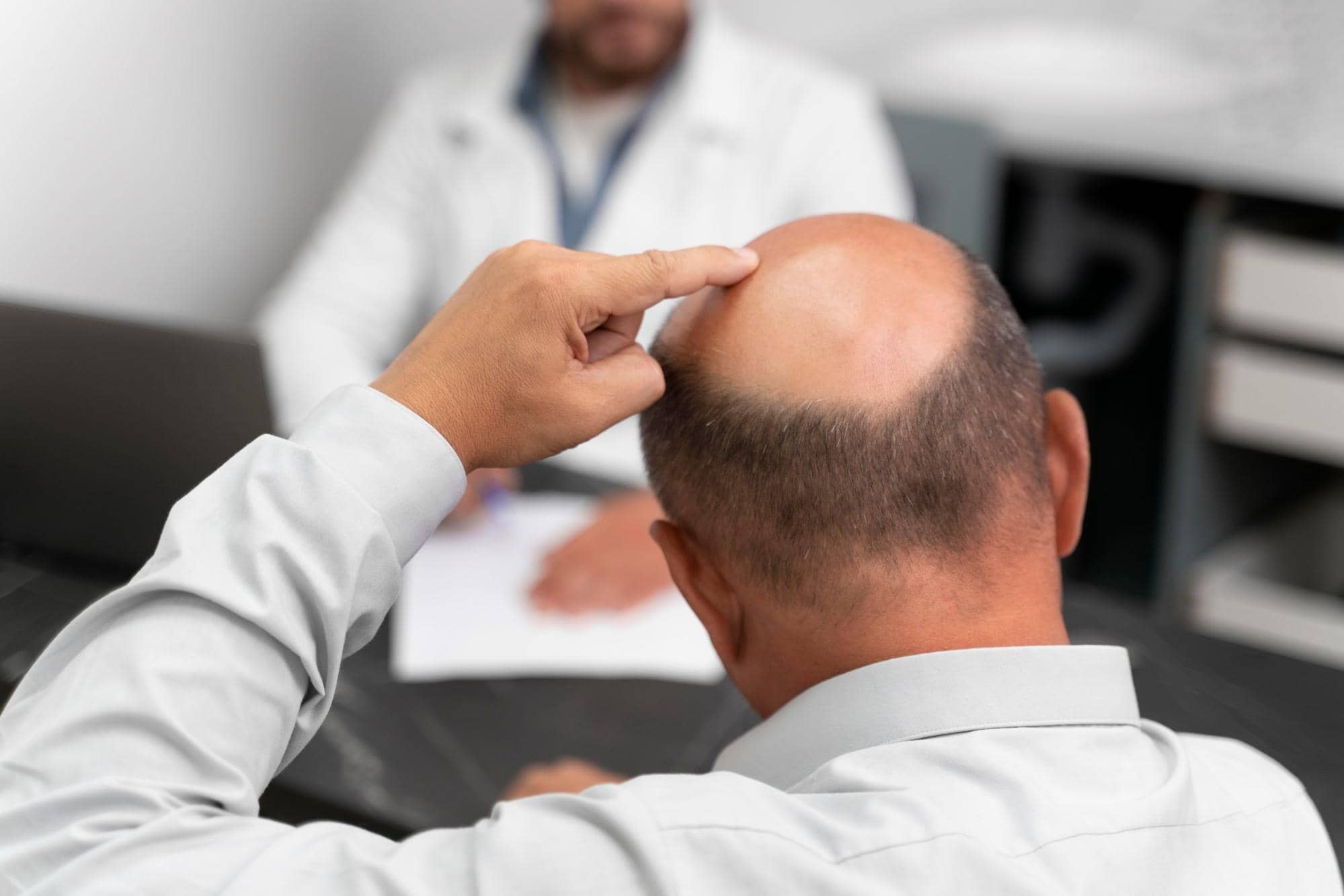
The biggest risk with SMP after a hair transplant is expecting it to do something it can’t. Pigment builds the look of density, not the hair itself. Pair it with a transplant, and you get a convincing fuller finish on a short or shaved style, yet nobody walks away with thick, long, growing hair from the tattoo side of the work. Going in clear on that saves a lot of later disappointment.
Done badly, the treatment can draw attention to the very thing it’s meant to soften. Dots placed too dark or too large sit oddly against fine transplanted hairs, and a clumsy blend can leave grafts looking patchier than before. There’s a slower problem as well. Your own hair lightens and greys over the years, and pigment that doesn’t keep pace can start to read as a mismatch, which makes colour choice a long game, not a one-day decision.
Most of these risks trace back to a single decision: the person holding the needle. Working pigment over surgical sites and settled graft scars takes more than a steady hand. It calls for someone who reads scalp condition, plans for how the skin will heal, and knows when to hold back. At Scalp Nation, that work falls to Will Quaye, a three-time award-winning SMP artist and qualified clinical trichologist, whose grounding in scalp health shapes every call on a post-transplant case.
The right practitioner makes all the difference
Working SMP over surgical sites takes someone who reads scalp condition, plans for how skin will heal, and knows when to hold back. Book a free consultation with Will Quaye — three-time award-winning SMP artist and qualified Clinical Trichologist.
Talk It Through Before You Decide
The honest answer to “is this right for me” comes from a proper look at your scalp, not from an article. A free, no-obligation consultation for SMP after a hair transplant gives you a read on your healing, your density, and what the finish could realistically look like, in person or over video.
FAQ
Will SMP damage my transplanted hair follicles?
No. Pigment goes into a shallow layer of skin, well above where your follicles and grafts live, so it leaves them untouched. Some practitioners note that the light needling can support scalp circulation, an aside, not a reason to book.
How many SMP sessions will I need after a transplant?
Most post-transplant cases run to two or three sessions, spaced out so the skin settles between visits. The lighter the blend you need, the fewer it tends to take, which a practitioner can gauge once they've seen the result you're working with.
Will SMP blend naturally with transplanted hair as it grows?
It can, as long as the colour and dot work are matched to your hair at its short length. The pigment then acts as a backdrop that fills the gaps between strands. The catch is length, since the longer you grow the transplanted hair, the less the SMP underneath does for you.
Can SMP be removed if my situation changes later?
Yes. Laser removal lifts the pigment, and because SMP sits shallower than a standard tattoo, it clears in fewer sessions. Most people reach for a touch-up long before removal comes up, but the option is there if you want a clean slate.
What happens to the SMP if my hair keeps thinning around the grafts?
The pigment stays put as your own hair carries on changing, so a thinning patch can start to show at the edges over time. The fix is simple, since a touch-up extends the SMP into the newly exposed skin and keeps the finish even.

 By Will Quaye

No comment yet, add your voice below!