
Your protective hairstyle shouldn’t steal your hairline. Yet millions lose hair from the very practices meant to manage it. Traction alopecia develops when constant pulling damages follicles beyond recovery. Tight braids, weaves, extensions—all create tension that transforms healthy growth into permanent bald patches. Some damage reverses within months. Other cases require professional intervention. Knowing which category you fall into determines your next steps. This guide separates reversible thinning from permanent loss, then maps out every viable solution.
Key Takeaways
- Mechanical tension from tight hairstyles damages follicles through inflammation, potentially leading to permanent scarring.
- Pain during styling signals active follicle damage requiring immediate hairstyle changes.
- Reversible cases show regrowth within 3-12 months after eliminating tension, but smooth, shiny patches indicate permanent loss.
- Medical treatments (minoxidil, PRP, corticosteroids) work only for non-scarred follicles still capable of regeneration.
- Scarred areas require permanent solutions: hair transplants or scalp micropigmentation, depending on donor hair availability.
- Prevention relies on rotating styling patterns, tension testing, and monthly scalp monitoring rather than product applications.
- Professional assessment distinguishes treatable inflammation from irreversible fibrosis, preventing wasted time on ineffective protocols.
What is Traction Alopecia?
Traction alopecia is mechanical hair loss triggered by repetitive pulling. Tension from tight hairstyles gradually weakens follicles until they stop producing hair entirely.
The damage follows a predictable path. Constant pulling inflames follicles, disrupting the growth cycle. Early intervention allows full recovery. Continued tension triggers fibrosis, which is scarring that permanently destroys follicles’ regenerative capacity. Once scarring sets in, those follicles won’t produce new hair.
This condition differs entirely from genetic or hormonal hair loss. Heredity plays no role. The mechanical stress from styling creates the damage.
Common Affected Areas
| Location | Typical Cause |
|---|---|
| Front hairline & temples | Tight ponytails, slicked-back styles |
| Crown | High buns, tight topknots |
| Sides | Braiding patterns, cornrows |
| Part lines | Weaves, extensions |
Anyone wearing high-tension styles faces risk, though Afro-textured hair shows particular vulnerability due to both styling traditions and structural breakage patterns.
Which Hairstyles Trigger Hairline Damage?
Pain during styling is the first sign. If your scalp stings, burns, or aches while braiding or tying your hair back, follicle damage is already occurring.
The highest-risk styles share one trait: sustained pulling force concentrated on specific areas. These create the mechanical stress that destroys follicles:
- Tight braids and cornrows – tension distributed along the entire hair shaft, particularly severe at anchor points.
- Weaves and sew-in extensions – added weight plus attachment methods create dual stress.
- High ponytails and buns – concentrated pull at temples and crown, worsened when worn daily.
- Dreadlocks – weight accumulation over time, especially when locs reach waist length or beyond.
- Hair extensions (clip-in or glued) – constant attachment point stress, amplified during sleep.
- Wigs with tight caps or adhesive pressure across the entire hairline, blocking follicle recovery periods
The Compound Damage Effect
Chemical relaxers weaken hair structure before tension even enters the equation. Combining straightening treatments with tight styling accelerates follicle destruction. Athletes, dancers, and professionals requiring sleek appearances face an elevated risk through daily repetition of identical patterns.
Rotating between different tight styles doesn’t provide relief. Your follicles need genuine rest, not just varied stress angles.
How Can You Recognise the Early Warning Signs?
Tenderness reveals damage before visible thinning appears. Your scalp shouldn’t hurt between styling sessions.
Beyond discomfort, watch for these progression indicators:
- Small bumps along the hairline – folliculitis developing where tension is greatest.
- Shorter hairs framing bald patches – the “fringe sign” where finer hairs escape tight styling while longer ones pull out.
- Widening part lines – gaps expanding where braids or weaves attach.
- Broken hairs at temples – snapping before reaching shoulder length.
- Itching or flaking – inflammation attempting to repair ongoing damage.
- Recession symmetry – both temples thinning at matching rates.
Early vs Late-Stage Appearance
Early damage shows redness, visible follicle openings, and rough texture. Your scalp still looks active, just irritated.
Late-stage scarring transforms skin into smooth, shiny patches. No follicle openings remain. The surface resembles scar tissue because that’s exactly what it becomes.
How Long for Traction Alopecia to Grow Back?
Three to six months minimum, assuming your follicles aren’t scarred. Regrowth doesn’t begin the moment you change hairstyles.
Hair follicles operate in cycles, not switches. When you stop the tension, damaged follicles first need time to exit their stress response and inflammation phase. Nothing visible happens during this recovery period.
The Recovery Timeline
- Months 0-3: Dormancy
Follicles rest and repair internal structures. Your scalp looks unchanged. This waiting period frustrates most people, but skipping it is biologically impossible.
- Months 3-6: Initial Regrowth
Fine, short hairs emerge. Density remains noticeably thin. These fragile new strands need gentle handling.
- Months 6-12: Maturation
Hair thickness increases as follicles strengthen. Full density becomes apparent if the damage wasn’t severe.
Several factors alter this timeline. Younger individuals typically see faster recovery. Overall health, particularly iron levels and protein intake, influences follicle repair speed. Severity matters most: mild tension damage reverses quicker than years of braiding.
Reversible or permanent? Get an honest answer
Will Quaye — qualified Clinical Trichologist (Institute of Trichologists) — uses dermoscopy to identify whether your follicles retain regenerative capacity or have progressed to scarring. Book a free consultation for a clear assessment. In-person or video call, no obligation.
What Traction Alopecia Treatment Options Actually Work?
Stop the tension immediately. Every additional day of pulling worsens your prognosis.
Hairstyle modification isn’t optional preparation for treatment. Releasing follicles from mechanical stress forms the actual foundation of recovery. Without this step, every other intervention fails.
Medical Interventions for Reversible Damage
Minoxidil stimulates blood flow to struggling follicles. Topical application works for localised patches, while oral formulations suit widespread thinning. Results appear after four to six months of consistent use.
Corticosteroid injections reduce inflammation in actively damaged areas. Dermatologists target injection sites where follicles show stress but haven’t scarred. These calm the immune response attacking stressed follicles.
PRP (platelet-rich plasma) therapy concentrates growth factors from your blood, then injects them into affected scalp regions. The growth factors encourage dormant follicles to resume production.
Low-level laser therapy uses specific light wavelengths to improve scalp circulation. Devices range from clinical caps to handheld tools for home use.
Biotin supplements and hair vitamins don’t repair mechanical damage. They support general hair health but cannot reverse traction alopecia treatment requirements or regenerate scarred tissue.
Can Permanent Solutions Restore Your Hairline?
Scarred follicles won’t regenerate, but modern techniques recreate the appearance of density and definition you’ve lost.
Hair Transplants for Permanent Loss
Transplantation moves living follicles from your donor area (typically the back and sides) into thinned regions. This works when you have sufficient healthy hair to relocate and recipient areas capable of supporting new grafts.
Scarred tissue from traction alopecia creates challenges. Fibrotic scalp has reduced blood supply, lowering survival rates for transplanted follicles. Success requires surgical expertise in handling compromised tissue. Costs range from £4,000 to £15,000, with recovery spanning several weeks before new growth emerges.
Scalp Micropigmentation as an Alternative
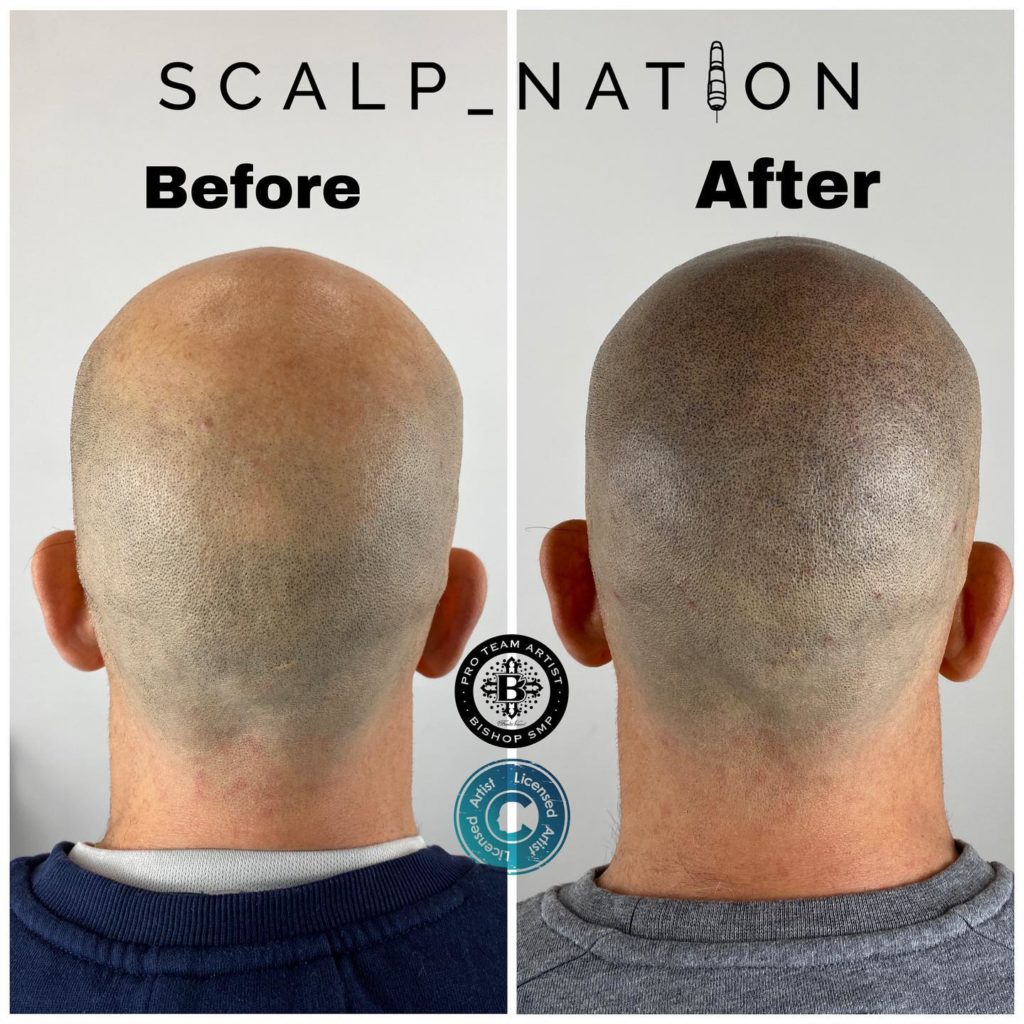
Scalp micropigmentation for alopecia deposits pigment dots that simulate hair follicles across damaged areas. Unlike transplants, this works regardless of donor hair availability or scarring severity.
The technique creates immediate visual results. Practitioners build natural-looking hairlines through precise dot placement, varying sizes and spacing to mirror organic growth patterns. SMP for alopecia particularly suits cases where transplants face limitations due to extensive scarring or insufficient donor reserves.
You can combine this hair tattoo solution with partial regrowth, adding density where follicles still function whilst camouflaging permanently damaged zones.
When Does Traction Alopecia Become Permanent?
Years of sustained tension push follicles past the point of biological repair. No exact timeline exists because individual follicle resilience varies, but chronic pulling over several years typically triggers irreversible damage.
Fibrosis develops when inflammation persists too long. Your body replaces damaged follicle structures with collagen-dense scar tissue. This fibrous material cannot produce hair because it lacks the cellular machinery follicles need for growth.
Dermoscopy examination reveals the shift. Early-stage scalps show reduced follicle density with visible openings. Permanent cases display absent follicle openings entirely, replaced by smooth surface texture and sometimes hyperpigmentation.
Some patches on a single scalp recover, whilst others remain barren. The difference lies in tension distribution. Areas experiencing the most pulling cross into scarring first. Your temples might show permanent loss, whilst your crown retains regenerative capacity.
Book a free consultation for a professional assessment rather than an online diagnosis. Scalp examination reveals nuances invisible in photographs: follicle opening presence, tissue texture, and inflammation levels. These clinical findings determine your realistic options, preventing months wasted on ineffective treatments.
How Do You Prevent Traction Alopecia Progression?
Switch to loose styles immediately, but choose them strategically. Not all “protective” styles actually protect.
Apply the tension test before adopting any hairstyle: if you feel pulling, tightness, or discomfort within the first hour of wearing it, your follicles are under damaging stress. Comfort throughout the day indicates safe tension levels.
Prevention strategies that work:
- Rotate stress points – alternate side parts, change ponytail positions weekly, vary braid patterns to prevent concentrated damage.
- Choose silk or satin accessories – fabric scrunchies instead of elastic bands, satin pillowcases to reduce friction during sleep.
- Limit styling duration – wear loose buns for workdays only, release hair each evening.
- Moisturise regularly – hydrated hair withstands tension better than brittle, dry strands.
- Monitor scalp monthly – photograph your hairline to track subtle changes invisible day-to-day.
❗Seek evaluation if you notice any tenderness despite hairstyle changes.
Will You Address This Today or Delay Further?
Timing separates reversible damage from permanent loss. Early intervention through hairstyle modification gives follicles their best recovery chance. Advanced scarring requires different approaches, from surgical transplantation to micropigmentation. Neither outcome leaves you without options. Professional assessment clarifies which path suits your specific damage pattern, preventing wasted effort on treatments mismatched to your condition.
Whether pursuing regrowth protocols or permanent solutions, action beats waiting. Your hairline deserves strategic intervention, not hopeful delay.
Address it today — not next month
Will Quaye — qualified Clinical Trichologist (Institute of Trichologists), multi-award-winning SMP artist. Free 30-minute consultation to identify whether your case is reversible or requires cosmetic restoration. In-person at Hornchurch or video call. No obligation.
FAQ
How do I know if my traction alopecia is permanent?
Shiny, smooth scalp patches without visible follicle openings indicate scarring. Professional dermoscopy examination distinguishes reversible inflammation from permanent fibrosis definitively.
What's the difference between traction alopecia and other hair loss types?
Mechanical pulling causes this condition, not genetics or hormones. Hair loss patterns follow tension points from specific hairstyles rather than typical hereditary patterns.
Does traction alopecia run in families?
No genetic predisposition exists for the condition itself. Shared hair texture and similar styling traditions across family members create comparable risk patterns, not inherited vulnerability.
Can I wear protective styles again after recovering?
Yes, with modifications: looser tension, shorter wearing periods, rotated patterns, and regular scalp monitoring. Returning to previous tension levels risks recurrence even after successful recovery.
Will my hair texture change after traction alopecia recovery?
Regrown hair typically matches your original texture, though some report slightly finer growth. Permanently scarred areas won't produce any hair regardless of expected texture.


 By Will Quaye

No comment yet, add your voice below!