
Hair loss affects two-thirds of men by age 35, climbing to 85% by age 50. Traditional solutions often fall short, leaving many searching for permanent alternatives. Scalp micropigmentation for hair loss has emerged as a revolutionary non-surgical option, creating the illusion of natural hair follicles through precise tattooing techniques. In this article, we will reveal everything you need to know about this permanent hair loss solution.
Key Takeaways
- Scalp micropigmentation is a specialised tattooing technique that replicates hair follicles
- Ideal candidates include those with pattern baldness, alopecia, and transplant scars
- Real advantages, like immediate results, versus limitations, such as styling restrictions
- Three-session treatment process with a specific timeline and pain expectations
- Aftercare requirements that protect your investment and ensure longevity
- Practitioner selection criteria that separate experts from inexperienced providers
- 2025 pricing landscape and cost considerations for budgeting decisions
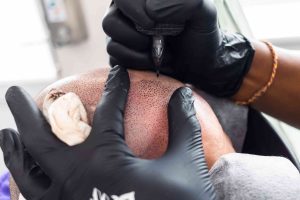
What Is Scalp Micropigmentation and How Does It Work?
Scalp micropigmentation represents a specialised form of medical tattooing designed specifically to address hair loss. This technique involves depositing thousands of tiny pigment dots into the upper dermis layers of the scalp, creating a convincing illusion of closely-shaved hair or enhanced density for thinning areas.
The process differs dramatically from conventional tattooing. SMP treatment utilises micro-needles that are 75% smaller than standard tattoo needles, allowing practitioners to create dots virtually indistinguishable from natural hair follicles. These specialised 3-point needles penetrate just 0.5-1.2mm into the skin – significantly shallower than traditional tattoos that reach 1-2mm or deeper.
Digital rotary machines control every aspect of the procedure with computer precision. Speed, needle depth, and vibration levels can be adjusted to match the delicate requirements of scalp work. This technological precision enables artists to vary dot sizes and spacing, replicating the natural randomness of real hair growth patterns.
SMP for hair loss works through a pointillism approach rather than continuous lines. Each dot represents an individual follicle, strategically positioned to mirror natural growth directions unique to different scalp regions. The pigments themselves are specially formulated to resist colour changes over time, preventing the blue or green tints that can occur with improper tattooing techniques.
The results create a permanent buzz-cut appearance that withstands swimming, sweating, and weather conditions while requiring minimal daily maintenance.
Who Makes the Perfect Candidate for SMP Treatment?
Not everyone suits SMP for hair loss, but the range of suitable candidates might surprise you. Men experiencing male pattern baldness represent the most common recipients. The technique works exceptionally well for creating natural-looking buzz-cut appearances when follicles have surrendered to DHT’s relentless assault.
Those battling alopecia find SMP treatment transformative. Circular patches that appear without warning become seamlessly blended canvas. The technique adapts brilliantly to unpredictable alopecia patterns, unlike treatments requiring consistent hair growth.
Previous hair transplant recipients often discover scalp micropigmentation addresses lingering concerns. FUT and FUE procedures sometimes leave visible scarring or patchy density. SMP camouflages these imperfections while enhancing overall coverage.
Surprisingly, people with existing hair benefit tremendously. Thinning crowns or temples receive instant density boosts without surgical intervention. The treatment adds visual thickness that photographs beautifully and survives close scrutiny.
Age becomes less restrictive than many assume. Practitioners typically recommend waiting until hair loss patterns stabilise, usually after 25-30. However, older clients often achieve outstanding results regardless of advanced balding.
SMP for hair loss works across all skin tones, though darker skin requires patience as contrast develops gradually through layered sessions. Active lifestyles actually favour this treatment – swimming, sports, and travel become worry-free once healing is complete.
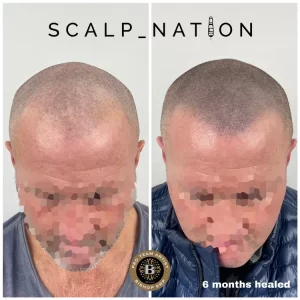
What Are the Real Benefits and Drawbacks of Scalp Micropigmentation for Hair Loss?
Scalp micropigmentation for hair loss delivers genuine advantages alongside some limitations that every candidate should understand before committing. The treatment excels in specific areas while falling short in others.
| Benefits | Drawbacks |
| Immediate transformation – visible results after first session | Limited styling options – restricted to a buzz-cut appearance |
| Weather-proof results – swimming, rain, wind won’t affect appearance | Touch-up requirements – needs refreshing every 3-5 years |
| No surgical risks – non-invasive procedure with minimal complications | Permanent commitment – laser removal required if preferences change |
| Universal application – works regardless of donor hair availability | Sun sensitivity – requires UV protection to prevent premature fading |
| Minimal daily maintenance – simply shave and go | Healing restrictions – 28-day exercise limitations post-treatment |
| Cost-effective long-term – lower lifetime costs than medications | Colour matching challenges – darker skin tones need patient layering |
SMP for hair loss shines brightest for men seeking low-maintenance solutions. Active lifestyles benefit enormously once healing completes. The treatment sidesteps surgical complications while delivering consistent results that photograph beautifully and survive close examination.
However, scalp micropigmentation demands realistic expectations. Men dreaming of flowing locks or frequent style changes should consider alternatives. The commitment level resembles getting a large tattoo – beautiful results require accepting permanent alterations to your appearance.
The decision often hinges on lifestyle priorities. Convenience and reliability versus styling flexibility define most choice-making processes.
How Many Sessions Will You Need and What Should You Expect?
Most SMP treatment journeys unfold across three carefully spaced appointments, each building upon the previous work. This staged approach prevents over-darkening while allowing your skin to heal properly between sessions.
Session One: Foundation Building (2-4 hours)
Your practitioner establishes the hairline and creates basic coverage across targeted areas. Expect lighter pigmentation than your final result – this conservative approach allows for adjustments. Redness and minor soreness typically subside within 24-72 hours.
Session Two: Density Development (2-3 hours)
Scheduled 1-2 weeks after your first appointment, this session adds depth and refines colour matching. SMP for hair loss really takes shape here as the realistic density emerges. Most clients notice a dramatic transformation after this stage.
Session Three: Final Perfection (1-2 hours)
The longest gap, typically 3-4 weeks, precedes your final appointment. This session handles detailed touch-ups and achieves your desired density. Any minor adjustments to hairline shape or colour happen here.
Discomfort remains surprisingly manageable throughout SMP. Most clients rate pain between 2-5 on a ten-point scale. Taking short breaks during longer sessions helps maintain comfort levels.
Recovery between sessions demands patience. Avoid sweating for four days and skip strenuous exercise for 28 days to protect pigment retention. This timeline protects your investment and ensures optimal results.

What Does Proper SMP Aftercare Look Like?
Protecting your scalp micropigmentation for hair loss investment requires disciplined aftercare that evolves through distinct healing phases. Neglecting these guidelines compromises pigment retention and potentially requires costly correction sessions.
First 4 Days: Critical Protection Phase
SMP results depend heavily on this initial period. Avoid sweating completely – salt in perspiration damages fresh pigment deposits. Skip hot showers, saunas, and steam rooms. Gentle hair washing with lukewarm water becomes acceptable after day three.
First 28 Days: Healing and Integration
Exercise restrictions continue through this month-long phase. SMP treatment areas need complete healing before resuming strenuous activities. Swimming pools and oceans remain off-limits due to chemical and bacterial exposure.
Your scalp will scab naturally – resist picking at any point. These scabs protect developing pigment and prevent infection. Moisturise gently with recommended products only.
Long-term Maintenance Guidelines
Sun protection becomes a lifetime practice. UV rays accelerate fading, potentially shortening the time between touch-up sessions. Quality sunscreen or hat-wearing preserves your scalp micropigmentation results.
Regular moisturising maintains scalp health and pigment appearance. Harsh shampoos containing sulfates can strip protective oils. Choose gentle, pH-balanced products that won’t compromise your investment.
Touch-up appointments every 3-5 years keep results looking fresh and maintain that undetectable appearance that makes SMP so appealing.
What Will SMP Cost You in 2025?
SMP treatment pricing reflects the specialised expertise required for natural-looking results. Costs vary dramatically based on coverage area, complexity, and practitioner experience. Understanding these factors helps set realistic budget expectations.
| Treatment Type | Price Range (£) | Best For |
| Small patches/scars | £800 – £1,500 | Transplant scars, alopecia spots |
| Hairline restoration | £1,000+ | Receding hairline correction |
| Male pattern baldness | £2,450 – £3,000 | Complete crown and hairline work |
| Full head coverage | £2,000 – £3,500 | Advanced balding cases |
| Density enhancement | £2,500 – £3,500 | Thinning hair areas |
| Existing client touch-ups | From £350 | Maintenance sessions |
Payment structures make scalp micropigmentation for hair loss more accessible. Most clinics require small booking deposits with remaining costs split 50/50 between your first and second sessions. Finance options launching in 2025 will provide additional flexibility.
SMP represents excellent long-term value compared to ongoing medication costs or multiple hair transplant procedures. Quality practitioners command premium prices, but experienced artists deliver results worth the investment. Cheap options often require expensive corrections later.
How Do You Choose the Right SMP Practitioner in 2025?
Finding skilled practitioners separates transformative results from disappointing experiences. Look beyond fancy websites and focus on clinical qualifications – SMP for hair loss demands specialised training that standard tattoo artists rarely possess.
Examine before-and-after portfolios critically, paying attention to hairline naturalness and colour matching across different skin tones. Quality practitioners showcase diverse client results rather than perfect lighting scenarios. Ask about their trichology training – understanding scalp health separates true specialists from basic technicians.
Scalp micropigmentation requires ongoing relationships, not one-time transactions. This dual expertise becomes evident with our practitioner Will Quaye, whose Clinical Trichologist qualification complements his Level 4 SMP artistry. His three industry awards and Bishop SMP ambassador status reflect the specialised knowledge that produces “undetectable” results across diverse client needs.
Ready to explore your options? Book a free consultation to discuss your specific hair loss pattern and discover whether SMP aligns with your restoration goals.
FAQ
How long does scalp micropigmentation last before needing touch-ups?
Most SMP treatments maintain optimal appearance for 3-5 years before requiring touch-up sessions. Factors like sun exposure, skin type, and aftercare quality influence longevity.
Is SMP suitable for all skin tones and hair colours?
SMP works effectively across all skin tones, though darker skin requires patience as contrast develops gradually through layered sessions. Practitioners can match virtually any natural hair colour.
Can SMP be removed if I change my mind about the treatment?
Yes, SMP removal uses laser technology similar to tattoo removal, though multiple sessions are typically required. The shallow pigment placement often makes SMP easier to remove than conventional tattoos.
How does SMP compare to hair fibres or concealer products for daily use?
SMP provides permanent results that won’t wash off, blow away, or require daily application like hair fibres. Unlike temporary concealers, SMP maintains a consistent appearance through swimming, sweating, and weather conditions.
What happens if I continue losing hair after getting SMP treatment?
Continued hair loss around treated areas can create a visible contrast between pigmented and newly bald sections. Touch-up sessions can extend coverage to maintain seamless blending as your natural hair loss progresses.


 By Will Quaye

No comment yet, add your voice below!