
One of the primary issues with scalp micropigmentation (SMP) that worries most patients is how the procedure will appear both right after the procedure and after some time has passed. People who intend to use this groundbreaking technique to treat hair loss should know what to expect from the treatment from the first application to the last healed result. The transformation process of SMP offers a fascinating glimpse into how this modern cosmetic procedure adapts and settles to create a natural-looking result.
What is Scalp Micropigmentation?
Scalp micropigmentation, also referred to as SMP is a process that aims to make an individual’s hair appear thicker. SMP works by adding coloured pigments onto the scalp in a dotted fashion that imitates hair follicles. This approach is preferred by many people suffering from baldness or hair loss. SMP does not require invasive surgery, and unlike hair implants, it is fast and provides optimal results without any significant healing time.
But, how one gets to their final results is equally as relevant. The SMP process can be divided into two parts: the initial fresh SMP phase and the healed scalp micropigmentation phase. Most individuals are surprised at how different the final results are when comparing the pictures immediately after the treatment and the pigment’s final position days or weeks after. This article will discuss the scalp micropigmentation treatment process, detailing every step from the SMP healing process to prepare for your appointment and what happens after healing. Knowing the differences between the appearance before and after scalp micropigmentation is important for anyone considering the procedure or undergoing it as we speak.
In this article, we will attempt to trace the evolution of the SMP style, identify the factors that influence the outcome of the treatment, and define the best long-term caretaking practices.
Main Differences Between Fresh and Healed SMP
The first thing you should understand is that the results will be vivid and sharp from the moment you get a scalp micropigmentation treatment. This is because the pigment rests on the skin and has not fully settled in. This stage is called fresh SMP, and it frequently looks darker than the final result.
As the SMP healing process begins, several changes occur. The scalp might be slightly irritated in the first few days, and the pigment can appear more intense. Over time, as the skin begins to heal, the pigment softens and blends more naturally with your hair. This is when you see the healed scalp micropigmentation result, which looks more realistic compared to a freshly applied one.
Additionally, one major difference is that as the skin heals, the pigment is bound to lighten slightly. This is all standard and expected as part of the scalp micropigmentation treatment process. Factors such as skin type, aftercare, and the number of treatment sessions completed will determine the final colour and appearance.
Being aware of these changes ensures that one’s expectations are realistic. Although fresh SMP could seem intense at first, the actual SMP style shows up after healing and leaves you with a natural and well-blended result.
What is Fresh SMP?
Fresh SMP refers to how your scalp looks immediately after the micropigmentation treatment. At this point, fresh scalp micropigmentation aftercare is very important. The pigment hasn’t settled yet, so the appearance is much darker and more unnatural than the outcome.
After the procedure, the ink sits on the uppermost surface of the skin, resulting in a colour that is very sharp and bold. Not to mention, the scalp can look slightly red or even have some irritation. And this is perfectly normal. The scalp has just undergone a cosmetic procedure, and therefore, some irritation is to be expected, which subsides in a few days.
A lot of individuals worry about the colour, which looks so strong at first. As the skin heals, like in the first month or so, the shade will soften, and the final result will start coming through. However, this stage is only temporary. The greatest change occurs during the first couple of weeks as the pigment settles into the skin.
What is Healed SMP?
Healed SMP is a state of the scalp around three to four weeks after the procedure when the pigment has settled in, and any redness or irritation has vanished. At this stage, the overall appearance bears a closer resemblance to the actual hair follicles, resulting in an even and natural look.
Perhaps the most obvious change is the gradual softening of the pigment. When the procedure is fresh, the ink appears bold and intense, but it lightens and starts blending with the person’s natural hair as the skin begins recovering. Fading in the harshly treated spots also occurs. This is a part of the body’s absorption and adaptation to the pigment. This is a normal part of healing processes and makes the result look much more realistic.
The healed scalp is smooth and has no irritation. The outcome is stable and well-balanced with a preserved natural hairline or the effect of a shaved head. Even though healed SMP provides long-lasting results, some fading may occur. This is why, to keep the look well-defined, many people will need touch-up sessions every couple of years.
This phrase helps in shaping the right expectations. The deep, dark, and bold appearance is only temporary, and the true final look emerges only after the skin has healed entirely.
Worried about how your fresh SMP looks?
Whether you’re considering SMP or already had treatment elsewhere and it looks too dark — Will Quaye, qualified Clinical Trichologist and multi-award-winning SMP artist, can review your case. Book a free consultation, in-person or via photos.
How to Properly Care for SMP?
Maintaining proper care after your scalp micropigmentation procedure is critical to getting optimal results and maintaining them for a long period. Proper aftercare promotes healing, which ensures the pigment settles nicely and looks natural over time. Here are some aftercare suggestions for both the first stage of healing and long-term follow-ups.
Immediate Aftercare (First Week)
Your scalp is very sensitive immediately after the procedure. It may look darker than expected and have some redness or irritation. Don’t worry, it is absolutely normal, follow these steps to encourage healing during this time.
- Do not wash your scalp for 3-4 days. Shampoo and water can disturb the pigment that is trying to settle.
- Avoid scratching and touching the area. The scalp is often itchy during the healing process, and touching can lead to uneven healing.
- Avoid prolonged exposure to sunlight. If you plan on spending time outdoors, a cap or hat is ideal. UV rays can cause the pigment to fade rapidly.
- Refrain from intense exercise. Excess sweating can directly affect the pigment in the skin.
- Avoid saunas or swimming pools. Moisture of this type can disrupt the settling process.
Healing Stage (Weeks 2-4)
By the second week, you should start to notice the sensitivity of your scalp is decreasing, and the healing process should be underway. During this period:
- Gently cleanse your scalp using a soft, unscented soap. Remember not to scrub, as the skin is still in the process of adjusting.
- Apply moisturiser to avoid excessively dry skin, which will cause flaking or differences in pigments.
- Reduce the amount of time outdoors. While the skin is healing, excessive exposure to UV rays will cause the skin to fade too early. So make sure to apply lotion or wear a cap while outside.
Long-Term Care for the Best Results
Once the area has healed, maintenance is just as crucial as the aftercare to ensure the results last. To keep your before and after scalp micropigmentation transformation looking fresh, you should continue to:
- Use a gentle cleanser.
- Moisturise the scalp on a daily basis.
- Restrict full exposure to the sun.
Additionally, schedule follow-up appointments because, over time, some pigments do fade. However, having a follow-up every few years guarantees a defined and natural appearance.
If you want your scalp micropigmentation treatment to look sharp and fresh for years, your aftercare is important. Taking good care of your scalp serves more than just preserving the results. It helps in making the treatment seamless and long-lasting.
Get personalised aftercare guidance
Every scalp heals differently. Book a free consultation with Will Quaye to get advice tailored to your skin type, lifestyle, and treatment stage. In-person or video call, no obligation.
The Choice Depends on Your Goals
Making an informed decision about scalp micropigmentation requires understanding both the immediate and long-term aspects of the treatment. When you first undergo the procedure, the initial appearance might seem strikingly bold – this fresh SMP phase is entirely normal and temporary. The dots appear more pronounced and darker as the pigment sits on the surface of your scalp, but this intensity gradually softens into a more natural look over the following weeks.
Understanding Your Desired Outcome
Finding whether this cosmetic treatment satisfies your wants depends on your own ambitions and expectations. Some people might be worried about their initial results because the look may seem too overwhelming. Understanding that the process involves multiple steps can alleviate these problems. Once the pigments settle and blend into the skin, a subtle and realistic look that emulates hair follicles occurs.
It’s vital to assess the desired results before proceeding with the treatment. Do you wish to achieve a fuller head of hair? Or are you simply looking to cover up certain specific balding areas? Your specific requirements will determine the approach used during the procedure, such as the level of pigmentation and the manner in which it will be applied.

Taking the Next Step Toward Your Transformation
Consulting with a skilled practitioner is extremely helpful before making your decision. A practitioner in the field will scrutinise your scalp condition, set your expectations, and explain the dynamic changes the fresh SMP will undergo in a period of time. They can illustrate the initial and healed results, further enabling you to understand the SMP procedure. With their experience, they guarantee that the SMP process is perfectly planned to obtain specific targets while ensuring a natural look.
The transformation from a fresh application to a complete one is a long and tedious process that requires a lot of care and time, but in the end, you will surely feel very confident, as the results are noteworthy. Experts can give you a good head start on getting the results you are hoping for by first conducting a professional consultation to better assess your specific goals.
Take the next step — book a free consultation
Will Quaye — qualified Clinical Trichologist (Institute of Trichologists), multi-award-winning SMP artist. Scalp assessment, expectations discussion, personalised treatment plan. Thirty minutes, in-person or video call, no obligation.


 By Will Quaye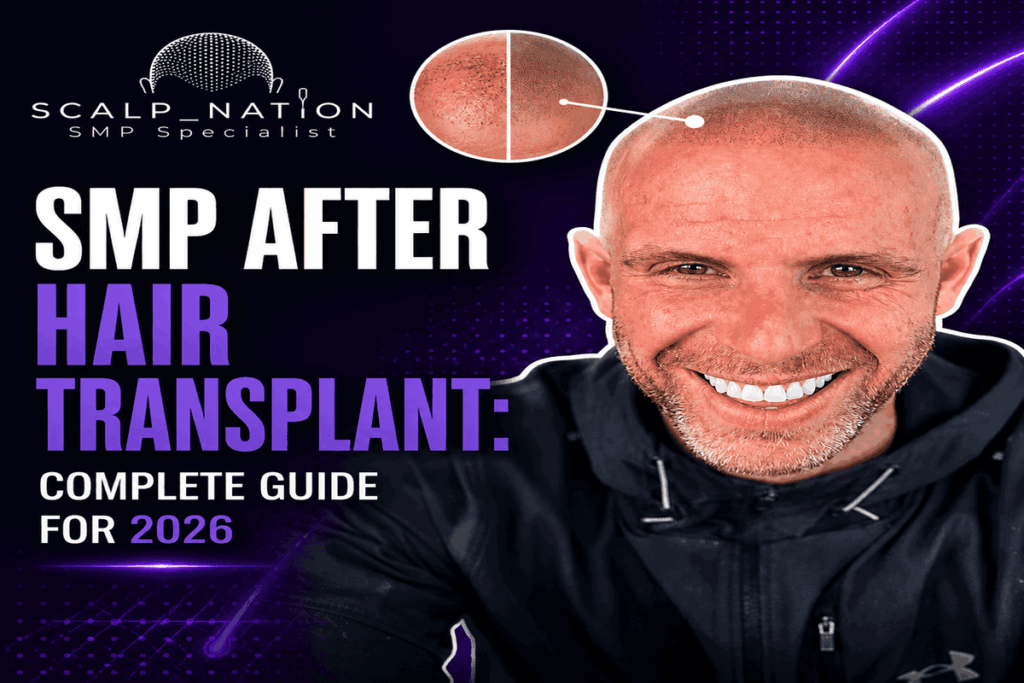

No comment yet, add your voice below!