
Months after your hair transplant, you catch yourself in the mirror and notice something’s still missing. The transplanted hair is growing beautifully, but those subtle gaps between grafts keep catching your eye. Sound familiar? Scalp micropigmentation after hair transplant might be exactly what you need to take your results from good to absolutely incredible.
Scalp micropigmentation is an innovative procedure that uses special dye to simulate hair on the scalp. Picture thousands of tiny, precisely placed dots that create the perfect illusion of natural hair follicles. When combined with your existing transplant results, this technique bridges those visual gaps and delivers the dense, uniform appearance you originally envisioned.
Key Takeaways
- Proper timing is essential – waiting 10-12 months post-transplant ensures optimal healing before SMP application begins.
- Visual density transformation occurs immediately as SMP fills microscopic gaps between transplanted follicles for fuller appearance.
- Comprehensive scar concealment makes both FUE extraction sites and FUT linear scars completely undetectable with proper technique.
- Confidence restoration happens quickly since SMP provides instant visual improvement while protecting your transplant investment.
- Expert application requirements mean choosing experienced practitioners familiar with post-transplant tissue characteristics proves crucial for success.
- Dual treatment synergy creates natural-looking density that surpasses what either hair transplant or SMP achieves independently.
SMP Adds Extra Clarity to The Result
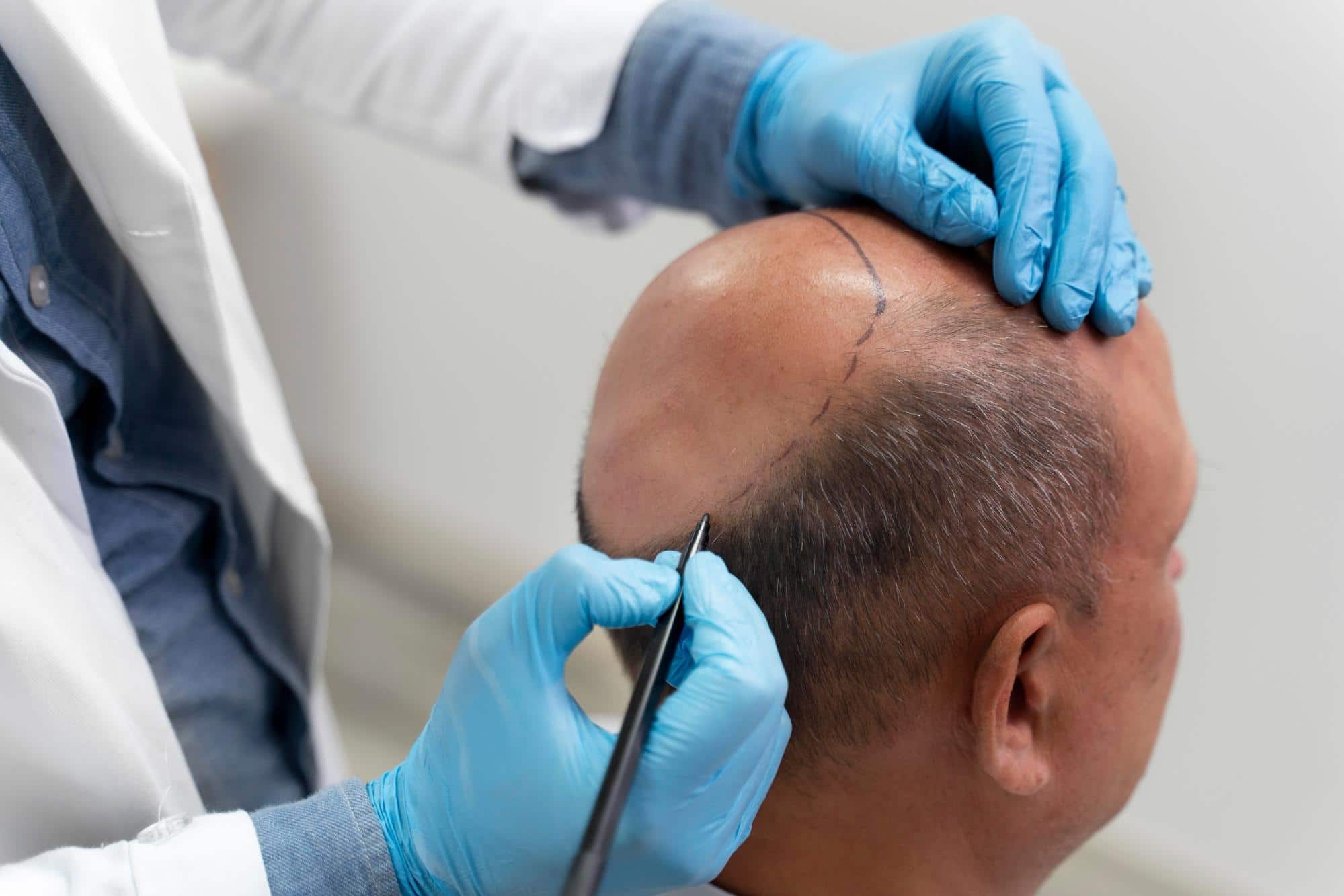
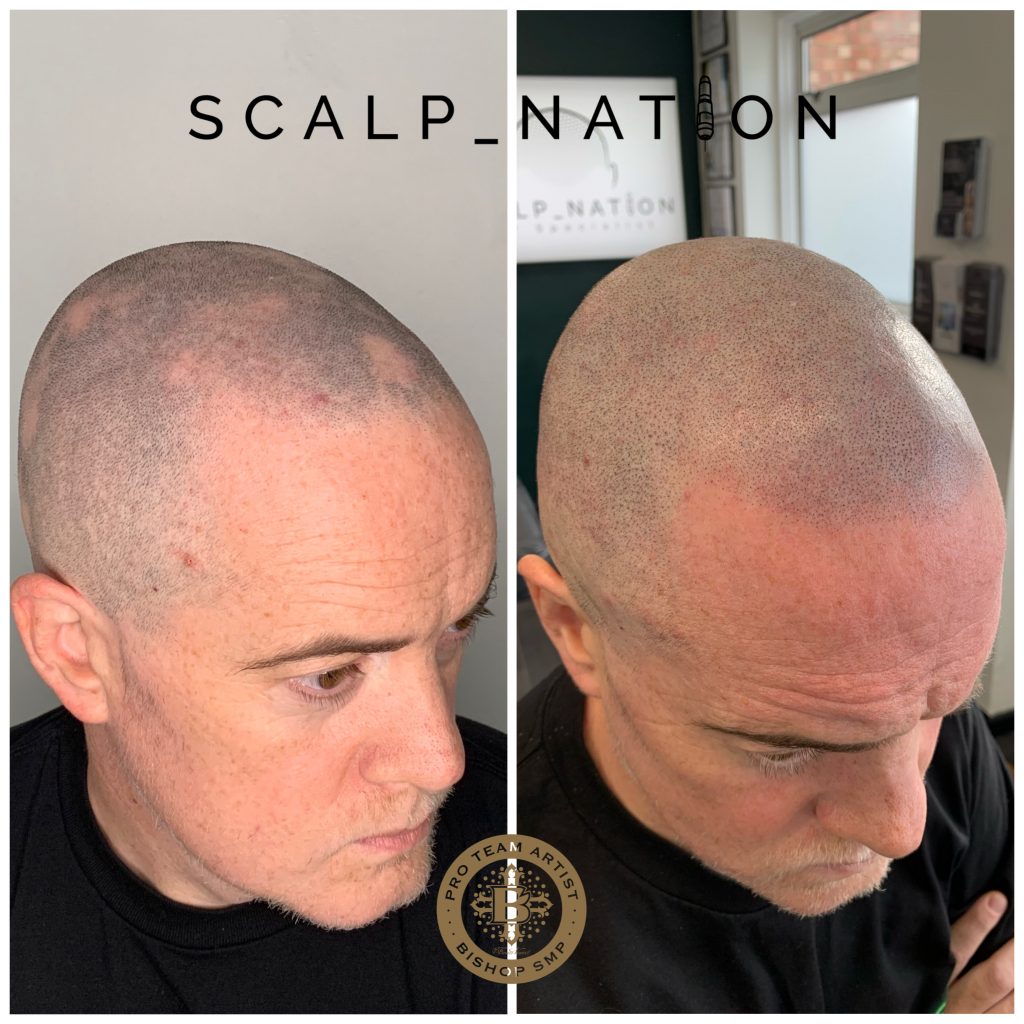
Following hair transplant surgery, SMP after hair transplant provides additional clarity that transforms your overall aesthetic outcome. This specialized procedure strategically fills empty areas between transplanted follicles, establishing a more natural appearance while visually improving hair density throughout the treated region.
Those microscopic spaces between grafts can create an unexpectedly patchy look, even when your transplant has grown successfully. Your scalp’s natural color showing through diminishes the visual impact of all that careful surgical work. Scalp micropigmentation after hair transplant solves this by introducing carefully matched pigmentation that mimics the natural shadow effect created by dense hair growth.
Professional SMP artists understand how to work around existing transplanted hair, creating enhancement rather than competition. The technique focuses on areas where scalp visibility undermines the transplant’s effectiveness, building visual continuity that makes observers assume you’ve always possessed naturally thick hair.
This approach proves especially valuable for clients whose transplants achieved reasonable coverage but lack the seamless density they hoped for. Rather than pursuing additional surgical procedures, strategic pigmentation delivers immediate improvement that maximizes your initial investment’s visual payoff.
Common areas where SMP enhances transplant results:
- Crown regions where graft spacing appears too wide
- Hairline edges that need softer, more natural definition
- Temple areas with insufficient density for complete coverage
- Mid-scalp zones where transplanted hair appears patchy
SMP Hides Thin Hair or Uneven Growth After Transplantation
Hair transplant recovery sometimes reveals unexpected challenges – sparse patches developing here, irregular growth patterns emerging there. SMP and hair transplant together offer a comprehensive solution for addressing these post-surgical variations, adding visual volume while camouflaging imperfections that surface during the healing journey.
Transplanted follicles don’t always cooperate with your aesthetic goals. Some regions may flourish with robust growth while neighboring areas remain frustratingly thin. This natural inconsistency can undermine months of anticipation and significant financial investment. SMP functions as the perfect equalizer, establishing consistent visual density across your entire treated area.
The procedure excels at masking growth irregularities that might otherwise require months of waiting or additional surgical intervention. Instead of enduring prolonged uncertainty about potential improvement, SMP with hair transplant delivers immediate resolution that creates the appearance of uniformly thick, healthy hair coverage.
Female clients particularly appreciate this combination approach, since diffuse thinning patterns often respond more favorably to density enhancement than additional grafting procedures. The pairing provides a non-surgical pathway to achieving the fullness that transplantation alone might struggle to deliver effectively.
SMP Can Hide Scars After Hair Transplant
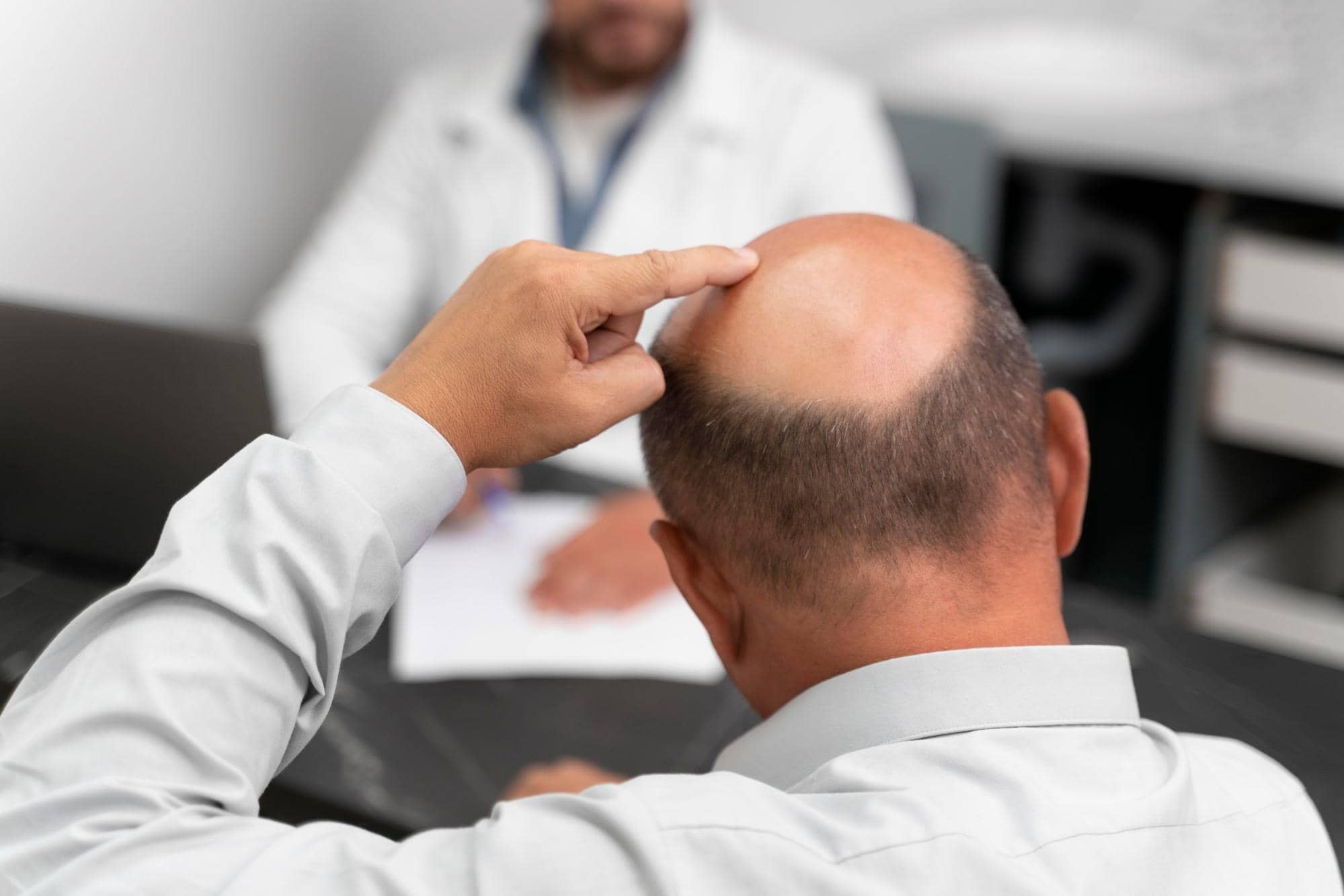
Post-surgical scarring represents one of the most compelling applications for scalp micropigmentation after hair transplant. Whether your procedure involved FUE techniques leaving small circular marks or FUT surgery resulting in linear scars, specialized pigmentation can render these surgical evidence virtually invisible to any observer.
FUE procedures, despite their minimally invasive nature, still generate hundreds or thousands of tiny extraction points throughout the donor region. These small white dots become increasingly noticeable when hair is styled short or when natural donor area thinning occurs over time. SMP hair transplant scar camouflage specifically addresses these areas, applying precisely matched pigmentation that blends seamlessly with surrounding healthy tissue.
FUT strip scars present different concealment challenges – a linear mark potentially stretching several inches across the posterior scalp. Traditional approaches depend on surrounding hair coverage to hide this evidence, severely limiting your styling flexibility. SMP eliminates these restrictions by creating convincing hair stubble appearance directly over scar tissue, permitting much shorter hairstyles without revealing any surgical history.
The pigmentation process demands meticulous color matching and expert application technique to ensure artificial follicle simulation integrates naturally with your existing hair characteristics and skin undertones. This precision guarantees that even detailed inspection won’t detect the aesthetic enhancement.
Different scar types that SMP effectively conceals:
- FUE punch scars: Small circular marks from follicle extraction
- FUT strip scars: Linear incision marks across the donor area
- Accident-related scalp scars: Trauma or injury-related scarring
- Previous surgery scars: Marks from earlier cosmetic procedures
When to Schedule Your SMP Enhancement
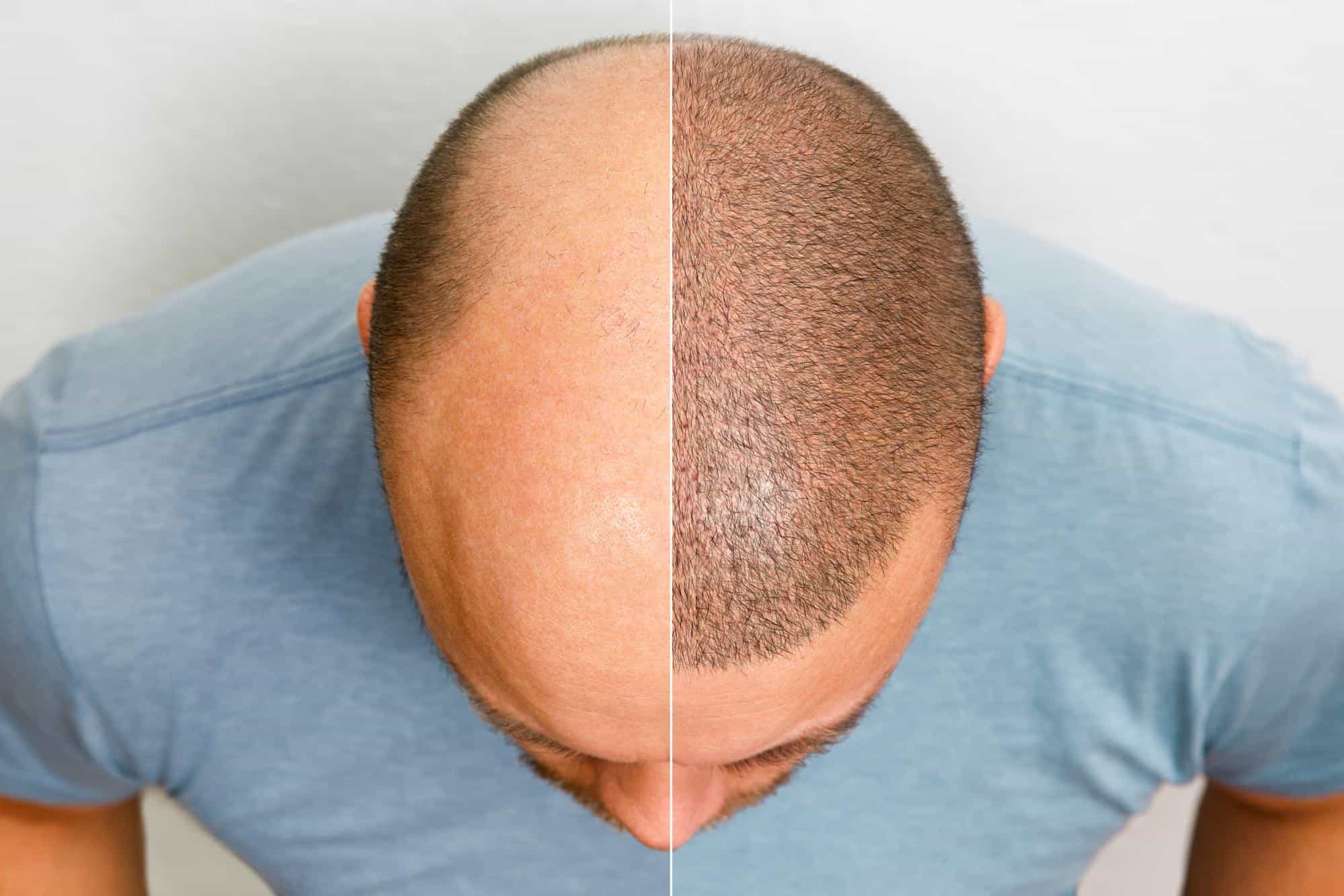
Strategic timing proves absolutely crucial for achieving optimal results with scalp micropigmentation density enhancement procedures. SMP should only commence after your scalp achieves complete healing from hair transplant surgery – typically requiring a full 10-12 month recovery period before beginning any pigmentation work.
This extended waiting timeline serves several critical functions in protecting your investment. Initially, it allows all transplanted grafts to establish proper vascular supply and begin generating mature, healthy hair growth. Attempting SMP prematurely can disrupt this delicate biological process and potentially compromise your transplant’s long-term success.
Additionally, the complete healing duration reveals the authentic final results of your transplant procedure. Hair development occurs gradually and inconsistently, with certain areas demonstrating excellent outcomes while others may fall short of expectations. Only after full follicular maturation can specialists accurately evaluate which regions would benefit most from pigmentation enhancement.
Throughout the waiting period, your scalp tissue returns to normal physiological function following surgical trauma. Recently operated sites maintain elevated blood circulation and immune system activity that can cause premature SMP pigment degradation. Specialists achieve superior color retention and treatment longevity by working exclusively on completely healed tissue.
Professional SMP practitioners employ various specialized techniques to match your specific hair characteristics, including natural color variations, texture patterns, and individual growth directions. This customization ensures the enhancement appears completely organic while seamlessly integrating with your transplanted hair results.
SMP: The Perfect Addition to Your Look
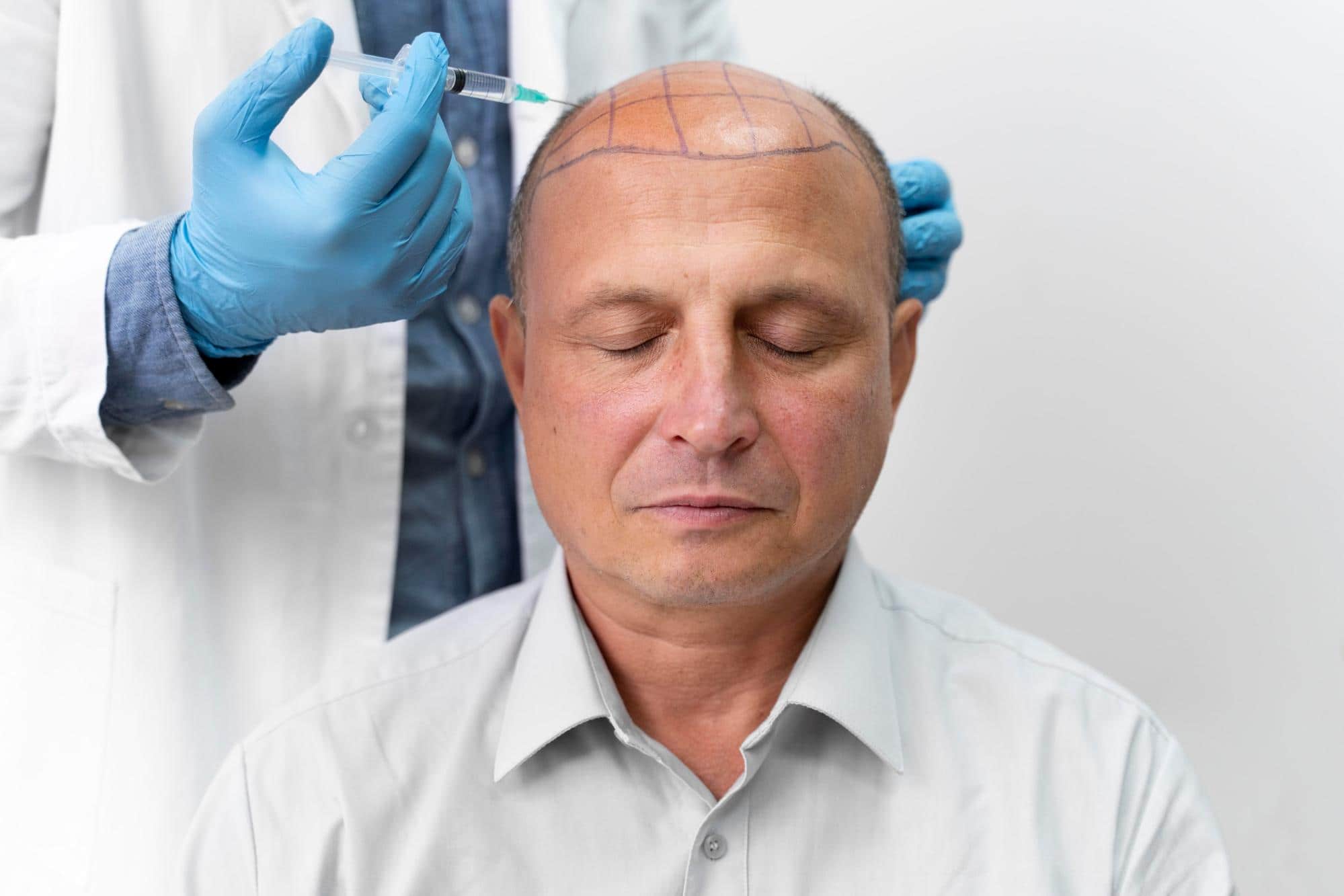
The strategic combination of SMP and hair transplant together represents the ultimate methodology for achieving naturally thick, confidence-inspiring hair restoration results. This approach transcends simple problem-solving – it optimizes every element of your hair restoration investment to deliver outcomes that consistently exceed initial expectations.
SMP with hair transplant creates powerful synergistic benefits that neither individual treatment can accomplish independently. Your transplant provides genuine, growing hair that responds to styling and maintenance like your original hair. The SMP contributes visual density and seamless coverage that makes your hair appear consistently full from every viewing angle, under any lighting conditions.
This combination strategy particularly benefits clients experiencing extensive hair loss who may lack sufficient donor hair reserves for complete surgical coverage. Rather than accepting partial restoration results, the integrated technique enables comprehensive aesthetic improvement addressing both functional hair replacement and cosmetic enhancement needs.
Beyond physical transformation, this comprehensive methodology delivers psychological advantages extending far beyond mere appearance improvement. Clients consistently report enhanced confidence in social interactions, professional environments, and personal relationships. The natural-looking results eliminate persistent self-consciousness that sometimes lingers even after successful hair transplant procedures.
Life-changing benefits clients experience with combined treatments:
- Morning routine simplification: No more strategic styling to hide thin spots
- Exercise freedom: Swimming and sweating without density concerns
- Professional confidence: Meetings and presentations without hair worries
- Social comfort: Photos and videos become enjoyable again
- Relationship ease: Intimacy without self-consciousness about appearance
At HairSocial, we recognize that hair restoration represents much more than cosmetic enhancement – it constitutes an investment in your overall life quality. Our specialized expertise in both post-transplant care and advanced SMP techniques positions us uniquely to guide you through this transformative experience, ensuring you achieve the exceptional results you truly deserve.
FAQ
How long should I wait after my hair transplant before getting SMP?
A minimum 10-12 month waiting period after hair transplant completion is essential before considering SMP procedures. This timeline ensures complete healing of donor and recipient areas, allows transplanted hair to reach full maturity, and creates optimal conditions for superior SMP pigment retention with natural-looking integration.
Will SMP interfere with my transplanted hair growth?
Properly executed SMP will never interfere with transplanted hair development. The pigmentation occurs within upper dermis layers, positioned well above deeper follicular structures where hair growth happens. Actually, SMP enhances transplanted hair appearance by generating visual density between individual grafts.
How much does SMP after a hair transplant typically cost?
SMP pricing varies significantly based on treatment area dimensions, procedural complexity, and required session quantity. Generally, post-transplant enhancement work ranges from $1,500 to $4,000. This investment frequently represents a fraction of additional transplant surgery expenses while delivering comparable visual density improvements.
Can I get another hair transplant after having SMP done?
Additional hair transplant procedures remain completely possible following SMP treatments. Pigmentation resides within superficial skin layers without interfering with surgical access to deeper follicle implantation sites. However, waiting at least 2 months after SMP completion before pursuing hair transplant surgery is recommended.
How long will my SMP results last, and will I need touch-ups?
SMP typically maintains effectiveness for 3-6 years before requiring maintenance touch-ups, depending on individual skin characteristics, sun exposure patterns, and aftercare compliance. Pigments gradually fade naturally over time, actually helping maintain realistic appearance as your hair color potentially changes with aging. Most clients schedule refresher sessions every 4-5 years to restore pigmentation vibrancy.

 By Will Quaye
No comment yet, add your voice below!