
Noticing your scalp micropigmentation fade doesn’t signal disaster. Each client experiences some degree of pigment lightening over time, which remains completely normal. However, knowing what triggers SMP fading helps you distinguish between expected changes and genuine concerns. This guide reveals five primary reasons behind pigment loss and proven strategies to maximise your treatment’s lifespan.
Should You Worry About Your Fading SMP?
Distinguishing between expected gradual lightening and concerning rapid loss requires understanding typical progression patterns. Most clients experience natural smp colour fading over 3-5 years, requiring maintenance rather than complete retreatment.
Initial healing brings dramatic changes that often worry clients unnecessarily. Scabs form over each micro-dot, appearing darker and larger than the actual pigment underneath. When these naturally shed after 7-10 days, the remaining colour appears much lighter. This healing response explains why smp fading after the first session seems so pronounced.
| Normal Fading | Problematic Fading |
| Gradual lightening over 3-5 years | Rapid colour loss within 6-12 months |
| Even distribution across treated areas | Patchy or uneven pigment retention |
| Maintains a realistic hair appearance | Develops blue/grey discolouration |
| Requires touch-ups every few years | Needs frequent corrections |
| Responds well to maintenance sessions | Shows poor response to additional treatments |
Long-term colour stability depends on proper application technique, quality pigments, and diligent aftercare. Some individuals notice their SMP keeps fading faster due to genetic factors, lifestyle choices, or medical conditions affecting skin regeneration rates. Professional evaluation becomes necessary when fading accelerates beyond normal timelines, develops unusual colour shifts, or creates a patchy appearance. Early intervention prevents minor issues from becoming major problems.
5 Key Causes Why SMP Pigments Fade
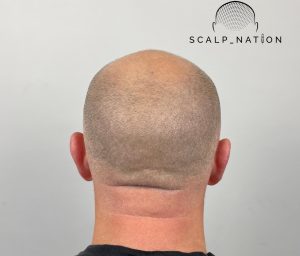
The causes of SMP fading empower you to take protective action. These five factors determine how long your treatment maintains its appearance and vibrancy.
1. Natural Skin Regeneration & Immune Response
Your body constantly renews skin cells through natural skin regeneration, pushing older layers toward the surface where they eventually shed. This biological process gradually carries away pigment particles deposited during treatment.
The immune system treats SMP pigment as foreign material, deploying specialised cells called macrophages to break down and remove these particles. This response varies dramatically between individuals – some people’s immune systems work more aggressively than others.
Key differences from traditional tattoos:
- SMP pigment placement occurs at a shallower skin depth
- Traditional tattoos penetrate deeper layers rich in blood vessels
- Superficial placement prevents spreading whilst maintaining crisp definition
- This positioning makes pigment more susceptible to natural elimination
Factors affecting immune response:
- Age significantly influences cellular turnover rates
- Younger clients often experience faster pigment elimination
- Mature skin regenerates more slowly, providing better retention
- Individual immune system activity varies considerably
2. Sun Exposure & UV Damage
Ultraviolet radiation breaks down pigment molecules at the molecular level, causing gradual colour degradation. Even brief daily exposure accumulates over time, creating noticeable lightening effects.
Common misconceptions about UV protection:
- Cloudy conditions provide little protection (80% of UV rays penetrate clouds)
- Indoor exposure through windows still causes damage
- Brief outdoor activities accumulate significant exposure over time
Seasonal considerations:
- Summer: Intense direct sunlight poses obvious risks
- Winter: Snow reflection can double UV exposure
- Spring/Autumn: Often catch people off guard when establishing routines
- Year-round: Consistent protection proves more effective than seasonal efforts
Professional outdoor workers face accelerated fading without proper protection. Construction workers, groundskeepers, and sports professionals require extra vigilance about scalp coverage and sunscreen application.
3. Chemical Exposure
Swimming pool chlorine aggressively attacks organic pigments, causing rapid colour degradation. Regular swimmers notice accelerated fading unless they take preventive measures. Saltwater presents similar challenges, though generally less severe than chlorinated environments.
Problematic hair care ingredients:
- Alcohol-based styling products
- Sulfates in harsh shampoos
- Clarifying treatments designed to strip buildup
- Medicated scalp treatments for dandruff or psoriasis
Professional treatment risks:
- Chemical peels affecting scalp areas
- Certain facial treatments with chemical runoff
- Medical procedures involving topical medications
- Always inform practitioners about your SMP beforehand
Household cleaning products occasionally contact the scalp during routine activities. Bathroom cleaners, kitchen degreasers, and gardening chemicals all pose potential risks when proper precautions aren’t taken.
4. Physical Trauma
Aggressive washing techniques cause mechanical damage to both skin and pigment. Scrubbing with rough towels, using stiff brushes, or applying excessive pressure during shampooing gradually wears away colour density.
Common physical damage sources:
- Washing: Vigorous scrubbing, hot water, rough towels
- Shaving: Dull blades, excessive pressure, wrong direction
- Environmental: Wind-blown particles, urban pollution, friction from headwear
- Sports: Contact activities, helmet use, swimming training
Post-healing shaving requires careful technique. Using dull blades, applying too much pressure, or shaving against the grain can irritate treated areas and accelerate pigment loss. Electric razors generally provide gentler results than manual blades during the first month after treatment.
5. Individual Variation Factors
Skin type dramatically influences pigment retention rates in ways that practitioners can predict to some extent, though individual responses often surprise everyone involved. Oily skin often experiences faster fading because sebum production can interfere with pigment stability. Conversely, very dry skin may develop flaking that carries away surface pigment before it properly settles.
Hormonal fluctuations affect skin regeneration cycles throughout different life stages. Pregnancy, menopause, thyroid conditions, and certain medications alter how quickly skin cells turn over, directly impacting pigment longevity. These changes can occur years after initial treatment, creating unexpected fading acceleration.
Stress levels influence immune system activity in ways that extend far beyond mental wellbeing. Chronic stress can accelerate the body’s attempts to eliminate foreign materials, including SMP pigment. Managing stress through lifestyle changes supports better treatment outcomes, though this connection often goes unrecognised. Medical conditions affecting circulation, immune function, or skin health create unpredictable fading patterns that require special consideration during treatment planning and aftercare.
Aftercare Mistakes That Accelerate Fading
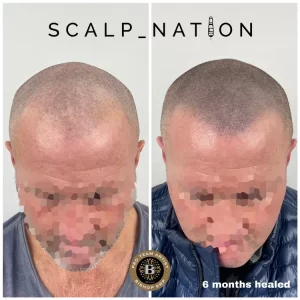
Poor scalp care after SMP represents the most preventable cause of premature colour loss. Many clients inadvertently sabotage their results through seemingly harmless daily habits that accumulate significant damage over time.
Product Selection Errors
Continuing pre-treatment hair care products without considering their impact on pigment longevity proves costly over months and years. Alcohol-based styling products, harsh clarifying shampoos, and medicated scalp treatments all accelerate fading at rates that shock clients who assume these products remain safe post-treatment.
Insufficient moisturising creates dry, flaky skin that sheds excessively, carrying away pigment particles. The scalp requires different moisturising approaches than facial skin – lighter, non-comedogenic formulations work best for maintaining optimal conditions without creating buildup that interferes with pigment appearance.
Sun Protection Negligence
Many clients diligently protect their scalp during the first month, then gradually relax their vigilance as healing completes. This inconsistent approach allows cumulative damage to develop over time, creating gradual fading that seems mysterious until the connection becomes obvious. For comprehensive scalp health assessment and personalised care recommendations, consider scheduling a trichology consultation to address any underlying conditions that might affect your treatment’s longevity.
Skipping recommended follow-up appointments prevents early detection of fading issues that could be addressed before they become significant problems. Regular check-ins allow practitioners to spot developing concerns and implement corrective measures during the optimal intervention window.
How Can You Prevent SMP Fading?
Effective SMP fading prevention requires consistent daily habits rather than occasional intensive efforts. Simple adjustments to your routine create significant improvements in treatment longevity.
Daily Protection Habits
Sun protection essentials:
- Apply broad-spectrum SPF 30+ sunscreen every morning
- Reapply after swimming, sweating, or midday outdoor activities
- Choose water-resistant formulations for active lifestyles
- Don’t rely on makeup or hair products with SPF alone
Headwear guidelines:
- Wide-brimmed hats provide superior coverage over baseball caps
- Choose breathable fabrics to prevent excessive sweating
- Ensure proper fit without creating friction points
- Remove periodically to allow scalp air circulation
Gentle cleansing techniques:
- Use lukewarm water instead of hot temperatures
- Choose mild, sulfate-free shampoos specifically
- Apply soft patting motions when drying
- Avoid vigorous rubbing or scratching movements
Lifestyle Adjustments
Swimming protection strategies:
- Rinse scalp with fresh water before entering chlorinated pools
- Apply protective barrier creams when available
- Limit underwater time to reduce chemical exposure
- Always rinse thoroughly with fresh water afterwards
Travel considerations:
- Pack familiar, proven hair care products
- Research local water quality and environmental factors
- Maintain consistent routines despite schedule changes
- Account for altitude and climate differences
Seasonal care adjustments:
- Winter: Increase moisturising due to dry heating systems
- Summer: Enhance sun protection and sweat management
- Spring/Autumn: Establish consistent year-round routines
- Year-round: Monitor and adjust based on results
Professional Maintenance
Realistic touch-up schedules depend on individual fading rates, lifestyle factors, and personal preferences. Most clients benefit from evaluation sessions every 2-3 years, with minor adjustments performed as needed.
Practitioner selection criteria:
- Experience with faded hair tattoo corrections specifically
- Understanding of colour matching techniques
- Knowledge of density restoration methods
- Portfolio demonstrating consistent, natural results
Quality matters more than cost when planning maintenance. Male hair loss treatment requires specialised expertise that generic tattoo artists cannot provide. Proper training and experience ensure consistent, natural-looking results.
When Your SMP Fading After the First Session Becomes Concerning
Rapid SMP fading after the first session beyond normal healing expectations requires immediate professional attention. Several warning signs indicate issues rather than natural progression, though distinguishing between normal and problematic changes requires educated observation. Uneven colour distribution suggests application problems that won’t resolve with time or additional sessions.
Red flags requiring professional evaluation include:
- Uneven fading across treated areas
- Unusual colour shifts toward blue or grey
- Complete colour loss within 6-12 months
- Patchy appearance rather than gradual lightening
- Poor response to initial touch-up attempts
Professional SMP should fade uniformly across treated areas, creating a gradual lightening rather than a patchy appearance. Distinct contrast between different scalp regions indicates technique deficiencies or equipment problems requiring corrective intervention. Unusual colour shifts toward blue, grey, or green tones signal pigment quality issues or incorrect application depth that will worsen over time without correction.
Communication with your practitioner becomes crucial when concerns arise, though many clients hesitate to raise questions about unexpected results. Document changes with photographs taken under consistent lighting conditions, note timeline details, and maintain honest dialogue about your observations. Specialists in hair loss treatment for men understand normal healing patterns and can distinguish between temporary concerns and genuine problems requiring intervention.

Ready to Protect Your SMP?
These five primary causes – natural skin regeneration, UV exposure, chemical damage, physical trauma, and individual variations – account for most SMP fading patterns. Prevention strategies focusing on sun protection, gentle care routines, and appropriate product selection significantly extend treatment lifespan. Proactive maintenance prevents minor issues from becoming major problems. Understanding normal fading patterns helps you respond appropriately when changes occur, seeking professional guidance when necessary rather than waiting for problems to worsen.
Quality SMP treatments provide years of confidence and convenience when properly maintained. Your investment deserves protection through informed care choices and regular professional oversight. Ready to ensure your SMP treatment maintains its appearance for years to come? Book a Free Consultation to discuss personalised maintenance strategies and address any concerns about your current results.

 By Will Quaye
No comment yet, add your voice below!