
Losing your hair? You’re definitely not alone. Millions across Britain wake up each morning noticing more scalp showing through. Traditional remedies often fall short, leaving people searching for permanent fixes. Two main options keep coming up in conversations: hair tattoos (scalp micropigmentation) and hair transplants. Both claim they’ll sort out your hairline troubles, but they couldn’t be more different in practice. Knowing these differences helps you pick what actually works for your situation.
Key Takeaways
- How quickly you see results: Hair tattoos show changes straight away, hair transplants take 6-18 months for the full effect
- What you’ll pay: Hair tattoos run £2,500-£6,000 typically, hair transplants can hit £4,000-£30,000
- Pain factor: Hair tattoos feel like mild scratching (2-5 out of 10), transplants mean proper surgical recovery
- Who can get them: Hair tattoos suit everyone regardless of remaining hair, transplants need enough donor follicles
- Upkeep needed: Hair tattoos want touch-ups every 3-5 years, transplants might need extra sessions later
- Daily life impact: Hair tattoos let you carry on normally, transplants mean weeks of being careful
- Style choices: Hair tattoos give you that close-shaved look, transplants let hair grow longer
How to Deal With The Problem of Hair Loss?
Hair starts disappearing and suddenly every mirror becomes your enemy. Confidence takes a proper beating. Around 6.5 million blokes in Britain deal with male pattern baldness, whilst roughly 8 million women face thinning hair too. This goes way beyond just looks – it messes with job interviews, dates, even grocery shopping becomes awkward.
The usual suspects promise much but deliver little. Minoxidil might help some people, though you’ll be applying it forever. Finasteride blocks the hormones causing trouble but brings its own baggage. Wigs work until the wind picks up or you fancy a swim.
Two modern options actually tackle the problem head-on. Hair tattoos and hair transplants both offer permanent answers, though they go about it completely differently. Hair tattoos are getting massive attention from British patients because they’re straightforward and they work. No months of healing, no complicated aftercare routines.
Which one suits you depends on your circumstances, how you live, and what you’re hoping to achieve. Both have their strengths, but they solve different parts of the hair loss puzzle.
What are Hair Tattoos?
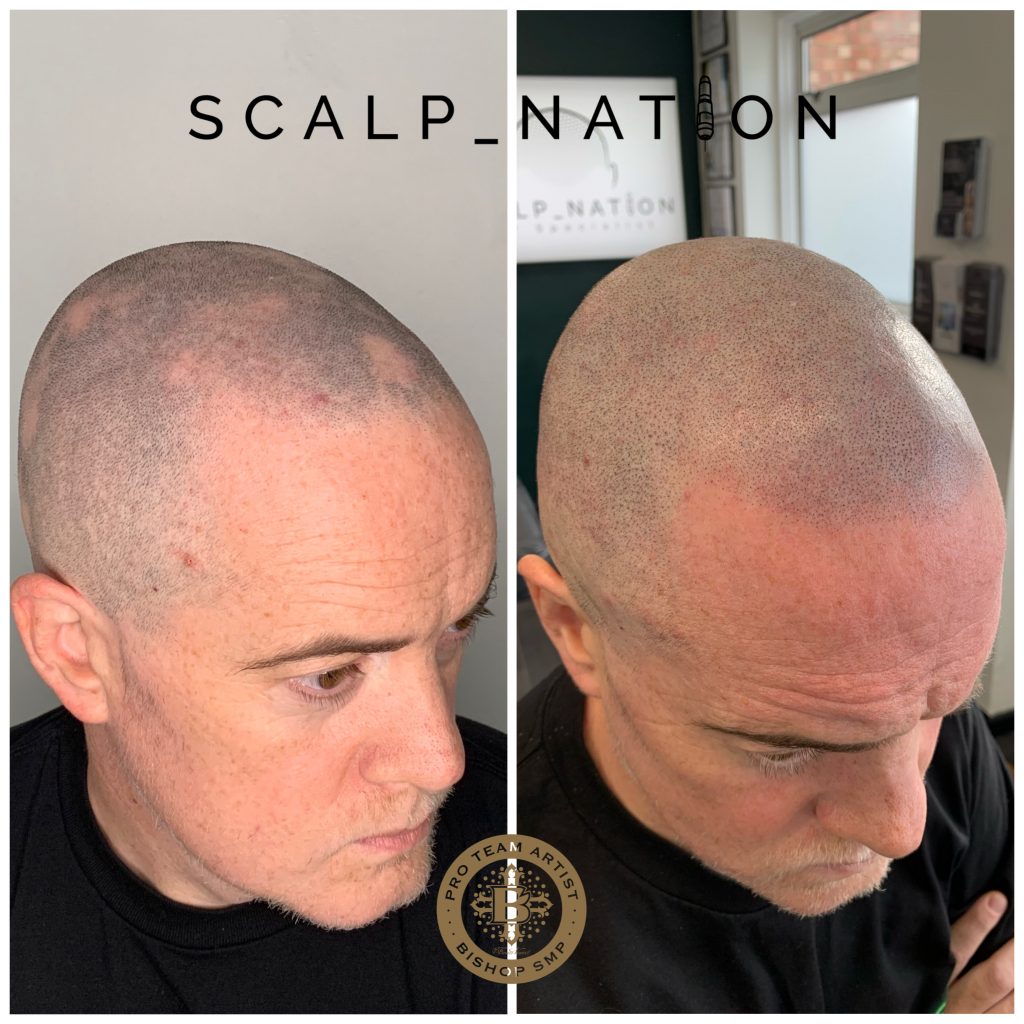
Think of hair tattoos as incredibly clever artistry. Scalp micropigmentation uses tiny needles to place dots of pigment just under your skin’s surface. Each dot looks exactly like a hair follicle would if you’d just had a proper close shave.
You’ll need 2-3 appointments spread out over a few weeks. During each visit, the practitioner matches the pigment perfectly to your natural colouring and skin tone. The needles are much smaller than regular tattoo equipment, so it’s more like someone gently scratching your scalp than proper pain. Most people say it’s no worse than getting a filling at the dentist.
Changes show up immediately after your first session. By the second appointment, the transformation is often dramatic. This technique handles any type of hair loss brilliantly – receding hairlines, bald patches, even complete baldness. Hair tattoos also hide scars beautifully, whether from accidents or previous hair transplant surgery.
Professional SMP uses different pigments than regular tattoos. These stay true to colour over time, avoiding those awful blue-green tints that sometimes happen with standard tattooing. When done properly, hair tattoos fool everyone – even your barber won’t spot the difference.
Perfect for anyone wanting instant improvement without going under the knife. The finished result looks like you’ve just had the world’s best buzz cut.
What is a Hair Transplant?
Hair transplant surgery moves healthy follicles from the back and sides of your head to areas that have gone bald. Surgeons use two main methods: FUE (taking follicles one by one) and FUT (cutting out a strip of scalp). Both need local anaesthetic and can take most of a day.
The surgical side means proper aftercare. Prescribed medicines, gentle washing, no heavy lifting or exercise. Most people need at least a week off work, sometimes two.
Here’s what recovery looks like:
- First few days: Bandages stay put, minimal movement allowed
- Week one: Careful hair washing starts, scabs form around new grafts
- Weeks 2-4: Stitches come out, still no gym or sports
- Months 2-4: New hair falls out (this is normal, don’t panic)
- 6-12 months: Fresh growth finally appears
- 12-18 months: You see the final results
Costs vary wildly based on how many grafts you need. Small jobs might cost £4,000, extensive work can reach £15,000 or more. Many people need multiple sessions to get the density they want, especially if hair loss is advanced.
Success depends on your surgeon’s skill, the clinic’s standards, and how well you heal. Some studies claim 90% success rates, but real-world results differ massively between different providers.

Benefits of Hair Tattooing
Instant Results Without the Wait
Hair tattoos work immediately. You leave the clinic looking completely different, no months of wondering if it’ll work out. No recovery time keeping you off work or away from the gym. Within a couple of days, you’re back to normal routines.
Sensible Money
The numbers speak for themselves. Complete hair tattoo treatments cost £2,500-£6,000, way less than quality hair transplants. No surprise bills for medicines, complications, or follow-up surgeries. You know exactly what you’re paying upfront.
Works for Everyone
Hair tattoos don’t care how much hair you’ve got left. Advanced baldness, failed transplants, not enough donor hair – none of this matters. The technique adapts to any situation.
Comfortable and Safe
No surgery means no surgical risks. Most people rate the discomfort somewhere between getting a haircut and a dental cleaning. No cuts, no stitches, no tissue removal. Just precise dots creating realistic results.
Fits Your Life
Active people love this aspect. Swimming, football, whatever you’re into – it all carries on as normal. No special shampoos, careful sleeping, or avoiding certain activities. Rain, shine, or snow – your new hairline stays perfect.
The technique suits British weather perfectly too. No more hat strategies or avoiding windy days.
Disadvantages of Hair Transplantation: Why is it Difficult?
Money Troubles
Hair transplant UK prices often shock people. Quality procedures cost £4,000-£30,000, often needing payment plans. Then come the extras: special shampoos, medicines, dealing with complications. Many underestimate the true cost.
Limited by What You’ve Got
Transplants only work if you’ve got enough healthy hair to move around. People with extensive baldness often can’t get treatment at all. The surgery essentially steals from one area to help another, sometimes creating new thin patches.
Long Recovery with Risks
Healing takes weeks of careful management. Time off work, no exercise, social plans on hold. Things can go wrong too:
- Infections needing antibiotics
- Grafts failing leaving patchy results
- Unnatural appearance from inexperienced surgeons
- Visible scarring especially with strip methods
- Ongoing hair loss around transplanted areas
Uncertain Outcomes
Even expensive procedures don’t guarantee results. Graft survival varies between people, and you might hate the final look despite spending thousands. Some need multiple surgeries to get decent coverage, doubling or tripling costs.
Waiting over a year for final results creates serious anxiety. Unlike hair tattoos’ immediate satisfaction, hair transplants demand endless patience with no guarantees.
Who is Suitable For Hair Tattoos?
Hair tattoos work for almost everyone dealing with hair loss. Early thinning gets camouflaged brilliantly, whilst advanced baldness gets completely transformed. The treatment suits people who’ve got scars from accidents, previous surgery, or medical conditions.
Perfect candidates:
- Busy professionals who can’t take weeks off work
- People watching their budget wanting permanent results without huge expense
- Those preferring short styles or the buzz-cut look
- Anyone tired of unrealistic transplant promises
- People wanting immediate confidence without surgical drama
Age rarely matters with hair tattoos, unlike hair transplants which need you to wait until your hair loss pattern settles. Young people experiencing early baldness can sort things out immediately rather than suffering for years.
The treatment particularly suits people who’ve looked into hair transplants but feel uncomfortable about surgery, long recovery times, or unpredictable results.

Why Hair Tattoos Are The Best Choice
Hair tattoos make sense for modern life. They combine effectiveness, reasonable cost, and convenience in ways hair transplants simply can’t match. The instant transformation eliminates all that worry and uncertainty that comes with surgical approaches.
Think about the practical benefits: no time off work, no activity restrictions, no surgical complications, and clear pricing. Results appear immediately and get better with each session, building confidence steadily rather than requiring months of hope.
The versatility handles any hair loss stage. Early thinning or complete baldness – hair tattoos provide effective answers. They enhance existing hair beautifully or create full coverage when you’ve barely got any follicles left.
Professional hair tattoo treatments give you:
- Immediate confidence boost through visible changes
- Better value long-term compared to multiple procedures or endless treatments
- Complete lifestyle freedom without maintenance hassles or weather worries
- Reliable outcomes removing uncertainty and disappointment
Investing in professional hair tattooing pays off through restored confidence and simplified daily routines. No more strategic hat wearing, avoiding certain lighting, or panicking about weather. Being able to forget about your hair completely? That’s the real victory.
FAQ
How long do hair tattoo results last compared to hair transplants?
Hair tattoos need refreshing every 3-5 years to keep looking sharp, whilst transplanted hair is meant to be permanent but might need extra procedures if your natural hair keeps thinning. The pigments fade gradually over time, so maintenance sessions keep everything looking fresh and well-defined.
Can hair tattoos be combined with existing treatments?
Absolutely. Hair tattoos work brilliantly alongside other hair loss treatments. They can boost the appearance of hair transplants by filling gaps between grafts, hide scars from previous procedures, or team up with medicines like finasteride and minoxidil to create fuller-looking coverage whilst those treatments do their work.
Do hair tattoos look natural on different skin tones?
Experienced practitioners excel at matching pigments to individual skin colours and hair tones, ensuring natural results regardless of ethnicity. The secret lies in choosing skilled technicians who understand colour matching and have extensive portfolios showing successful treatments across diverse skin types.
What happens if I want to change my hairline shape later?
Hair tattoos offer plenty of flexibility for future changes. Skilled practitioners can adjust hairlines, add density elsewhere, or even remove sections using laser treatment if needed. The modular approach allows for evolution with changing preferences or natural hair loss progression.
Are there any medical conditions that prevent hair tattooing?
Very few medical conditions completely rule out hair tattooing, though practitioners typically avoid active scalp infections, severe scarring, or people prone to raised scar formation. Most health conditions don’t interfere with the procedure, making it accessible to people who might not qualify for surgical options.

 By Will Quaye
No comment yet, add your voice below!