
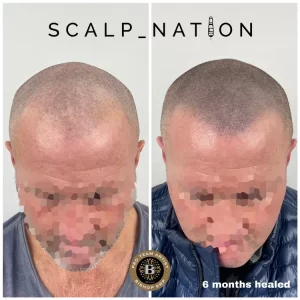
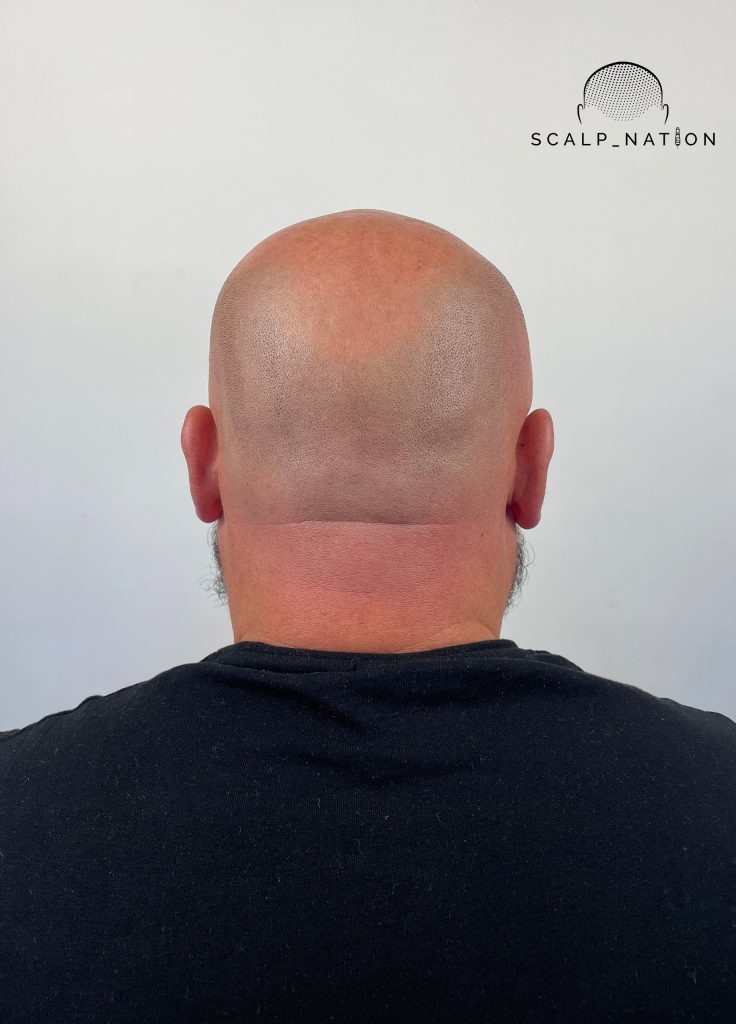
Scalp micropigmentation places thousands of precision pigment deposits beneath your scalp’s surface. These microscopic dots replicate natural hair follicles with remarkable accuracy. This SMP hair treatment addresses hair loss, thinning patches, and scarring through permanent results.
Your investment’s success hinges on proper aftercare, though. Skip the recommended protocols? You risk faded pigment, patchy healing, or color distortion. Even expertly performed procedures can fail without appropriate post-treatment attention.
The difference between stunning, long-lasting results and disappointing outcomes often comes down to following aftercare guidelines precisely during those first critical weeks.
Key Takeaways
- The first 4-5 days control your outcome – Miss these basics and you’ll see the consequences for years
- UV protection never stops – Think of sunscreen as daily maintenance, not temporary healing help
- Wrong products destroy pigment faster than time – Your shampoo choice matters more than you realize
- Skipping professional check-ups costs money later – Small problems become expensive corrections
- Healing care differs completely from maintenance care – Your routine must evolve as recovery progresses
Why Hair Care Transforms After SMP Treatment
Your scalp care routine changes completely once you receive scalp micropigmentation. Traditional hair products and washing methods no longer suit your needs. The pigment deposits create new rules for daily maintenance.
SMP pigment sits in your skin’s dermal layer. This placement differs from deeper tattoo ink. Your scalp’s thin skin, constant sun exposure, and frequent washing create unique challenges. Regular tattoo aftercare advice doesn’t apply here.
Poor aftercare creates expensive problems quickly. Fading accelerates when you use harsh products. Uneven healing requires correction work. Color shifts happen when pigments react badly to certain ingredients. Some clients see patchy results within months of treatment.
Your skin type affects healing significantly. Oily scalps need different cleansing approaches. Sensitive skin requires gentler formulas. Age influences recovery speed. Health conditions impact pigment integration. Cookie-cutter aftercare advice rarely works perfectly.
Money matters here, too. Excellent care extends results beyond typical 3-5 year expectations. Neglected maintenance shortens lifespan to 1-2 years instead. The math is simple – better care means fewer touch-ups and lower long-term costs.
The Critical First Week
This initial period determines whether your results meet expectations or disappoint. Your scalp undergoes complex healing processes that lock pigment in place permanently. Mistakes during this window create lasting consequences.
Keep Your Scalp Completely Dry
Water exposure ruins fresh SMP work. Period. The pigment needs time to bond with the surrounding tissue. Moisture causes migration, fading, or uneven settling. This creates a blotchy appearance that screams “bad tattoo work” to anyone who looks closely.
Face washing becomes a strategic operation during this period. Use washcloths carefully around your hairline. Dry shampoo works for surrounding hair, though many clients avoid the entire area completely. Better safe than sorry.
Safe Shower Techniques:
- Point the showerhead completely away from your scalp
- Medical-grade shower caps provide better protection than drugstore versions
- Baths eliminate overhead water risk entirely
- Get help washing untreated hair areas if needed
Moisture interference shows up immediately. Scabs soften prematurely and take pigment with them. Extended wetness makes pigment “blur” under your skin. Sharp follicle dots become fuzzy smudges. The realistic hair illusion disappears.
Sun Protection
UV radiation attacks fresh pigment relentlessly. New deposits lack protective tissue coverage that develops over weeks. Brief sun exposure during healing causes permanent color changes instantly.
British weather tricks many clients. Cloudy days still deliver damaging UV rays. Spring sun feels gentle but hits exposed scalps hard. Winter reflection off the snow catches people off guard. Year-round protection isn’t optional.
Complete Protection Strategy:
- Wide-brimmed hats that shade your entire scalp
- UV umbrellas for extended outdoor activities
- Stay indoors during peak hours (10am–4pm) when possible
- High-SPF scalp sunscreen after initial healing completes
Color shifting happens faster than most people expect. UV breaks down pigment molecules immediately upon contact. Prevention works. Correction doesn’t. Once color changes occur, only professional touch-ups can fix the damage.
Moisturizing
Moisturizing supports long-term scalp health and pigment appearance. Start too early? You interfere with natural healing. Wait too long? Excessive dryness affects pigment integration. Timing matters enormously.
Most practitioners recommend starting gentle moisturization 7-10 days post-treatment. Initial scabbing should resolve naturally first. Product selection and application technique determine success more than exact timing.
Medical-grade moisturizers outperform drugstore options consistently. They avoid fragrances, dyes, and harsh preservatives. These ingredients irritate healing skin and interact poorly with pigment deposits. Sensitive skin formulas work best.
Apply thin, even layers that absorb completely. Clean hands only. Thick application traps bacteria. Residue-leaving products interfere with natural skin processes. Less is definitely more here.
Hygiene Without Compromise
Cleaning your scalp while protecting fresh pigment requires careful balance. Oil and dead skin still accumulate. Removal becomes necessary. Aggressive cleaning damages healing tissue and affects final results though.
Itching drives people crazy during healing. Scratching removes scabs prematurely. Damaged pigment deposits create patchy results. Keep fingernails short. Light gloves during sleep prevent unconscious scratching.
Smart Cleaning Approaches:
- Pat gently with clean, soft towels instead of rubbing
- Alcohol-free wipes work for surrounding areas only
- Cornstarch-based powder absorbs excess oil safely (avoid treated areas)
- Wash hands thoroughly before touching healing scalp
Normal healing includes mild redness, light scabbing, and some itching. Excessive swelling, pus, severe pain, or infection signs require immediate professional attention. Don’t guess – call your practitioner when concerned.
Long-term Care
Initial healing ends, but care continues indefinitely. Long-term protocols keep your hair SMP treatment looking vibrant for years. Neglect this phase and you’ll need touch-ups sooner than expected.
Sun Protection as Lifestyle
Daily UV protection becomes a permanent habit. Not a temporary healing requirement. Sun exposure causes the majority of premature SMP fading. Consistent protection determines long-term satisfaction levels.
Seasonal changes require strategy adjustments. Summer demands obvious precautions. Winter sun reflecting off the snow surprises many people. Spring and autumn weather shifts catch clients unprepared. Year-round vigilance pays off.
Quality SPF products designed for scalp use provide reliable protection. Broad-spectrum formulas with SPF 30+ work best. Avoid products that leave white residue. They interfere with your SMP’s natural appearance.
Activity levels affect product needs. Golfers need different protection than office workers. Swimming requires waterproof formulas. Running means sweat-resistant options. Match products to your lifestyle.
Shampoo Selection and Technique
Wrong shampoos destroy SMP faster than time alone. Harsh sulfates break down pigment bonds gradually. Aggressive cleansers irritate scalp tissue. Certain preservatives cause unwanted reactions that affect appearance.
Harmful Ingredients to Avoid:
- Sodium lauryl sulfate (SLS) and similar harsh detergents
- Salicylic acid and exfoliating acids
- Heavy fragrances causing sensitivity reactions
- Clarifying formulas that strip everything aggressively
Gentle cleaning preserves scalp health and pigment integrity together. Lukewarm water works better than hot. Heat opens pores excessively and affects pigment stability. Use fingertips, not nails. Circular motions stimulate circulation without surface damage.
Washing frequency depends on oil production and lifestyle factors. Every other day suits most clients. Oily scalps might need daily cleaning. Others extend to every third day successfully. Find your balance between cleanliness and over-washing.
Professional products often deliver superior results. These formulations consider cosmetic procedures specifically. They avoid ingredients known to cause pigmented skin problems.
Regular Moisturizing Protocols
Ongoing moisturization supports scalp health while maintaining optimal SMP appearance. Proper hydration keeps skin supple. This may help preserve pigment vibrancy over extended periods.
Scalp needs differ from face or body requirements. Oil production varies. Environmental stresses change. Products designed specifically for scalp care typically work better than repurposed alternatives.
Effective Long-term Moisturizing:
- Apply 2-3 times weekly unless scalp feels particularly dry
- Choose products that absorb completely without greasy residue
- Focus on overall scalp health, not just SMP areas specifically
- Adjust frequency based on seasonal humidity and indoor climate control
Winter heating creates excessive dryness, requiring more frequent application. Summer humidity might reduce moisturizing needs. Pay attention to how your scalp feels and looks. Adjust accordingly.
Professional Maintenance
Regular professional maintenance keeps your SMP treatment performing optimally throughout its lifespan. Daily aftercare handles routine needs. Professional assessment catches problems early before they become expensive.
Touch-up timing varies between individuals. Most clients benefit from a professional evaluation 12-18 months after initial treatment. This doesn’t mean immediate work is necessary. Expert assessment identifies early fading signs or changes that benefit from intervention.
Gradual, even fading, occurs normally over time. Patchy fading, color shifts, or texture changes indicate problems requiring professional correction. Learn the difference between expected aging and concerning developments.
Seasonal evaluations help assess environmental impact on your results. Spring appointments evaluate winter damage from dry indoor air or snow reflection. Autumn check-ins determine summer sun protection effectiveness.
Maintaining your relationship with the original practitioner provides significant advantages. They understand your skin characteristics, treatment techniques used, and pigments selected for optimal results. This knowledge enables precise maintenance recommendations.

Your Path to Lasting Confidence
Aftercare discipline transforms SMP from a temporary fix into a permanent solution. The effort required pays dividends through extended results, maintained confidence, and reduced costs over time.
Quality aftercare directly correlates with satisfaction levels. Clients following comprehensive protocols report higher satisfaction consistently. They experience longer intervals between touch-ups. Complications occur less frequently. Overall results exceed expectations more often.
Your investment deserves a maintenance commitment matching its significance. You wouldn’t neglect expensive orthodontic work by skipping dental care. SMP requires similar ongoing attention to preserve benefits.
Professional guidance supports you throughout your entire SMP experience. Daily care becomes routine eventually. Expert consultation for questions, concerns, or optimization helps ensure decisions support rather than compromise results.
Start implementing these recommendations immediately after treatment. Continue indefinitely. Early habits established during initial healing often determine long-term success levels.
Contact Scalp Nation’s experienced team for personalized aftercare guidance matching your specific treatment and lifestyle needs. Our comprehensive support ensures maximum benefit from your smp treatment investment for years ahead.
FAQ
How long should I wait before getting my scalp wet after SMP?
Keep your scalp bone dry for 4-5 days minimum after treatment. This period allows pigment integration with skin tissue. Water exposure too early causes pigment migration, uneven healing, or premature scab removal, compromising final results. After this window, resume washing gradually using gentle techniques only.
What type of moisturizer is best for post-SMP care?
Medical-grade, fragrance-free moisturizers work best for SMP maintenance. Avoid harsh chemicals, strong fragrances, or exfoliating ingredients completely. Choose formulas that absorb fully without greasy residue. Start moisturizing 7-10 days post-treatment once initial healing completes. Apply thin layers 2-3 times weekly or as needed.
Can I exercise normally after SMP treatment?
Skip intense workouts for one full week after SMP treatment. Sweating interferes with healing and pigment integration during critical early days. Light walking is acceptable. Avoid activities causing significant perspiration, though. After week one, gradually resume normal routines while maintaining sun protection and gentle scalp care.
Will my SMP fade if I swim regularly?
Swimming won’t necessarily cause fading with proper precautions. Chlorinated water can be harsh on pigmented skin, so rinse immediately before and after swimming. Apply waterproof sunscreen protecting against UV reflection from water. Consider swim caps for extended pool sessions. Salt water is gentler than chlorine but requires thorough rinsing afterward.
How do I know if my SMP is healing properly?
Normal healing includes mild redness lasting 1-3 days, light scabbing flaking off naturally within one week, and some itching during skin regeneration. Treated areas appear darker initially before settling to the final shade. Contact your practitioner immediately for excessive swelling, pus formation, severe pain, or infection signs like red streaking or fever.

 By Will Quaye
No comment yet, add your voice below!