Shaved Head Maintenance Routine for Healthy Skin and Scalp

shaved head

Running your hand across a freshly shaved head feels incredible. Smooth. Clean. Confident. But here’s what nobody mentions when you first pick up that razor. Your scalp suddenly becomes the most exposed, vulnerable skin on your entire body, and it’ll punish you for ignoring it. Both the shaved-head woman rocking a bold look and the guy embracing his bald head face the same reality. Without proper head shaving aftercare, you’re signing up for redness, flaking, razor bumps, and that awful tight feeling by lunchtime.

Key Takeaways

  • Around 100,000 hair follicles cover your scalp, and every single one becomes a potential trouble spot after shaving
  • Morning routines need three non-negotiables. Mild cleanser, lightweight moisturiser, SPF 30 minimum
  • Technique beats equipment every time. A £5 safety razor with proper prep outperforms a £200 electric shaver used wrong
  • Night-time recovery isn’t optional. That’s when your scalp actually heals
  • Seasons change, and so should your products. What rescues you in July will fail you in January
  • Two weeks of persistent problems? Stop Googling and see a professional

Why Your Scalp Needs Different Care After Head Shaving

Think about what you’ve just done. You’ve taken roughly 100,000 hair follicles that spent years protected under hair and exposed them completely. Each follicle creates a tiny tunnel through your skin’s barrier. Every single one. And now bacteria, dirt, and irritation have direct access.

Here’s something else most people don’t consider. Your scalp produces more oil than almost any other body part. All those sebaceous glands used to feed your hair. Now that oil just sits there on bare skin, making your bald head look like a mirror by 2pm or causing breakouts you haven’t dealt with since your teenage years.

Without hair acting as insulation, environmental assaults hit harder too. Sun exposure burns your scalp faster than your shoulders. Wind chaps exposed skin within minutes. Cold temperatures? Your head feels it first. Every weather shift demands a response, and ignoring that reality leads to constant discomfort.

Morning Routine for the Shaved Head

why do men bald

Get this wrong, and your entire day suffers. Get it right, and you’ll forget your scalp exists until bedtime. That’s the goal.

Forget whatever body wash you’ve been using. Grab something mild like CeraVe, La Roche-Posay, or Cetaphil. These brands formulate for sensitive facial skin, which matches exactly what your scalp needs now. Harsh sulphates in regular shampoos strip natural oils so aggressively that your skin panics and overproduces.

Water temperature matters more than you’d think. Lukewarm only. Those hot showers you love? They’re destroying your skin barrier and making razor bumps worse. Your shaved head will thank you within a week. Massage that cleanser in thoroughly with your fingernails or a silicone scrubber. Thirty seconds minimum.

Pat dry. Never rub. And moisturise while your skin’s still slightly damp to trap water in the upper layers. What moisturiser suits a bald head? Lighter than you’d expect. The shaved head woman often discovers her regular facial moisturiser performs perfectly. Men tend to grab something thick and greasy that leaves their head looking wet. Don’t do that. Neutrogena Hydro Boost or any oil-free facial moisturiser absorbs quickly and actually delivers. Look for hyaluronic acid on the ingredients list. Skip anything heavily fragranced.

Your bald head sits at the highest point of your body. Closer to the sun than your nose, your shoulders, everything. And scalp skin burns fast. Twenty minutes of midday summer sun without protection? You’ll feel that tonight. SPF 30 minimum. Every single morning. Rain or shine. January or July. UV rays don’t care about clouds, and they reflect off snow, water, and concrete to hit you from unexpected angles. La Roche-Posay Anthelios and Eucerin Oil Control both make excellent lightweight options. Reapply every two hours if you’re outside.

Quick Morning Checklist

  1. Cleanse with lukewarm water and sulphate-free cleanser
  2. Pat dry, apply lightweight moisturiser to damp skin
  3. Wait 2 minutes, then apply SPF 30 or higher
  4. Reapply sunscreen every 2 hours when outdoors

The Art of Head Shaving and Proper Technique

Most razor bumps, ingrown hairs, and irritation problems trace back to technique failures. Not bad products. Not sensitive skin. Technique. Fix how you shave, and most of your problems disappear.

Never shave dry. Ever. Microscopic tears from a dry shave become bacterial highways. Warm water opens pores and softens stubble. Shower first, or press a warm flannel against your scalp for a couple minutes. Then consider a pre-shave oil. Seems fussy, but these products create a slick layer between blade and skin that makes razors glide instead of drag.

Here’s an unpopular opinion. Expensive multi-blade razors cause more problems than cheap safety razors for many people. Those five-blade cartridges pull hair upward before cutting, and that tugging action practically guarantees ingrown hairs if your hair curls even slightly.

Razor Type Comparison

Type Best For Closeness Ingrown Risk Cost Per Year
Safety Razor Sensitive skin, curly hair Very close Low £15-25
Multi-Blade Cartridge Convenience, speed Very close Medium-High £80-150
Electric Rotary Bumpy skin, daily shavers Moderate Very low £0 after purchase
Electric Foil Precision work, flat sections Close Low £0 after purchase

A single-blade safety razor costs £20 and replacement blades run about 10p each. It requires more skill and attention, but it cuts cleaner without the tug-and-lift motion. Electric shavers suit certain people better. If you’ve tried everything and still get bumps, an electric might solve your problems overnight. You sacrifice some closeness, but you eliminate direct blade contact entirely.

Swap blades frequently. A dull blade drags against skin and causes more irritation than any other variable in your head shaving routine.

With the grain first. Always. Figure out which direction your hair grows on each part of your scalp, because growth patterns vary from front to back and side to side. Your first pass follows that natural direction. Want it closer? Reapply your shaving cream and make a second pass across the grain. Not against. Across. Going directly against the grain delivers the smoothest result, but it spikes ingrown hair risk considerably. The across-grain compromise handles most situations better.

And lighten up. Seriously. Pressing harder doesn’t shave closer. It just scrapes away skin cells and leaves raw patches that sting for hours. Let the blade’s weight do the work. Multiple light passes beat one aggressive stroke every time.

Evening Recovery for Your Bald Head

During the day, your scalp defends against the environment. At night, it heals. Give it the right tools.

Everything accumulated on your scalp needs to come off. Sunscreen, sweat, pollution, the oil that built up throughout the day. If you wore SPF like you should, consider double cleansing. An oil-based cleanser first to dissolve the sunscreen, then your regular low-foam cleanser to finish.

Exfoliation happens now, not in the morning. Your skin needs time to recover before facing the world again. Paula’s Choice 2% BHA Liquid handles this brilliantly. So does The Ordinary Salicylic Acid 2% Solution. These chemical exfoliants get into pores and prevent ingrown hairs without physical scrubbing. Use them two or three times weekly. More than that irritates rather than helps.

Heavier products belong here. Nobody sees your shaved head while you sleep, so greasier textures don’t matter. Retinol reshapes scalp skin over time. Cell turnover accelerates, dullness disappears, and that flaky look plaguing neglected bald head owners becomes a memory. Start with something low-strength. The Ordinary Retinol 0.2% in Squalane suits beginners well. Build tolerance slowly because retinol increases sun sensitivity noticeably.

Dealing with serious dryness? Layer a heavier moisturiser on top. CeraVe Moisturizing Cream or Weleda Skin Food handles winter dryness effectively.

Quick Evening Checklist

  1. Double cleanse if wearing sunscreen
  2. Exfoliate 2-3 times weekly with BHA
  3. Apply retinol on non-exfoliation nights
  4. Finish with heavier moisturiser if needed

Seasonal Adjustments for Scalp Care

shaved head

What rescues your scalp in August fails completely in February. Your routine needs to flex with the calendar.

Summer brings excess oil, increased sweating, and brutal UV exposure. Cleanse more frequently if needed. Carry SPF for midday reapplication. After swimming, rinse immediately. Chlorine and salt water destroy scalp hydration within hours if left sitting.

Winter changes everything. Central heating sucks moisture from air and skin simultaneously. A humidifier in your bedroom helps more than expensive products. Switch to richer moisturisers because lightweight summer formulas leave your bald head feeling tight and uncomfortable. Protect against wind with breathable beanies, but wash them regularly to prevent bacteria buildup causing breakouts.

Seasonal Product Swaps

Season Moisturiser Weight SPF Priority Cleansing Frequency
Summer Lightweight, oil-free Maximum, reapply often Once or twice daily
Winter Rich, barrier-repair Still daily, less reapplication Once daily usually enough

When to Seek Professional Guidance

Most scalp issues resolve through routine adjustments. Tweak your products, fix your technique, wait two weeks. Problems often sort themselves.

Sometimes they don’t. Persistent redness lasting longer than a fortnight despite doing everything right signals something beyond basic maintenance. Unusual growths or changing moles need medical attention immediately. Scaling or flaking that won’t respond to moisturisers might indicate seborrheic dermatitis or psoriasis requiring specific treatment.

For those considering scalp micropigmentation for women and men, professional guidance ensures realistic expectations and proper candidacy assessment. The treatment complements a shaved head beautifully, adding density or evening out tone, but it delivers the best results when your underlying scalp health is sorted first.

Own the Look

Your scalp broadcasts how well you maintain yourself. That bald head becomes a statement piece the moment hair disappears, and neglecting it announces carelessness louder than any outfit choice. Give your shaved head the attention it now demands, and it’ll reward you with the smooth appearance that makes people ask what your secret is.

FAQ

You can. Should you? Probably not. Body lotions contain heavier ingredients and fragrances that clog pores on your scalp. Facial moisturisers designed for oily or combination skin perform far better because they target skin with dense oil gland concentration. Your scalp falls into that category now.

Those oil glands haven't stopped working just because the hair disappeared. They're still producing sebum that used to coat your strands. Without hair to absorb it, oil pools on exposed skin. Mattifying moisturisers help. So do blotting papers for midday touch-ups. Resist the urge to wash more frequently because that triggers increased oil production.

Cut hair can curl back into the follicle or grow sideways under the skin. Curly and coarse hair types suffer most, but anyone shaving closely risks them. Exfoliate regularly to keep follicle openings clear. Never shave dry skin. Use sharp blades and replace them often. Shave with the grain rather than against it. Those four habits eliminate most cases.

Perfectly suited, actually. The treatment creates realistic hair follicle impressions that complement the shaved head aesthetic exactly. It adds perceived density, conceals scars from injuries or previous procedures, and evens out patchy skin tone. Curious about your options? Book a free consultation and get personalised guidance without any pressure.

Common Hair Follicle Problems and How to Treat Them

Every hair follicle on your scalp represents a potential vulnerability. These tiny tube-like structures anchor each strand beneath your skin’s surface, but their open design creates entry points for bacteria, blockages, and inflammatory processes. From temporary infections clearing up within days to chronic conditions requiring specialist intervention, follicle-related problems affect millions. This guide draws on trichology expertise to help you identify your specific issue, understand its root cause, and access effective treatment pathways that actually work.

Key Takeaways

  • Hair follicles are open pores connecting the skin surface to deeper layers, making them vulnerable to bacteria and blockages.
  • Three main problems affect follicles: infections creating red bumps, blockages trapping debris, and miniaturisation shrinking follicles over time.
  • Causes range from bacterial invasion and physical trauma to hormonal shifts and lifestyle factors.
  • Visual clues, location, and timeline help identify which specific follicle problem you’re experiencing.
  • Miniaturisation occurs when the DHT hormone progressively shrinks follicles, shortening growth phases.
  • Home treatments target mild cases through antibacterial care, exfoliation, and topical solutions.
  • Professional intervention becomes necessary for persistent infections, chronic blockages, or advanced miniaturisation.
  • Prevention strategies reduce risk, though genetic conditions require early management rather than complete avoidance.

What Makes Hair Follicles So Vulnerable to Problems?

hair follicle

Hair follicles function as open pores connecting your skin’s surface directly to deeper tissue layers. This structural design, paired with constant oil production, creates an environment where bacteria thrive.

Each follicle houses oil glands that lubricate growing hair. When functioning properly, this sebum protects both hair and skin. The problem starts when this delicate balance tips. Excess oil combines with dead skin cells, trapping bacteria inside the follicle opening. The warm, moist conditions accelerate bacterial growth.

Follicles cycle through distinct phases: active growth spanning several years, a brief transition lasting weeks, and then a resting period before the hair sheds. During these transitions, the follicle structure temporarily weakens. This vulnerability window allows infections to take hold more easily than during stable growth periods. Your scalp contains roughly 100,000 follicles, each operating on its own cycle, meaning some are always in this susceptible state.

What Are the Most Common Hair Follicle Problems?

Three distinct conditions account for the majority of follicle-related complaints. Each creates different symptoms, follows separate progression patterns, and responds to specific treatments.

1. Folliculitis (Infected Hair Follicle)

Small red bumps clustered around individual hairs signal an infected hair follicle. Staph bacteria typically cause these infections, though fungi and viruses occasionally trigger similar reactions. The bumps may itch, feel tender, or develop whiteheads filled with pus.

  • Shaving ranks as the leading culprit. Razor blades create tiny cuts that bacteria exploit. 
  • Hot tubs with poor chemical balance breed pseudomonas bacteria that attach to follicles within 48 hours of exposure. 
  • Tight gym clothes trap sweat against skin, and the constant friction damages follicle openings.

Left alone, superficial bumps sometimes escalate into painful boils that burrow deep beneath the skin. Clusters of these deeper infections, called carbuncles, can leave permanent scars. Facial bumps carry particular psychological weight (many people avoid social situations when breakouts flare).

2. Blocked Hair Follicle (Clogged Pores)

Keratin protein combines with dead skin and oil to form plugs inside follicles. These blocked hair follicles appear as skin-coloured bumps or dark spots where debris oxidises at the surface.

Simple blockages resolve fairly quickly with proper care. Chronic cases develop into hidradenitis suppurativa – a condition where plugged follicles rupture beneath the skin, creating painful lumps in friction zones:

  • Armpits and groin
  • Under breasts
  • Between buttocks
  • Behind ears

Aggressive scrubbing doesn’t clear blockages. The irritation actually worsens inflammation, driving the problem deeper. Genetics and hormones play larger roles than hygiene habits.

3. Hair Follicle Miniaturisation

Follicles gradually shrink when the DHT hormone binds to their receptors. This miniaturisation produces progressively finer hair. Thick terminal strands become wispy “baby hairs” before follicles potentially stop functioning entirely.

Men notice receding temples and crown thinning. Women see widening centre parts and diffuse thinning across the top of the scalp. 

Unlike infections that appear suddenly, miniaturisation creeps forward over months and years. The earlier you catch it, the better your chances of slowing or partially reversing the process.

What Actually Causes Hair Follicle Problems?

Multiple factors interact to compromise follicle health. Genetics may set the stage, but environmental triggers and lifestyle choices determine whether problems actually develop.

Bacterial and Fungal Invasion

These microbes live permanently on your skin without causing harm – until something changes. Cuts from shaving create entry wounds. Weakened immune systems lose their ability to keep microbial populations in check. Warm, damp conditions let bacteria multiply beyond normal levels.

Physical Trauma

Damage occurs directly to follicle structures through daily habits. Repeated waxing tears at the follicle walls. Tight hairstyles pull hair at unnatural angles for hours. Sports equipment and clothing create friction that gradually wears down protective barriers.

Hormonal Shifts

These changes alter sebum production and follicle sensitivity. Puberty triggers oil glands to work overtime. Testosterone converts into DHT through enzyme activity that varies based on inherited traits. Women with PCOS experience elevated androgens that mimic male-pattern responses.

Lifestyle Accelerators

Certain habits compound other risk factors. Smoking restricts blood flow to your scalp, starving follicles of oxygen and nutrients. Chronic stress disrupts hormone regulation. Nutrient-poor diets deprive follicles of the building blocks they need for healthy growth cycles. These factors don’t cause problems in isolation. They amplify whatever vulnerabilities your genetics and environment already created.

Why Do Some Hair Follicles Shrink and Stop Growing Properly?

common hair follicles problems

DHT hormone rewrites your follicle’s growth instructions. Each cycle gets shorter, producing weaker hair until the follicle eventually shuts down.

Healthy follicles spend 2-7 years actively growing hair, then rest for three months before shedding. DHT flips this ratio backwards – growth phases shrink to months whilst resting periods stretch longer. Your follicles spend more time dormant than productive.

The physical damage occurs at the dermal papilla, a bulb-shaped structure at each follicle’s base. This papilla contains blood vessels feeding nutrients to growing hair. When DHT attaches to receptors here, the papilla gradually shrinks. A smaller papilla means reduced blood supply, fewer growth cells, and declining nutrient access.

Chronic scalp inflammation compounds genetic susceptibility. Conditions like seborrheic dermatitis create constant low-level inflammation that accelerates follicle deterioration. The combination of hormonal sensitivity plus inflammatory damage speeds miniaturisation beyond what genetics alone would cause.

Mildly affected follicles sometimes recover with DHT-blocking treatments. Severely miniaturised ones rarely respond – the papilla has shrunk too much to restart robust growth.

What At-Home Treatments Work for Hair Follicle Problems?

Mild cases caught early respond well to targeted home care. Match your treatment to the specific problem rather than hoping generic approaches will work.

For Infected Hair Follicles

Warm compresses applied for 15-20 minutes, three to four times daily, draw out infection and calm inflammation. Use antibacterial body washes containing benzoyl peroxide or chlorhexidine when showering. Gentle exfoliation prevents dead skin from accumulating around follicle openings.

Switch to loose clothing over affected areas. Trapped sweat feeds bacterial growth. Change razors frequently and shave along hair growth direction, never against it. Resist picking or squeezing bumps; this spreads bacteria to surrounding follicles and creates scars.

For Blocked Follicles

Salicylic acid cleansers dissolve keratin plugs that trap debris inside follicles. Chemical exfoliants containing glycolic acid or lactic acid prevent dead skin buildup without harsh scrubbing.

Examine your hair products and moisturisers – thick, oil-based formulas clog pores. Choose fragrance-free, non-comedogenic alternatives. Wear breathable fabrics in friction-prone zones rather than synthetic materials that trap moisture.

For Miniaturisation

Apply topical minoxidil twice daily: 2% concentration for women, 5% for men. Scalp massage improves blood circulation to struggling follicles. Products containing caffeine, saw palmetto, or rosemary oil provide anti-inflammatory benefits.

Handle thinning areas gently. Aggressive brushing or styling adds trauma to already compromised follicles. Home treatments address mild, recent-onset problems effectively. 

Symptoms persisting beyond 7-10 days require professional assessment to prevent permanent damage.

When Do You Need Professional Treatment for Follicle Problems?

SMP before and after results for hair density

Seek medical help when infections spread rapidly, recur despite good hygiene, or cause fever and intense pain. Professional intervention prevents scarring and permanent follicle damage.

For Persistent Infections

Prescription-strength topical antibiotics like mupirocin or clindamycin target resistant bacteria that over-the-counter products can’t eliminate. Widespread or deep infections require oral antibiotics – your doctor selects specific medications based on which bacteria are causing the problem.

Antifungal medications treat yeast-based folliculitis that mimics bacterial infections but doesn’t respond to antibacterial treatments. Large boils and carbuncles need incision and drainage to relieve pressure and remove infected material. Some patients benefit from diluted bleach baths twice weekly to reduce bacterial populations on skin surfaces.

For Chronic Blockages

Prescription retinoids like tretinoin or adapalene normalise how quickly skin cells turn over, preventing the buildup that creates plugs. Oral antibiotics such as doxycycline or minocycline calm the inflammatory component driving chronic cases.

Severe hidradenitis suppurativa sometimes requires steroid injections to reduce inflammation or laser therapy to destroy damaged follicles and sinus tracts. Surgical removal becomes necessary when cysts form deep tunnels beneath the skin.

For Advanced Miniaturisation

  • Prescription DHT blockers, finasteride for men, spironolactone for women, reduce the hormone driving follicle shrinkage. 
  • Platelet-rich plasma injections deliver concentrated growth factors to struggling follicles. 
  • Low-level laser therapy energises cellular activity in weakened follicles.

When miniaturisation has progressed beyond the treatment stage, cosmetic procedures like scalp micropigmentation for women create the appearance of density where follicles have stopped functioning.

Can You Prevent Hair Follicle Problems Before They Develop?

Prevention proves far easier than treating established conditions. Strategic choices reduce your risk across all three follicle problem types.

High-impact strategies:

  • Use sharp, clean razors and shave with the hair growth direction.
  • Wash your scalp regularly without stripping natural oils (over-washing triggers rebound oil production).
  • Check hot tub maintenance before entering. Ask about chlorine levels and the last testing date.
  • Choose hair products labelled non-comedogenic. Thick styling creams and oils suffocate follicle openings.
  • Replace sweaty gym clothes immediately rather than staying in damp fabric for hours.
  • Manage chronic stress through proven methods. Elevated cortisol disrupts hormone balance.

Genetic Limitations

Some conditions, like androgenetic alopecia and hidradenitis suppurativa, run in families. You can’t prevent genetic predisposition, but early intervention slows progression considerably. Address hormonal imbalances promptly rather than waiting for problems to worsen. Treat underlying skin conditions like seborrheic dermatitis or eczema before they create chronic inflammation that damages follicles over time.

When genetic hair loss has already progressed beyond prevention, cosmetic solutions restore appearance without attempting to revive dormant follicles. Scalp micropigmentation for men creates the visual effect of density in areas where follicles have ceased functioning.

Balanced nutrition supports follicle health. Protein, iron, B vitamins, and omega-3s provide building blocks for healthy growth cycles. Protect your scalp from UV damage with hats or SPF products designed for hair-bearing skin.

Where Do You Go from Here?

Follicle health sits at the centre of most scalp concerns. Recognising whether you’re dealing with infection, blockage, or miniaturisation determines which treatment path actually works. Home care handles early-stage problems effectively, whilst medical conditions require appropriate clinical intervention. 

For hair loss resulting from follicle miniaturisation or damage, trichology assessment identifies the extent of follicle compromise and whether cosmetic solutions offer the best path forward. 

Book a free consultation to explore options when follicles have stopped responding to treatment.

FAQ

Blocked follicles involve keratin and oil plugging the opening. Folliculitis means the follicle is infected or inflamed, usually by bacteria.

The process progresses over months to years. Individual follicles shrink at different rates, creating gradual thinning rather than sudden baldness.

Yes. Individuals with diabetes, compromised immune systems, eczema, or those who shave frequently face a higher infection risk.

Absolutely. Inflammation can occur beneath the skin's surface before creating visible symptoms, causing itching or burning sensations.

Mildly miniaturised follicles may recover with DHT blockers or PRP treatments. Severely shrunken or dormant follicles cannot be revived. Only cosmetic solutions help at that stage.

Top Tips to Improve Hair Density

A wider parting. More scalp showing under bright lights. A ponytail that feels thinner than it used to.

These are common first signs of reduced hair density.

Hair density refers to how many individual strands grow per square centimetre of scalp. Most people have 100 to 150 hairs per square centimetre, though this varies by ethnicity and individual genetics.

Asian hair typically shows lower density with thicker individual strands. Caucasian and African hair types tend toward higher follicle counts with finer strands.

When density drops, the scalp becomes more visible—particularly when hair is wet or under direct lighting. Photos taken from above or behind often reveal thinning before the mirror does.

Key Takeaways

  • Iron deficiency affects hair production even when standard blood tests appear normal
  • Scalp massage for four minutes daily shows measurable thickness improvements after six months
  • Stress-related shedding appears 2-3 months after the triggering event
  • Advanced thinning may respond better to visual solutions than regrowth treatments

Why Hair Thins
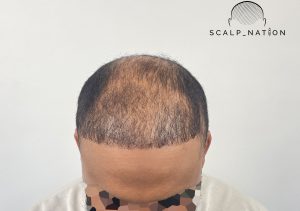
Top Tips to Improve Hair Density

Androgenetic alopecia causes most cases of thinning.

Around 50% of men show visible hair loss by age 50. The condition also affects women, particularly after menopause.

The mechanism involves dihydrotestosterone (DHT). This hormone gradually shrinks susceptible follicles. Over time, affected follicles produce finer strands, then stop producing visible hair altogether.

Other contributing factors include:

Nutritional deficiencies — low iron, protein, or zinc levels reduce the resources available for hair production.

Thyroid disorders — both overactive and underactive thyroid disrupt hormonal balance affecting hair cycles.

Autoimmune conditions — alopecia areata causes the immune system to attack hair follicles directly.

Scalp conditions — seborrhoeic dermatitis, psoriasis, and folliculitis can impair follicle function when untreated.

Identifying which factors apply to you determines which interventions make sense.

Nutrition That Supports Fuller Hair

Hair production ranks low on the body’s priority list. When nutrients run short, follicles receive less support while organs take precedence.

Iron and Ferritin Levels

Ferritin is the protein that stores iron in your body.

A 2013 study in the Journal of Clinical and Diagnostic Research found iron deficiency present in 72% of premenopausal women experiencing hair loss.

Standard haemoglobin tests can appear normal while ferritin remains depleted. Some researchers suggest levels below 70 ng/mL may impair hair production.

Good dietary sources of iron:

  • Red meat
  • Lentils
  • Spinach
  • Fortified cereals

Pairing iron-rich foods with vitamin C improves absorption. Tea and coffee consumed with iron-rich meals reduce absorption.

Protein and Amino Acids

Hair consists of approximately 95% keratin.

Without adequate protein, follicles lack the building blocks for producing strong strands.

Most adults need 0.8 to 1 gram of protein per kilogram of body weight daily. Restrictive diets, post-surgical recovery, and illness increase requirements.

Other Nutrients Worth Tracking

Zinc — maintains follicle structure and regulates oil glands.

Biotin — assists keratin synthesis, though true deficiency is uncommon despite supplement marketing claims.

Omega-3 fatty acids — found in oily fish and flaxseed, support scalp hydration.

Vitamin D — receptors exist within hair follicles, and deficiency correlates with alopecia areata specifically.

Blood testing provides clearer answers than guessing when addressing low-density hair. A clinical trichologist can interpret results and recommend targeted supplementation.

Scalp Health and Daily Habits

Healed scalp micropigmentation

Healthy follicles need a healthy scalp.

Inflammation, excess oil, and product buildup can block follicle openings and impair growth.

Regular cleansing removes sebum and residue. How often depends on scalp type—oily scalps benefit from daily washing, while drier types do better every two to three days.

Scalp Massage

A 2016 study published in ePlasty found that standardised scalp massage increased hair thickness after 24 weeks.

The mechanical stretching stimulates dermal papilla cells, which regulate hair growth cycles.

Recommended approach:

  • Four minutes daily
  • Use fingertips, not nails
  • Apply moderate pressure

Product Selection

Harsh sulphates strip natural oils excessively.

Heavy silicones accumulate and weigh down fine strands.

Gentle, lightweight formulations suit most people with thinning hair.

Warning Signs

Persistent itching, flaking, or redness warrants professional evaluation. Conditions like seborrhoeic dermatitis, psoriasis, or folliculitis require treatment before hair growth can improve.

Lifestyle Factors That Affect Hair Loss

Stress

Elevated cortisol shifts more follicles into the shedding phase simultaneously.

This condition—telogen effluvium—typically appears 2-3 months after the stressful event. The delay often makes it difficult to connect the hair loss with its cause.

Common triggers include job loss, bereavement, surgery, severe illness, and major life changes. The good news: telogen effluvium usually resolves on its own once the underlying stress passes.

Sleep

Growth hormone release peaks during deep sleep.

Chronic sleep disruption correlates with accelerated hair ageing in research. Seven to nine hours suits most adults.

Exercise

Physical activity improves circulation to the scalp, delivering nutrients and oxygen while clearing metabolic waste.

Moderate cardio three to four times weekly provides benefits without excessive cortisol spikes from extreme training.

Smoking

Smoking damages hair through multiple pathways:

  • Restricted blood flow
  • Oxidative stress
  • Altered hormone metabolism

Research links smoking to premature greying and faster progression of androgenetic alopecia.

If you’re uncertain what’s causing your thinning, you can book a free consultation to discuss your concerns.

Medical Treatments and Their Limitations

When lifestyle changes aren’t enough, pharmaceutical options exist. Each has trade-offs.

Minoxidil

Available without prescription. Stimulates blood flow to follicles and extends the growth phase.

The 5% concentration suits most users. A 2% version exists for those who experience scalp irritation.

Results require daily application for at least four months before evaluation. Stopping treatment reverses gains, often quickly.

Initial shedding during the first few weeks is common. This typically indicates the treatment is working—pushing resting hairs out for new growth.

Finasteride

Prescription-only. Blocks the enzyme converting testosterone to DHT.

Primarily used by men. Can slow progression or partially reverse androgenetic alopecia in responsive individuals.

Side effects warrant discussion with a healthcare provider before starting. Women of childbearing age should avoid handling crushed tablets due to pregnancy risks.

Platelet-Rich Plasma (PRP)

Concentrates growth factors from your own blood for injection into the scalp.

Research shows inconsistent results. Some studies report density improvements. Others find no significant difference from placebo. Multiple sessions are typically required, adding to overall cost.

Hair Transplantation

Surgically relocates DHT-resistant follicles from donor areas to thinning regions.

Success depends on sufficient donor density and realistic expectations. Grafts require 6-12 months to produce full visible growth. Untreated areas continue losing hair without additional intervention.

Visual Density Solutions

Not every situation responds to regrowth treatments.

Long-established loss, scarring, limited donor hair, and strong genetic factors can limit what biological approaches achieve.

For these circumstances, creating the appearance of hair density offers an alternative.

Scalp Micropigmentation
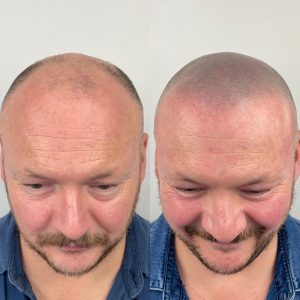
scalp micropigmentation

SMP deposits tiny pigment dots that replicate the look of hair follicles.

The technique creates an illusion of closely-cropped hair or adds perceived fullness to thinning areas. Results are visible immediately after the first session.

Most clients complete treatment across three sessions spaced one to four weeks apart. Touch-ups may be needed every 3-5 years as pigment gradually fades.

Scalp micropigmentation for men addresses receding hairlines, crown thinning, and complete baldness. The procedure works on fully shaved heads or alongside existing hair. Scar camouflage for FUT strip scars or FUE donor marks is another common application.

Scalp micropigmentation for women targets diffuse thinning along part lines and areas where scalp shows through longer hair. Female loss patterns differ from male patterns. The technique adapts to blend with existing strands rather than simulating a buzz cut.

Choosing a Practitioner

Practitioner skill determines outcome quality.

Look for portfolios showing healed work, not just fresh treatment photos.

A practitioner with clinical trichology qualifications alongside SMP training brings additional perspective on scalp health and ongoing management.

What to Do Next

Identify what’s causing your specific thinning before choosing a treatment.

Nutritional gaps, scalp conditions, hormonal factors, and genetics each call for different approaches. A treatment that works well for nutritional deficiency won’t help androgenetic alopecia, and vice versa.

The right response depends on an accurate diagnosis first.

FAQ

Depends on cause and duration. Telogen effluvium and nutritional deficiencies often resolve fully. Long-standing androgenetic alopecia rarely returns to original density.

Only if blood tests confirm specific deficiencies. Taking biotin with adequate levels provides no additional benefit.

No. Hairs lost during washing were already in the shedding phase. Regular cleansing removes buildup that can obstruct follicles.

Sudden increased shedding, bald patches, or rapid progression over weeks rather than months warrants assessment to rule out medical causes.


How to Stimulate Hair Growth at Any Age

Hair growth can be stimulated at any age through targeted nutrition, proper scalp care, and lifestyle adjustments that support your follicles’ natural cycle. While the rate slows as you get older—hair grows fastest between ages 15 and 30, then declines noticeably in your 40s and 50s—your follicles remain responsive to the right interventions throughout life.

A 60-year-old’s follicles haven’t lost the ability to produce hair. They’ve shortened their active growth phase—from up to seven years in your twenties to as little as two. Thinner strands, fewer of them, slower turnover. Three distinct problems, each responding to different interventions. In this paper, I will break down what works for each.

Insight into Hair Growth

  • Your anagen phase (active growth) shrinks with age—from up to seven years in your twenties to around two by your fifties, producing shorter, finer strands each cycle.
  • Protein, iron, zinc, biotin, and vitamin D all support follicle function, but supplementing beyond normal levels won’t accelerate hair growth if you’re not deficient.
  • Daily scalp massage for four minutes increased hair thickness in a 24-week study—a low-risk option worth adding to your routine.
  • Minoxidil extends the growth phase and can reactivate dormant follicles, but requires indefinite use to maintain results.
  • Any intervention—dietary, topical, or otherwise—takes three to six months before showing visible results.
  • If topicals and dietary changes haven’t helped after six months, consulting a trichologist can identify the cause and prevent wasted time.

How the Hair Growth Cycle Works

Three phases drive hair growth: anagen, catagen, and telogen. During anagen, strands push out at roughly half an inch per month—and this phase can last anywhere from two to seven years. Genetics determine your ceiling. Right now, about 90% of your follicles sit in anagen.

Catagen runs about three weeks. The follicle shrinks, disconnects from blood supply, prepares to shed. Telogen? Three months of rest before the strand falls and a new one starts its cycle. Those 50 to 100 hairs on your pillow each morning—that’s telogen doing exactly what it should.

But here’s what shifts with age.

At 25, anagen might run six years. By 55, that window compresses to two. Shorter growth phase, shorter hair. Follicles also shrink physically with each passing decade, producing finer strands every round. So a 60-year-old isn’t dealing with damaged hair—they’re dealing with follicles that have structurally changed.

Why does this matter for choosing products? A hair growth oil can nourish your scalp, but it won’t extend anagen. Vitamins for hair growth support follicle health, but they won’t reverse miniaturisation. Matching the right intervention to the right mechanism—that’s where I see people waste years and money getting it backwards.

Vitamins and Nutrients for Hair Growth

Your hair is roughly 80% keratin—a protein your body builds from what you eat. Starve the supply chain, and follicles produce weaker, thinner strands. Feed it well, and you give each growth cycle its best chance.

Man holding radishes and carrots in kitchen.

Protein and Iron

Without adequate protein, your body redirects amino acids to organs that need them more urgently. Hair loses. Every time.

Iron carries oxygen to follicles via red blood cells. Low ferritin levels—your iron stores—correlate directly with increased shedding, particularly in women. Red meat, lentils, and spinach deliver both nutrients. For absorption, pair iron-rich foods with vitamin C: think spinach salad with lemon dressing, or steak with roasted peppers.

Zinc, Biotin, and Omega-3s

Zinc supports the protein structures surrounding your follicles. Oysters contain more zinc per serving than any other food—six times the daily requirement in just two. Not a shellfish person? Pumpkin seeds and beef work too.

Biotin gets marketed aggressively in hair growth products, but here’s the reality: deficiency is rare in people eating varied diets. Eggs, salmon, and avocados supply plenty. Supplementing beyond your needs won’t accelerate growth.

Omega-3 fatty acids nourish the scalp and support hair density. Fatty fish twice weekly—salmon, mackerel, sardines—covers this. Walnuts and flaxseed offer plant-based alternatives.

Vitamin D

Low vitamin D links to alopecia areata and telogen effluvium. Yet most people in the UK run deficient, especially October through March. Twenty minutes of midday sun on bare arms produces roughly 10,000 IU—but that’s unreliable in British weather. Oily fish helps. So does supplementing 1,000–2,000 IU daily through darker months.

All of this assumes nutrients actually reach your follicles. Poor scalp circulation or product buildup blocking the follicle opening? Those create a bottleneck no supplement can fix.

Scalp Care That Supports Hair Growth

Blood carries nutrients to your follicles. You can optimise your diet perfectly—but if circulation to your scalp is sluggish, delivery suffers.

Man checking his receding hairline in mirror.

Scalp massage addresses this directly.  A 2016 study published in ePlasty followed nine men through 24 weeks of daily four-minute massages. The outcome: measurably thicker strands. Small sample, yes. But the logic holds. Increased blood flow means better nutrient delivery to follicle roots. No gadgets needed—fingertips pressing in firm circles across your scalp, a few minutes daily. Morning, night, whenever you remember.

Now, circulation only helps if the path stays clear. Sebum, dead skin, silicone residue from styling products—this accumulates around follicle openings over time. Heavy buildup can physically obstruct new growth. A clarifying shampoo once weekly strips that layer without stripping everything else.

How often to wash otherwise? There’s no universal answer. Daily shampooing removes oils your scalp produces for a reason. Washing too rarely lets buildup win. Most people land somewhere around two to three times per week. Oilier scalp, more frequent. Dry or flaky, less. Adjust based on how your scalp feels, not what a bottle recommends.

One more option worth mentioning: topical caffeine. Not drinking it—applying it. Research suggests caffeine stimulates follicles and may counteract DHT at the scalp level. Brands like Alpecin have commercialised this heavily. Reasonable addition to a routine. Just don’t expect it to reverse genetic patterns or override hormonal causes.

Hair Growth Strategies by Age

Hair growth rate peaks between ages 15 and 30, then declines as anagen phases shorten and follicles miniaturise. Each decade calls for a different approach.

Protecting Hair Growth in Your 20s and 30s

Man touching thick hair with closed eyes.

Most people this age aren’t thinking about hair loss. That’s fine. But two things catch younger clients off guard.

First: telogen effluvium. Crash diet, brutal work deadline, breakup, illness—any significant stressor can push a large percentage of follicles into the resting phase simultaneously. Two to three months later, hair starts falling out in clumps. Terrifying when it happens. Usually temporary. Once the stressor passes, regrowth follows within six to nine months.

Second: mechanical damage. Tight ponytails, braids, extensions—anything pulling on follicles repeatedly can cause traction alopecia. Unlike telogen effluvium, this one doesn’t always reverse. Same goes for daily heat styling without protection.

If you’re reading this in your twenties and your hair seems fine? Good. Take a photo of your hairline anyway. Consistent lighting, no filters. Future you might want that baseline.

Preventing Hair Loss in Your 40s and 50s

This is the decade most people land on articles like this one.

For women, perimenopause and menopause change the oestrogen-to-androgen ratio. Oestrogen supported hair density; as it drops, androgens have more relative influence. The result: diffuse thinning across the scalp, sometimes concentrated at the crown. For men, DHT sensitivity—often genetic—becomes visible as recession at the temples or thinning at the vertex.

Here’s what’s also happening beneath the surface: your anagen phase has shortened. Strands that once grew for six or seven years now cycle out after three. Ever feel like your hair “just won’t grow past a certain length anymore”? You’re not imagining it. The ceiling has literally lowered.

So what actually helps at this stage?

Minoxidil is the first-line option. Applied topically (Regaine is the common UK brand), it extends the anagen phase and can wake dormant follicles. Catches: you’ll need to use it indefinitely, and the first few weeks often bring increased shedding as telogen hairs clear out. That’s normal. Results typically visible by four to six months.

For women with diffuse thinning who don’t respond well to minoxidil, there’s another route worth knowing about. Scalp micropigmentation for women deposits pigment between existing strands, creating the illusion of density without simulating a male-pattern hairline. Most women assume SMP means the buzzed look. It doesn’t.

Specialist examining woman’s thinning hair.

Before assuming hormones are the whole story, test ferritin, vitamin D, and thyroid function. Deficiencies mimic hormonal loss patterns—and respond to much simpler fixes.

Preserving Hair in Your 60s and Beyond

By now, follicle miniaturisation has been underway for decades. Expecting the density of your thirties isn’t realistic. But maintaining what remains and optimising how it looks? Absolutely achievable.

One shift many people miss: sebum production drops with age. Scalps get drier. The washing routine you’ve followed for thirty years might now be stripping what little oil your scalp produces. A sulphate-free shampoo, once or twice weekly, often works better.

At this stage, professional input saves time. A trichologist can assess whether your pattern responds to topical treatments, supplementation, or neither—and tell you honestly. For men and all those who’ve lost significant density and want the look of fullness without surgery or daily maintenance, scalp micropigmentation becomes a realistic option. I see more clients exploring it once they’ve tried everything else and want something that actually delivers.

The Long Game

Three to six months. That’s the minimum before any intervention, be it dietary, topical, or otherwise, to show visible results. Most people quit at week four or keep switching products, which guarantees nothing gets a fair trial. If you’ve read this far and still aren’t sure what applies to your situation, book a free consultation—we’ll assess what’s actually going on and tell you straight whether it’s fixable.

Frequently Asked Questions

Depends on the cause. Stress-related shedding usually reverses within six to twelve months. Hormonal or pattern loss responds to treatment but rarely reverses fully. Scarring damage is permanent.

Some evidence says yes. Research shows daily massage can increase hair thickness over time. Won't cure baldness, but supports scalp health.

Iron, zinc, biotin, vitamin D, and B vitamins support follicle function. Deficiencies cause shedding. Supplementing beyond normal levels won't accelerate growth.

Noticeably in your 40s. Hair grows fastest between 15 and 30. After that, growth phases shorten and strands get finer.

If shedding started suddenly, you're losing hair in patches, or six months of treatment hasn't helped. A trichologist can identify the cause and stop the guesswork.

Not Sure What to Buy? 5 Reasons to Gift a Trichologist Consultation Instead of Grooming Products

Another bottle of “miracle” shampoo gathering dust under the bathroom sink. Most grooming products promise revolutionary results yet deliver little more than pleasant scents and temporary fixes. A trichologist consultation offers something no gift-wrapped product ever could. Real answers that address why problems exist rather than simply masking symptoms.

Key Takeaways

  • Grooming products treat surface symptoms whilst trichologists diagnose root causes
  • A trichologist consultation provides personalised treatment plans based on individual biology
  • Online trichologist appointments offer flexible access to specialist expertise from anywhere
  • Professional diagnosis prevents wasted spending on unsuitable products
  • Trichologist consultation cost represents an investment with measurable long-term returns

Why Do Grooming Products Fall Short?

Walk into any high street chemist and you will find hundreds of bottles claiming to fix thinning hair, dry scalp, or persistent flakiness. Each one targets a specific symptom. None of them ask the obvious question of why this is happening in the first place.

Hair loss affects people for vastly different reasons. Hormonal shifts, nutritional deficiencies, stress responses, autoimmune conditions, and medication side effects all play potential roles. A volumising shampoo cannot distinguish between telogen effluvium triggered by recent illness and early-stage androgenetic alopecia. It simply coats the hair shaft and hopes for the best.

The result leaves cupboards filled with half-used products and money spent on temporary confidence boosts that fade with every wash. Meanwhile, underlying conditions remain unaddressed whilst they quietly worsen.

Reason One. Expert Diagnosis Beats Guesswork

Clinical training separates trichologists from the marketing claims drowning the hair care industry. These specialists study hair and scalp biology extensively and recognise patterns invisible to untrained eyes. Working with a trusted trichologist in London means accessing expertise that no product label can replicate.

During a trichologist consultation, expect a thorough examination of scalp condition, hair density, and follicle health. Practitioners assess growth cycles, identify abnormalities, and consider your complete health history. This clinical approach reveals causes that shopfront remedies simply cannot detect.

The difference matters more than most people realise. Treating pattern baldness with anti-dandruff shampoo wastes time and money. Applying growth serums to hair loss caused by thyroid dysfunction ignores the actual problem entirely. Expert assessment prevents these costly misdirections and points you toward solutions that actually work.

hdf

Reason Two. Personalised Plans Replace Generic Advice

Every scalp tells a different story. Genetic predispositions, lifestyle factors, dietary habits, and environmental exposures all influence hair health in unique ways. A trichologist consultation creates treatment recommendations tailored to individual circumstances rather than mass-market assumptions.

Consider the contrast between these approaches. A bottle promises “results in 8 weeks” regardless of who uses it. A trichologist recommendation accounts for your specific hair type, loss pattern, medical history, and aesthetic goals. One size fits the factory whilst personalised care fits you.

This bespoke approach extends beyond product suggestions into broader lifestyle considerations. Practitioners advise on dietary adjustments, stress management, and scalp care routines calibrated to your particular needs. The guidance addresses the whole picture rather than isolated symptoms.

Reason Three. Online Access Removes Barriers

Geography no longer limits access to specialist expertise. A trichologist online consultation connects you with qualified practitioners regardless of location, and video appointments offer the same thorough assessment without travel time or waiting room delays.

This flexibility proves particularly valuable for those with demanding schedules. Early morning appointments before work become possible. Evening sessions after the children sleep fit naturally into busy lives. Weekend consultations accommodate family commitments without the usual logistical headaches.

For anyone hesitant about in-person appointments, online trichologist services offer a comfortable entry point. You can discuss concerns from your own home, show affected areas via camera, and receive professional guidance without unfamiliar clinical settings.

Reason Four. Prevent Wasted Spending

The average person with hair concerns cycles through multiple products before finding anything remotely helpful. Each failed attempt costs money and each disappointment erodes confidence further. The cumulative expense often exceeds what a professional consultation would have cost from the start.

Trichologist consultation cost represents an investment with measurable returns rather than another gamble on marketing promises. Rather than funding months of trial and error, you receive targeted recommendations backed by clinical expertise. The practitioner identifies which products might actually help your specific condition and which represent wasted spending for your particular situation.

Think of it as the difference between wandering a maze blindfolded and receiving a map with clear directions. Both eventually reach the exit. Only one does so efficiently.

Reason Five. Long-Term Strategy Over Quick Fixes

Grooming products offer temporary improvements whilst a trichologist consultation provides lasting strategy. Scalp health operates on extended timelines that most people fail to appreciate. Hair growth cycles span years and conditions develop gradually before becoming visible to the naked eye.

Effective management requires understanding these longer rhythms rather than chasing immediate cosmetic changes. Professional guidance establishes foundations for sustained scalp health that compound over time. Practitioners monitor progress, adjust recommendations, and catch emerging concerns before they escalate.

Some hair loss conditions respond well to medical interventions, whilst others benefit from cosmetic solutions. Men experiencing advanced pattern baldness often find that scalp micropigmentation for men creates a natural cropped appearance without ongoing maintenance. Similarly,scalp micropigmentation for women discover options they never knew existed. A trichologist helps you understand which path suits your particular situation and when the timing feels right.

The Gift That Keeps Giving

Most presents lose their novelty within weeks. A trichologist consultation delivers benefits that compound over time because the recipient gains knowledge applicable for years ahead. Treatment plans evolve with changing needs and initial assessment establishes a baseline against which future progress becomes measurable.

This gift says something meaningful about how much you care. It communicates genuine concern about someone’s well-being and acknowledges their worries without dismissing them as vanity.

Ready to Give Answers Instead of Products?

Forget the gift sets destined for regifting. Book a free consultation and welcome the new year with confidence and healthy hair. The best presents solve problems people have struggled with alone, and a trichologist consultation hands someone the key to understanding their own biology rather than leaving them to guess which bottle might work next.

FAQ

Absolutely. Video consultations provide thorough assessment without requiring travel, and practitioners can examine scalp conditions via camera.

Expect a detailed discussion of your hair history and health background followed by scalp examination and personalised recommendations.

Qualified trichologists focus on diagnosis and treatment planning rather than product sales, basing recommendations on clinical assessment of individual needs.

Dermatologists treat skin conditions across the entire body whilst trichologists specialise exclusively in hair and scalp concerns.

Most people notice improvements within three to six months of following a personalised treatment plan.

What Is Seasonal Hair Loss and How Can You Prevent It?

Before and after hair density treatment for female hair thinning, showing visible improvement in scalp coverage and hair volume.

Autumn brings shorter days, cooler temperatures, and something you might not expect: accelerated hair shedding. Seasonal hair loss affects millions globally, yet remains widely misunderstood. This biological phenomenon stems from your hair’s natural growth cycle responding to environmental changes throughout the year. The shedding you notice between September and November follows ancient rhythms established long before modern life existed. Recognising these patterns empowers you to minimise their impact.

Key Takeaways

  • Seasonal hair loss peaks during September-November when follicles that entered the resting phase in July shed simultaneously
  • The entire cycle spans 2-3 months before naturally resolving by December without treatment
  • Seasonal shedding is completely reversible, with new growth visible within 3-4 months after the peak ends
  • Hair grows approximately 10% faster during summer due to increased circulation and vitamin D production
  • Strategic prevention starting in July—including nutrition, gentle care, and stress management—minimises excessive hair shedding during vulnerable autumn months

Why Does Seasonal Hair Loss Happen?

Your hair follows a predictable cycle tied directly to the seasons. The highest number of follicles enters the telogen (resting) phase in summer, with a peak in July. These resting hairs stay dormant for approximately 100 days before releasing. This biological delay explains why autumn, particularly September through November, brings noticeably increased shedding.

Several factors trigger this pattern:

Contributing Factor How It Affects Your Hair
Summer UV Damage Weakens hair structure over months, making strands more prone to shedding
Hormonal Fluctuations Melatonin production shifts with changing daylight hours, influencing follicle cycles
Temperature Changes Blood circulation adjusts between seasons, altering nutrient delivery to the scalp
Environmental Stress Accumulated exposure to heat, chlorine, and pollutants damages follicles

Normal daily shedding ranges from 50 to 100 hairs. During seasonal peaks, some people shed double their usual amount – potentially reaching 150+ hairs daily, sometimes appearing in small clumps that feel alarming. 

The evolutionary theory suggests our ancestors grew denser hair in summer for sun protection, then shed it before winter—a survival mechanism we’ve retained despite no longer needing it.

Everyone experiences this cycle differently. Some barely notice the shift, while others see dramatic increases during peak months. If you’re uncertain whether your shedding follows normal seasonal patterns or signals something else, our trusted trichologist in London can assess your individual cycle and distinguish routine changes from conditions requiring treatment.

How Long Does Seasonal Hair Loss Last?

Expect heightened shedding for 2-3 months. The cycle completes itself: increased loss peaks between September and November, then gradually subsides as winter progresses. By December, most people notice their brush collecting fewer strands daily.

This temporary phase resolves without treatment. Fresh anagen growth emerges throughout winter while shedding returns to baseline—typically 50-100 hairs daily. The entire surge, from first noticeable increase through complete normalisation, spans three to four months maximum.

Individual experiences vary considerably. Genetics determines how dramatically your follicles respond to seasonal shifts. Summer sun exposure intensity directly affects autumn severity—extensive outdoor time often produces more pronounced shedding. Previous scalp health entering the vulnerable period influences resilience against increased loss.

Spring brings a secondary, milder episode during April and May. This follows identical biological patterns but creates less noticeable effects than autumn’s pronounced peak.

Does Seasonal Hair Loss Grow Back?

Absolutely. Seasonal shedding is completely reversible because follicles remain intact throughout the process. New growth begins even while you’re still shedding—different follicles operate on different timelines within the same scalp.

Fresh hair becomes visible within 3-4 months after peak shedding ends. By late winter and early spring, most people spot new growth emerging across their scalp. This regrowth happens naturally without intervention.

Worried your shedding might signal something more serious? Here’s what differentiates seasonal changes from progressive conditions:

  • Seasonal shedding affects the entire scalp uniformly and reverses itself completely
  • Pattern hair loss follows specific recession patterns (temples, crown) and worsens progressively without treatment
  • Alopecia areata creates distinct circular patches and involves immune system dysfunction

Seasonal shedding never causes permanent thinning or baldness. The cyclical nature means next year will likely bring similar patterns, but each episode resolves completely.

While seasonal changes affect everyone equally, men face significantly higher risks for progressive hair loss conditions. Approximately 70% of men experience pattern hair loss during their lifetime, compared to 40% of women. This means many men notice their seasonal shedding against a backdrop of gradual, permanent thinning—making autumn’s temporary increase feel more alarming than it actually is.

For men managing pattern hair loss that becomes more apparent during seasonal peaks, scalp micropigmentation for men creates permanent visual density unaffected by natural cycles. Women experiencing progressive thinning alongside seasonal changes can achieve similar results through scalp micropigmentation for women, adding natural-looking coverage regardless of fluctuations.

Does Hair Grow Faster in Summer?

Yes, by approximately 10%. Warmer temperatures improve blood flow to your scalp. Your body doesn’t prioritise keeping core organs warm during summer, allowing better nutrient delivery to peripheral areas, including hair follicles. Enhanced circulation means more oxygen and growth-supporting compounds reach the cells producing each strand.

Sunlight exposure increases vitamin D production, which directly stimulates both new and existing follicles. This vitamin plays a crucial role in initiating growth phases and maintaining healthy follicle function. Summer’s longer days also reduce melatonin levels—lower melatonin correlates with more follicles entering active growth phases simultaneously.

These factors combine to boost keratin production, the protein that forms hair’s structure. The effect remains subtle, though, adding roughly 0.5mm extra monthly. British summers might produce less dramatic results than consistently sunny climates.

Here’s the paradox explaining seasonal shedding patterns. Summer’s growth surge pushes more follicles through their cycle faster, causing increased numbers to enter the resting phase simultaneously during July. Three months later, autumn shedding arrives predictably.

How Can You Prevent Seasonal Hair Loss?

Woman touching long, wavy brown hair from behind

You cannot eliminate this biological cycle entirely, but strategic adjustments minimise severity and protect vulnerable strands. Begin protective measures in July, before peak shedding arrives.

Strengthen From Within

Protein forms keratin’s foundation, so prioritise lean meats, fish, eggs, and legumes daily. Iron and zinc directly support follicle function—deficiencies trigger premature shedding beyond seasonal norms. Vitamin D supplementation becomes particularly valuable during Britain’s darker months when natural sunlight diminishes. Omega-3 fatty acids reduce scalp inflammation that compounds shedding stress. Drink at least two litres of water daily to maintain strand flexibility and prevent brittleness during dry autumn weather.

Protect Your Scalp

Switch to sulfate-free shampoos that preserve the natural oils your scalp produces for protection. Apply deep conditioning treatments weekly throughout autumn and winter to combat seasonal dryness. Limit heat styling tools when strands already face environmental stress. Continue wearing sun protection through late summer—UV damage accumulates even as temperatures cool. Scalp massage three times weekly stimulates circulation, partially counteracting reduced summer activity levels.

Modify Daily Habits

Avoid tight ponytails, braids, or buns during peak shedding months. Mechanical tension on already-releasing strands accelerates loss unnecessarily. Detangle gently from ends upward using wide-tooth combs rather than brushes on wet hair. Manage stress through regular exercise, adequate sleep, and relaxation techniques—chronic stress pushes additional follicles into premature resting phases beyond seasonal patterns.

Track your personal patterns across multiple years. Some people shed heavily in September, others peak in November. Knowing your specific timeline allows earlier intervention.

Struggling to determine whether your shedding follows normal seasonal patterns or requires professional attention? Book a free consultation to receive expert assessment and personalised guidance tailored to your hair’s unique needs.

FAQ

Yes, seasonal shedding is temporary and fully reversible. New growth begins during the shedding phase itself, becoming visible within 3-4 months as follicles naturally restart their cycle.

You cannot eliminate this biological cycle, but proper nutrition, gentle hair care, and starting protective measures in July significantly reduce severity during peak months.

Both genders experience identical biological cycles. Women typically notice shedding more because longer hair makes shed strands more visible in brushes and drains.

Supplements support overall follicle health but won't stop natural seasonal cycles. Vitamin D, iron, and zinc may reduce severity—consult a healthcare provider before starting any supplementation.

Hats themselves don't cause loss, though tight styles during shedding season increase mechanical breakage. Choose loose-fitting protective styles and gentle, sulfate-free products to minimise damage.

Top Reasons to Visit a Trusted Trichologist in London

why do men go bald

Hair loss hits millions of people worldwide. Most suffer quietly, cycling through endless products that promise miracles but deliver disappointment. Trichology takes a different path—scientific study of hair and scalp health backed by real expertise. London houses some of the world’s finest trichological specialists who grasp the complex connections between scalp health, hair growth, and personal confidence. The right trichologist London can revolutionise your hair and restore your self-assurance.

Key Takeaways:

  • Early intervention prevents permanent hair loss and kickstarts natural regrowth
  • Medical diagnosis trumps generic treatments every time
  • London’s trichologists deliver world-class expertise with rigorous training
  • Specific conditions that respond brilliantly to professional care
  • Finding the perfect specialist for your hair type and needs
  • Realistic timelines for genuine hair health improvements

Expert Diagnosis Beyond Surface-Level Symptoms

Here’s why visiting a qualified london trichologist makes sense: their diagnostic skills outshine everyone else’s. General doctors and beauticians miss things. Trichologists spot them.

Advanced tools reveal secrets your mirror can’t show. Trichoscopes and magnifying equipment expose inflammation patterns, shrinking follicles, and early scarring signs that scream “urgent intervention needed.” Regular examinations miss these crucial details.

Blood tests become strategic weapons rather than fishing expeditions. Trichologists know exactly which tests reveal nutritional gaps, hormonal chaos, or immune system attacks on your follicles. Iron shortages masquerade as male pattern baldness. Thyroid problems pretend to be natural ageing. Professional eyes see through these disguises.

Your medical history tells stories others can’t read. That surgery six months ago? The new medication? The stressful divorce? Each event plants seeds that sprout into hair problems later. Connecting these dots requires specialised training.

Temporary versus permanent hair loss – this distinction saves or dooms your treatment. Stress-related shedding bounces back beautifully with proper care. Scarring conditions destroy follicles forever unless caught immediately. Guessing wrong costs everything.

Personalised Treatment Plans

trichologist London

Cookie-cutter solutions fail because hair loss is personal. Professional trichologists craft individual protocols after examining your complete picture – genetics, lifestyle, current condition, and realistic goals.

Assessment covers these crucial areas:

  • Family patterns and genetic loading
  • Daily hair care habits and product damage
  • Diet quality and nutritional gaps
  • Stress management and sleep patterns
  • Hormonal shifts and life stage factors
  • Work environment and chemical exposures

Custom treatments work together rather than against each other. Specialists formulate targeted topicals, prescribe specific supplements, and suggest lifestyle changes that complement rather than compete. Everything pulls in the same direction.

Regular monitoring keeps treatments sharp. Hair cycles span months, not weeks. Professional oversight adjusts protocols as conditions change, maintaining progress toward your goals without wasted effort or money.

Goal-setting stays realistic. Experienced practitioners explain exactly what improvements you’ll see, when results appear, and how long treatment continues. No false promises. No crushing disappointments.

Advanced Treatment Options Unavailable Elsewhere

London’s top trichologists offer treatments your GP never mentions and your hairdresser never heard of. These evidence-based interventions represent hair restoration’s cutting edge.

PRP therapy turns your blood into hair medicine. Extract it, concentrate the healing platelets, inject them back into thinning areas. Your body heals itself, naturally.

Steroid injections target alopecia areata patches with surgical precision. Maximum effectiveness, minimal side effects. Direct delivery beats systemic medications every time.

Surgical scars blocking hair growth? Specialists recommend complementary solutions like scar micropigmentation. This creates realistic hair follicle appearance where natural regrowth can’t happen.

Professional topicals combine multiple active ingredients at optimal strengths. These formulations often outperform anything available commercially because they’re designed for your specific condition.

Genetic testing predicts treatment responses before you start. DNA analysis guides therapy selection, eliminating trial-and-error approaches that waste time and money.

Hair Tattoo for men

Early Intervention

Time decides everything in hair restoration. Act early, win big. Wait too long, face limited options and higher costs.

Hair loss conditions follow predictable patterns when ignored:

  • Male pattern baldness marches from temples to crown relentlessly
  • Female thinning spreads from central parting outward until scalp shows through
  • Alopecia areata jumps from small patches to complete baldness
  • Traction damage becomes permanent once follicles die
  • Scarring conditions destroy everything in their path forever

Success rates plummet as conditions advance. Early androgenetic alopecia responds excellently to medication. Advanced cases need surgery or cosmetic camouflage.

Secondary problems multiply alongside hair loss. Scalp sensitivity develops. Inflammation becomes chronic. Confidence crashes. Each issue requires separate treatment, compounding costs and complexity.

Early intervention costs less than everything else combined. Professional care beats advanced procedures, ongoing wig maintenance, and years of therapy for confidence issues.

Specialised Expertise for Diverse Hair Types and Conditions

London’s diverse population created unmatched expertise in treating different hair types and cultural conditions. This specialisation proves invaluable when standard approaches fail.

Afro-Caribbean specialists understand tight curl challenges. They tackle traction alopecia from protective styles, chemical damage from relaxers, and genetic shaft problems with targeted expertise.

Female hair loss differs completely from male patterns. Hormonal influences, pregnancy changes, and menopause effects demand deep understanding of women’s biology and health patterns.

Age matters tremendously in treatment selection. Premature hair loss in young adults needs different approaches than natural age-related thinning in older patients.

Rare conditions require extensive clinical experience for proper recognition. Scarring alopecias, autoimmune attacks, and genetic disorders need immediate specialist intervention to prevent permanent damage.

Male pattern baldness sufferers might benefit from cosmetic solutions alongside medical treatment. Scalp micropigmentation for men creates the appearance of closely-cropped hair density.

Professional networks enable referrals when conditions exceed trichological scope. Collaborative care addresses every aspect of hair and scalp health through specialist teamwork.

The London Advantage

London leads global trichological education and practice. The Institute of Trichologists headquarters ensures access to cutting-edge research and highest training standards. Finding the best trichologist near me becomes easier here.

Professional standards exceed most other regions dramatically. Trichologists complete intensive education, maintain ongoing development, and follow strict ethical guidelines throughout their careers.

University collaboration keeps practitioners ahead of emerging treatments. Proximity to innovation means patients access new therapies years before widespread availability elsewhere.

International patient diversity exposes specialists to rare conditions seldom seen in other locations. This breadth of experience translates into superior diagnostic abilities and treatment outcomes.

Quality controls protect patients through professional oversight, formal complaints procedures, and standardised practice guidelines. These safeguards ensure consistent, high-quality care across accredited practitioners.

Complementary specialist access facilitates comprehensive treatment approaches. Dermatologists, endocrinologists, nutritionists, and mental health professionals collaborate on complex cases requiring multidisciplinary intervention.

Long-term Hair Health Partnership

trichology london

Successful trichological care extends far beyond initial treatment phases. Long-term partnerships with qualified specialists ensure sustained improvements and prevent future setbacks.

Seasonal changes affect hair health dramatically. Winter heating damages. Summer sun exposure stresses follicles. Humidity variations require modified care protocols to maintain optimal scalp conditions year-round.

Partnership benefits include:

  • Regular assessments and treatment fine-tuning
  • Updated product recommendations as formulations improve
  • Lifestyle guidance adapting to life changes
  • Early problem detection before serious damage occurs
  • Professional support during high-stress periods

Preventive strategies protect your hair investment long-term. Understanding proper protection methods ensures lasting results and continued confidence in your appearance.

Education empowers smart decisions about hair health. Learning warning signs, understanding options, and implementing proper home care creates active partnership in maintaining results.

Referral networks provide seamless transitions when needs evolve. Surgical restoration, cosmetic solutions, or psychological support – established relationships facilitate smooth care transitions.

Your Hair Health Journey Starts Here

Professional trichological care offers genuine hope for hair loss, scalp problems, or simple optimisation goals. London’s world-class specialists provide cutting-edge treatments, personalised plans, and long-term support that generic solutions can’t match.

Professional consultation investment pays dividends through accurate diagnosis, effective treatment, and future problem prevention. Early intervention proves particularly valuable – better outcomes, lower costs, reduced psychological impact.

Hair concerns shouldn’t diminish confidence or life quality. London’s exceptional trichological expertise stands ready to help achieve your goals through evidence-based treatments tailored specifically for you. Healthier hair and renewed confidence start with that first consultation.

FAQ

How long does a typical trichologist consultation take?

Comprehensive consultations last 45-60 minutes. This allows detailed medical history discussion, thorough scalp examination with specialised equipment, lifestyle assessment, and personalised treatment planning. Follow-ups typically require 30-45 minutes.

What’s the difference between a trichologist and a dermatologist?

Trichologists focus exclusively on hair and scalp health. Dermatologists treat all skin conditions including hair loss. Trichologists often possess deeper hair biology knowledge and non-medical treatment expertise. Dermatologists prescribe medications and perform surgery. Many cases benefit from collaborative care.

How much does a trichologist consultation cost in London?

London consultation fees range £75-£150. Video consultations may cost less. Private insurance occasionally covers visits, but most patients pay directly. Investment often proves cost-effective versus years of ineffective products.

Can trichologists prescribe medications for hair loss?

Trichologists cannot prescribe medications as they’re not medical doctors. They collaborate with GPs and dermatologists to recommend appropriate prescriptions when needed. They suggest beneficial medications and provide supporting documentation for medical colleagues.

How soon can I expect to see results from trichological treatment?

Hair growth cycles mean visible improvements take 3-6 months typically. Some scalp conditions improve faster – reduced itching or flaking within weeks. Timeline depends on condition type, treatment compliance, overall health, and realistic expectations.

What is a Trichologist and What Do They Do?

Ever notice some people who seem to always have perfect hair regardless of their circumstances? You may wonder why your hair is falling out more than it ought to or why your scalp feels itchy. Here is where a trichologist can be useful.

Although they are not doctors, these hair and scalp experts know plenty about the possible causes of your hair’s misbehaviour. Consider them as the middle ground between a dermatologist (who treats all skin problems, not just your scalp) and your hairdresser (who is fantastic at styling but limited in health advice).

Trichology isn’t some fancy new invention. People have been seeing these specialists for decades when regular treatments just aren’t working. Your GP might send you to one if you’ve got persistent hair loss or a scalp problem they can’t quite sort out.

The Role of a Trichologist

Training and Qualifications

Most trichologists complete specialized education through established organizations like The Institute of Trichologists or the International Association of Trichologists. Their training typically includes:

  • Courses in hair and scalp anatomy
  • Study of common hair disorders
  • Training in diagnostic techniques
  • Clinical practice under supervision

Unlike medical degrees, trichology qualifications are usually diplomas or certificates earned over 1-3 years. Many trichologists continue their education through ongoing professional development.

How a Hair Trichologist Differs from Other Specialists

Compared to Dermatologists:

  • Trichologists focus exclusively on hair and scalp
  • Dermatologists are medical doctors who can prescribe medications
  • Trichologists often spend more time on hair-specific assessments
  • Many patients see both for complementary care

Compared to Hairdressers:

  • Hairdressers focus on cutting, styling and aesthetic concerns
  • Hair trichologists diagnose underlying health issues
  • Trichologists recommend treatments based on medical principles
  • Many work with salons to ensure styling doesn’t worsen conditions

Compared to General Practitioners:

  • GPs provide broad medical care with limited time for specialized issues
  • Trichologists have in-depth knowledge of hair biology and pathology
  • GPs can refer to trichologists for specialized hair/scalp treatment
  • Trichologists often request medical tests through GPs when needed

A hair trichologist bridges the gap between cosmetic hair care and medical treatment, offering specialized expertise that other professionals can’t provide within their scope of practice.

Common Hair and Scalp Conditions

Common hair and scalp conditions in men.

Hair and scalp problems can affect anyone at any age. A trichologist is trained to identify and treat a wide range of conditions that might be causing you discomfort or concern.

Pattern Hair Loss

Pattern hair loss is perhaps the most common reason people seek help from a trichologist. This genetic condition affects both men and women, though it typically presents differently. Men often experience receding hairlines and thinning at the crown, while women usually notice overall thinning, particularly at the parting.

A good trichologist won’t just confirm what you already suspect—that you’re losing hair—but will assess factors like miniaturization of follicles and scalp health to determine the best approach for your specific situation.

Alopecia Areata

This autoimmune disorder causes patches of hair to fall out suddenly. You might notice round, smooth bald spots appearing without warning. While some cases resolve on their own, others can progress to more extensive hair loss.

Trichologists help by:

  • Determining if it’s truly alopecia areata or another condition
  • Suggesting treatments to manage symptoms
  • Monitoring progression and recovery
  • Providing practical advice for cosmetic coverage when needed

Scalp Dermatitis Conditions

Although they are quite different diseases, scalp psoriasis and seborrhoeic dermatitis both cause flaking. Usually producing thicker, silvery scales, psoriasis may cause redness and irritation in addition. Yellower, oilier flakes from seborrhoeic dermatitis can irritate and aggravate your scalp.

Your trichologist guarantees you will not waste time and money on treatments meant for the incorrect problem by using specific techniques to differentiate between these like-looking disorders.

Excessive Hair Shedding (Telogen Effluvium)

Has your normal hair count changed when you brush or wash? Often following illness, stress, childbirth, or major weight loss is excessive shedding. Your trichologist can tell whether your shedding falls within normal limits or whether intervention is required.

Unlike hair loss from pattern baldness, telogen effluvium is usually transient, but knowing how to help your hair recover will greatly affect how quickly and totally it heals.

When to Seek Help

See a trichologist if you notice:

  • Sudden increase in hair falling out
  • Persistent itching or pain
  • Unusual scalp scaling or redness
  • Changes in hair texture or growth rate
  • Bald patches developing

Unlike some health concerns that resolve on their own, hair and scalp problems often worsen without proper intervention. Trichology expertise can save you time and frustration by identifying the root cause rather than having you try random products that might make things worse.

How a Trichologist Can Help with Hair Loss

Hair loss can be distressing, whether it’s a few extra hairs on your pillow or noticeable thinning. A trichologist for hair loss takes a methodical approach to your concerns, starting with proper diagnosis before moving to treatment.

The Diagnostic Process

When you visit a trichologist about hair loss, they’ll begin with a thorough consultation. This isn’t just a quick chat—it’s a detailed investigation into possible causes.

Your trichologist will examine your scalp under magnification to assess:

  • Hair follicle health and density
  • Signs of inflammation or scarring
  • Miniaturization of hair follicles (when thick hairs gradually become finer)
  • Abnormal growth patterns

They’ll also ask questions about:

  • When you first noticed the hair loss
  • Family history of similar issues
  • Recent health changes or medications
  • Your diet and lifestyle habits
  • Stress levels and significant life events

This combination of physical examination and history-taking helps your trichologist for hair loss determine whether you’re experiencing pattern baldness, temporary shedding, or something else entirely.

Personalized Treatment Plans

Unlike one-size-fits-all solutions, a trichologist creates individualized treatment plans based on your specific type of hair loss and its underlying causes.

For androgenetic alopecia (pattern baldness), treatment might include:

  • Topical treatments to improve blood flow and reduce DHT (the hormone that shrinks hair follicles)
  • Nutritional support to ensure optimal hair growth
  • Scalp therapies to create a healthier environment for existing hair

For stress-related or post-illness hair loss, your plan might focus on:

  • Supporting the recovery of the hair growth cycle
  • Strengthening existing hair to prevent breakage
  • Addressing nutritional deficiencies that may have developed

Your trichologist for hair loss will also consider practical aspects like your daily routine, budget, and how much time you can realistically dedicate to treatment.

Monitoring Progress

Unlike quick-fix promises you might see in advertisements, genuine hair loss treatment takes time and consistent monitoring. A good trichologist will:

  • Take baseline photos to objectively track changes
  • Schedule regular follow-up appointments
  • Adjust treatments based on your response
  • Set realistic expectations about timelines for improvement

This approach ensures you don’t waste time on treatments that aren’t working for your specific type of hair loss and allows for adjustments as needed.

Beyond Medical Treatments

A trichologist often takes a more holistic view of hair loss than other professionals. They might suggest:

  • Dietary adjustments to support hair health
  • Stress management techniques
  • Hair-friendly styling practices
  • Cosmetic solutions to disguise thinning while treatment takes effect

This comprehensive approach addresses both the physical and emotional aspects of dealing with hair loss—something many people find just as valuable as the treatments themselves.

The Trichologist Consultation Experience

Healed scalp micropigmentation

“Just use this special shampoo, and your hair will grow back!” If only it were that simple.

The truth? Fixing hair problems is rarely straightforward. Your trichologist might prescribe a mix of approaches rather than a single magic bullet.

The Toolkit

Picture your trichologist as a carpenter with different tools for different jobs:

  1. Topical treatments: Applied directly to your scalp, these range from medicated solutions to growth stimulants. Some cool the scalp, others boost circulation.
  2. Nutritional therapy: “Your hair is literally made from what you eat,” explains many a trichologist. They might spot deficiencies in iron, zinc, or B vitamins just by looking at your hair.
  3. Light and laser therapy: Low-level light treatment can wake up sleepy follicles. Some clinics have professional-grade equipment; others might suggest at-home devices.
  4. Manual techniques: From specialized massage to improve blood flow, to exfoliation treatments that clear blocked follicles.
  5. Tech-based solutions: The hair world has gone high-tech with tools that analyze everything from scalp pH to follicle health.

What Actually Works?

For hair loss, the approaches with the strongest evidence include:

  • Minoxidil – originally a blood pressure medication until someone noticed it made hair grow. Works for many people, but needs ongoing use.
  • Anti-androgen treatments – block the hormones that shrink follicles. Some are applied directly to the scalp; others taken internally.
  • For scalp conditions, medicated shampoos containing ingredients like ketoconazole, zinc pyrithione, or salicylic acid often help.

Beyond Products

A surprising amount of trichology treatment has nothing to do with buying special products:

“Stop using hot water.” “Throw away your brush with those little balls on the bristles.” “Don’t tie your hair so tight.”

Simple changes to daily habits can dramatically improve certain conditions, which is why a good trichologist asks about your routine in detail.

The Waiting Game

Here’s what nobody wants to hear: hair grows about 1cm per month. There’s no way around this biological reality.

Even the best treatment might take 3-6 months to show visible results. Your trichologist will help manage expectations and track subtle improvements you might miss.

When Treatments Don’t Work

Sometimes, despite best efforts, hair loss continues. In these cases, your trichologist might discuss:

  • Hair systems (modern, undetectable wigs or toppers)
  • Scalp micropigmentation (creating the look of hair follicles with tattoo-like techniques)
  • Referral to specialists for surgical options like transplants

A good trichologist knows when to pivot strategies rather than pushing treatments that aren’t delivering results.

Choosing the Right Trichologist

Finding the right trichologist is like picking a good mechanic – credentials matter, but experience and trust matter more.

Qualifications That Count

Look for members of recognized organizations like The Institute of Trichologists or the International Association of Trichologists. These bodies require members to complete proper training and follow professional standards.

But a certificate alone doesn’t guarantee skill. Some of the best hair trichologists combine formal qualifications with backgrounds in related fields like dermatology nursing, cosmetology, or nutritional science.

Red Flags to Watch For

Be wary of anyone who:

  • Promises miracle cures for hair loss
  • Pushes expensive products during your first meeting
  • Doesn’t perform a proper scalp examination
  • Gives identical advice to every client
  • Can’t explain why they’re recommending specific treatments

A trustworthy trichologist will be honest about what they can and can’t fix.

Questions Worth Asking

Before booking: 

  • “How many cases of my specific condition have you treated?”
  • “What’s your approach to diagnosis?”
  • “Do you sell your own product line?” (Not necessarily bad, but worth knowing)
  • “Will I see you for follow-ups or another practitioner?”
  • During the consultation: “Why is this happening to my hair specifically?”
  • “How long might treatment take?”
  • “What happens if this approach doesn’t work?”

The Comfort Factor

Technical skill matters, but so does communication. Your trichologist should:

  • Listen properly to your concerns
  • Explain things in terms you understand
  • Welcome questions
  • Show genuine interest in your progress

You’ll likely have several appointments with this person during treatment, so a good rapport makes the process smoother.

The Price Question

Trichology services vary widely in cost. Initial consultations typically range from £85-£200, with follow-ups priced lower.

Cheaper isn’t always worse, and expensive doesn’t guarantee quality. Ask what’s included – some clinics build product costs into higher consultation fees.

Getting a Second Opinion

Uncertain about advice you’ve received? Many people consult more than one trichologist for hair loss, especially for serious conditions.

Most good practitioners won’t mind if you seek another viewpoint. Some even encourage it for complex cases, showing confidence in their assessment while acknowledging that different approaches exist.

Working With Other Specialists

Sometimes the best solution involves team effort. A good trichologist works comfortably with:

  • Your GP for underlying health issues
  • Dermatologists for medically complex cases
  • Nutritionists for dietary approaches
  • Mental health professionals for related stress or anxiety

This collaboration often produces better results than any single approach.

So, what we learn is that a good trichologist don’t guess—they examine, test, and identify what’s actually happening with your hair and scalp. Whether it’s hair loss from stress, hormones, or genetics, or scalp problems that your GP hasn’t sorted, these specialists provide targeted solutions rather than generic advice.

The field isn’t new or trendy—trichology has been helping people with hair troubles for decades. What’s changed is our understanding of how deeply hair health connects to overall wellbeing.

If you’re sick of wasting money on products that don’t work, it might be time to see a hair trichologist. Just make sure they’ve got proper training, ask plenty of questions, and remember that real results take time. You can Book a Free Consultation if you want to know more or examine your hair condition with expert help.