
Hair growth can be stimulated at any age through targeted nutrition, proper scalp care, and lifestyle adjustments that support your follicles’ natural cycle. While the rate slows as you get older—hair grows fastest between ages 15 and 30, then declines noticeably in your 40s and 50s—your follicles remain responsive to the right interventions throughout life.
A 60-year-old’s follicles haven’t lost the ability to produce hair. They’ve shortened their active growth phase—from up to seven years in your twenties to as little as two. Thinner strands, fewer of them, slower turnover. Three distinct problems, each responding to different interventions. In this paper, I will break down what works for each.
Insight into Hair Growth
- Your anagen phase (active growth) shrinks with age—from up to seven years in your twenties to around two by your fifties, producing shorter, finer strands each cycle.
- Protein, iron, zinc, biotin, and vitamin D all support follicle function, but supplementing beyond normal levels won’t accelerate hair growth if you’re not deficient.
- Daily scalp massage for four minutes increased hair thickness in a 24-week study—a low-risk option worth adding to your routine.
- Minoxidil extends the growth phase and can reactivate dormant follicles, but requires indefinite use to maintain results.
- Any intervention—dietary, topical, or otherwise—takes three to six months before showing visible results.
- If topicals and dietary changes haven’t helped after six months, consulting a trichologist can identify the cause and prevent wasted time.
How the Hair Growth Cycle Works
Three phases drive hair growth: anagen, catagen, and telogen. During anagen, strands push out at roughly half an inch per month—and this phase can last anywhere from two to seven years. Genetics determine your ceiling. Right now, about 90% of your follicles sit in anagen.
Catagen runs about three weeks. The follicle shrinks, disconnects from blood supply, prepares to shed. Telogen? Three months of rest before the strand falls and a new one starts its cycle. Those 50 to 100 hairs on your pillow each morning—that’s telogen doing exactly what it should.
But here’s what shifts with age.
At 25, anagen might run six years. By 55, that window compresses to two. Shorter growth phase, shorter hair. Follicles also shrink physically with each passing decade, producing finer strands every round. So a 60-year-old isn’t dealing with damaged hair—they’re dealing with follicles that have structurally changed.
Why does this matter for choosing products? A hair growth oil can nourish your scalp, but it won’t extend anagen. Vitamins for hair growth support follicle health, but they won’t reverse miniaturisation. Matching the right intervention to the right mechanism—that’s where I see people waste years and money getting it backwards.
Vitamins and Nutrients for Hair Growth
Your hair is roughly 80% keratin—a protein your body builds from what you eat. Starve the supply chain, and follicles produce weaker, thinner strands. Feed it well, and you give each growth cycle its best chance.

Protein and Iron
Without adequate protein, your body redirects amino acids to organs that need them more urgently. Hair loses. Every time.
Iron carries oxygen to follicles via red blood cells. Low ferritin levels—your iron stores—correlate directly with increased shedding, particularly in women. Red meat, lentils, and spinach deliver both nutrients. For absorption, pair iron-rich foods with vitamin C: think spinach salad with lemon dressing, or steak with roasted peppers.
Zinc, Biotin, and Omega-3s
Zinc supports the protein structures surrounding your follicles. Oysters contain more zinc per serving than any other food—six times the daily requirement in just two. Not a shellfish person? Pumpkin seeds and beef work too.
Biotin gets marketed aggressively in hair growth products, but here’s the reality: deficiency is rare in people eating varied diets. Eggs, salmon, and avocados supply plenty. Supplementing beyond your needs won’t accelerate growth.
Omega-3 fatty acids nourish the scalp and support hair density. Fatty fish twice weekly—salmon, mackerel, sardines—covers this. Walnuts and flaxseed offer plant-based alternatives.
Vitamin D
Low vitamin D links to alopecia areata and telogen effluvium. Yet most people in the UK run deficient, especially October through March. Twenty minutes of midday sun on bare arms produces roughly 10,000 IU—but that’s unreliable in British weather. Oily fish helps. So does supplementing 1,000–2,000 IU daily through darker months.
All of this assumes nutrients actually reach your follicles. Poor scalp circulation or product buildup blocking the follicle opening? Those create a bottleneck no supplement can fix.
Scalp Care That Supports Hair Growth
Blood carries nutrients to your follicles. You can optimise your diet perfectly—but if circulation to your scalp is sluggish, delivery suffers.
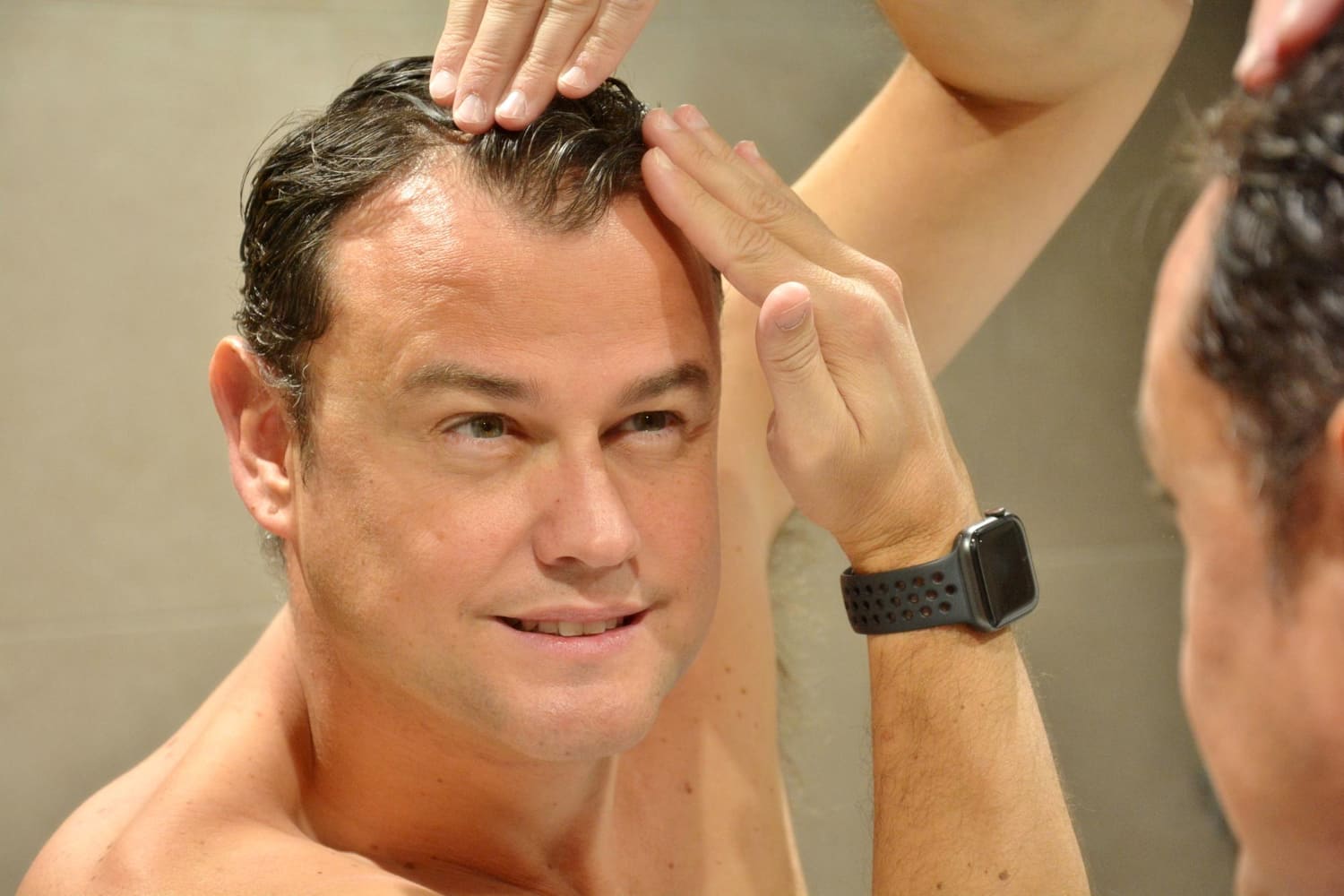
Scalp massage addresses this directly. A 2016 study published in ePlasty followed nine men through 24 weeks of daily four-minute massages. The outcome: measurably thicker strands. Small sample, yes. But the logic holds. Increased blood flow means better nutrient delivery to follicle roots. No gadgets needed—fingertips pressing in firm circles across your scalp, a few minutes daily. Morning, night, whenever you remember.
Now, circulation only helps if the path stays clear. Sebum, dead skin, silicone residue from styling products—this accumulates around follicle openings over time. Heavy buildup can physically obstruct new growth. A clarifying shampoo once weekly strips that layer without stripping everything else.
How often to wash otherwise? There’s no universal answer. Daily shampooing removes oils your scalp produces for a reason. Washing too rarely lets buildup win. Most people land somewhere around two to three times per week. Oilier scalp, more frequent. Dry or flaky, less. Adjust based on how your scalp feels, not what a bottle recommends.
One more option worth mentioning: topical caffeine. Not drinking it—applying it. Research suggests caffeine stimulates follicles and may counteract DHT at the scalp level. Brands like Alpecin have commercialised this heavily. Reasonable addition to a routine. Just don’t expect it to reverse genetic patterns or override hormonal causes.
Hair Growth Strategies by Age
Hair growth rate peaks between ages 15 and 30, then declines as anagen phases shorten and follicles miniaturise. Each decade calls for a different approach.
Protecting Hair Growth in Your 20s and 30s

Most people this age aren’t thinking about hair loss. That’s fine. But two things catch younger clients off guard.
First: telogen effluvium. Crash diet, brutal work deadline, breakup, illness—any significant stressor can push a large percentage of follicles into the resting phase simultaneously. Two to three months later, hair starts falling out in clumps. Terrifying when it happens. Usually temporary. Once the stressor passes, regrowth follows within six to nine months.
Second: mechanical damage. Tight ponytails, braids, extensions—anything pulling on follicles repeatedly can cause traction alopecia. Unlike telogen effluvium, this one doesn’t always reverse. Same goes for daily heat styling without protection.
If you’re reading this in your twenties and your hair seems fine? Good. Take a photo of your hairline anyway. Consistent lighting, no filters. Future you might want that baseline.
Preventing Hair Loss in Your 40s and 50s
This is the decade most people land on articles like this one.
For women, perimenopause and menopause change the oestrogen-to-androgen ratio. Oestrogen supported hair density; as it drops, androgens have more relative influence. The result: diffuse thinning across the scalp, sometimes concentrated at the crown. For men, DHT sensitivity—often genetic—becomes visible as recession at the temples or thinning at the vertex.
Here’s what’s also happening beneath the surface: your anagen phase has shortened. Strands that once grew for six or seven years now cycle out after three. Ever feel like your hair “just won’t grow past a certain length anymore”? You’re not imagining it. The ceiling has literally lowered.
So what actually helps at this stage?
Minoxidil is the first-line option. Applied topically (Regaine is the common UK brand), it extends the anagen phase and can wake dormant follicles. Catches: you’ll need to use it indefinitely, and the first few weeks often bring increased shedding as telogen hairs clear out. That’s normal. Results typically visible by four to six months.
For women with diffuse thinning who don’t respond well to minoxidil, there’s another route worth knowing about. Scalp micropigmentation for women deposits pigment between existing strands, creating the illusion of density without simulating a male-pattern hairline. Most women assume SMP means the buzzed look. It doesn’t.
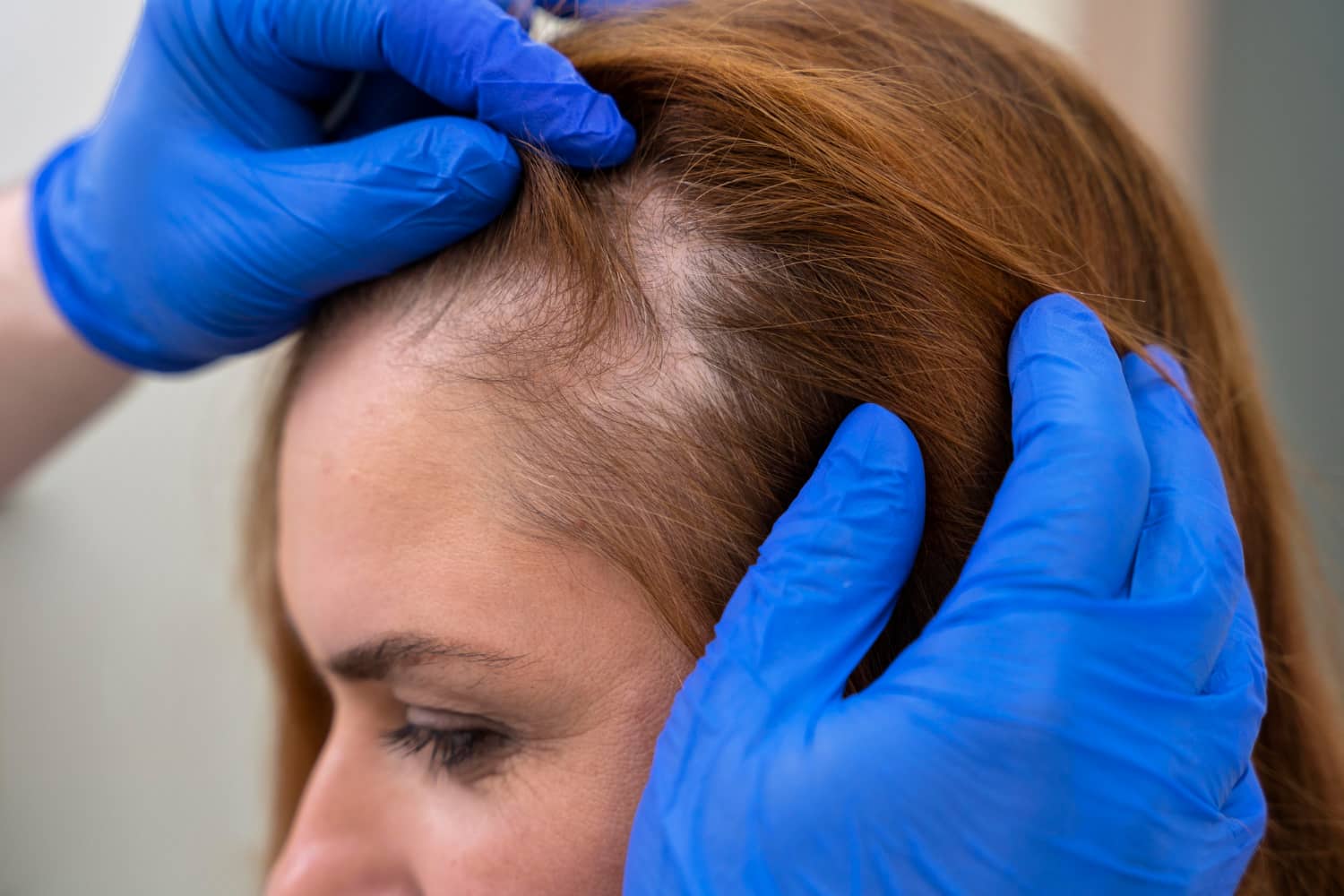
Before assuming hormones are the whole story, test ferritin, vitamin D, and thyroid function. Deficiencies mimic hormonal loss patterns—and respond to much simpler fixes.
Preserving Hair in Your 60s and Beyond
By now, follicle miniaturisation has been underway for decades. Expecting the density of your thirties isn’t realistic. But maintaining what remains and optimising how it looks? Absolutely achievable.
One shift many people miss: sebum production drops with age. Scalps get drier. The washing routine you’ve followed for thirty years might now be stripping what little oil your scalp produces. A sulphate-free shampoo, once or twice weekly, often works better.
At this stage, professional input saves time. A trichologist can assess whether your pattern responds to topical treatments, supplementation, or neither—and tell you honestly. For men and all those who’ve lost significant density and want the look of fullness without surgery or daily maintenance, scalp micropigmentation becomes a realistic option. I see more clients exploring it once they’ve tried everything else and want something that actually delivers.
The Long Game
Three to six months. That’s the minimum before any intervention, be it dietary, topical, or otherwise, to show visible results. Most people quit at week four or keep switching products, which guarantees nothing gets a fair trial. If you’ve read this far and still aren’t sure what applies to your situation, book a free consultation—we’ll assess what’s actually going on and tell you straight whether it’s fixable.
Frequently Asked Questions
Can thinning hair grow back?
Depends on the cause. Stress-related shedding usually reverses within six to twelve months. Hormonal or pattern loss responds to treatment but rarely reverses fully. Scarring damage is permanent.
Does scalp massage help hair growth?
Some evidence says yes. Research shows daily massage can increase hair thickness over time. Won't cure baldness, but supports scalp health.
What vitamins help hair grow?
Iron, zinc, biotin, vitamin D, and B vitamins support follicle function. Deficiencies cause shedding. Supplementing beyond normal levels won't accelerate growth.
At what age does hair growth slow down?
Noticeably in your 40s. Hair grows fastest between 15 and 30. After that, growth phases shorten and strands get finer.
When should I see a specialist about hair loss?
If shedding started suddenly, you're losing hair in patches, or six months of treatment hasn't helped. A trichologist can identify the cause and stop the guesswork.

 By Will Quaye
No comment yet, add your voice below!