Catching your reflection and noticing that your hairline seems different can feel like spotting an unwelcome visitor. Hair loss in men affects roughly 85% of males by age 50, but spotting early warning signs doesn’t mean surrendering to baldness. Natural methods to prevent hair loss in men can slow progression significantly whilst supporting overall scalp health. Success comes from understanding what’s happening to your hair and taking action before the damage goes too far.
What Causes Hair Loss in Men?
Behind most hair loss lies a hormone called dihydrotestosterone (DHT). This testosterone derivative systematically attacks vulnerable follicles, gradually shrinking them until they produce increasingly weaker strands before stopping entirely. The characteristic “M-shaped” recession happens because follicles along your temples and crown show heightened DHT sensitivity, whilst those around the sides and back remain largely resistant.
Stress-induced hair loss presents differently. Sudden hair loss in men often results from telogen effluvium, where physical or emotional trauma forces numerous follicles into their resting phase simultaneously. Unlike pattern baldness, this creates diffuse thinning across the entire scalp rather than specific patches.
Nutritional deficiencies compound these problems. Iron shortage disrupts oxygen transport to follicles, whilst inadequate protein deprives hair of building blocks needed for strong growth. Poor hair care habits – aggressive brushing, tight styling, harsh chemicals – accelerate damage by weakening already vulnerable strands.
Understanding your specific triggers matters enormously. Your genetics can’t be changed, but many other factors can be. Addressing the things you can control often keeps hair loss from getting worse, whilst protecting what you still have.

What is Good for Hair Loss in Men?
Building strong defences against hair loss requires addressing your body’s fundamental needs. Hair follicles operate like tiny factories, demanding specific raw materials to produce healthy strands consistently. When these nutrients run short or circulation falters, production slows dramatically. Understanding which elements your hair needs most and how to deliver them effectively forms the bedrock of any successful prevention strategy.
Essential Components for Hair Health
- Protein
Hair consists almost entirely of keratin, so you need steady amino acids to rebuild it constantly. When protein runs low, your body focuses on more important functions, leaving hair thin and weak. Fish, eggs, meat, beans, and grains like quinoa give you complete amino acid sets for healthy follicles.
- Iron
Iron deficiency ranks among the most common nutritional causes of hair loss, as this mineral carries oxygen to hair-producing cells. When levels drop, your body redirects iron to vital organs, leaving follicles oxygen-starved and unable to maintain growth cycles. Pair iron-rich foods like spinach and lean beef with vitamin C sources to double absorption rates.
- B Vitamins
These vitamins, especially biotin and folate, speed up the cell division that hair growth depends on. Biotin helps produce keratin, whilst folate supports DNA synthesis during cell reproduction. Eggs, nuts, and green vegetables provide these naturally. Many men see hair improvements within a few months of fixing B vitamin gaps.
- Hydration
Each follicle contains 25% water, making hydration directly linked to hair quality and growth speed. Dehydration reduces blood volume, limiting nutrient transport whilst concentrating waste products that damage cellular function. Aim for eight glasses daily, increasing during exercise when fluid losses rise significantly.
- Daily Scalp Massage
Mechanical stimulation increases blood flow to follicles, delivering oxygen and nutrients whilst removing waste products. Even four-minute daily sessions can measurably increase hair thickness over time. Use gentle circular motions with fingertips, working systematically across your entire scalp.
- Proper Circulation
Blood circulation naturally decreases with age, reducing nutrient delivery to follicles. Poor circulation creates conditions where follicles make thinner, shorter hairs before eventually stopping. Regular scalp massage, cardio exercise, and loose-fitting hats help keep blood flowing well.
How to Stop Hair Loss in Men Through Daily Habits
Optimal Washing Frequency
Washing frequency directly impacts scalp health and hair retention. Daily shampooing strips protective oils that shield hair from damage, whilst infrequent washing allows sebum buildup that clogs follicles and creates inflammation. This buildup restricts oxygen flow to roots, weakening follicles over time. Every other day strikes an optimal balance for most men, maintaining cleanliness without over-stripping. Adjust frequency based on activity levels and hair type for personalised care.
Choosing Hair-Friendly Products
Product selection significantly impacts long-term hair health and loss prevention. Harsh sulphates damage hair cuticles whilst irritating scalp tissue, creating conditions that accelerate hair loss. Mild, sulphate-free formulations cleanse effectively without compromising hair structure or scalp barrier function. Natural ingredients like tea tree oil provide antimicrobial benefits, whilst peppermint stimulates circulation without irritation. Quality products support scalp health rather than merely cleaning, creating optimal conditions for retention.
Avoiding Traction Damage
Tight hairstyles create constant mechanical stress that gradually damages follicles through repeated pulling. “Man buns,” tight ponytails, and severely slicked-back styles stretch follicles beyond elastic limits, causing permanent structural damage known as traction alopecia. This trauma becomes irreversible once the follicles scar completely. Wide-toothed combs on damp hair minimise breakage by reducing friction. Choosing loose, natural styles protects follicle integrity whilst maintaining appearance, preventing completely avoidable permanent hair loss.
Heat Protection
Heat styling tools weaken hair’s protein structure through thermal degradation, making strands brittle and prone to breakage. High temperatures alter keratin bonds that provide strength, creating weak points where strands snap easily. This cumulative damage appears as thinning over time. Air-drying preserves natural structure whilst eliminating thermal stress completely. When heat styling becomes necessary, quality protectant products form barriers that absorb thermal energy before reaching hair fibres, significantly reducing damage.
Daily Stress Management
Chronic stress triggers hormonal cascades that disrupt normal hair growth cycles, potentially causing loss even without genetic predisposition. Elevated cortisol forces follicles into premature resting phases whilst reducing nutrient absorption for healthy growth. Simple daily practices create measurable stress reduction: ten minutes of deep breathing activates parasympathetic responses, brief walks provide endorphin release, and stretching reduces physical tension. These techniques counteract stress hormones that directly damage follicle function.
Quality Sleep
Sleep quality directly affects hair health through growth hormone release and cellular repair processes. During deep sleep, your body produces growth factors that stimulate follicle activity whilst repairing daily environmental damage. Seven to eight hours nightly provides adequate time for complete regenerative cycles. Poor sleep disrupts repair mechanisms, leaving follicles vulnerable to damage accumulation. Consistent schedules optimise hormone production timing, ensuring follicles receive maximum regenerative support during rest periods.
Professional Assessment
Individual hair loss patterns require personalised analysis beyond general prevention strategies. Professional assessment identifies specific stress patterns, hormonal imbalances, and scalp conditions affecting your unique profile. Understanding how genetic predisposition interacts with lifestyle factors enables targeted prevention rather than generic approaches. You can go on the trichology consultation that will provide expert scalp analysis, microscopic hair examination, and personalised guidance based on your specific condition, creating comprehensive prevention plans tailored to individual needs.

Natural Hair Loss Solutions for Men That Actually Work
Nature provides several evidence-based compounds that can slow hair loss progression and support follicle health. These treatments work through different mechanisms – some block DHT production, others improve circulation, whilst certain oils protect existing hair structure. Unlike harsh chemicals, natural solutions often provide additional scalp health benefits with minimal side effects when used properly.
Proven Natural Treatments
- Saw Palmetto
This plant extract blocks DHT production at the follicle level. Available as supplements or topical treatments, saw palmetto offers a natural approach to hormone-related hair loss. Quality matters enormously, so choose products from reputable manufacturers with third-party testing.
- Coconut Oil
Coconut oil penetrates hair shafts more effectively than most oils, providing moisture whilst preventing protein loss that weakens strands. Apply to damp hair, focusing on lengths rather than roots to avoid greasiness. Leave for thirty minutes before washing out with mild shampoo for best results.
- Peppermint Oil
Peppermint oil dilates blood vessels, increasing circulation to treated areas and potentially stimulating follicle activity. Mix a few drops with carrier oil like jojoba before massaging into your scalp. The cooling sensation indicates increased blood flow, though wash hands thoroughly afterwards to prevent eye contact.
- Green Tea Extract
Green tea contains compounds that may inhibit DHT production systemically, offering internal protection against pattern baldness. Regular consumption, either as beverages or supplements, may help slow hair loss progression. Aim for 2-3 cups daily or follow supplement dosage instructions for optimal benefits.
- Red Ginseng
Red ginseng is able to stimulate hair growth by helping transition follicles from resting to active growth phases. This adaptogenic herb may also improve overall scalp health through stress reduction. Choose standardised extracts for consistent potency and follow the manufacturer’s guidelines for dosage.
- Pumpkin Seed Oil
Many people see an increase in hair count after pumpkin seed oil supplementation, likely through DHT reduction mechanisms. This oil provides additional benefits, including essential fatty acids that support scalp health. Take as directed on supplement labels or incorporate pumpkin seeds into your daily diet.
Always test topical treatments on a small skin area first – natural doesn’t always mean gentle. Talk to healthcare professionals before starting supplements, especially if you take medications or have health conditions. When natural solutions aren’t providing sufficient results, male hair loss treatment may need to include professional medical or cosmetic interventions alongside these natural approaches.
Hair Loss Treatment for Men – When Natural Isn’t Enough
Recognising when natural methods reach their limits prevents wasted time and continued hair loss. If you’re experiencing rapid thinning, large bald patches, or no improvement after six months of consistent natural treatment, professional intervention becomes necessary.
Medical hair loss treatment for men includes topical minoxidil (Rogaine) and oral finasteride (Propecia). Minoxidil stimulates blood flow and extends growth phases, whilst finasteride blocks the DHT production systemically. Both require ongoing use to maintain benefits.
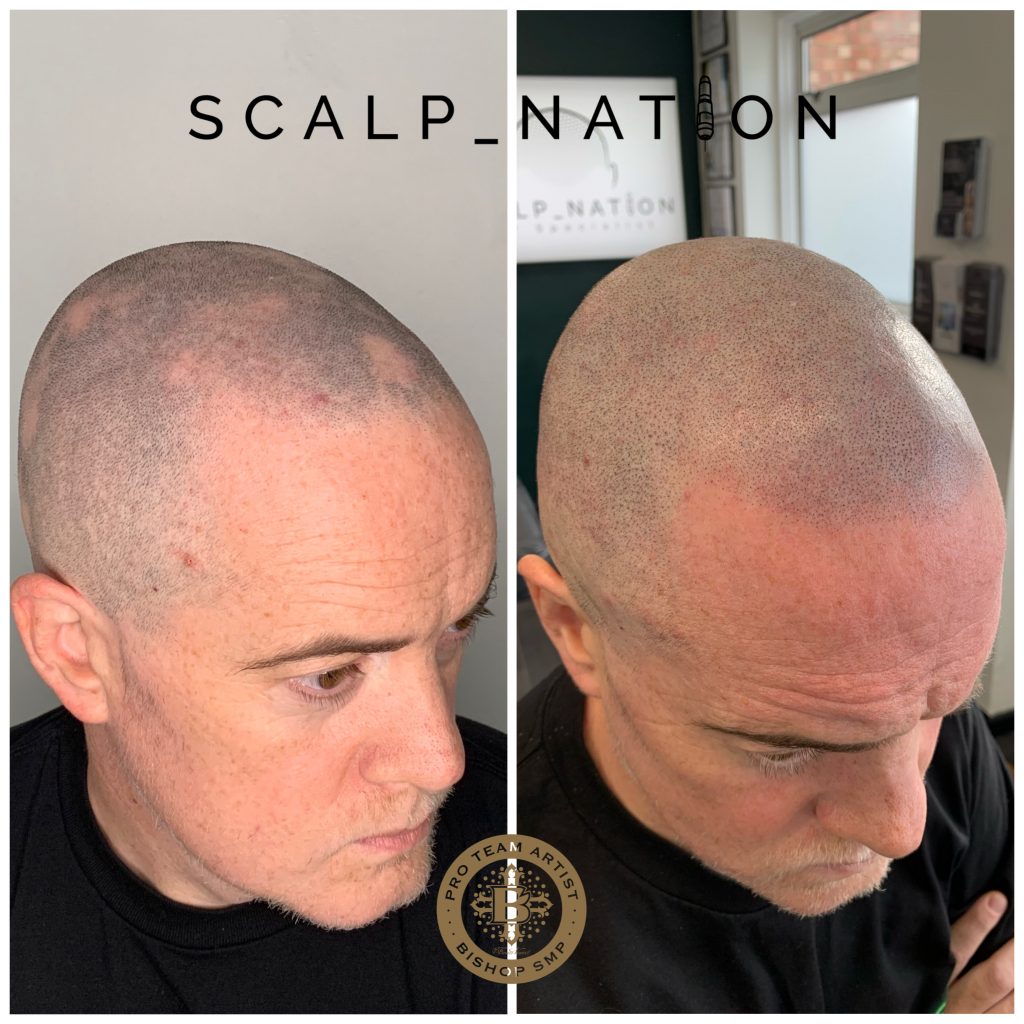
Also, you can consider modern solutions like scalp micropigmentation. It offers permanent cosmetic improvement without medical intervention. This specialised tattooing creates realistic hair follicle impressions, producing the appearance of closely cropped hair. Unlike temporary solutions, micropigmentation withstands swimming, exercise, and weather conditions.
At Scalp Nation, our expert practitioners specialise in this advanced technique, creating personalised results that complement your natural features and lifestyle. Book a Free Consultation with our specialists to discover how scalp micropigmentation could transform your appearance and restore your confidence.
Hair transplantation offers a surgical solution for those with sufficient donor hair. This procedure involves moving healthy follicles from the back and sides of your head to thinning or balding areas. Modern techniques like FUE (Follicular Unit Extraction) create natural-looking results with minimal scarring. While requiring a significant investment and recovery time, transplanted hair grows permanently and can be styled normally.
Combined approaches often work better. Professional treatment might include medical therapy to slow progression plus cosmetic solutions for immediate improvement. Hair loss treatment for men succeeds best when addressing both underlying causes and visible symptoms.
Turn Knowledge into Effective Action
Preventing hair loss in men requires understanding your specific triggers and taking consistent action before damage becomes irreversible. Natural approaches – proper nutrition, scalp care, stress management, and targeted treatments – can slow progression whilst supporting overall hair health. When natural methods reach their limits, professional solutions provide additional options for maintaining your appearance and confidence. The key lies in starting early, staying consistent, and seeking expert guidance when needed.

 By Will Quaye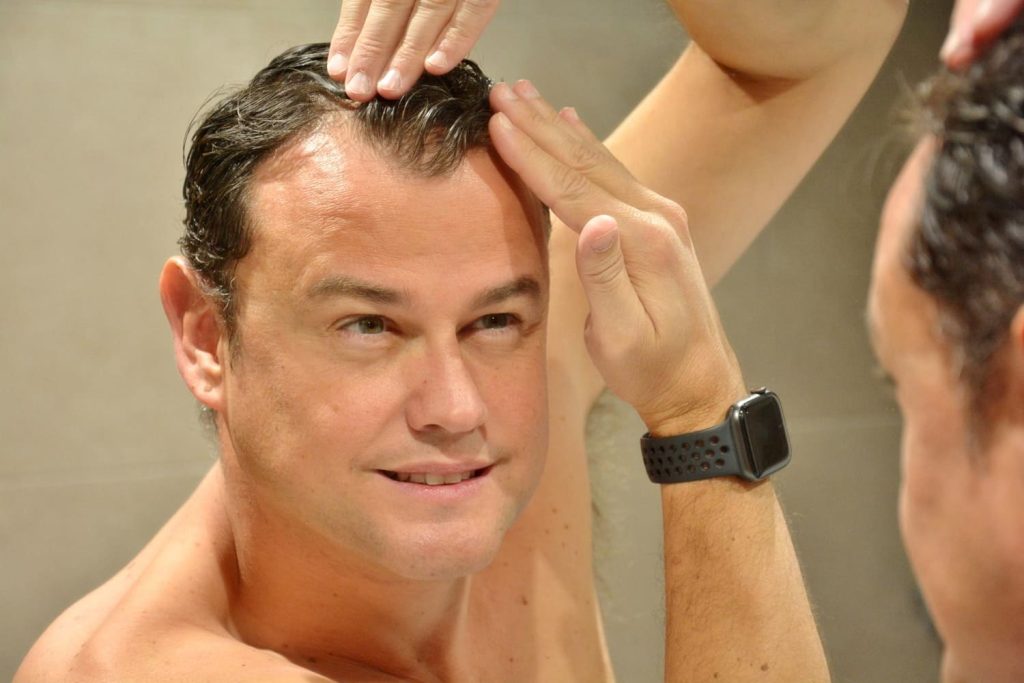
No comment yet, add your voice below!