
Hair loss strikes two-thirds of men before they reach 35, transforming from a distant concern into an immediate reality. Yet this biological inevitability need not define your appearance or confidence. Modern hair loss treatment for men has evolved far beyond accepting defeat, offering genuine hope through scientifically proven medications, advanced procedures, and prevention strategies that actually work.
Key Takeaways:
- Early intervention dramatically improves treatment success rates
- FDA-approved medications (minoxidil, finasteride) form the foundation of effective treatment
- Combination therapies outperform single treatments by significant margins
- Prevention strategies can delay the onset and slow progression
- Alternative solutions like SMP offer permanent cosmetic solutions when regrowth isn’t possible
- Professional consultation ensures personalised treatment plans matched to your specific condition
What Causes Hair Loss in Men?
Male pattern baldness stems from genetics combined with hormones, specifically dihydrotestosterone (DHT). This testosterone derivative systematically attacks vulnerable hair follicles, shrinking them until they stop producing hair entirely.
Genetics determines which follicles will succumb to DHT sensitivity. The hormone then triggers progressive follicular miniaturisation—each growth cycle produces thinner, weaker hair until the follicle ceases functioning. This process explains why some men retain thick hair while others experience dramatic thinning despite similar lifestyle factors.
The distinctive “horseshoe” pattern develops because follicles at the sides and back resist DHT through inherited programming, while crown and hairline follicles prove vulnerable. This resistance explains why transplant surgeons harvest “donor hair” from these protected areas.
Age accelerates the process as testosterone conversion to DHT increases over time. Stress elevates cortisol levels, disrupting hormone balance and potentially triggering telogen effluvium—temporary but dramatic shedding that can reveal underlying pattern baldness sooner than expected.
Nutritional deficiencies and certain medications can worsen progression, though they rarely trigger baldness alone. When the body lacks essential nutrients like iron, protein, or vitamin D, it prioritises vital organs over hair production, potentially hastening hereditary loss.
This biological mechanism reveals why effective treatment for hair loss in men must either block DHT production or counteract its follicle-damaging effects. Products ignoring this science consistently disappoint, regardless of marketing promises.

How Can You Prevent Hair Loss Before It Starts?
Prevention works best before thinning begins, though it requires realistic expectations rather than magical thinking. Early intervention can delay onset and slow progression, buying years of additional coverage.
Maintaining proper nutrition provides a foundation for hair health. A balanced diet supports follicle function without performing miracles.
Gentle hair care practices prevent unnecessary breakage and trauma. Avoid tight hairstyles that create traction alopecia, limit heat styling, and choose mild shampoos over harsh chemical treatments. These changes won’t prevent genetic baldness, but they will avoid compounding the problem.
Regular scalp massage stimulates blood flow, though evidence remains limited. Some men find it beneficial as part of a prevention strategy.
The most effective prevention is an early medical intervention with proven treatments when you notice initial signs rather than waiting for loss to become obvious to others.
What Is the Best Hair Loss Treatment for Men?
Two FDA-approved medications dominate the evidence-based treatments: minoxidil and finasteride. Both boast decades of research and millions of satisfied users, though they work through completely different mechanisms.
Minoxidil acts as a vasodilator, widening blood vessels to increase nutrient flow to struggling follicles. Applied topically twice daily, it stimulates growth and strengthens existing hair. Results typically appear within 4-6 months, with 5% formulations showing superior efficacy to 2% versions. The medication extends the anagen (growth) phase of the hair cycle, allowing hair to grow for longer periods before shedding.
Oral minoxidil has gained popularity as an alternative to topical application, offering convenience and potentially enhanced absorption. However, it requires careful monitoring due to systemic effects, including potential fluid retention.
Finasteride attacks the root cause by blocking 5-alpha reductase, the enzyme that converts testosterone to DHT. This oral medication reduces scalp DHT by approximately 60%, halting further miniaturisation. Studies show 80-90% of men experience stabilisation or improvement when starting early.
The most effective approach typically combines these proven therapies under medical supervision, with treatment selection based on your loss pattern, progression rate, and tolerance for potential side effects.
Should You Choose Finasteride or Minoxidil, or Use Both Together?
Finasteride and minoxidil target different aspects of hair loss, making direct comparison challenging. Each offers distinct advantages and limitations.
- Finasteride excels at prevention.
It halts further loss by blocking DHT production. It works systemically, protecting all susceptible follicles simultaneously. The convenience of one daily pill appeals to many men. Clinical trials show finasteride works better for crown thinning and vertex loss.
- Minoxidil focuses on stimulation.
It encourages growth from existing follicles rather than preventing loss. It works locally where applied, making it suitable for targeted treatment. The twice-daily application routine challenges compliance, though results often appear faster than with finasteride. Minoxidil shows broader efficacy across different loss patterns.
Effectiveness varies by individual. Men with minimal DHT sensitivity might respond better to minoxidil alone, while those with aggressive pattern baldness typically require finasteride’s DHT-blocking power.
Side effect profiles differ. Finasteride may cause sexual dysfunction in 2-4% of users, while minoxidil typically produces only local scalp irritation. Some men experience temporary increased shedding when starting minoxidil—this represents the normal hair cycle responding to treatment rather than treatment failure.
Combination therapy outperforms either treatment alone by addressing both DHT reduction and growth stimulation simultaneously. A landmark 2015 study of 450 Chinese men with androgenetic alopecia found that those using both treatments simultaneously achieved 94.1% improvement rates compared to 59% with minoxidil alone or 80.5% with finasteride alone. This dual approach tackles hair loss from multiple angles, making combination treatment the best treatment for men.

When Medications Aren’t Enough: Alternative Solutions
Beyond traditional medications, several alternative treatments offer genuine benefits for men seeking comprehensive solutions.
- Hair transplantation provides permanent results by redistributing DHT-resistant follicles from donor areas to thinning regions. Modern FUE (Follicular Unit Extraction) techniques create natural-looking hairlines with minimal scarring. Success depends on sufficient donor hair and realistic expectations about density. The procedure typically costs £3,000-8,000 but represents a one-time investment.
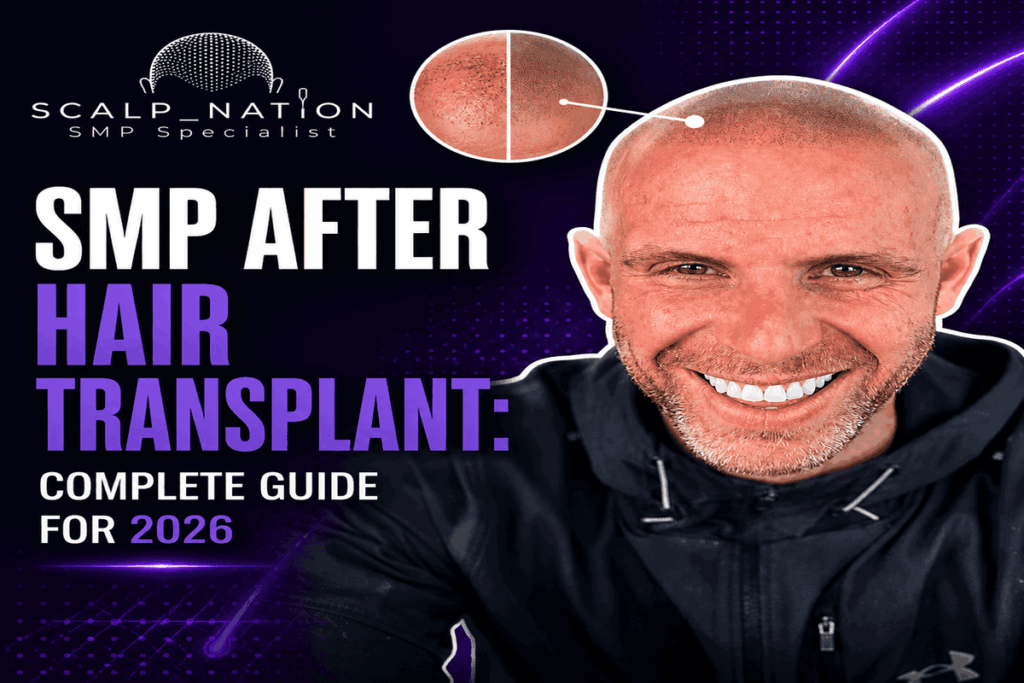
- Scalp micropigmentation (SMP) creates the illusion of hair density through precise tattooing techniques. Thousands of tiny pigment dots simulate hair follicles, producing a convincing buzz-cut appearance. Unlike medications requiring lifelong commitment, scalp micropigmentation for men delivers immediate, permanent results resistant to swimming, sweating, and weather conditions. This technique particularly benefits men with advanced loss where medication effectiveness diminishes. The procedure typically requires 2-3 sessions, with results lasting years before requiring minor touch-ups. SMP addresses the psychological impact of hair loss by providing instant visual improvement.
- Platelet-rich plasma (PRP) therapy uses concentrated growth factors from your own blood to stimulate dormant follicles. While evidence remains mixed, some men experience improved density when combined with conventional treatments. The procedure involves drawing blood, concentrating the platelets, and then injecting the solution into the scalp.
- Low-level laser devices offer drug-free stimulation through specific light wavelengths. Home-use caps and combs show modest benefits, though results pale compared to pharmaceutical interventions. These devices work by potentially increasing cellular energy within follicles.
The key lies in matching treatment approaches to your situation, goals, and lifestyle requirements rather than pursuing one-size-fits-all solutions.
When Should You Start Treatment?
Early intervention produces dramatically better outcomes than waiting. You should understand the tough reality: once follicles die completely, no treatment can resurrect them.
Men in their twenties, noticing initial thinning, achieve the best results from pharmaceutical treatments. Healthy follicles respond more readily to DHT blockade and growth stimulation than severely compromised ones. Starting treatment for hair loss when you first notice changes—rather than when others comment—preserves more hair and achieves better cosmetic outcomes.
The “wait and see” approach backfires consistently. By the time loss becomes obvious to others, substantial miniaturisation has already occurred. Hair loss progresses gradually, making it easy to underestimate until significant damage occurs.
Even men with advanced loss benefit from treatment, though expectations must adjust accordingly. Medications can stabilise remaining hair and potentially recover some density, while alternative treatments like SMP provide cosmetic restoration regardless of timing.
Professional consultation at the first signs of thinning creates a treatment roadmap matched to your progression pattern. This proactive approach often prevents the need for more aggressive interventions later. The psychological benefits of taking action also help maintain confidence during the treatment process.

Investment Analysis: Costs and Long-Term Value
Treatment costs vary dramatically depending on approach and duration, making long-term planning necessary.
Generic finasteride costs approximately £15-30 monthly through NHS prescriptions or private services. Brand names command premium prices without additional benefits. Minoxidil ranges from £20-40 monthly for quality formulations, with bulk purchasing reducing per-month costs.
Combination treatments through online services typically cost £40-60 monthly, often including consultation and monitoring. This represents an annual investment of £480-720 for pharmaceutical treatment.
Hair transplants represent major investments—£3,000-8,000 for quality procedures. However, they’re one-time expenses providing permanent results. The procedure may leave linear or dot scars depending on the technique used, though these typically heal well and can be concealed with scar micropigmentation if needed. Scalp micropigmentation costs £1,500-3,500, depending on the extent, lasting years before requiring touch-ups.
Value assessment depends on individual priorities. Men spending £50 monthly on medication invest £18,000 over 30 years—more than most transplant procedures. However, medications provide ongoing protection against progression that transplants cannot guarantee.
Consider treatment as an investment in confidence and quality of life rather than pure expense. The psychological benefits often justify costs, particularly when starting early produces superior results requiring lower ongoing investment.
Many men find that improved confidence translates into professional and personal benefits that offset treatment costs. The key lies in choosing approaches aligned with your budget and long-term goals rather than seeking the cheapest options that may prove ineffective.
FAQ
Can you use finasteride and minoxidil together safely?
Yes, combining finasteride and minoxidil is not only safe but highly recommended. Studies show 94% of men experience improvement with combination therapy compared to 59-80% using either treatment alone. They work through different mechanisms—finasteride blocks DHT production while minoxidil stimulates growth—making them complementary rather than competing.
How long does it take to see results from hair loss treatment for men?
Results vary by treatment type. Minoxidil typically shows initial improvements within 4-6 months, while finasteride may take 6-12 months for noticeable changes. Combination therapy often produces visible results sooner. Remember that initial shedding is normal and doesn’t indicate treatment failure—it represents follicles entering a healthier growth cycle.
Will hair loss treatments work if my father and grandfather were both bald?
Strong family history increases your likelihood of experiencing hair loss, but doesn’t guarantee treatment failure. While genetics determine your susceptibility to DHT, treatments can still slow progression and potentially restore some density. Starting hair loss treatment for men early, regardless of family history, provides the best chance of maintaining hair.
Can stress actually cause permanent hair loss in men?
Stress typically causes telogen effluvium—temporary but dramatic shedding that usually recovers within 6-12 months. However, chronic stress can accelerate underlying genetic hair loss and potentially trigger earlier onset of male pattern baldness. Managing stress won’t cure genetic baldness, but it can prevent unnecessary acceleration of the natural process.
Are there any natural supplements that actually help with male hair loss?
While no natural supplement matches the effectiveness of FDA-approved medications, some show modest benefits. Saw palmetto may provide weak DHT blocking effects, biotin supports hair structure (though deficiency is rare), and iron supplementation helps if you’re deficient. However, these work best as adjuncts to proven treatments rather than standalone solutions for addressing hair loss in men.

 By Will Quaye

No comment yet, add your voice below!