
A £2.8 billion industry thrives on promises of thicker, fuller hair through simple supplementation. Half of all women and 70% of men experience hair thinning during their lifetime, creating a massive demand for quick fixes. The truth is that most people waste money on products that simply don’t deliver the results they claim. So, do hair growth supplements actually work? Let’s examine the evidence behind these bold claims.
How Does Your Hair Actually Grow?
Your hair follows a predictable cycle spanning years, not weeks. Hair growth supplements often promise to accelerate this natural timeline, yet biology doesn’t bend to marketing claims. The hair growth cycle operates through three distinct phases:
- Anagen (growth phase) – Lasting 2-7 years, responsible for actual hair lengthening
- Catagen (transition phase) – A brief 2-3 week period where growth stops
- Telogen (resting phase) – Hair remains dormant for 2-3 months before shedding
Healthy follicles require specific nutrients: protein for keratin production, iron for oxygen transport, and various vitamins for cellular function. However, most people consuming a balanced diet already provide their follicles with everything needed. Your body maintains strict nutrient levels, discarding excess vitamins through urine rather than channelling them toward hair growth.
Deficiency-driven hair loss differs completely from genetic pattern baldness. Someone lacking iron might see improvement with supplementation, but those facing androgenetic alopecia won’t reverse genetics through vitamins. Understanding this distinction prevents expensive disappointment.
What supplements help hair growth depends entirely on your baseline health. Blood tests reveal actual deficiencies, while guesswork leads to cupboards filled with unused bottles. Most practitioners agree that addressing underlying causes proves more effective than hoping vitamins will overcome genetic programming.

Hair Growth Supplements for Women: Addressing Unique Needs
Women face distinct challenges that make supplementation particularly appealing. Hormonal fluctuations during pregnancy often trigger dramatic shedding around three months postpartum. Iron deficiency affects menstruating women disproportionately, sometimes manifesting as diffuse thinning across the entire scalp. Common triggers for women’s hair loss include:
- Pregnancy and postpartum hormonal shifts
- Iron deficiency from heavy menstrual periods
- Thyroid disorders affecting metabolism
- Polycystic ovary syndrome (PCOS)
- Menopause and declining oestrogen levels
- Extreme dieting or nutritional restrictions
- Physical or emotional stress
Menopause brings declining oestrogen levels, gradually reducing hair density and thickness. Conditions like polycystic ovary syndrome create hormonal imbalances that affect growth cycles. These biological realities explain why women often turn to supplementation seeking relief.
However, hormonal hair loss rarely responds to vitamins alone. Post-pregnancy shedding typically resolves naturally within six months. Menopausal changes require targeted hormonal approaches rather than general nutritional support. Iron supplementation helps only when blood tests confirm actual deficiency.
Professional assessment proves invaluable for women experiencing unexplained hair changes. A qualified specialist can distinguish between temporary shedding, nutritional gaps, and conditions requiring medical intervention. Rather than experimenting with random products, consider booking a trichology consultation to identify the root cause of your hair concerns and develop an appropriate treatment plan.
Women should particularly consider professional evaluation when experiencing:
- Sudden, rapid hair loss in patches
- Thinning that doesn’t improve after six months
- Hair loss accompanied by fatigue or weight changes
- Scalp irritation, itching, or unusual symptoms
- Family history of autoimmune conditions
Hair Growth Supplements for Men: Tackling DHT and Genetics
Male pattern baldness affects up to 85% of men by age 50, driven primarily by dihydrotestosterone (DHT) sensitivity rather than nutritional deficiencies. These targeted formulations typically contain saw palmetto, biotin, and various vitamins, yet these ingredients can’t overcome genetic programming.
DHT gradually shrinks susceptible follicles, creating the familiar horseshoe pattern of hair loss. This process continues regardless of vitamin intake, explaining why men often feel frustrated after months of supplementation without visible improvement. The progression typically follows this pattern:
- Temples begin receding, forming an “M” shape
- The crown area starts thinning simultaneously
- Hairline continues retreating over months or years
- Eventually, the sides and back remain while the top becomes bare
Some formulations include DHT-blocking compounds like saw palmetto extract. While laboratory studies suggest potential benefits, human trials remain limited and inconclusive. Men hoping to address genetic hair loss through supplements for hair loss often discover that medical treatments like finasteride and minoxidil prove more effective.
The supplement industry targets male insecurities with bold promises, yet biology favours proven interventions over nutritional optimism. Men experiencing rapid hair loss benefit more from early medical consultation than experimental supplementation. Understanding realistic expectations prevents disappointment and wasted resources.
Men should be particularly wary of supplements claiming to:
- Reverse genetic baldness completely
- Work faster than medical treatments
- Replace proven therapies like minoxidil
- Block DHT more effectively than finasteride
Which Hair Growth Ingredients Are Effective?
The best supplements for hair growth share common ingredients, yet their effectiveness varies dramatically based on individual circumstances. Understanding each component helps separate marketing hype from genuine benefits.
Biotin (Vitamin B7)
Biotin dominates hair supplements despite limited evidence supporting its use in healthy individuals. Deficiency symptoms include hair loss, but true biotin deficiency occurs rarely outside specific medical conditions. Most people consume adequate amounts through eggs, nuts, and meat.
When biotin might help:
- Confirmed biotin deficiency through blood testing
- Inherited metabolic disorders affecting biotin processing
- Certain medications that interfere with biotin absorption
- Severe malnutrition or restrictive eating disorders
Iron
Iron supplementation helps women with confirmed deficiency, particularly those experiencing heavy menstrual periods. However, iron overload carries serious health risks, making blood testing necessary before supplementation. Men rarely require additional iron unless dealing with underlying medical issues.
Signs of iron deficiency include:
- Fatigue and weakness throughout the day
- Pale skin, particularly around the eyes
- Brittle or spoon-shaped fingernails
- Restless leg syndrome or unusual cravings
- Heavy menstrual periods in women
Vitamin D
Vitamin D deficiency affects many people, especially those in northern climates with limited sun exposure. Low levels correlate with various hair loss conditions, though supplementation benefits remain unclear for those with normal vitamin D status.
Marine Proteins and Collagen
Marine proteins and collagen peptides show promise in small studies, yet larger trials are needed to confirm their effectiveness. These ingredients often feature in premium formulations despite limited supporting evidence. The marine protein complex AminoMar appears in several commercial products, though independent research remains sparse.
Zinc and Selenium
Supplements for hair growth containing zinc may benefit people with confirmed deficiency, but excess zinc interferes with copper absorption and can actually worsen hair loss. Balance matters more than quantity. Selenium toxicity can trigger hair loss, making careful dosing crucial.
The best supplements for hair growth typically contain:
- Balanced vitamin B complex rather than isolated biotin
- Iron only when deficiency is confirmed
- Moderate zinc doses (under 15mg daily)
- Vitamin D for those with limited sun exposure
- Protein sources for vegetarians or those with poor diets
Do You Really Need Hair Growth Supplements?
Your body operates like a well-tuned machine, maintaining optimal nutrient levels through careful regulation. Hair loss supplements flood your system with vitamins, yet excess amounts get eliminated rather than stored for future use. This biological reality explains why most people notice no improvement despite consistent supplementation.
The supplement industry operates without the rigorous testing required for medicines. Companies can make claims without proving effectiveness, creating a marketplace filled with hope rather than evidence. Marketing budgets often exceed research investments, prioritising persuasion over performance.
Key facts about supplement regulation:
- No FDA approval required before marketing
- Safety testing is not mandatory for most ingredients
- Companies can make structure/function claims without proof
- Quality control varies dramatically between manufacturers
- Interaction warnings rarely appear on labels
Most hair thinning stems from genetics, hormones, or medical conditions rather than nutritional gaps. Supplements for hair loss can’t reverse genetic programming or correct underlying health issues. Addressing the root cause requires proper diagnosis, not guesswork.
Common misconceptions about hair supplements:
- Taking more vitamins accelerates results
- Expensive products work better than cheaper alternatives
- Celebrity endorsements indicate scientific validity
- Natural ingredients are automatically safe
- Supplements can replace medical treatments
Professional evaluation identifies whether your hair loss responds to nutritional intervention or requires alternative approaches. Rather than experimenting with expensive products, book a free consultation to receive personalised guidance based on your specific situation and receive a treatment plan tailored to your needs.

What Are the Alternatives to Hair Supplements?
Genetic hair loss responds better to proven medical treatments than nutritional supplementation. Minoxidil stimulates blood flow to follicles, while finasteride blocks DHT production. These FDA-approved treatments offer measurable results backed by extensive research spanning decades.
Proven hair loss treatments include:
- Minoxidil (Rogaine) for both men and women
- Finasteride (Propecia) for men only
- Low-level laser therapy devices
- Hair transplantation for advanced cases
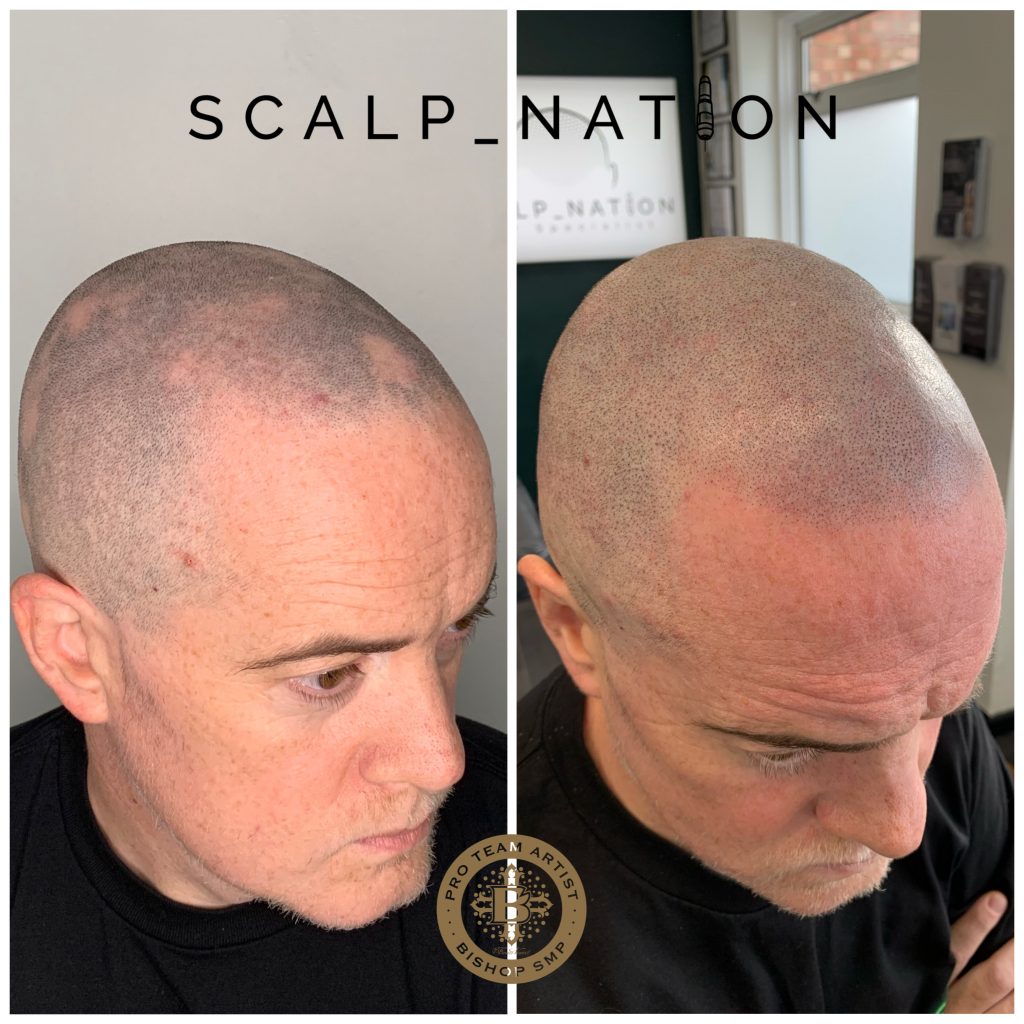
- Scalp micropigmentation for cosmetic improvement
Scalp micropigmentation provides permanent cosmetic improvement for those seeking immediate results. This specialised tattooing technique creates the appearance of closely-cropped hair, offering confidence restoration without ongoing treatments or uncertain outcomes. Lifestyle factors like stress management, adequate sleep, and gentle hair care practices support overall hair health more effectively than random supplementation. These foundational approaches cost nothing yet provide lasting benefits.
Lifestyle changes that support hair health:
- Managing chronic stress through exercise or meditation
- Ensuring adequate protein intake (especially for vegetarians)
- Avoiding tight hairstyles that create tension
- Using gentle, sulphate-free shampoos
- Protecting hair from excessive heat styling
- Getting regular health check-ups to identify underlying conditions
Making Informed Decisions About Hair Supplements
The supplement industry capitalises on vulnerability and hope, promising miraculous transformations through bottles of vitamins. Yet the reality remains unchanged: most hair loss occurs due to genetics and hormones, not nutritional gaps. While marketing teams craft compelling stories about revolutionary formulas, your follicles respond to biology, not advertising budgets.
True hair restoration requires honest assessment and appropriate intervention. Professional guidance separates genuine solutions from expensive placebos, ensuring your investment delivers actual results rather than false hope. Whether through medical treatments, cosmetic procedures like scalp micropigmentation, or addressing underlying health conditions, effective approaches target root causes rather than symptoms.
Rather than hoping supplements for hair growth will reverse hair loss, invest in proper diagnosis and evidence-based treatment. Your hair and your wallet will thank you for choosing science over marketing promises. The path to addressing hair loss begins with understanding its true cause, not masking symptoms with expensive vitamins that may provide no benefit whatsoever.

 By Will Quaye
No comment yet, add your voice below!