
Walking into a hair loss clinic for the first time shouldn’t feel like stepping into the unknown. Your initial consultation sets the foundation for every treatment decision that follows. This appointment reveals exactly what’s happening to your scalp, why it’s happening, and which solutions match your situation. We’ll walk you through each stage of that first visit so you arrive prepared, ask the right questions, and leave with clarity about your options.
Key Takeaways
- Most consultations run 30-60 minutes, combining medical history review with hands-on scalp examination
- Specialists use trichoscopy equipment to examine follicles at magnification levels impossible with the naked eye
- Blood tests and biopsies rarely happen during first appointments—these come later if diagnosis requires them
- Treatment recommendations get tailored to your specific hair loss pattern, not generic protocols
- Free consultations at reputable clinics mean you can explore options without financial commitment
Why Does Preparation Matter More Than You Think?
Your specialist can only work with the information you provide. Arriving unprepared means potentially missing diagnostic clues that could alter your treatment path.
Gather your medication list, including prescription drugs, supplements, vitamins, and herbal remedies. Birth control pills, beta-blockers, and high-dose vitamin A can affect hair growth cycles—your practitioner needs the complete picture.
Phone photos prove invaluable. Save images showing your hair at different stages over recent months. Multiple angles (top of head, hairline, crown, sides), if available, of course, help specialists determine whether you’re experiencing gradual thinning or sudden shedding.
Note your family history: which relatives experienced hair loss, at what ages, and how it progressed. This information shapes your prognosis and treatment strategy.
Arrive with clean, product-free hair. Skip dry shampoo, gels, and sprays. Your specialist needs to see your scalp in its natural state without barriers interfering with examination accuracy.
What Happens During the Initial Consultation?
The appointment typically follows a structured sequence designed to gather maximum diagnostic information efficiently.
Registration and Paperwork (5-10 minutes)
You’ll complete forms covering your medical history, current health status, and hair loss timeline. These documents ask about thyroid conditions, hormonal imbalances, autoimmune disorders, recent surgeries, significant life stressors, and dietary restrictions. Answer honestly—the best hair loss clinic uses this information to protect your safety and optimise results.
Detailed Discussion (15-20 minutes)
Your specialist conducts a thorough interview covering:
- Timeline questions: When did you first notice changes? Did thinning start suddenly or gradually? Has the pattern remained consistent or accelerated?
- Pattern assessment: Where specifically is the thinning concentrated? Temples? Crown? Diffuse across the entire scalp? Patches?
- Lifestyle factors: Recent major stresses? Dietary changes? New medications? Harsh chemical treatments or tight hairstyles?
- Treatment history: What have you already tried? Topical minoxidil? Supplements? Shampoos? How long did you use them, and what results did you see?
- Goals and expectations: What outcome would make you feel satisfied? Halting further loss? Regrowing lost hair? Cosmetic camouflage?
This conversation establishes whether you’re dealing with androgenetic alopecia, telogen effluvium, traction alopecia, alopecia areata, or another condition entirely.
Physical Examination (10-15 minutes)
Visual inspection under bright lighting examines hair density patterns, scalp condition, and miniaturisation evidence—where thick terminal hairs have shrunk into fine vellus hairs.
Trichoscopy takes the examination deeper. This specialised dermatoscope provides 10x to 70x magnification of your scalp and follicles, revealing follicular units, blood vessel patterns, and early miniaturisation invisible to the naked eye. At our hair loss clinic in London’s surrounding area, we use this technology to identify problems months before they become visible to you, allowing earlier intervention when treatment proves most effective.
The pull test assesses active shedding. Your specialist gently grasps approximately 60 hairs and applies light traction. Excessive shedding (more than 10% coming loose) indicates active telogen effluvium.
Standardised photographs document your baseline for comparison during future visits.
Ready to experience this process for yourself?
Book a free 30-60 minute consultation with Will Quaye — qualified clinical trichologist and 3-time award-winning SMP artist. Trichoscopy, pull test, and tailored recommendations included. No obligation.
Which Questions Will Your Specialist Ask You?
Expect your practitioner to probe deeper into specific areas based on initial findings.
- “Have any blood relatives experienced similar hair loss?”
Genetic predisposition plays the largest role in androgenetic alopecia. Your father’s hairline or your mother’s hair density at menopause provides predictive value for your trajectory.
- “Can you describe your typical diet?”
Severe protein restriction, iron deficiency, and inadequate B-vitamin intake all compromise hair production. Vegetarians sometimes lack sufficient bioavailable iron. Crash diets shock follicles into premature shedding phases.
- “Do you remember any significant health events in the past 6-12 months?”
Hair cycles operate on delayed timelines. A traumatic event, high fever, surgery, or severe infection from six months ago might only now manifest as noticeable shedding.
- “How do you typically style your hair?”
Tight ponytails, braids, extensions, and chemical straightening create traction alopecia. Heat styling damages hair shafts. Certain protective styles actually cause the damage they claim to prevent.
- “What are your expectations from treatment?”
This question separates realistic candidates from those requiring expectation management. No treatment reverses advanced baldness or works overnight. Honesty about limitations prevents disappointment.
What Tests Might Be Recommended?
Not every patient requires extensive testing. Your specialist orders diagnostics only when clinical examination suggests specific underlying conditions.
Blood panels check for:
- Thyroid function (TSH, T3, T4)
- Iron status (ferritin, serum iron, TIBC)
- Vitamin D levels
- Hormonal markers (testosterone, DHEA-S in women)
- Complete blood count
These tests typically get ordered for completion before your second appointment rather than being conducted immediately. Results take several days to process, and immediate treatment decisions rarely hinge on them.
Scalp biopsies remain reserved for complex cases where the diagnosis remains unclear after examination and history review. The procedure involves removing tiny scalp tissue samples under local anaesthesia for microscopic analysis. This distinguishes scarring from non-scarring alopecias and identifies inflammatory conditions requiring different treatment approaches.
Most patients never need biopsies. Clinical examination combined with trichoscopy provides sufficient diagnostic clarity for common conditions like androgenetic alopecia or telogen effluvium.
How Will Treatment Options Be Presented?
Reputable practitioners tailor recommendations to your specific diagnosis, lifestyle, goals, and budget rather than pushing universal protocols.
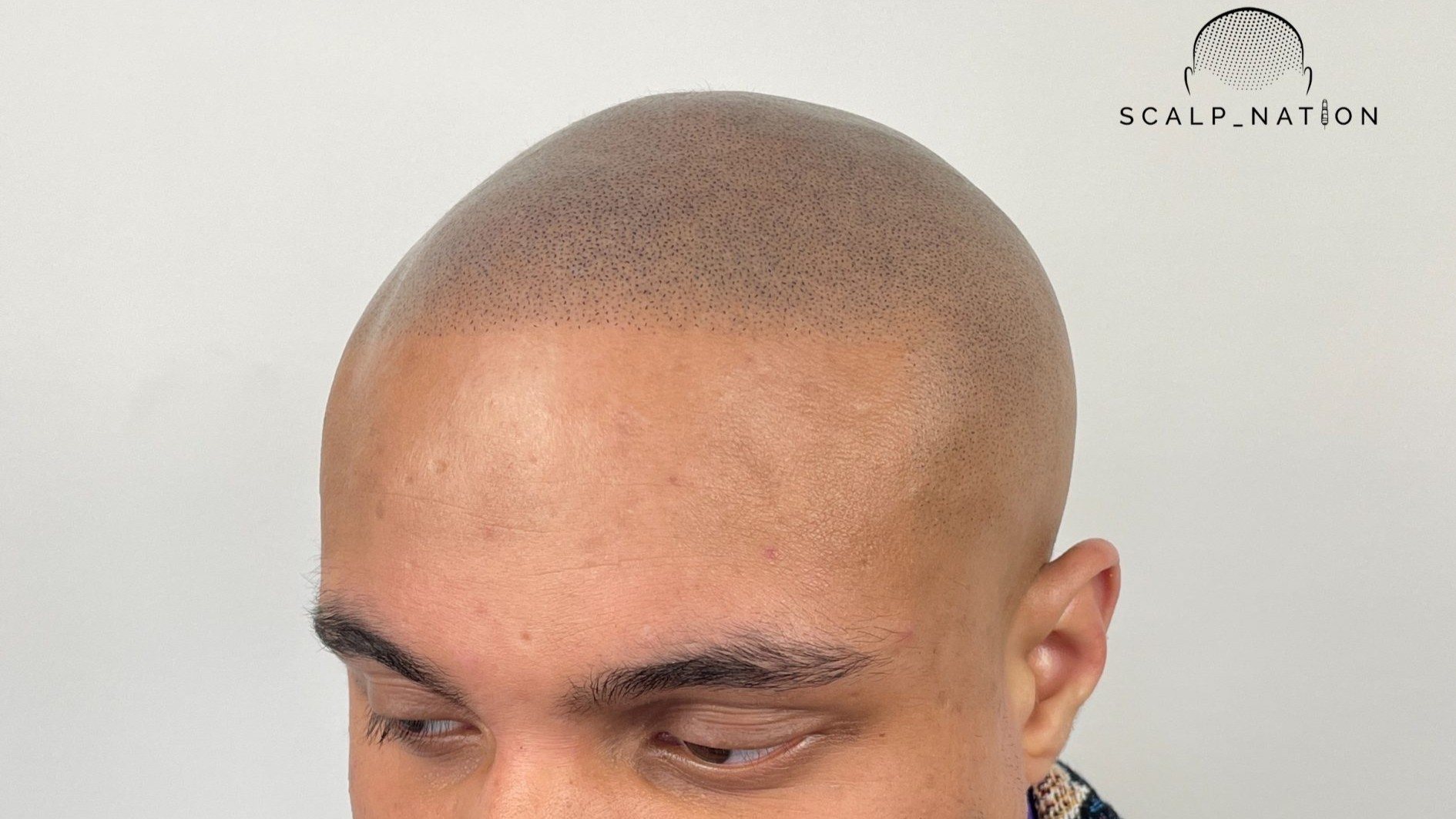
Scalp micropigmentation offers solutions regardless of your hair loss type or pattern. The application technique varies based on your goals: scalp micropigmentation for men typically creates the appearance of a closely-shaved head or adds density to thinning areas, while scalp micropigmentation for women often focuses on filling between existing hairs to enhance overall volume without requiring you to shave your head completely.
Your specialist should explain:
- Realistic timelines: Hair restoration operates on biological cycles spanning months, not weeks. Pharmaceutical treatments require 4-6 months before showing results. Cosmetic solutions offer immediate appearance changes but don’t address underlying causes.
- Expected outcomes: Treatment goals might involve halting progression, maintaining current density, or achieving modest regrowth. Complete restoration of adolescent hair density rarely occurs with any non-surgical approach.
- Potential limitations: Age, extent of loss, and underlying health conditions all influence treatment success. Advanced miniaturisation and prolonged baldness reduce follicle recovery potential.
- Financial investment: Transparent cost breakdowns covering initial treatments, maintenance requirements, and long-term expenses help you budget appropriately. Payment plans may be available for more extensive procedures.
Consulting with our trusted trichologist in London means accessing specialists who combine scientific knowledge of scalp conditions with artistic expertise in cosmetic solutions. Our clinic’s lead practitioner, Will Quaye, holds qualifications as both a Clinical Trichologist and an advanced SMP artist. This dual background provides insights that extend beyond what general practitioners typically offer, addressing both medical causes and aesthetic concerns simultaneously.
What Should You Ask Your Specialist?
Take control of your consultation by asking pointed questions that reveal practitioner expertise and clinic quality.
- “What specific type of hair loss do I have, and what caused it?”
Generic answers like “you’re just losing hair” or vague attributions to “stress” suggest insufficient diagnostic rigour. You deserve precise terminology and a causal explanation.
- “Which treatments do you recommend for my situation, and why?”
The reasoning matters as much as the recommendation itself. Practitioners should explain how their suggested approach addresses your specific diagnosis rather than listing everything they offer.
- “What results can I realistically expect, and over what timeframe?”
Promises of miraculous regrowth or extremely rapid results indicate questionable ethics. Honest practitioners set conservative expectations and explain the biological limitations of hair restoration.
- “What are the potential side effects or limitations?”
Every treatment carries risks or downsides. Pharmaceutical approaches may cause sexual dysfunction or hormonal effects. Cosmetic solutions require maintenance. Surgical procedures involve recovery periods and potential complications.
- “How much will treatment cost in total?”
Ask about the complete financial picture, including initial procedures, follow-up visits, maintenance treatments, and potential touch-ups. Hidden costs create frustration and financial strain.
- “What happens if I don’t pursue treatment?”
Understanding the natural progression of your condition helps you weigh the urgency of intervention. Some hair loss stabilises naturally. Other types progress relentlessly without treatment.
- “What are your qualifications and experience with my hair loss type?”
Verify credentials, speciality training, and years of practice. Some clinics employ sales staff for consultations rather than qualified practitioners—a red flag for service quality.
Bring these questions to your free consultation
Will Quaye welcomes every one of these questions — and answers them straight. Book a free 30-60 minute consultation and walk out with clear answers, not sales pitches.
Ready to Take That First Step?
Your initial hair loss clinic visit transforms uncertainty into actionable knowledge. That appointment provides diagnostic clarity about what’s happening to your hair, why it’s happening, and which solutions match your situation. You’ll leave with a professional assessment, realistic expectations, and a clear path forward.
The hardest part is scheduling that first consultation. Once you walk through the door, you’re working with specialists who understand both the medical complexities and emotional weight of hair loss. They’ve guided hundreds of people through this exact process, and they know how to make it manageable.
Most people wish they’d sought professional help sooner. Hair loss responds better to early intervention. The follicles you have today might not remain viable indefinitely. Getting expert assessment now preserves maximum treatment flexibility for the future.
If you’re still researching options, book a free consultation to experience firsthand how a professional hair loss clinic operates. Free consultations eliminate financial barriers to gathering information and comparing approaches.
FAQ
Will I need blood tests during my first visit?
Blood work gets ordered during your first appointment, but is completed before a follow-up visit. Tests require laboratory processing time (typically 3-7 days), so results won't be available during your initial consultation. Treatment discussions happen after results arrive.
Do I need to shave my head before the first appointment?
No. Arrive with clean, product-free hair in its natural state. Shaving becomes necessary only if you eventually proceed with certain cosmetic treatments like scalp micropigmentation, but never for diagnostic consultations.
Can I bring someone with me to the consultation?
Absolutely. Many patients bring partners or family members for emotional support and to help remember information discussed. Medical terminology and treatment options can feel overwhelming—a second set of ears helps ensure nothing gets missed.
How soon after my first visit can treatment begin?
Depends on the chosen approach. Topical treatments or medications can often start immediately. Cosmetic procedures may require scheduling several weeks out. Treatments requiring blood test results first typically begin within 2-3 weeks of your initial consultation.


 By Will Quaye

No comment yet, add your voice below!