
A wider parting. More scalp showing under bright lights. A ponytail that feels thinner than it used to.
These are common first signs of reduced hair density.
Hair density refers to how many individual strands grow per square centimetre of scalp. Most people have 100 to 150 hairs per square centimetre, though this varies by ethnicity and individual genetics.
Asian hair typically shows lower density with thicker individual strands. Caucasian and African hair types tend toward higher follicle counts with finer strands.
When density drops, the scalp becomes more visible—particularly when hair is wet or under direct lighting. Photos taken from above or behind often reveal thinning before the mirror does.
Key Takeaways
- Iron deficiency affects hair production even when standard blood tests appear normal
- Scalp massage for four minutes daily shows measurable thickness improvements after six months
- Stress-related shedding appears 2-3 months after the triggering event
- Advanced thinning may respond better to visual solutions than regrowth treatments
Why Hair Thins
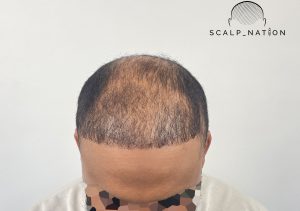
Androgenetic alopecia causes most cases of thinning.
Around 50% of men show visible hair loss by age 50. The condition also affects women, particularly after menopause.
The mechanism involves dihydrotestosterone (DHT). This hormone gradually shrinks susceptible follicles. Over time, affected follicles produce finer strands, then stop producing visible hair altogether.
Other contributing factors include:
Nutritional deficiencies — low iron, protein, or zinc levels reduce the resources available for hair production.
Thyroid disorders — both overactive and underactive thyroid disrupt hormonal balance affecting hair cycles.
Autoimmune conditions — alopecia areata causes the immune system to attack hair follicles directly.
Scalp conditions — seborrhoeic dermatitis, psoriasis, and folliculitis can impair follicle function when untreated.
Identifying which factors apply to you determines which interventions make sense.
Nutrition That Supports Fuller Hair
Hair production ranks low on the body’s priority list. When nutrients run short, follicles receive less support while organs take precedence.
Iron and Ferritin Levels
Ferritin is the protein that stores iron in your body.
A 2013 study in the Journal of Clinical and Diagnostic Research found iron deficiency present in 72% of premenopausal women experiencing hair loss.
Standard haemoglobin tests can appear normal while ferritin remains depleted. Some researchers suggest levels below 70 ng/mL may impair hair production.
Good dietary sources of iron:
- Red meat
- Lentils
- Spinach
- Fortified cereals
Pairing iron-rich foods with vitamin C improves absorption. Tea and coffee consumed with iron-rich meals reduce absorption.
Protein and Amino Acids
Hair consists of approximately 95% keratin.
Without adequate protein, follicles lack the building blocks for producing strong strands.
Most adults need 0.8 to 1 gram of protein per kilogram of body weight daily. Restrictive diets, post-surgical recovery, and illness increase requirements.
Other Nutrients Worth Tracking
Zinc — maintains follicle structure and regulates oil glands.
Biotin — assists keratin synthesis, though true deficiency is uncommon despite supplement marketing claims.
Omega-3 fatty acids — found in oily fish and flaxseed, support scalp hydration.
Vitamin D — receptors exist within hair follicles, and deficiency correlates with alopecia areata specifically.
Blood testing provides clearer answers than guessing when addressing low-density hair. A clinical trichologist can interpret results and recommend targeted supplementation.
Scalp Health and Daily Habits

Healthy follicles need a healthy scalp.
Inflammation, excess oil, and product buildup can block follicle openings and impair growth.
Regular cleansing removes sebum and residue. How often depends on scalp type—oily scalps benefit from daily washing, while drier types do better every two to three days.
Scalp Massage
A 2016 study published in ePlasty found that standardised scalp massage increased hair thickness after 24 weeks.
The mechanical stretching stimulates dermal papilla cells, which regulate hair growth cycles.
Recommended approach:
- Four minutes daily
- Use fingertips, not nails
- Apply moderate pressure
Product Selection
Harsh sulphates strip natural oils excessively.
Heavy silicones accumulate and weigh down fine strands.
Gentle, lightweight formulations suit most people with thinning hair.
Warning Signs
Persistent itching, flaking, or redness warrants professional evaluation. Conditions like seborrhoeic dermatitis, psoriasis, or folliculitis require treatment before hair growth can improve.
Lifestyle Factors That Affect Hair Loss
Stress
Elevated cortisol shifts more follicles into the shedding phase simultaneously.
This condition—telogen effluvium—typically appears 2-3 months after the stressful event. The delay often makes it difficult to connect the hair loss with its cause.
Common triggers include job loss, bereavement, surgery, severe illness, and major life changes. The good news: telogen effluvium usually resolves on its own once the underlying stress passes.
Sleep
Growth hormone release peaks during deep sleep.
Chronic sleep disruption correlates with accelerated hair ageing in research. Seven to nine hours suits most adults.
Exercise
Physical activity improves circulation to the scalp, delivering nutrients and oxygen while clearing metabolic waste.
Moderate cardio three to four times weekly provides benefits without excessive cortisol spikes from extreme training.
Smoking
Smoking damages hair through multiple pathways:
- Restricted blood flow
- Oxidative stress
- Altered hormone metabolism
Research links smoking to premature greying and faster progression of androgenetic alopecia.
If you’re uncertain what’s causing your thinning, you can book a free consultation to discuss your concerns.
Not sure what’s causing your thinning?
Book a free consultation with Will Quaye — a qualified clinical trichologist. He’ll review your symptoms, lifestyle, and any test results to identify what’s actually driving your loss and what to do about it.
Medical Treatments and Their Limitations
When lifestyle changes aren’t enough, pharmaceutical options exist. Each has trade-offs.
Minoxidil
Available without prescription. Stimulates blood flow to follicles and extends the growth phase.
The 5% concentration suits most users. A 2% version exists for those who experience scalp irritation.
Results require daily application for at least four months before evaluation. Stopping treatment reverses gains, often quickly.
Initial shedding during the first few weeks is common. This typically indicates the treatment is working—pushing resting hairs out for new growth.
Finasteride
Prescription-only. Blocks the enzyme converting testosterone to DHT.
Primarily used by men. Can slow progression or partially reverse androgenetic alopecia in responsive individuals.
Side effects warrant discussion with a healthcare provider before starting. Women of childbearing age should avoid handling crushed tablets due to pregnancy risks.
Platelet-Rich Plasma (PRP)
Concentrates growth factors from your own blood for injection into the scalp.
Research shows inconsistent results. Some studies report density improvements. Others find no significant difference from placebo. Multiple sessions are typically required, adding to overall cost.
Hair Transplantation
Surgically relocates DHT-resistant follicles from donor areas to thinning regions.
Success depends on sufficient donor density and realistic expectations. Grafts require 6-12 months to produce full visible growth. Untreated areas continue losing hair without additional intervention.
Visual Density Solutions
Not every situation responds to regrowth treatments.
Long-established loss, scarring, limited donor hair, and strong genetic factors can limit what biological approaches achieve.
For these circumstances, creating the appearance of hair density offers an alternative.
Scalp Micropigmentation
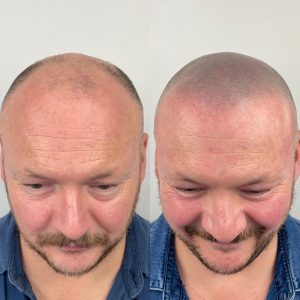
SMP deposits tiny pigment dots that replicate the look of hair follicles.
The technique creates an illusion of closely-cropped hair or adds perceived fullness to thinning areas. Results are visible immediately after the first session.
Most clients complete treatment across three sessions spaced one to four weeks apart. Touch-ups may be needed every 3-5 years as pigment gradually fades.
Scalp micropigmentation for men addresses receding hairlines, crown thinning, and complete baldness. The procedure works on fully shaved heads or alongside existing hair. Scar camouflage for FUT strip scars or FUE donor marks is another common application.
Scalp micropigmentation for women targets diffuse thinning along part lines and areas where scalp shows through longer hair. Female loss patterns differ from male patterns. The technique adapts to blend with existing strands rather than simulating a buzz cut.
Choosing a Practitioner
Practitioner skill determines outcome quality.
Look for portfolios showing healed work, not just fresh treatment photos.
A practitioner with clinical trichology qualifications alongside SMP training brings additional perspective on scalp health and ongoing management.
Wondering if SMP could work for your case?
Will Quaye is a 3-time award-winning SMP artist and qualified clinical trichologist. Book a free 30-minute consultation — in-person or video — and find out exactly what’s achievable for your hair density.
What to Do Next
Identify what’s causing your specific thinning before choosing a treatment.
Nutritional gaps, scalp conditions, hormonal factors, and genetics each call for different approaches. A treatment that works well for nutritional deficiency won’t help androgenetic alopecia, and vice versa.
The right response depends on an accurate diagnosis first.
FAQ
Can hair density loss be reversed completely?
Depends on cause and duration. Telogen effluvium and nutritional deficiencies often resolve fully. Long-standing androgenetic alopecia rarely returns to original density.
Are hair supplements worth buying?
Only if blood tests confirm specific deficiencies. Taking biotin with adequate levels provides no additional benefit.
Does washing hair frequently cause thinning?
No. Hairs lost during washing were already in the shedding phase. Regular cleansing removes buildup that can obstruct follicles.
When should I consult a professional about low-density hair?
Sudden increased shedding, bald patches, or rapid progression over weeks rather than months warrants assessment to rule out medical causes.

 By Will Quaye
No comment yet, add your voice below!