
Running your hand across a freshly shaved head feels incredible. Smooth. Clean. Confident. But here’s what nobody mentions when you first pick up that razor. Your scalp suddenly becomes the most exposed, vulnerable skin on your entire body, and it’ll punish you for ignoring it. Both the shaved-head woman rocking a bold look and the guy embracing his bald head face the same reality. Without proper head shaving aftercare, you’re signing up for redness, flaking, razor bumps, and that awful tight feeling by lunchtime.
Key Takeaways
- Around 100,000 hair follicles cover your scalp, and every single one becomes a potential trouble spot after shaving
- Morning routines need three non-negotiables. Mild cleanser, lightweight moisturiser, SPF 30 minimum
- Technique beats equipment every time. A £5 safety razor with proper prep outperforms a £200 electric shaver used wrong
- Night-time recovery isn’t optional. That’s when your scalp actually heals
- Seasons change, and so should your products. What rescues you in July will fail you in January
- Two weeks of persistent problems? Stop Googling and see a professional
Why Your Scalp Needs Different Care After Head Shaving
Think about what you’ve just done. You’ve taken roughly 100,000 hair follicles that spent years protected under hair and exposed them completely. Each follicle creates a tiny tunnel through your skin’s barrier. Every single one. And now bacteria, dirt, and irritation have direct access.
Here’s something else most people don’t consider. Your scalp produces more oil than almost any other body part. All those sebaceous glands used to feed your hair. Now that oil just sits there on bare skin, making your bald head look like a mirror by 2pm or causing breakouts you haven’t dealt with since your teenage years.
Without hair acting as insulation, environmental assaults hit harder too. Sun exposure burns your scalp faster than your shoulders. Wind chaps exposed skin within minutes. Cold temperatures? Your head feels it first. Every weather shift demands a response, and ignoring that reality leads to constant discomfort.
Morning Routine for the Shaved Head
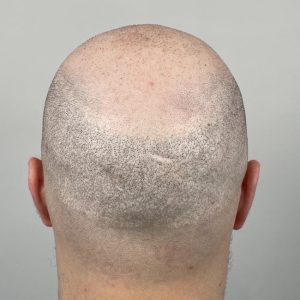
Get this wrong, and your entire day suffers. Get it right, and you’ll forget your scalp exists until bedtime. That’s the goal.
Forget whatever body wash you’ve been using. Grab something mild like CeraVe, La Roche-Posay, or Cetaphil. These brands formulate for sensitive facial skin, which matches exactly what your scalp needs now. Harsh sulphates in regular shampoos strip natural oils so aggressively that your skin panics and overproduces.
Water temperature matters more than you’d think. Lukewarm only. Those hot showers you love? They’re destroying your skin barrier and making razor bumps worse. Your shaved head will thank you within a week. Massage that cleanser in thoroughly with your fingernails or a silicone scrubber. Thirty seconds minimum.
Pat dry. Never rub. And moisturise while your skin’s still slightly damp to trap water in the upper layers. What moisturiser suits a bald head? Lighter than you’d expect. The shaved head woman often discovers her regular facial moisturiser performs perfectly. Men tend to grab something thick and greasy that leaves their head looking wet. Don’t do that. Neutrogena Hydro Boost or any oil-free facial moisturiser absorbs quickly and actually delivers. Look for hyaluronic acid on the ingredients list. Skip anything heavily fragranced.
Your bald head sits at the highest point of your body. Closer to the sun than your nose, your shoulders, everything. And scalp skin burns fast. Twenty minutes of midday summer sun without protection? You’ll feel that tonight. SPF 30 minimum. Every single morning. Rain or shine. January or July. UV rays don’t care about clouds, and they reflect off snow, water, and concrete to hit you from unexpected angles. La Roche-Posay Anthelios and Eucerin Oil Control both make excellent lightweight options. Reapply every two hours if you’re outside.
Quick Morning Checklist
- Cleanse with lukewarm water and sulphate-free cleanser
- Pat dry, apply lightweight moisturiser to damp skin
- Wait 2 minutes, then apply SPF 30 or higher
- Reapply sunscreen every 2 hours when outdoors
The Art of Head Shaving and Proper Technique
Most razor bumps, ingrown hairs, and irritation problems trace back to technique failures. Not bad products. Not sensitive skin. Technique. Fix how you shave, and most of your problems disappear.
Never shave dry. Ever. Microscopic tears from a dry shave become bacterial highways. Warm water opens pores and softens stubble. Shower first, or press a warm flannel against your scalp for a couple minutes. Then consider a pre-shave oil. Seems fussy, but these products create a slick layer between blade and skin that makes razors glide instead of drag.
Here’s an unpopular opinion. Expensive multi-blade razors cause more problems than cheap safety razors for many people. Those five-blade cartridges pull hair upward before cutting, and that tugging action practically guarantees ingrown hairs if your hair curls even slightly.
Razor Type Comparison
| Type | Best For | Closeness | Ingrown Risk | Cost Per Year |
| Safety Razor | Sensitive skin, curly hair | Very close | Low | £15-25 |
| Multi-Blade Cartridge | Convenience, speed | Very close | Medium-High | £80-150 |
| Electric Rotary | Bumpy skin, daily shavers | Moderate | Very low | £0 after purchase |
| Electric Foil | Precision work, flat sections | Close | Low | £0 after purchase |
A single-blade safety razor costs £20 and replacement blades run about 10p each. It requires more skill and attention, but it cuts cleaner without the tug-and-lift motion. Electric shavers suit certain people better. If you’ve tried everything and still get bumps, an electric might solve your problems overnight. You sacrifice some closeness, but you eliminate direct blade contact entirely.
Swap blades frequently. A dull blade drags against skin and causes more irritation than any other variable in your head shaving routine.
With the grain first. Always. Figure out which direction your hair grows on each part of your scalp, because growth patterns vary from front to back and side to side. Your first pass follows that natural direction. Want it closer? Reapply your shaving cream and make a second pass across the grain. Not against. Across. Going directly against the grain delivers the smoothest result, but it spikes ingrown hair risk considerably. The across-grain compromise handles most situations better.
And lighten up. Seriously. Pressing harder doesn’t shave closer. It just scrapes away skin cells and leaves raw patches that sting for hours. Let the blade’s weight do the work. Multiple light passes beat one aggressive stroke every time.
Evening Recovery for Your Bald Head
During the day, your scalp defends against the environment. At night, it heals. Give it the right tools.
Everything accumulated on your scalp needs to come off. Sunscreen, sweat, pollution, the oil that built up throughout the day. If you wore SPF like you should, consider double cleansing. An oil-based cleanser first to dissolve the sunscreen, then your regular low-foam cleanser to finish.
Exfoliation happens now, not in the morning. Your skin needs time to recover before facing the world again. Paula’s Choice 2% BHA Liquid handles this brilliantly. So does The Ordinary Salicylic Acid 2% Solution. These chemical exfoliants get into pores and prevent ingrown hairs without physical scrubbing. Use them two or three times weekly. More than that irritates rather than helps.
Heavier products belong here. Nobody sees your shaved head while you sleep, so greasier textures don’t matter. Retinol reshapes scalp skin over time. Cell turnover accelerates, dullness disappears, and that flaky look plaguing neglected bald head owners becomes a memory. Start with something low-strength. The Ordinary Retinol 0.2% in Squalane suits beginners well. Build tolerance slowly because retinol increases sun sensitivity noticeably.
Dealing with serious dryness? Layer a heavier moisturiser on top. CeraVe Moisturizing Cream or Weleda Skin Food handles winter dryness effectively.
Quick Evening Checklist
- Double cleanse if wearing sunscreen
- Exfoliate 2-3 times weekly with BHA
- Apply retinol on non-exfoliation nights
- Finish with heavier moisturiser if needed
Seasonal Adjustments for Scalp Care
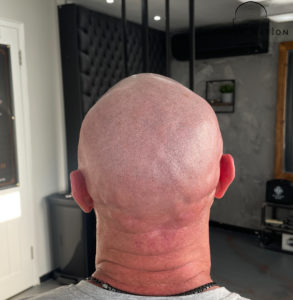
What rescues your scalp in August fails completely in February. Your routine needs to flex with the calendar.
Summer brings excess oil, increased sweating, and brutal UV exposure. Cleanse more frequently if needed. Carry SPF for midday reapplication. After swimming, rinse immediately. Chlorine and salt water destroy scalp hydration within hours if left sitting.
Winter changes everything. Central heating sucks moisture from air and skin simultaneously. A humidifier in your bedroom helps more than expensive products. Switch to richer moisturisers because lightweight summer formulas leave your bald head feeling tight and uncomfortable. Protect against wind with breathable beanies, but wash them regularly to prevent bacteria buildup causing breakouts.
Seasonal Product Swaps
| Season | Moisturiser Weight | SPF Priority | Cleansing Frequency |
| Summer | Lightweight, oil-free | Maximum, reapply often | Once or twice daily |
| Winter | Rich, barrier-repair | Still daily, less reapplication | Once daily usually enough |
When to Seek Professional Guidance
Most scalp issues resolve through routine adjustments. Tweak your products, fix your technique, wait two weeks. Problems often sort themselves.
Sometimes they don’t. Persistent redness lasting longer than a fortnight despite doing everything right signals something beyond basic maintenance. Unusual growths or changing moles need medical attention immediately. Scaling or flaking that won’t respond to moisturisers might indicate seborrheic dermatitis or psoriasis requiring specific treatment.
For those considering scalp micropigmentation for women and men, professional guidance ensures realistic expectations and proper candidacy assessment. The treatment complements a shaved head beautifully, adding density or evening out tone, but it delivers the best results when your underlying scalp health is sorted first.
Own the Look
Your scalp broadcasts how well you maintain yourself. That bald head becomes a statement piece the moment hair disappears, and neglecting it announces carelessness louder than any outfit choice. Give your shaved head the attention it now demands, and it’ll reward you with the smooth appearance that makes people ask what your secret is.
FAQ
Can I use regular body lotion on my shaved head?
You can. Should you? Probably not. Body lotions contain heavier ingredients and fragrances that clog pores on your scalp. Facial moisturisers designed for oily or combination skin perform far better because they target skin with dense oil gland concentration. Your scalp falls into that category now.
Why does my bald head get shiny so quickly after washing?
Those oil glands haven't stopped working just because the hair disappeared. They're still producing sebum that used to coat your strands. Without hair to absorb it, oil pools on exposed skin. Mattifying moisturisers help. So do blotting papers for midday touch-ups. Resist the urge to wash more frequently because that triggers increased oil production.
What causes razor bumps and how can I prevent them?
Cut hair can curl back into the follicle or grow sideways under the skin. Curly and coarse hair types suffer most, but anyone shaving closely risks them. Exfoliate regularly to keep follicle openings clear. Never shave dry skin. Use sharp blades and replace them often. Shave with the grain rather than against it. Those four habits eliminate most cases.
Is scalp micropigmentation suitable for someone who shaves their head regularly?
Perfectly suited, actually. The treatment creates realistic hair follicle impressions that complement the shaved head aesthetic exactly. It adds perceived density, conceals scars from injuries or previous procedures, and evens out patchy skin tone. Curious about your options? Book a free consultation and get personalised guidance without any pressure.


 By Will Quaye
No comment yet, add your voice below!