
Every hair follicle on your scalp represents a potential vulnerability. These tiny tube-like structures anchor each strand beneath your skin’s surface, but their open design creates entry points for bacteria, blockages, and inflammatory processes. From temporary infections clearing up within days to chronic conditions requiring specialist intervention, follicle-related problems affect millions. This guide draws on trichology expertise to help you identify your specific issue, understand its root cause, and access effective treatment pathways that actually work.
Key Takeaways
- Hair follicles are open pores connecting the skin surface to deeper layers, making them vulnerable to bacteria and blockages.
- Three main problems affect follicles: infections creating red bumps, blockages trapping debris, and miniaturisation shrinking follicles over time.
- Causes range from bacterial invasion and physical trauma to hormonal shifts and lifestyle factors.
- Visual clues, location, and timeline help identify which specific follicle problem you’re experiencing.
- Miniaturisation occurs when the DHT hormone progressively shrinks follicles, shortening growth phases.
- Home treatments target mild cases through antibacterial care, exfoliation, and topical solutions.
- Professional intervention becomes necessary for persistent infections, chronic blockages, or advanced miniaturisation.
- Prevention strategies reduce risk, though genetic conditions require early management rather than complete avoidance.
What Makes Hair Follicles So Vulnerable to Problems?

Hair follicles function as open pores connecting your skin’s surface directly to deeper tissue layers. This structural design, paired with constant oil production, creates an environment where bacteria thrive.
Each follicle houses oil glands that lubricate growing hair. When functioning properly, this sebum protects both hair and skin. The problem starts when this delicate balance tips. Excess oil combines with dead skin cells, trapping bacteria inside the follicle opening. The warm, moist conditions accelerate bacterial growth.
Follicles cycle through distinct phases: active growth spanning several years, a brief transition lasting weeks, and then a resting period before the hair sheds. During these transitions, the follicle structure temporarily weakens. This vulnerability window allows infections to take hold more easily than during stable growth periods. Your scalp contains roughly 100,000 follicles, each operating on its own cycle, meaning some are always in this susceptible state.
What Are the Most Common Hair Follicle Problems?
Three distinct conditions account for the majority of follicle-related complaints. Each creates different symptoms, follows separate progression patterns, and responds to specific treatments.
1. Folliculitis (Infected Hair Follicle)
Small red bumps clustered around individual hairs signal an infected hair follicle. Staph bacteria typically cause these infections, though fungi and viruses occasionally trigger similar reactions. The bumps may itch, feel tender, or develop whiteheads filled with pus.
- Shaving ranks as the leading culprit. Razor blades create tiny cuts that bacteria exploit.
- Hot tubs with poor chemical balance breed pseudomonas bacteria that attach to follicles within 48 hours of exposure.
- Tight gym clothes trap sweat against skin, and the constant friction damages follicle openings.
Left alone, superficial bumps sometimes escalate into painful boils that burrow deep beneath the skin. Clusters of these deeper infections, called carbuncles, can leave permanent scars. Facial bumps carry particular psychological weight (many people avoid social situations when breakouts flare).
2. Blocked Hair Follicle (Clogged Pores)
Keratin protein combines with dead skin and oil to form plugs inside follicles. These blocked hair follicles appear as skin-coloured bumps or dark spots where debris oxidises at the surface.
Simple blockages resolve fairly quickly with proper care. Chronic cases develop into hidradenitis suppurativa – a condition where plugged follicles rupture beneath the skin, creating painful lumps in friction zones:
- Armpits and groin
- Under breasts
- Between buttocks
- Behind ears
Aggressive scrubbing doesn’t clear blockages. The irritation actually worsens inflammation, driving the problem deeper. Genetics and hormones play larger roles than hygiene habits.
3. Hair Follicle Miniaturisation
Follicles gradually shrink when the DHT hormone binds to their receptors. This miniaturisation produces progressively finer hair. Thick terminal strands become wispy “baby hairs” before follicles potentially stop functioning entirely.
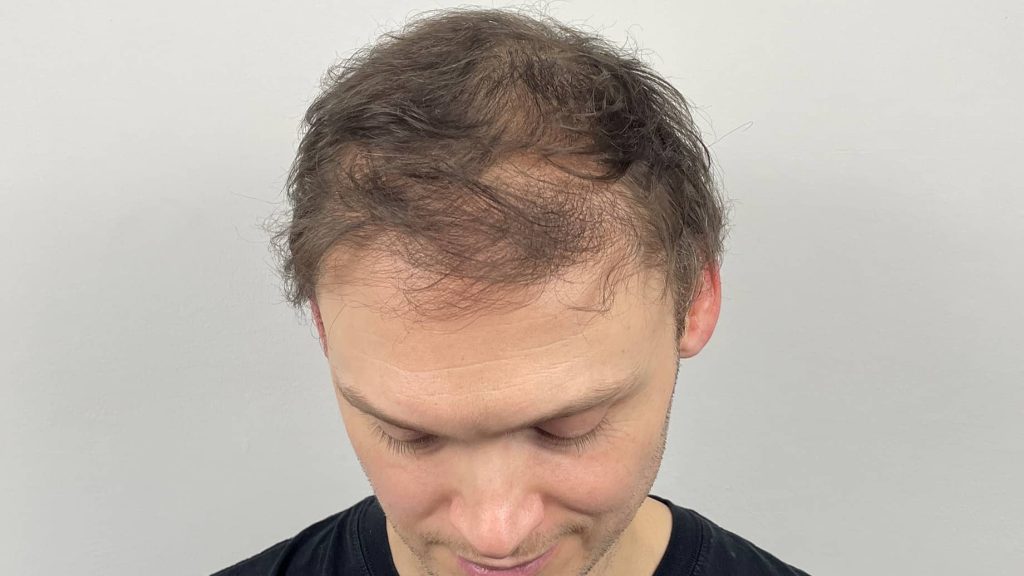
Men notice receding temples and crown thinning. Women see widening centre parts and diffuse thinning across the top of the scalp.
Unlike infections that appear suddenly, miniaturisation creeps forward over months and years. The earlier you catch it, the better your chances of slowing or partially reversing the process.
What Actually Causes Hair Follicle Problems?
Multiple factors interact to compromise follicle health. Genetics may set the stage, but environmental triggers and lifestyle choices determine whether problems actually develop.
Bacterial and Fungal Invasion
These microbes live permanently on your skin without causing harm – until something changes. Cuts from shaving create entry wounds. Weakened immune systems lose their ability to keep microbial populations in check. Warm, damp conditions let bacteria multiply beyond normal levels.
Physical Trauma
Damage occurs directly to follicle structures through daily habits. Repeated waxing tears at the follicle walls. Tight hairstyles pull hair at unnatural angles for hours. Sports equipment and clothing create friction that gradually wears down protective barriers.
Hormonal Shifts
These changes alter sebum production and follicle sensitivity. Puberty triggers oil glands to work overtime. Testosterone converts into DHT through enzyme activity that varies based on inherited traits. Women with PCOS experience elevated androgens that mimic male-pattern responses.
Lifestyle Accelerators
Certain habits compound other risk factors. Smoking restricts blood flow to your scalp, starving follicles of oxygen and nutrients. Chronic stress disrupts hormone regulation. Nutrient-poor diets deprive follicles of the building blocks they need for healthy growth cycles. These factors don’t cause problems in isolation. They amplify whatever vulnerabilities your genetics and environment already created.
Why Do Some Hair Follicles Shrink and Stop Growing Properly?
DHT hormone rewrites your follicle’s growth instructions. Each cycle gets shorter, producing weaker hair until the follicle eventually shuts down.
Healthy follicles spend 2-7 years actively growing hair, then rest for three months before shedding. DHT flips this ratio backwards – growth phases shrink to months whilst resting periods stretch longer. Your follicles spend more time dormant than productive.
The physical damage occurs at the dermal papilla, a bulb-shaped structure at each follicle’s base. This papilla contains blood vessels feeding nutrients to growing hair. When DHT attaches to receptors here, the papilla gradually shrinks. A smaller papilla means reduced blood supply, fewer growth cells, and declining nutrient access.
Chronic scalp inflammation compounds genetic susceptibility. Conditions like seborrheic dermatitis create constant low-level inflammation that accelerates follicle deterioration. The combination of hormonal sensitivity plus inflammatory damage speeds miniaturisation beyond what genetics alone would cause.
Mildly affected follicles sometimes recover with DHT-blocking treatments. Severely miniaturised ones rarely respond – the papilla has shrunk too much to restart robust growth.
What At-Home Treatments Work for Hair Follicle Problems?
Mild cases caught early respond well to targeted home care. Match your treatment to the specific problem rather than hoping generic approaches will work.
For Infected Hair Follicles
Warm compresses applied for 15-20 minutes, three to four times daily, draw out infection and calm inflammation. Use antibacterial body washes containing benzoyl peroxide or chlorhexidine when showering. Gentle exfoliation prevents dead skin from accumulating around follicle openings.
Switch to loose clothing over affected areas. Trapped sweat feeds bacterial growth. Change razors frequently and shave along hair growth direction, never against it. Resist picking or squeezing bumps; this spreads bacteria to surrounding follicles and creates scars.
For Blocked Follicles
Salicylic acid cleansers dissolve keratin plugs that trap debris inside follicles. Chemical exfoliants containing glycolic acid or lactic acid prevent dead skin buildup without harsh scrubbing.
Examine your hair products and moisturisers – thick, oil-based formulas clog pores. Choose fragrance-free, non-comedogenic alternatives. Wear breathable fabrics in friction-prone zones rather than synthetic materials that trap moisture.
For Miniaturisation
Apply topical minoxidil twice daily: 2% concentration for women, 5% for men. Scalp massage improves blood circulation to struggling follicles. Products containing caffeine, saw palmetto, or rosemary oil provide anti-inflammatory benefits.
Handle thinning areas gently. Aggressive brushing or styling adds trauma to already compromised follicles. Home treatments address mild, recent-onset problems effectively.
Symptoms persisting beyond 7-10 days require professional assessment to prevent permanent damage.
When Do You Need Professional Treatment for Follicle Problems?

Seek medical help when infections spread rapidly, recur despite good hygiene, or cause fever and intense pain. Professional intervention prevents scarring and permanent follicle damage.
For Persistent Infections
Prescription-strength topical antibiotics like mupirocin or clindamycin target resistant bacteria that over-the-counter products can’t eliminate. Widespread or deep infections require oral antibiotics – your doctor selects specific medications based on which bacteria are causing the problem.
Antifungal medications treat yeast-based folliculitis that mimics bacterial infections but doesn’t respond to antibacterial treatments. Large boils and carbuncles need incision and drainage to relieve pressure and remove infected material. Some patients benefit from diluted bleach baths twice weekly to reduce bacterial populations on skin surfaces.
For Chronic Blockages
Prescription retinoids like tretinoin or adapalene normalise how quickly skin cells turn over, preventing the buildup that creates plugs. Oral antibiotics such as doxycycline or minocycline calm the inflammatory component driving chronic cases.
Severe hidradenitis suppurativa sometimes requires steroid injections to reduce inflammation or laser therapy to destroy damaged follicles and sinus tracts. Surgical removal becomes necessary when cysts form deep tunnels beneath the skin.
For Advanced Miniaturisation
- Prescription DHT blockers, finasteride for men, spironolactone for women, reduce the hormone driving follicle shrinkage.
- Platelet-rich plasma injections deliver concentrated growth factors to struggling follicles.
- Low-level laser therapy energises cellular activity in weakened follicles.
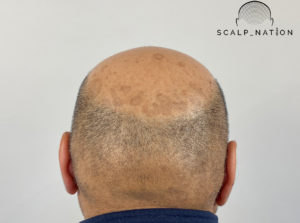
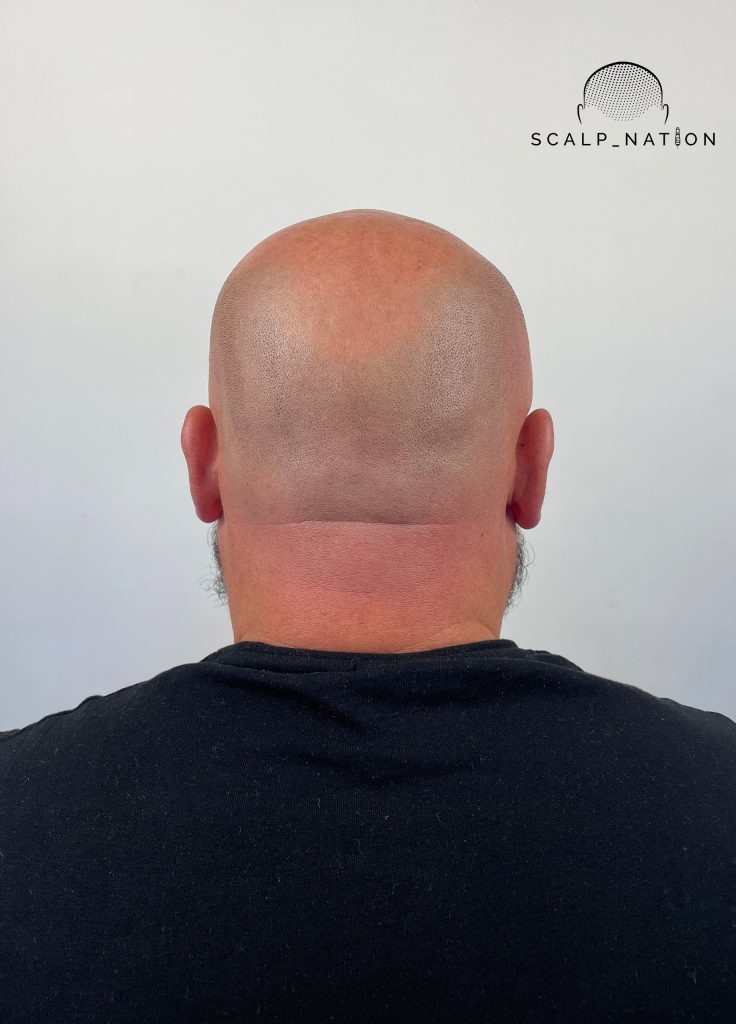
When miniaturisation has progressed beyond the treatment stage, cosmetic procedures like scalp micropigmentation for women create the appearance of density where follicles have stopped functioning.
Can You Prevent Hair Follicle Problems Before They Develop?
Prevention proves far easier than treating established conditions. Strategic choices reduce your risk across all three follicle problem types.
High-impact strategies:
- Use sharp, clean razors and shave with the hair growth direction.
- Wash your scalp regularly without stripping natural oils (over-washing triggers rebound oil production).
- Check hot tub maintenance before entering. Ask about chlorine levels and the last testing date.
- Choose hair products labelled non-comedogenic. Thick styling creams and oils suffocate follicle openings.
- Replace sweaty gym clothes immediately rather than staying in damp fabric for hours.
- Manage chronic stress through proven methods. Elevated cortisol disrupts hormone balance.
Genetic Limitations
Some conditions, like androgenetic alopecia and hidradenitis suppurativa, run in families. You can’t prevent genetic predisposition, but early intervention slows progression considerably. Address hormonal imbalances promptly rather than waiting for problems to worsen. Treat underlying skin conditions like seborrheic dermatitis or eczema before they create chronic inflammation that damages follicles over time.
When genetic hair loss has already progressed beyond prevention, cosmetic solutions restore appearance without attempting to revive dormant follicles. Scalp micropigmentation for men creates the visual effect of density in areas where follicles have ceased functioning.
Balanced nutrition supports follicle health. Protein, iron, B vitamins, and omega-3s provide building blocks for healthy growth cycles. Protect your scalp from UV damage with hats or SPF products designed for hair-bearing skin.
Where Do You Go from Here?
Follicle health sits at the centre of most scalp concerns. Recognising whether you’re dealing with infection, blockage, or miniaturisation determines which treatment path actually works. Home care handles early-stage problems effectively, whilst medical conditions require appropriate clinical intervention.
For hair loss resulting from follicle miniaturisation or damage, trichology assessment identifies the extent of follicle compromise and whether cosmetic solutions offer the best path forward.
Book a free consultation to explore options when follicles have stopped responding to treatment.
FAQ
What's the difference between blocked follicles and folliculitis?
Blocked follicles involve keratin and oil plugging the opening. Folliculitis means the follicle is infected or inflamed, usually by bacteria.
How long does follicle miniaturisation take before hair loss becomes noticeable?
The process progresses over months to years. Individual follicles shrink at different rates, creating gradual thinning rather than sudden baldness.
Are certain people more prone to hair follicle infections?
Yes. Individuals with diabetes, compromised immune systems, eczema, or those who shave frequently face a higher infection risk.
Can follicle problems cause scalp itching without visible bumps?
Absolutely. Inflammation can occur beneath the skin's surface before creating visible symptoms, causing itching or burning sensations.
Is it possible to reverse hair follicle miniaturisation completely?
Mildly miniaturised follicles may recover with DHT blockers or PRP treatments. Severely shrunken or dormant follicles cannot be revived. Only cosmetic solutions help at that stage.

 By Will Quaye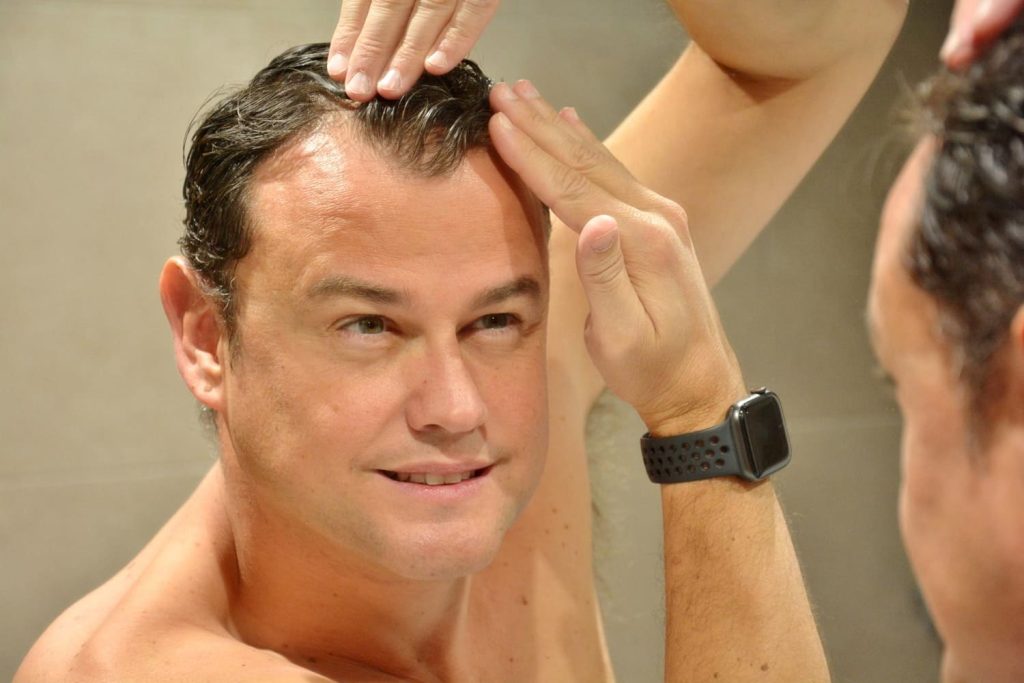
No comment yet, add your voice below!