Bonusar och kampanjer på Reblz - guide för svenska spelare
Att förstå bonusar och kampanjer är viktigt för svenska spelare som letar efter värde och trygghet. I denna guide förklarar vi hur Reblz utformar sina välkomstpaket, återkommande erbjudanden och cashback-villkor så att du kan fatta informerade beslut innan du gör din första insättning. Erbjudanden kan skilja sig åt beroende på betalningsmetod, land och verifieringsstatus, och det är viktigt att läsa omsättningskraven, maximala insatsgränser och giltighetstider. För att jämföra aktuella kampanjer och erbjudanden direkt kan du besöka Reblz och kontrollera de specifika villkoren för Sverige innan du accepterar ett erbjudande.
Typ av bonus
Nyckelvillkor
Giltighet
Välkomstbonus
25x omsättning på insättning + bonus, min insättning €20
72 timmar för att använda bonus
Free Spins
Vanligtvis inga omsättningskrav på vinster - kontrollera kampanjvillkor
Spins giltiga 7 dagar
Cashback
1x omsättning, maxbelopp per vecka €5 000
Ofta veckovisa erbjudanden
Observera särskilda begränsningar - vissa insättningar via e-plånböcker som Neteller, Skrill och Paysafe Card kvalificerar sig inte för kasinobonusar. Reblz anger också maxinsats vid aktiv bonus - vanligtvis €5 per spelrunda eller spinn - och vissa spel som live casino och bordsspel bidrar med 0 procent mot omsättning. Kontrollera alltid om bonusen kräver verifiering av konto eller ett aktiverat telefonnummer och marknadsföringssamtycke för att vara berättigad.
Läs alltid fullständiga villkor innan du accepterar en bonus.
Känn till omsättningskravet - 25x för välkomstpaket är standard.
Undvik att använda uteslutna betalmetoder om du vill ha en insättningsbonus.
Sök efter giltighetstider - många erbjudanden måste användas inom 72 timmar.
Använd ansvariga inställningar - sätt gränser innan du spelar med bonuspengar.
Kontakta support om något i villkoren är oklart - Reblz erbjuder support som kan förklara detaljer.
För svenska spelare är transparens kring omsättning, maxvinst och utbetalningsregler avgörande för en positiv bonusupplevelse. Reblz publicerar sina huvudsakliga regler för bonusar och avslöjar vilka spel som är undantagna, samt hur snabb verifiering påverkar uttag. Kom ihåg att obeväpnade insättningar som inte spelats igenom kan medföra hanteringsavgifter vid uttag.
Avslutningsvis - utnyttja bonusar på ett strategiskt sätt och spela ansvarsfullt. Reblz erbjuder attraktiva kampanjer men dagens bästa nytta får du genom att förstå villkoren, planera dina satsningar och använda verktyg för spelbegränsning när det behövs. Läs alltid kampanjens specifika regler för Sverige, spara dokumentation vid behov och ta kontakt med support om frågor uppstår för att undvika missförstånd vid uttag.
Bonusar och kampanjer i Sverige
Som spelare i Sverige är det viktigt att förstå hur bonusar och kampanjer fungerar för att få mest värde - välkomstpaket, freespins och cashback kommer ofta med villkor som påverkar din upplevelse. Denna guide förklarar tydligt omsättningskrav, giltighetstider, maxinsatser och vilka betalmetoder som kan påverka din bonusrätt. Upptäck varför en trygg operatör och klara villkor gör skillnad när du jämför erbjudanden på marknaden. För officiell information och aktuella kampanjer rekommenderar vi att du besöker Sugarino direkt - men läs även villkoren noga så att du känner till tidsgränser och undantagna spel.
Typ
Nyckelvillkor
Välkomstbonus
25x omsättning på insättning + bonus - minsta insättning €20 - maxinsats €5 per spin
Freespins
Giltiga 7 dagar - inga omsättningskrav för vinster om ej annat anges - maxuttag €5 000
Cashback
Veckovis med 1x omsättning - bas 5% - upp till 10-15% för högre lojalitetsnivåer - max €5 000/vecka
För svenska spelare betyder detta att du måste planera kampanjer strategiskt - välkomstbonusar brukar ha 72 timmar för att göras anspråk på och ofta 48 timmar för att slutföra omsättningen. Om du tar ut insättningen innan omsättningen är fullbordad kan avgifter eller förlust av bonus och vinster följa - vissa operatörer kan ta ut en behandlingsavgift på upp till 30% om insättningen inte har omsatts minst en gång. Kontrollera också vilka spel som räknas mot omsättningen - live och vissa bordsspel bidrar ofta med 0% medan slots vanligtvis bidrar fullt.
Läs promotermens villkor noga innan du accepterar en bonus
Kontrollera minsta insättning och maxinsats när bonus är aktiv
Använd betalmetoder som är bonusberättigade för att undvika diskvalificering
Satsa på spel som ger hög bidragsprocent mot omsättningen
Håll koll på giltighetstider - freespins och bonusar kan löpa ut snabbt
Använd cashback för att minska nettoförluster och få extra värde
Att maximera värdet av bonusar kräver både tid och disciplin - sätt egna gränser, följ omsättningsregler och undvik att göra impulsiva uttag som kan förlora dina bonusvinster. Genom att jämföra villkor, prioritera erbjudanden med rimliga omsättningskrav och hålla ordning på giltighetstider kan du få bättre utbyte av kampanjer. Kom ihåg att alltid spela ansvarsfullt och se till att bonusvillkor är förenliga med din spelstil och budget.
Bonuserbjudanden och kampanjer på Richmoose i Sverige
Richmoose erbjuder en rad kampanjer för svenska spelare - från välkomstbonusar till veckovis cashback och freespins. Villkor varierar per erbjudande och det är viktigt att kontrollera omsättningskrav, giltighetstid och maximala uttagsgränser innan du accepterar ett erbjudande. Minsta insättning för de flesta kampanjer är 20 euro eller motsvarande i SEK, och maxinsats vid aktiv bonus är oftast 5 euro per snurr.
Kampanj
Omsättning
Minsta insättning
Välkomstbonus
25x insättning+bonus
20 EUR
Cashback
1x cashback
Ingen
Freespins
0x eller ingen omsättning*
Varierar
För att ta del av ett välkomsterbjudande måste du ofta göra en verifierad insättning och acceptera villkoren. Besök Richmoose för aktuella kampanjregler och tidsgränser - notera att omsättningen vanligtvis är 25x insättning plus bonus och att freespins ofta måste användas inom sju dagar.
Granska omsättningskravet och om det gäller insättning plus bonus eller endast bonus
Kolla giltighetstid - många erbjudanden har 48 till 72 timmar för att fullfölja omsättning
Använd betalmetoder som är berättigade till bonus - vissa e-plånböcker kan uteslutas
Undvik beteenden som kan klassas som bonusmissbruk - flera konton, bots eller hedging
Spara skärmdumpar av villkor och kampanjsmail för framtida referens
Som svensk spelar är det viktigt att känna till betalnings- och verifieringskrav kopplade till kampanjer. Utvalda insättningsmetoder som Neteller, Skrill och Paysafe Card är ofta inte berättigade till casinoinsatsbonusar, så välj bankkort eller direktbanköverföring om du prioriterar bonusvillkor. Vid uttag behandlas förfrågningar vanligtvis inom 72 timmar internt och utbetalningstider varierar beroende på metod - Instant Bank Transfer kan vara samma arbetsdag medan kort och banköverföring kan ta upp till tre dagar. Maxuttag är i regel 5 000 EUR per 24 timmar och 20 000 EUR per 30 dagar, och om du begär uttag innan omsättningskraven är uppfyllda kan Richmoose ta ut en processavgift på 30% av insatt belopp eller förverka bonus och vinster enligt villkoren. Verifiering genom KYC kan krävas vid högre insättningsnivåer - normalt senast vid 2 000 EUR i insättningar - vilket kan påverka uttagstid. Cashback erbjudanden har ofta 1x omsättning innan konvertering till riktiga pengar, och freespins kan ha ett uttagstak som varierar per kampanj. För tydlighet och för att undvika missförstånd, läs alltid kampanjens specifika villkor och kontakta supporten som är tillgänglig dygnet runt via livechatt eller email om du behöver hjälp med tolkning eller dokumentation. Spela ansvarsfullt - använd insättningsgränser, sessionstider och självuteslutning för att hålla kontrollen.
Bonusar och kampanjer - Slotmojo i Sverige
Att förstå hur bonusar och kampanjer fungerar är avgörande för svenska spelare som vill få mest värde från casinon online. Denna guide förklarar vanliga bonusformer - välkomstbonusar, reload-erbjudanden, cashback och fria spins - och ger praktiska tips för att jämföra erbjudanden. Tänk på omsättningskrav, maximala insatser och tidsbegränsningar när du väljer en kampanj. För information direkt från operatören och aktuella villkor, besök officiella sajten via länken till Slotmojo och kontrollera kampanjens detaljer före krav på insättning eller uttag.
Typ
Omsättning
Minsta insättning
Välkomstbonus
25x deposit+bonus
€20
Free Spins
Ingen omsättning för spinvinster om ej annat anges
Varierar
Cashback
1x bonus
Ingen
När du värderar en kampanj hos Slotmojo eller andra aktörer i Sverige är det viktigt att granska flera punkter - omsättningskravets bas, maxinsats under bonusspel, giltighetstid och vilka spel som bidrar till omsättningen. Bonusvillkor kan också innehålla konverteringsgränser som begränsar hur mycket av bonusvinster som kan bli uttagsbart. Kom ihåg att vissa betalmetoder som e-plånböcker kan utesluta rätten till kampanjer, vilket ofta anges i kampanjvillkoren.
Kontrollera omsättningskravet - hur många gånger måste du spela igenom bonusen
Se över vilka spel som räknas - slots bidrar oftast, live och bordsspel ofta inte
Håll koll på maxinsats - överskridande kan ogiltigförklara vinster
Läs giltighetstiden - bonusar och fria spins kan löpa ut snabbt
Jämför konverterings- och vinsttak för att bedöma verkligt värde
Praktiska tips för svenska spelare inkluderar att aktivera marknadsföring om det krävs för att få bonusar, och att verifiera kontot tidigt för snabbare uttag. Slotmojo erbjuder olika kampanjer som kan ändras ofta - därför är det klokt att alltid läsa de specifika villkoren för varje erbjudande. Slutligen, använd ansvarstagande spelverktyg som insättnings- och tidsgränser när du spelar med bonuspengar för att undvika problem och få en bättre och mer hållbar spelupplevelse.
Bonuserbjudanden och kampanjer på Hugo casino i Sverige
Upptäck de senaste bonuserbjudandena och kampanjerna riktade till spelare i Sverige - en tydlig överblick av vad du kan förvänta dig innan du registrerar dig. Hugo casino erbjuder en omfattande välkomstpaket, återkommande reload-bonusar, veckovisa cashback-erbjudanden och tematiska free spins under speciella helger. För att se aktuella villkor, giltighetstider och aktiveringssteg direkt på sajten kan du besöka Hugo casino och läsa de detaljerade bonusreglerna samt minimikrav för insättningar.
Erbjudande
Min insättning
Omsättningskrav
Maxvinst
Välkomstpaket 225% upp till €600 + 275 FS
20 EUR
45x
500 EUR
Sunday Funday 100% upp till €1000
20 EUR
45x
Varierar
Hugo Cashback
50 EUR per vecka
30x
Ingen särskild gräns
Viktigast att känna till är omsättningskraven och maxutbetalningsgränserna som ofta påverkar hur mycket du faktiskt kan ta ut när du spelar med bonuspengar. Många av välkomst- och reload-bonuserna hos Hugo casino kräver 45x omsättning på bonusen eller på insättning plus bonus, medan cashback-erbjudanden normalt har 30x omsättning. Det finns också tydliga tak för vinster från bonusar - till exempel 500 EUR på vissa välkomsterbjudanden och lägre gränser för free spin-vinster. Maxinsats per spelrunda vid aktiv bonus är vanligtvis begränsad till 5 EUR. Kontrollera alltid vilka spel som bidrar till omsättningen eftersom slots oftast bidrar 100 procent medan bordsspel och livecasino kan bidra 0-5 procent.
Läs alltid bonusvillkoren noga innan aktivering.
Kontrollera omsättningskrav och vilka spel som bidrar.
Notera maxinsats när bonus används - ofta 5 EUR.
Spara dokumentation om aktivering och kommunikation med support.
Håll koll på giltighetstid - många erbjudanden gäller 7 dagar.
Använd cashback och reload-erbjudanden för långsiktig spelbudget.
Att utnyttja kampanjer smart innebär att planera insättningar och välja erbjudanden som matchar din spelstil. Om du föredrar slots är välkomstpaket och free spins ofta mest lönsamma eftersom slots bidrar 100 procent till omsättningen. Högre omsättningskrav kan göra bonusar svårare att omsätta effektivt - räkna alltid ut hur mycket du behöver satsa totalt för att kunna ta ut vinster. Tänk också på verifieringskrav och eventuella uttagsminima - till exempel kräver kryptouttag hos Hugo casino ofta högre minimiuttag jämfört med banköverföringar. Om ett erbjudande kräver kontakt med support för aktivering, spara konversationen eller skärmdumpar så att du kan bevisa att du följt instruktionerna. Slutligen - spela ansvarsfullt; använd insättningsgränser och möjligheten att pausa kontot om spelandet blir för intensivt. Vill du satsa större, undersök VIP-programmet som kan erbjuda bättre cashback och högre uttagsgränser. Kontakta alltid kundtjänst via livechatt eller email om något är oklart. Var även uppmärksam på tidsbegränsningar och krav på dokumentation för uttag. Lycka till och kontrollera alltid de fullständiga kampanjvillkoren innan du accepterar ett bonuserbjudande.
Bonusar och kampanjer hos Golden Panda
Golden Panda erbjuder ett brett utbud av bonusar och kampanjer som riktar sig särskilt till spelare i Sverige. I denna guide går vi igenom välkomstbonusar, cashback, återkommande erbjudanden och viktiga villkor du bör känna till innan du tackar ja. Läs noggrant om omsättningskrav, maxinsatser och giltighetstider för att undvika överraskningar. För att komma direkt till operatörens sida och se aktuella kampanjer kan du besöka Golden Panda där alla erbjudanden är samlade och uppdaterade. Information om minsta insättning, maxbonus och tidsfrister finns tydligt angivet i bonusvillkoren, och vi rekommenderar att du kontrollerar detaljerna innan du aktiverar en bonus.
10% av nettotapp - Utbetalas som uttagsbart saldo - Min payout 0,10 EUR
Krediteras varje måndag 06:00 UTC
Standardbonusar
Generella bonuserbjudanden - Omsättning 35x - Max uttagsgräns vid vissa gratisbonusar 10 EUR
Vanligtvis 7 dagar
Välkomstpaketet hos Golden Panda kan se mycket förmånligt ut - 200% upp till 5 000 EUR plus 50 freespins är bra för nya spelare som vill öka sin spelkassa. Tänk dock på att omsättningskravet på 30x bonusbeloppet innebär att du måste spela igenom bonusen på slots, eftersom bidraget från andra spel oftast är 0%. Maxinsats per runda med bonuspengar är begränsad till 5 EUR, och bonusvinster kan ha konverteringsbegränsningar enligt villkoren. Förstå spelbidrag, maxvinstregler och tidsfrister innan du accepterar - det minskar risken för att förlora bonusrättigheter vid uttag. Observera att välkomstbonusen har en maximal konverteringsregel - normalt kan bonusbelopp endast konverteras till uttagsbart saldo upp till 10 gånger bonusbeloppet, vilket påverkar storvinster. Generella bonusar följer ofta en 35x-regel och kan ha begränsningar för vilka spel som räknas - läs bonusvillkoren för att se vilka spel och leverantörer som är undantagna.
Sätt en tydlig budget och använd bara bonuspengar du kan förlora
Läs alltid bonusvillkoren - särskilt omsättningskrav och spelbidrag
Spela slots som bidrar med 100% för att snabba på omsättningen
Använd cashback-erbjudandet för att mildra förluster - det är uttagsbart
Undvik högre insatser än maxgränsen när bonus är aktiv
Sammanfattningsvis ger Golden Panda flera attraktiva kampanjer för svenska spelare, men lönsamhet hänger på att du följer villkoren och väljer rätt spel. Kontrollera bonusens regler på sidan, beakta verifieringskrav och var uppmärksam på giltighetstider. Spela alltid ansvarsfullt - Golden Panda erbjuder verktyg för självutestängning och ansvarsfullt spelande om du behöver paus eller hjälp. Vid frågor om bonusvillkor kan du kontakta Golden Panda via kundsupporten per email för snabba svar och verifieringsfrågor.
Bonuser och kampanjer hos Golden Panda i Sverige
Golden Panda erbjuder ett brett utbud av bonuser och kampanjer speciellt anpassade för spelare i Sverige. I denna översikt går vi igenom hur välkomstbonusar, cashback och återkommande erbjudanden fungerar - vad du behöver veta om omsättningskrav, minsta insättning och giltighetstid. Välkomstpaketet kan vara mycket generöst men kommer med specifika villkor för omsättning och maxinsats. För att läsa fler detaljer direkt på operatörens svenska sajt kan du besöka Golden Panda där information om 200% välkomstbonus upp till €5 000 och 50 free spins finns tydligt beskrivet. Viktiga punkter är minsta insättning på 20 EUR, omsättningskrav på 30x bonusen och en tidsgräns för användning - så se till att du förstår reglerna innan du godkänner ett erbjudande.
Bonus
Villkor
Giltighet
Välkomstbonus
200% upp till €5 000, 30x omsättning
60 dagar
Veckocashback
10% på nettoförluster, inga omsättningskrav
Varje måndag
Standardbonus
35x omsättning, maxinsats €5
7 dagar
Att maximera en bonus kräver att du spelar smart - välj spel som bidrar 100% mot omsättningskravet. Hos Golden Panda räknas slots oftast fullt, medan live-spel och bordsspel kan bidra med betydligt mindre eller inget alls beroende på kampanj. Kontrollera också maxinsatsregeln - med bonuspengar är det vanligt att en insatsgräns på €5 per runda gäller. En annan viktig punkt är uttagsreglerna - minimalt uttag ligger ofta på €25 och uttag kan kräva verifiering innan godkännande. Tänk på att vissa kampanjer har ett tak för uttag från bonusvinster - exempelvis en multipel av bonusbeloppet - så läs bonusvillkoren noggrant. Om du planerar att använda cashback erbjudanden, observera att Veckocashback hos Golden Panda krediteras som uttagbar kontanter varje måndag och inte har omsättningskrav, vilket gör det till ett flexibelt alternativ för svenska spelare.
Läs alltid bonusvillkoren noggrant innan du aktiverar en kampanj.
Satsa på slots som bidrar 100% för snabbare omsättning.
Håll dig under maxinsatsgränsen när du spelar med bonus.
Använd Veckocashback för att minimera risk och undvika omsättning.
Kontakta kundtjänst vid oklarheter om bonusregler eller uttag.
Sammanfattningsvis erbjuder Golden Panda attraktiva kampanjer för svenska spelare, men värdet ligger i att förstå villkoren och anpassa spelstrategin efter bonustypen. Observera omsättningskrav, maxinsats och giltighetstider för att undvika att bonusar förverkas vid uttag. För större belopp kan verifiering krävas och uttagstid varierar beroende på vald betalmetod. Spela ansvarsfullt - sätt egna insättningsgränser och använd självavstängning om det behövs. Läs alltid de fullständiga bonusvillkoren eller kontakta support om något är oklart. Med rätt förhållningssätt kan Golden Panda:s bonuser ge extra spelglädje utan oväntade överraskningar. Minsta insättning är 20 EUR och minsta uttag 25 EUR, med standarduttag begränsade till €4 000 per dag, €10 000 per vecka och €20 000 per månad. Support nås via e-post om du behöver hjälp med bonusfrågor eller verifiering.
Bonuserbjudanden och kampanjer på Qbet för spelare i Sverige
Qbet erbjuder ett brett utbud av bonusar och kampanjer som passar svenska spelare. På casino kan nya kunder ofta få en välkomstbonus med 100% upp till €100 plus 100 gratissnurr men villkoren varierar. Läs alltid villkoren noga och jämför omsättningskrav, maxinsats och spelbidrag innan du aktiverar erbjudandet. För mer information och aktuella kampanjer, besök Qbet och kontrollera kampanjsidan.
Bonus
Omsättningskrav
Maxinsats
Välkomstbonus - Casino
35x bonus
€5 per snurr eller rond
Reload-bonus
40x bonus
€4 per snurr eller rond
Gratiscashback
Ingen omsättning
Ingen maxinsats - kontrollera villkor
Dessa huvudregler är viktiga för svenska spelare att förstå. Omsättningskrav anges ofta som multiplar av bonusbeloppet eller av insättning plus bonus och måste slutföras inom en viss period, vanligtvis 30 dagar. Spelbidrag varierar - slots räknas normalt 100% medan bordsspel och live casino ibland räknas 0%. Qbet tillämpar också maxinsatsregler under bonusspelning vilket kan påverka både strategi och tid för att möta kraven. Observera att vissa spel och speltitlar är undantagna från bonusspel och att funktioner som feature buy kan vara förbjudna vid spel med bonuspengar.
Kontrollera minsta insättning som krävs för att ta emot bonus
Läs vilka spel som räknas mot omsättningen
Notera bonusens giltighetstid och när den löper ut
Undvik att överskrida maxinsats under bonusspel
Aktivera endast bonusar du förstår villkoren för
För svenska användare erbjuder Qbet även återkommande kampanjer som reload-erbjudanden, gratis snurr och cashback-program. Cashback kan vara ett attraktivt alternativ eftersom vissa cashback-erbjudanden inte har omsättningskrav, vilket innebär att utdelningen blir direkt uttagbar saldo. Qbet kommunicerar kampanjer via kampanjsidan och i kontots belöningssektion - se till att du aktiverar erbjudanden där det krävs. Slutligen är ansvarsfullt spelande viktigt - sätt egna gränser, använd insättnings- och sessionsgränser och kontakta support om du behöver hjälp. Genom att förstå villkoren kan svenska spelare få bättre värde och undvika oväntade begränsningar när de tar del av Qbet-kampanjer.
Bonuserbjudanden och kampanjer hos Qbet för svenska spelare
Qbet erbjuder ett brett utbud av bonusar och kampanjer riktade till svenska spelare, från välkomsterbjudanden till dagliga cashback- och reloadkampanjer. I den här guiden förklarar vi hur bonusarna fungerar, viktiga omsättningskrav, tidsbegränsningar och vilka spel som bidrar till omsättningen. För snabb åtkomst till kampanjvillkor och aktuella erbjudanden rekommenderas att du besöker den officiella sajten via denna länk: Qbet och kontrollerar villkoren före insättning. Att förstå maxinsatser, spelbegränsningar och utbetalningsgränser kan spara både tid och pengar när du använder bonuspengar.
Erbjudande
Typ
Nyckelvillkor
Välkomstbonus
Insättning
100% upp till 100 EUR + 100 free spins - 35x omsättning
Instant Cashback
Daglig
5% nettförluster + 20% rakeback på slots - inga omsättningskrav
Reloadbonus
Återkommande
Upp till 100% - vanligtvis 40x omsättning på bonusbelopp
Free spins
Bonus
Winnings har ofta 35x omsättning - maxvinster kan gälla
För att få ut maximalt värde av kampanjerna hos Qbet bör du först kontrollera minsta insättning, maxinsats under bonusspel och vilka spel som räknas 100 procent mot omsättningen. Många casinoerbjudanden gäller endast slots och utesluter live casino och bordsspel, vilket påverkar hur snabbt du klarar omsättningskravet. Tänk också på att cashback-kampanjer ofta kräver aktivering i belöningssektionen och kan ha dagliga eller veckovisa gränser för uttag. Läs bonusvillkoren noggrant så att du inte förlorar rätt till belöningar på grund av oförstådda regler.
Kontrollera minsta insättning och giltighetstid för bonusen
Notera maxinsats när bonuspengar är aktiva
Spela spel som bidrar 100 procent till omsättningen
Aktivera cashback och belöningar i Rewards-sektionen
Undvik flera uttag som kan leda till administrativa avgifter
Slutligen är ansvarsfullt spelande viktigt när du använder bonusar och kampanjer. Sätt egna gränser för insättningar och sessionstid och använd Qbet verktyg för gränser och timeout vid behov. Om något är oklart, kontakta kundsupport via livechatt för snabb hjälp med kampanjregler eller verifiering av kontoinformation. Genom att kombinera smart spelval med tydlig förståelse av villkoren kan svenska spelare utnyttja Qbet kampanjer på ett tryggt och lönsamt sätt.
Bonuser och kampanjer på Brango för spelare i Sverige
Brango erbjuder ett brett utbud av bonusar och kampanjer som passar både nya och trogna spelare. Välkomstpaketet innehåller stora insättningsbonusar, särskilda crypto-förhöjningar och hundratals free spins i vissa kampanjer. Återkommande erbjudanden inkluderar cashback, dagliga belöningar och söndagskampanjer som belönar regelbundet spelande. För fullständig information om villkor, maximala uttag och exklusiva kuponger - kontrollera alltid kampanjsidan och aktivera erbjudanden via den officiella länken: Brango.
Erbjudande
Typ
Omsättningskrav
$150 Free Chip
Ingen insättning
10x
Välkomstpaket
Insättning
10x på bonus
Instant Cashback
Cashback
15x
När du jämför erbjudanden är omsättningskrav, maxuttag och spelbidrag avgörande. Många erbjudanden har undantag för live dealer och progressiva jackpots, och vissa free spins har separata maxbelopp att ta ut. Tänk också på KYC-krav innan första uttaget - dokumentation kan krävas och verifieringsprocessen kan ta upp till några dagar. Att läsa villkoren minskar risken för missförstånd och ger bättre kontroll över bonusutnyttjandet. Observera också max insatsbegränsningar när bonus är aktiv - detta påverkar strategier vid bordsspel. Vissa kuponger har giltighetstid och kräver att du anger en kampanjkod i samband med insättning. Om du är osäker, kontakta Brango support som kan förklara villkoren på engelska eller ge vägledning om bonusanvändning.
Praktiska tips för svenska spelare:
Kontrollera alltid minsta insättning för att erhålla bonusar
Läs maxuttag för free spins och no deposit-bonusar
Använd kryptobetalningar där bonusprocenten ibland är högre
Undvik att spela uteslutna spel som live dealer vid bonusspel
Kontakta supporten om en kampanj inte krediterats till kontot
Brango ger möjlighet till löpande förmåner genom VIP-programmet och personliga kampanjer för aktiva spelare. Som svensk spelare bör du också tänka på ansvarsfullt spelande - sätt insättningsgränser och använd kylningsperioder vid behov. Support finns tillgänglig via livechatt om du behöver hjälp med bonusvillkor eller tekniska frågor. VIP-programmet belönar lojala spelare med högre cashback och högre uttagsgränser - ju mer du spelar desto bättre villkor kan erbjudas. Kom ihåg att bonuspengar ofta omfattas av separat maxuttag, så planera uttag i förhållande till omsättningskrav. Spela alltid ansvarsfullt och använd de verktyg som erbjuds för att hålla koll på spelandet. Brango VIP-nivåer ger snabbare uttag, personlig kontohantering för inbjudna kunder och exklusiva event. Fortlöpande cashback och comp points kan växlas mot kontanter enligt uttagsreglerna. Kolla alltid eventuella begränsningar för svenska konton och se till att val av valuta och betalmetod påverkar bonusen. Sammanfattningsvis - läs villkoren, utnyttja välkomstbonusar klokt och kontakta Brango support vid frågor för att maximera värdet av kampanjerna utan överraskningar. Glöm inte att aktivera kuponger i tid och att följa svenska regler för spel och beskattning när det är tillämpligt.
Bonuserbjudanden och kampanjer hos Brango
Brango erbjuder en rik variation av bonuserbjudanden och kampanjer som är utformade för att passa både nya spelare och återvändande kunder. På plattformen hittar du allt från no-deposit fria chip och omfattande välkomsterbjudanden till återkommande cashback- och free spin-kampanjer som uppdateras regelbundet. Ett bra första steg för svenska spelare som vill utforska alla aktiva erbjudanden är att besöka den officiella sidan för detaljer och aktuella koder - Brango - där du kan läsa fullständiga villkor och hur varje bonus aktiveras. Tänk på att varje kampanj har sina egna omsättningskrav, maxuttag och spelbegränsningar, och att dessa villkor påverkar hur mycket du faktiskt kan ta ut efter att ha uppfyllt kraven.
Kampanj
Typ
Viktiga villkor
Welcome Package 250% + 500 Free Spins
Första insättning
Min insättning $20 - 10x bonusomsättning - Max uttag 5x insättning
$150 Free Chip
No-deposit
10x omsättning - Max uttag $50 - Ej live dealer eller progressiva slots
Instant Cashback
Återkommande
15x omsättning - Min cashback $5 - Gäller ej vissa spel
För att maximera värdet av kampanjer hos Brango är det viktigt att förstå spelbidrag och begränsade titlar. Många erbjudanden gäller endast icke-progressiva slots och utesluter live dealer, vissa bordsspel och specifika slots som 777. Kreditkortsinsättningar kan ha annorlunda bonusprocentsatser, och kryptoinsättningar kan ge högre matchningar i vissa välkomstpaket. Kom också ihåg att det finns begränsningar som max insats per spelomgång när en bonus är aktiv - ofta satt till $20 per bet eller buy-feature.
Läs alltid omsättningskraven innan du accepterar en bonus
Kolla vilka spel som räknas mot omsättningen
Använd eventuella kampanjkoder i rätt steg för att aktivera erbjudandet
Observera maxuttag för fria spinn och fria chip
Spara transaktionsuppgifter vid insättning och uttag för eventuella verifieringar
Kontakta support för oklarheter kring kampanjvillkor eller kvalificering
Sammanfattningsvis levererar Brango ett omfattande kampanjutbud med både generösa välkomsterbuntar och dagliga eller veckovisa specialer för lojala spelare. För svenska användare är det särskilt viktigt att granska villkoren noggrant och planera spelandet kring bonusspecifika begränsningar - på så sätt får du bättre kontroll över omsättningen och större chans att förvandla bonusmedel till uttagsbara vinster. Vid frågor hjälper Brango kundsupport gärna till med klargöranden om regler, kvalificerande spel och hur du bäst utnyttjar varje erbjudande.
Winnerz - Bonusar och kampanjer i Sverige
Winnerz erbjuder en rad bonusar och kampanjer som riktar sig till spelare i Sverige - från ett generöst välkomsterbjudande till återkommande cashback och reload-bonusar. För nya spelare är paketet med 350 free spins en tydlig höjdpunkt, uppdelat i två insättningar med minimikrav på 20 EUR per steg och ett omsättningskrav som ofta anges i villkoren. För att snabbt komma igång och se aktuella kampanjer kan du besöka Winnerz och läsa detaljerna om vilka spel som ingår, giltighetstider och maxinsats vid bonusspel. Det är viktigt att känna till att många erbjudanden har tidsbegränsningar - free spins måste ofta omsättas inom tre dagar - och att vissa bordsspel och progressiva jackpottar kan vara exkluderade från bonusspel.
Erbjudande
Typ
Nyckelvillkor
350 Free Spins Welcome Package
Välkomstbonus
Min. insättning €20, omsättning 25x, spins 3 dagar
Up to 20% Weekly Cashback
Cashback
Wager-free för vissa nivåer, krediteras måndagar
Weekend Reload Bonus
Reload
Min. insättning €20, omsättning 25x för bonus
När du jämför kampanjer bör du särskilt granska omsättningskraven och vilka spel som bidrar till att uppfylla dem. Winnerz använder ofta en 25x omsättningsregel på bonus + insättning för många kampanjer, vilket påverkar hur snabbt du kan omvandla bonusmedel till uttagsbara vinster. Kontrollera även maxinsatsbegränsningar under aktiv bonus - att satsa för högt kan leda till att bonus blir ogiltig. Cashback-kampanjerna kan vara mycket förmånliga i form av förluster som delvis återbetalas utan omsättning - men nivåindelningar och kvalificerande perioder hanteras i kampanjens specifika villkor.
Läs alltid fullständiga villkor före aktivering av en bonus
Notera minsta insättning och giltighetstid för free spins
Undvik spel som är uttryckligen exkluderade från bonusspel
Håll koll på maxinsats för att inte förlora bonusen
Använd cashback och reload för att förlänga spelandet med lägre risk
För de som spelar regelbundet erbjuder Winnerz dessutom lojalitetsförmåner genom Winnerz Loyalty Club - med ökade cashback-nivåer, exklusiva erbjudanden och snabbare uttag för aktiva medlemmar. Sammanfattningsvis kan rätt användning av bonusar och kampanjer öka värdet i din spelupplevelse, men alltid med ansvar och kontroll över insättningar och spelande. Kontrollera att du uppfyller KYC-krav och var medveten om eventuella avgifter eller omsättningsregler innan du begär uttag.
Bonusar och kampanjer på Winnerz i Sverige
Att förstå bonusutbudet är viktigt för svenska spelare som jämför nätcasinon. Winnerz erbjuder en mix av välkomstpaket, veckovisa cashback-erbjudanden och reload-bonusar. Viktigt är att läsa villkoren om omsättningskrav, minsta insättning och spelbegränsningar innan du aktiverar en bonus. Genom att känna till begränsningar undviker du att förlora bonusmedel i onödan och får mer valuta för insatsen.
Kampanj
Typ
Viktigt
350 Free Spins
Välkomstpaket
Omsättning 25x - spins giltiga 3 dagar
Veckocashback
Cashback
0x omsättning för vissa nivåer - krediteras måndag
Weekend Reload
Reload
Min insättning €20 - omsättning 25x
När du jämför erbjudanden i Sverige kan du utgå från detaljerna på sajten - till exempel hur ofta en bonus återkommer och vilka spel som är exkluderade. För en komplett överblick och aktuell information om kampanjer kan du besöka Winnerz för att se fullständiga villkor, tidsfrister och spelbidrag. Tänk också på att vissa bonusar har maxinsatsbegränsningar när bonusen är aktiv.
Kontrollera alltid omsättningskravet innan aktivering
Se vilka spel som inte räknas mot omsättningen
Observera tidsbegränsningar för free spins och kampanjer
Håll koll på minsta insättning för att kvalificera dig
Anteckna maxvinstregler och begränsningar för uttag
Praktiska tips för svenska spelare inkluderar att planera insättningar så att du inte bryter mot x5-turnover eller andra uttagsvillkor som kan medföra avgifter. Winnerz publicerar sina viktigaste villkor tydligt, till exempel minsta uttagsbelopp och avgifter som kan tillkomma vid tidig utbetalning. Genom att läsa igenom all information minskar risken för överraskningar.
Sammanfattningsvis är det lönsamt att utnyttja bonusar men göra det med omsorg. Jämför välkomstpaket, veckocashback och reload-erbjudanden, förstå hur omsättningskrav påverkar dina chanser och använd tools för ansvarsfullt spelande när det behövs. Genom att vara informerad får du bättre kontroll över spelbudgeten och kan njuta längre av spelupplevelsen på Winnerz.
Bonus och kampanjer hos Trickz för svenska spelare
Trickz erbjuder ett stort utbud av bonusar och återkommande kampanjer som riktar sig till både nya och befintliga spelare i Sverige. Välkomstpaketet inkluderar fria snurr för de första insättningarna och flera veckovisa erbjudanden som ger extra spelvärde. Det är viktigt att jämföra erbjudanden så att du väljer bonusar som matchar din spelstil och budget.
Bonus
Kort beskrivning
Välkomstpaket
100-200 fria snurr, 25x omsättningskrav
Veckokampanj
Tuesday Mystery Box och Weekend Recharge
Cashback
Veckovis cashback - krav och villkor gäller
Som svensk spelare bör du alltid läsa villkoren för varje erbjudande noggrant. För detaljer och aktuella kampanjer kan du besöka Trickz och läsa de fullständiga reglerna om omsättning, maxinsats och vilka spel som är undantagna från bonusspel. Vanliga krav inkluderar 25x omsättning på insättning plus bonus, en minsta insättning på €20 och en maxinsats under bonusspel som ofta ligger vid €2 eller €5 beroende på erbjudande. Vissa kampanjer, som fria snurr, har särskilda spelbidrag och uteslutna kategorier - live casino, bordsspel och progressiva jackpottar är ofta exkluderade. Dessutom kan uttag innan omsättningskravet uppfyllts medföra en extra avgift eller reducerade vinster. Att planera spelandet och kontrollera villkor före insättning gör att du får bättre kontroll över bonusvärdet och undviker oväntade begränsningar.
Minsta insättning €20 och fast insättningsavgift €1 per insättning.
Omsättningskrav 25x på insättning plus bonus - kontrollera bidrag.
Maxinsats under bonus - €2 för första och andra, €5 för tredje.
Uttagsavgift €2 och lägsta uttag €25 - före uttag kontrollera omsättning.
Veckokampanjer och lojalitetsprogram kan ha särskilda villkor och begränsningar.
För att få mest värde av kampanjerna planera din spelbudget och välj erbjudanden som passar din spelstil. Använd ansvarsfulla verktyg som dagliga och veckovisa förlustgränser, cool-off och självavstängning om spelet börjar påverka vardagen. Kom också ihåg att Trickz kan kräva identitetskontroll och dokumentation vid uttag eller vid ovanliga vinster - ha dina uppgifter redo för en snabb verifieringsprocess. Kontrollera alltid eventuella avgifter - fasta avgifter per insättning och uttagskostnader kan påverka nettoresultatet. Om något känns oklart, kontakta supporten som finns tillgänglig dygnet runt via livechatt eller e-post - deras team löser ofta frågor snabbt. Var också medveten om att större vinster och ovanliga transaktioner kan kräva längre granskningsperioder - ibland upp till sju arbetsdagar - då spelhistorik och dokumentation kan behöva verifieras. Utnyttja lojalitetsprogrammet om du spelar regelbundet för att samla förmåner och cashback. Sätt tydliga tidsgränser och använd sessionstimer och dagliga förlustgränser för att hålla spelet kontrollerat. Läs alltid de fullständiga bonusvillkoren innan du accepterar ett erbjudande och kontakta supporten om du är osäker. Att ha realistiska förväntningar och förstå kostnader som fasta insättningsavgifter och uttagsavgifter hjälper dig att uppskatta bonusens verkliga värde.
Bonusar och kampanjer på Incognito casino
Incognito casino erbjuder en rad bonusar och kampanjer som riktar sig till svenska spelare - från dagliga free spins till VIP-belöningar. I den här guiden förklarar vi hur de vanligaste erbjudandena fungerar, vilka begränsningar som gäller och hur du bäst tar del av dem. Vanliga kampanjer inkluderar Free Spins on Deposit, Weekly Reloads, 15 Daily Free Spins och VIP Spins & Reload. För att komma åt hela kampanjutbudet och aktiva villkor - besök sajten via Incognito casino och kontrollera bonusvillkoren noggrant innan du tackar ja.
Erbjudande
Wager
Max uttag
Free Spins on Deposit
35x bonus
€2,000
15 Daily Free Spins
Vinster från free spins - gäller bonusregler
€2,000 (generellt)
Weekly Reloads / VIP Spins & Reload
35x bonus
€2,000
Viktiga villkor att känna till för svenska spelare - de flesta bonusar kräver omsättningskrav på 35x bonusbeloppet innan uttag är tillåtet. Speltyper bidrar olika till omsättningen - slots 100 procent, live game shows 20 procent, och bordsspel som blackjack, roulette och baccarat cirka 10 procent. Vissa spel kategoriskt bidrar 0 procent och en lång lista av leverantörer och titlar kan vara undantagna från kampanjers omsättning. Maxinsats vid spel med bonuspengar är begränsad till €5 per omgång och bonusar måste ofta användas inom sju dagar för att inte förfalla.
Läs alltid bonusvillkoren noggrant - kontrollera omsättningskrav och giltighetstid.
Spela främst slots för snabbast möjligt bidrag mot omsättningen.
Undvik spel som står listade som uteslutna i bonusvillkoren.
Håll dig under maxinsatsgränsen €5 per omgång när du spelar med bonuspengar.
Var medveten om vinsttak - bonusvinster kan vara begränsade till €2,000 eller lägre för no-deposit erbjudanden.
Kontakta support om något i villkoren är oklart innan du aktiverar en kampanj.
Sammanfattningsvis är Incognito casino ett alternativ för svenska spelare som vill ha regelbundna free spins, reloads och VIP-förmåner. Nyckeln till bra bonusnytta är att förstå 35x-regeln, satsa förnuftigt under maxgränserna och använda erbjudandena inom giltighetstiden. Kontrollera alltid de specifika bonusvillkoren på sajten och spela ansvarsfullt.
Bonusar och kampanjer på Slottio
Spelar du från Sverige och vill veta hur bonusar fungerar hos Slottio? Denna genomgång förklarar vilka välkomstpaket, veckovisa erbjudanden och VIP-förmåner som finns, tillsammans med vanliga omsättningskrav och begränsningar. Slottio erbjuder stora välkomstbonusar för slotsspel med höga procentsatser och stegvisa paket som kan ge tusentals euro i bonuspengar. Det är viktigt att läsa villkoren noggrant för att förstå omsättningskrav, maxinsatser och vilka spel som räknas. För snabb åtkomst till fler detaljer och aktuella kampanjer, besök Slottio och kontrollera kampanjsidan innan du aktiverar ett erbjudande.
Erbjudande
Typ
Omsättningskrav
Maxinsats
Välkomstpaket
Slotsbonus
10x (insats+bonus)
2 EUR
Veckovisa slots
Reload
35x (insats+bonus)
2 EUR
Live-veckopaket
Livebonus
350x (insats+bonus)
2 EUR
Aktivering av bonusar hos Slottio kräver ofta att du opt-in manuellt och följer specifika villkor. Många kampanjer gäller endast slotsspel och bidrar 100 procent till omsättningskravet - bordsspel och livecasino räknas ofta 0 procent. Läs alltid vilka spel som är exkluderade och notera att vissa populära titlar kan undantas. Omsättningskravet anges vanligtvis som multipel av insats plus bonus, och det finns gränser för maxinsats under aktiv bonus. Tänk också på giltighetstider - bonusar kan förfalla efter en månad. För VIP-kunder finns dessutom cashback-och lojalitetsförmåner, men dessa kan ha egna regler och krav.
Kontrollera omsättningskrav och giltighetstid
Se vilka spel som är exkluderade
Håll dig under maxinsats 2 EUR vid bonus
Aktivera erbjudanden manuellt - opta in
Kontakta support vid frågor om kampanjer
Sammanfattningsvis kan bonusar och kampanjer hos Slottio ge kraftfulla extra resurser för att prova nya spel och förlänga speltiden, men de kommer med regler som kan påverka din möjlighet att ta ut vinster. Innan du accepterar ett erbjudande - oavsett om det är ett välkomstpaket, ett veckopaket eller en VIP-cashback - kontrollera minimi-och maxbelopp, omsättningskrav, spelbidrag och giltighetstid. Var uppmärksam på begränsningar som utesluter livecasino och vissa populära titlar från bonusspel, samt den allmänna maxvinsten som kan vara begränsad enligt villkoren. Använd bonusar strategiskt - satsa på spel som räknas fullt mot omsättning om du vill slutföra kraven, och undvik höga insatser som överskrider maxgränsen. Slottio rekommenderar också ansvarsfullt spelande - sätt egna gränser, använd självisolering eller kontakta kundsupport om du behöver hjälp. Genom att följa dessa råd maximerar du chansen att få ut det mesta av kampanjerna samtidigt som du undviker vanliga fallgropar. Kom ihåg att KYC-verifiering kan krävas innan uttag behandlas, och minsta uttagsbeloppet kan vara 100 EUR samt dagliga och veckovisa begränsningar som påverkar uttagsplanering. Spara alltid viktig dokumentation och kontakta Slottio kundsupport om något är oklart för att undvika förseningar. Lycka till och spela ansvarsfullt.
Bonuser och kampanjer på Slottio - komplett guide för svenska spelare
Slottio erbjuder ett brett utbud av bonuser och kampanjer som kan ge extra värde för nya och återkommande spelare. Denna guide förklarar hur välkomstpaket, veckovisa reload-erbjudanden och VIP-cashback fungerar, vilka spel som bidrar till omsättning och viktiga begränsningar att känna till. För att komma direkt till kampanjsidan och läsa fullständiga villkor besök Slottio och kontrollera aktuell information innan du aktiverar ett erbjudande. Att förstå omsättningskrav, maxinsats och spelbidrag minskar risken att förlora bonusvinster på grund av missförstånd.
Återbetalning för VIP-kunder - särskilda villkor och begränsningar
När du granskar en kampanj är det viktigt att kontrollera spelbidrag. De flesta slots bidrar 100% till omsättning, medan live casino, bordsspel och vissa video poker-spel ofta bidrar 0%. Slottio anger också en maxinsats när bonus är aktiv - vanligtvis €2 per satsning - och en maximal vinst begränsad till tio gånger bonusbeloppet i många erbjudanden. Vissa titlar kan vara undantagna från bonusspel - läs den detaljerade listan i bonusvillkoren.
Aktivera bonus manuellt - ofta krävs opt-in eller bonuskod.
Kontrollera minsta insättning och giltighetstid för erbjudandet.
Se över vilka spel som är uteslutna eller bidrar med 0%.
Observera maxinsats vid aktiva bonusar för att undvika förverkande.
Följ omsättningskrav noggrant innan uttag för att undvika problem.
För svenska spelare som funderar på att utnyttja kampanjer är ansvarsfullt spelande centralt. Slottio erbjuder verktyg som insättningsgränser, självavstängning och tidsgränser för att hjälpa till att hålla spelandet under kontroll. Innan du accepterar en bonus - jämför villkor, bestäm en budget och använd tillgängliga skyddsverktyg. Om du behöver hjälp finns stöd via supportkanaler som livechatt eller e-post, och detaljerade regler om reklamationer och återbetalning finns i operatörens villkor.
Bonuser och kampanjer hos Prontobet
Att förstå bonusvillkor är avgörande för svenska spelare som vill få ut mer av casinoerbjudanden. I den här artikeln går vi igenom vanliga typer av kampanjer - välkomstbonusar, gratissnurr, cashback och återkommande reload-erbjudanden - och förklarar viktiga begränsningar som omsättningskrav, maxuttag och spelbidrag. Många kampanjer har snäva tidsramar och spelkategorier som räknas mot omsättningen, så det lönar sig att läsa bonusvillkoren noggrant innan du aktiverar ett erbjudande.
Bonustyp
Villkor
Max uttag
Välkomstbonus
200% upp till €1,000 - 30x omsättning inom 3 dagar
€10,000
Gratissnurr
Vinst utbetalas som verkligt saldo - insättningskrav 5x på insättning
€100
Cashback
10% daglig cashback - endast slots och live sports räknas - min belopp €10
€10,000
För att se aktuella kampanjer och deras fullständiga villkor kan du besöka Prontobet. Sidan listar ofta huvudparametrar som bonusprocent och omsättningskrav men hänvisar till bonusvillkoren för detaljer om uteslutna spel, giltighetstider och maxvinster. Svenska spelare bör kontrollera om cashback eller dagliga erbjudanden gäller i Sverige, samt om särskilda uteslutna spel påverkar möjligheten att realisera ett erbjudande enligt de specifika reglerna.
Läs alltid omsättningskravet - vet hur många gånger bonusen måste satsas.
Kolla giltighetstiden - vissa bonusar förfaller efter få dagar.
Spela främst slots om de räknas 100% mot omsättningen.
Kontrollera maxuttag för bonusvinster innan du spelar.
Undvik spel som inte bidrar till omsättning när du försöker låsa upp bonusen.
Använd cashback som ett komplement - den kan komma som verkligt saldo utan omsättning.
Sammanfattningsvis kan rätt använd bonus ge stort mervärde men kräver planering. Håll koll på minsta insättning, tidsfrister och undantagna spel för att undvika överraskningar vid uttag. Om du ofta spelar på mobil bör du även kontrollera att bonusverktyg och omsättningsstatistik syns i mobilgränssnittet. Med noggrannhet och en strategi för vilka spel du väljer kan kampanjer hos Prontobet bli både roliga och lönsamma för svenska spelare.
Bonusar och kampanjer hos Prontobet - vad svenska spelare bör veta
Prontobet erbjuder generösa bonusar och kampanjer för svenska spelare som vill maximera spelvärdet utan att kompromissa med säkerhet och villkor. På sidan hittar du en tydlig översikt över erbjudanden - främst ett välkomstpaket på 200% upp till €1 000, daglig 10% cashback och återkommande reload-bonusar. För att läsa mer och skapa konto använd länken till officiella sidan: Prontobet där bonusvillkoren alltid finns angivna. Viktigt att känna till är omsättningskrav på 30x bonusbeloppet för välkomstbonusen, tidsgräns på 3 dagar för att slutföra omsättningen och begränsningar i vilka spel som räknas - slots bidrar 100% medan live och bordsspel oftast bidrar 0%.
Kampanj
Nyckelvillkor
Max uttag
Välkomstbonus
200% upp till €1 000 - omsättning 30x
€10 000
Daglig cashback
10% på förluster - ackumulerat min €10
€10 000
Free spins
Insättningskrav kan gälla - insättning omsättas 5x
€100
Prontobet bonusvillkor innehåller flera viktiga punkter att kontrollera innan du accepterar en kampanj. Läs alltid vilka spel som bidrar till omsättningen, vilken tidsbegränsning som gäller och om det finns maxgränser för vinster från bonuspengar. Kom också ihåg att insättningar som inte är kopplade till bonusar normalt måste omsättas 1x innan uttag - detta är ett vanligt AML-krav. KYC-verifiering krävs för att göra uttag och det är bra att ladda upp dokument i förväg för en smidig utbetalning.
Kontrollera omsättningskrav och tid - slutför inom 3 dagar
Spela slots för snabbast räkning mot omsättningen
Begränsningar för fria spinns uttag - max €100
Daglig cashback kräver minsta ackumulering på €10
Undvik spel som bidrar 0% mot omsättning
Fyll i KYC tidigt för snabbare uttag
För svenska spelare är det också klokt att jämföra erbjudanden - välkomstbonusens höga procent kan verka lockande men hög omsättning och kort tidsram gör det viktigt att räkna på sannolik nettofördel. Prontobet visar både villkor och begränsningar i Bonus Terms - ta några minuter att läsa dem innan du tackar ja till ett erbjudande.
Sammanfattningsvis ger Prontobet attraktiva bonusar men rätt hanterade - med korrekt spelval, dokumentation och förståelse för omsättningsregler kan kampanjerna ge extra spelbudget. Spela ansvarsfullt och använd verktygen för insättningsgränser och självavstängning om det behövs.
Bonusar och kampanjer hos Lucky Fuel
Att förstå bonusar och kampanjer är avgörande för svenska spelare som vill få ut mer av sin spelupplevelse. Den här guiden förklarar villkor, omsättningskrav och tidsbegränsningar så att du kan jämföra erbjudanden enkelt och säkert. Lucky Fuel erbjuder en omfattande sexstegs välkomstpaket, veckovisa cashback-erbjudanden och regelbundna kampanjer för slots. För detaljer och aktuella kampanjregler besök gärna Lucky Fuel eller kontrollera kampanjsidan i ditt konto. Tänk på minsta insättning, max insats under omsättning och spelbegränsningar som kan påverka krav - allt detta avgör hur mycket ett erbjudande verkligen är värt.
Erbjudande
Vad
Villkor
Välkomstpaket
Sex steg - upp till €900 + 777 free spins
Omsättningskrav 25x - min insättning €20 - max insats €5 under omsättning
Veckocashback
Upp till 15% cashback - krav 1x
Krävs registrering varje vecka - max €5000 - endast slots bidrar
Free spins
Flera kampanjer med gratis spins - giltighet 7 dagar
Ingen extra omsättning på free spinvinster om inte annat anges - max uttag €5000
När du värderar en kampanj är det viktigt att läsa de fullständiga villkoren. Lucky Fuel tillämpar ofta 25x omsättning på välkomstbonusar baserat på insättning plus bonus, och vissa betalmetoder som e-plånböcker kan göra insättningen ogiltig för erbjudanden. Livecasino och RNG-bordsspel räknas vanligtvis inte mot omsättning, vilket betyder att slots är det primära spelet för att slutföra krav. Tänk också på tidsgränser - många bonusar måste användas inom 48 till 72 timmar efter aktivering. Kontrollera maxvinstgränser och dubbeluppregler för att undvika att förlora vinster genom att bryta regler för max insats eller spelval.
Kontrollera omsättningskravet noggrant innan du aktiverar en bonus
Använd betalmetoder som är godkända för bonusar för att undvika uteslutning
Satsa under maxinsatsgränsen på €5 när du omsätter bonus
Fokusera på slots som bidrar 100 procent till omsättning
Håll koll på giltighetstider för free spins och kampanjer
Verifiera ditt konto tidigt för snabbare uttag av bonusvinster
Slutligen - spela alltid ansvarsfullt. Lucky Fuel erbjuder verktyg för insättningsgränser, självavstängning och reality checks för att hjälpa spelare kontrollera sitt spelande. Genom att läsa villkoren och använda dessa verktyg kan du njuta av kampanjer utan överraskningar och maximera värdet av erbjudanden på ett tryggt sätt.
Nitrowin - Bonusar och kampanjer i Sverige
Nitrowin erbjuder en omfattande bonusportfölj för svenska spelare - från en kraftfull välkomstserie till återkommande free spins och cashback. Första insättningsbonusen är särskilt lockande, men som alltid är det viktigt att läsa villkoren noggrant. I den här artikeln går vi igenom huvudvillkoren, omsättningskraven, maxinsatser och tidbegränsningar så att du kan jämföra erbjudanden och fatta informerade beslut utan överraskningar.
Erbjudande
Nyckelvillkor
Första insättning 200% upp till €300
Min €20 - 50x omsättning - 48 timmar
Andra insättning Free Spins upp till 250
Min €20 - 0x omsättning - maxutbetalning €1,000
Veckovis Cashback upp till 15%
1x omsättning - max €5,000 per vecka
Vill du snabbt hitta kampanjer och aktivera erbjudanden rekommenderar vi att du börjar i bonusfliken på sajten hos Nitrowin. Tänk på att vissa betalningsmetoder kan göra dig omedelbart berättigad eller utesluten från insättningsbonusar - e-plånböcker som Neteller och Skrill räknas ofta som ej berättigade. Nitrowin kräver normalt en minsta insättning på €20 för att kvalificera sig och tillåter en maxinsats på €5 när bonuspengar är aktiva.
Kontrollera omsättningskrav - räkna 50x eller 40x där det anges.
Håll koll på tidsgränser - många bonuser går ut efter 48-72 timmar.
Undvik ej berättigade betalningsmetoder för insättningsbonusar.
Utnyttja free spins snabbt - de löper ofta ut efter 7 dagar.
Använd cashback för att återfå en del av nettoplacerade slotförluster.
Respektera maxinsatsregler för att inte riskera att bonusen ogiltigförklaras.
För svenska spelare är det också viktigt att verifiera kontot tidigt - Nitrowin kan be om KYC-dokument vid insättningströskel eller före uttag. Uttag behandlas inom 72 timmar och dagliga eller månatliga gränser kan påverka hur snabbt du får pengarna utbetalda. Läs bonusvillkoren noga för information om vinsttak, ogiltigförklarade spel och vad som händer om du begär uttag innan omsättningen är klar.
Sammanfattningsvis ger Nitrowin ett attraktivt utbud av bonusar som kan ge mer speltid och värde om du förstår reglerna. Använd vår guide för att prioritera erbjudanden som passar din spelstil - fokusera på lägre omsättningskrav och tydliga uttagsregler för en tryggare spelupplevelse i Sverige.
Bonusar och kampanjer hos Rabbit Reel
Rabbit Reel riktar sig till svenska spelare som vill ha tydliga, generösa välkomsterbjudanden och återkommande kampanjer. På sajten finns ett omfattande välkomstpaket för nya konton - ett paket som kan ge upp till €1 650 plus hundratals free spins fördelade över flera insättningar - samt veckovis cashback och regelbundna reload-erbjudanden. För svenska spelare är en viktig fördel att Rabbit Reel är MGA-licensierat, vilket i praktiken innebär att vinster från MGA-licensierade europeiska sajter normalt är skattefria i Sverige. Läs noga igenom villkoren innan du tackar ja till ett erbjudande och kontrollera omsättningskrav, maxinsats och giltighetstid när du jämför kampanjer. För att besöka sidan och se aktuella erbjudanden direkt, använd Rabbit Reel när du vill kontrollera de senaste kampanjerna och specifika bonusvillkoren.
Erbjudande
Nyckeldetaljer
Välkomstpaket
Upp till €1 650 + 1 277 free spins - min insats €20, omsättning 25x (insättning+bonus)
Veckovis Cashback
Upp till 15% cashback - max €5 000/vecka, 1x omsättning
Free spins och reloads
Periodiska free spins på utvalda slots, giltiga 7 dagar, max uttag från free spins €5 000
Villkoren är centrala - till exempel kräver många bonusar en omsättningsgrad om 25x på insättning plus bonus, och maxinsats med aktiv bonus är ofta begränsad till €5 per snurr. Free spins har ofta egen giltighetstid på 7 dagar och kan vara begränsade till specifika spel som Big Bass Splash eller Rise of Olympus Extreme. Cashback har vanligtvis lägre omsättning - ofta 1x - men omfattar bara spel på utvalda slots. Tänk också på att vissa erbjudanden kan utesluta live casino och bordsspel från omsättningsbidraget. Kontrollera även om kampanjen är tillgänglig i Sverige och om särskilda steg krävs för att aktivera erbjudandet i bonusfliken.
Fördela insättningar smart för att maximera multi-deposit välkomstbonusar.
Läs omsättningsregler och maxvinstbegränsningar innan du accepterar en bonus.
Använd cashback för att dämpa förluster under längre spelperioder.
Spara free spins till slots där du förstår volatilitet och insatsnivå.
Verifiera ditt konto tidigt - snabba uttag kräver ofta KYC-godkännande.
Sammanfattningsvis ger Rabbit Reel konkurrenskraftiga bonusar och regelbundna kampanjer som lockar både nya och återkommande spelare i Sverige. För säker och hållbar spelupplevelse, kombinera erbjudanden med ansvarsfulla spelverktyg som insättningsgränser och reality check. Kontakta support om du är osäker kring villkor eller behov av hjälp med att aktivera en kampanj - och spela alltid med pengar du har råd att förlora.
Bonusar och kampanjer på Slotheart
Slotheart erbjuder en generös välkomstpaket för nya svenska spelare med flera insättningsbonusar och fria snurr som sträcker sig över de första sex insättningarna. Minsta insättning är normalt 20 EUR och omsättningskravet för de flesta erbjudanden är 25x insättning plus bonus, så läs villkoren noggrant. För detaljer om bonusstrukturen och hur du gör anspråk på kampanjer - se kampanjsidan hos Slotheart.
Erbjudande
Typ
Viktigt villkor
Välkomstpaket
Insättningsbonus + Free Spins
Minsta insättning 20 EUR - 25x omsättning
Veckocashback
Cashback
Upp till 15% - 1x omsättning - Max 5000 EUR/vecka
Free Spins-erbjudanden
Free Spins
Vinnande från snurr kan ha uttagsbegränsning - giltiga 7 dagar
Välkomstpaketet omfattar olika steg - bonusar och fria snurr för insättningarna 1 till 6. Exempelvis kan första insättningen ge en matchningsbonus upp till 400 EUR medan andra och fjärde insättningen kan ge hundratals fria snurr på utvalda spel. Tänk på att fria snurr ofta har ett maximalt uttagsbelopp och att bonuspengar omfattas av 25x omsättningskrav på insättning plus bonus. Maxinsats under omsättningsperioden är begränsad till 5 EUR per satsning. Slotheart rekommenderar att du alltid kontrollerar kampanjvillkoren innan du accepterar en bonus.
Läs alltid de fullständiga bonusvillkoren - minimiinsättning, omsättningskrav och vilka spel som bidrar räknas före aktivering för att undvika missförstånd.
Begränsa din maxinsats medan omsättning pågår - överskrid inte 5 EUR per satsning för att hålla bonus giltig.
Spara bevis på dina insättningar och verifieringsdokument - kontroller kan krävas innan uttag från bonuspengar genomförs.
Följ tidsgränser - fria snurr är vanligtvis giltiga i sju dagar och cashback erbjudanden måste ofta krävas inom en vecka.
Använd verktygen för ansvarsfullt spel hos Slotheart - sätt dagliga eller månatliga insättningsgränser och aktivera realitetscheckar vid behov.
Kontakta support för klargöranden - spara skärmbilder av kampanjsidor och diskutera eventuella motstridiga villkor före stora insättningar.
Utöver välkomstpaketet erbjuder Slotheart återkommande kampanjer som veckovisa cashback-erbjudanden, reload-bonusar och tidsbegränsade turneringar. Cashback kan ge upp till 15% tillbaka på slotsförluster och har normalt 1x omsättning innan utbetalning - max 5000 EUR per vecka. Kampanjer kan variera beroende på region och kräver ofta att du är inskriven på marknadsföring och har gjort kvalificerande insättningar.
Spela ansvarsfullt - sätt gränser i profilen och använd verktyg för gränser eller självavstängning om det behövs. Kom ihåg att bonusvillkor kan ändras och att uttag ibland kräver verifiering. För frågor om kampanjer och speciella villkor finns Slotheart support tillgänglig dygnet runt via chatt eller e-post direkt.
Bonusar och kampanjer på Slotpony för spelare i Sverige
Slotpony erbjuder ett omfattande utbud av bonusar och kampanjer riktade till svenska spelare. Välkomstpaketet kan omfatta flera insättningsbonusar och upp till 777 gratis spins över de första insättningarna, med standardkrav på omsättning och minsta insättning. Utöver detta finns reload-erbjudanden och veckovis cashback som belönar återkommande spelare. För svenska kunder är det viktigt att läsa villkoren noggrant - särskilt omsättningskraven, maxinsats och tidsbegränsningar. För att se aktuella villkor och kampanjer, besök Slotpony för fullständig information.
Bonus
Typ
Viktiga villkor
Välkomstpaket
Insättningsbonus + gratis spins
Minsta insättning €20 - 25x omsättning på insättning+bonus
Gratis spins
Spinbonus
Gäller utvalda spel - vinster kan ha uttagsgräns
Veckovis cashback
Cashback
Upp till 15% beroende på lojalitetsnivå - 1x omsättning
När du utnyttjar bonusar hos Slotpony i Sverige ska du tänka på flera SEO-vänliga och praktiska aspekter. Kontrollera om betalningsmetoden påverkar bonusens giltighet - vissa metoder kan vara uteslutna från kampanjer. Var också uppmärksam på maxinsatsgränsen när bonusen är aktiv för att undvika ogiltigförklarade vinster. Tidsbegränsningar för att använda bonus och för att slutföra omsättning kan vara korta, ibland 48-72 timmar, så planera dina spelomgångar noggrant. Kom ihåg att bonusspel ofta exkluderar live-kasinospel och vissa bordsspel från omsättningsbidraget.
Granska alltid omsättningskravet innan du accepterar en bonus.
Använd betalmetoder som är godkända för bonusar för att undvika problem vid uttag.
Sätt ett spelbudgetmål - bonusar kan fresta till högre insatser än planerat.
Håll koll på giltighetstider för gratis spins och kampanjkuponger.
Utforska lojalitetsprogrammet för högre cashback-nivåer och exklusiva erbjudanden.
Slotpony har omfattande kampanjvillkor och ett lojalitetsprogram som kan påverka hur mycket värde du får av erbjudanden. För svenska spelare är det klokt att kombinera ansvarfulla spelvanor med en förståelse för reglerna - sätt insättnings- och sessionsgränser i kontoinställningarna och kontakta support om något i villkoren är oklart. Med rätt förberedelser kan bonusar hos Slotpony ge extra speltid och värde utan oväntade överraskningar.
Betalningar och uttag på Slotsquad - guide för Sverige
Att förstå betalningsalternativ och uttagsregler är avgörande för svenska spelare som vill spela tryggt och smidigt. Denna guide förklarar vilka metoder som brukar erbjudas, vanliga behandlingstider, begränsningar och avgifter så att du kan planera dina insättningar och uttag. Populära alternativ på plattformen inkluderar Instant Banking, Visa / Mastercard, Apple Pay, Trustly samt e-plånböcker som Neteller och Skrill. För att se alternativ och skapa konto, besök Slotsquad och kontrollera kassans uppdaterade alternativ - många metoder är omedelbara vid insättning men uttag kan variera beroende på verifieringsstatus och vald metod. Observera att minsta insättning vanligtvis är 20 EUR och att uttagsgränser gäller - maximal uttagsgräns per 24 timmar är 5 000 EUR. Plattformen accepterar främst EUR, NOK och NZD - för svenska spelare med SEK kan valutaväxling tillkomma. Minsta insättning är normalt 20 EUR.
Metod
Typ
Genomsnittlig uttagstid
Trustly
Instant Banking
Oftast omedelbart för verifierade användare
Visa / Mastercard
Bankkort
1-3 arbetsdagar efter behandling
Neteller, Skrill
E-plånbok
Ofta omedelbart eller inom 24 timmar
Uttag behandlas vanligtvis inom 72 timmar men kan vara snabbare om du är verifierad - verifiering snabbar upp processen och möjliggör ofta omedelbara uttag med vissa metoder. Var uppmärksam på villkoret att insättningar normalt måste spelas igenom minst en gång innan uttag - om du begär uttag utan att ha omsatt insättningen kan en avgift på upp till 30% tas ut. Slotsquad rekommenderar att du slutför KYC så tidigt som möjligt och väljer samma metod för uttag som användes vid insättning när det är möjligt. Observera att kontroller kan krävas vid högre insättningsnivåer - verifiering kan bli obligatorisk vid 2 000 EUR inbetalt och identitetskontroller kan påverka behandlingstiden. Uttag behandlas inom 72 timmar och banköverföringar kan ta upp till 3 ytterligare arbetsdagar - e-plånböcker brukar vara snabbast.
Verifiera ditt konto tidigt - skicka KYC-dokument vid registrering.
Använd samma betalmetod för uttag som för insättning när det är möjligt.
Undvik uttag innan insättning är omsatt för att slippa avgifter.
Välj Trustly eller e-plånbok för snabbare utbetalningar.
Håll din kontaktinformation och bankuppgifter uppdaterade.
Kontakta Slotsquad-supporten 24/7 vid problem eller för att påskynda verifiering.
Sammanfattningsvis - svenska spelare bör kontrollera kassans tillgängliga alternativ, slutföra verifiering och vara medvetna om gränser och villkor för att undvika oväntade avgifter. För frågor om specifika betalsätt eller lokala begränsningar erbjuder Slotsquad 24/7 support via livechatt och e-post. Planera insättningar och uttag utifrån de tider och regler som anges för varje metod.
Betalmetoder och uttag på Tastevegas
Som spelare i Sverige vill du ha snabb och säker insättning och uttag. Tastevegas erbjuder flera populära betalmetoder som fungerar smidigt för nordiska kunder - Instant Bank Transfer, Visa, Mastercard och Apple Pay är standardalternativ. Casinot framhäver också att insättningar ofta sker omedelbart och att uttag via Instant Bank Transfer vanligtvis behandlas inom en arbetsdag. För svenska spelare är det viktigt att känna till minsta insättning - vanligtvis €20 eller motsvarande i annan valuta - och att vissa e-plånböcker kan vara uteslutna från bonusar. För mer detaljer och aktuell kassainformation, besök Tastevegas kontosidan för att se tillgängliga metoder i Sverige och eventuella avgifter. Tastevegas betonar verifiering av konto före uttag - KYC-dokument kan krävas när du når vissa insättningsnivåer, och uttagsgränser på 5 000 EUR per dygn och 20 000 EUR per 30 dagar kan gälla.
Metod
Insättning
Uttagstid
Instant Bank Transfer
Omedelbar
Vanligtvis inom 1 arbetsdag
Visa och Mastercard
Omedelbar
1-3 arbetsdagar beroende på bank
Apple Pay
Omedelbar
Omedelbart eller upp till 1 arbetsdag
När du planerar uttag är det viktigt att tänka på verifiering och villkor. Tastevegas kan begära ID och adressbevis före första uttaget eller när du når ett visst insättningsbelopp - vanligen vid 2 000 EUR i insättningar över tid. Observera också att alla insättningar normalt måste omsättas minst 1x innan uttag, annars kan en administrationsavgift på upp till 30% appliceras enligt villkoren. Transaktionsavgifter kan förekomma beroende på kortutfärdare eller bank, så kontrollera kassans villkor innan du initierar ett uttag.
Kontrollera verifieringskrav i förväg
Använd Instant Bank Transfer för snabbaste uttag
Tänk på minsta insättning och eventuella bonusbegränsningar
Håll koll på dagliga och 30-dagars uttagsgränser
Se upp för avgifter från kortutgivare eller bank
Kontakta support om uttag fördröjs
Supporten hos Tastevegas är tillgänglig för frågor om betalningar och uttag - livechatt och e-post är rekommenderade kanaler om du behöver hjälp med dokument eller status. För svenska spelare kan det löna sig att verifiera konto tidigt för att undvika fördröjningar vid stora vinster. Slutligen - läs alltid betalnings- och bonusvillkor noggrant så att du vet vilka metoder som är bonusberättigade och vilka regler som gäller för omsättning, maxinsatser under bonus och förbehåll vid tidiga uttag.
Bonusar och kampanjer hos Trickz för spelare i Sverige
Trickz erbjuder en tydlig välkomstkampanj och löpande erbjudanden som är relevanta för svenska spelare. Välkomstpaketet består av fria snurr fördelade över de första insättningarna - totalt 300 Free Spins - och kompletteras av återkommande kampanjer som Tuesday Mystery Box och Weekend Recharge. För svenska spelare är det viktigt att notera miniminsättningen och omsättningskraven innan du tackar ja till ett erbjudande.
Bonus
Min insättning
Omsättning
Max insats med bonus
1:a insättning - 100 Free Spins
€20
25x deposit+bonus
€2
2:a insättning - 200 Free Spins
€20
25x deposit+bonus
€2
3:e insättning - Veckovis Cashback
€20
25x deposit+bonus
€5
Vill du läsa aktuella villkor och kampanjregler direkt på sajten hittar du relevant information hos https://trickzcasino-se.se. Trickz kräver ofta en minsta insättning på €20 för att låsa upp bonusar och anger en generell omsättningsnivå på 25x för bonusbelopp plus insättning. Några viktiga begränsningar är att livecasino, roulette, blackjack och progressiva jackpottspel ofta är undantagna från spel med bonuspengar, och maxinsatsen vid spel med aktiv bonus är begränsad för att förhindra bonusmissbruk.
Läs alltid fullständiga villkor - särskilt omsättningskrav och spelbidrag.
Kolla minsta insättning - vanligtvis €20 för välkomst- och reload-erbjudanden.
Var medveten om maxinsats - €2 för första två bonusarna och €5 för den tredje.
Observera exkluderade spel - live- och bordsspel ingår ofta inte i bonusspel.
Cashback och mystery-boxar kan ha särskilda aktiveringsregler.
Utnyttja lojalitetsprogrammet om du spelar regelbundet för extra förmåner.
För svenska spelare rekommenderas att planera spelandet utifrån villkor - följ omsättningsregler och undvik uttag innan omsättning uppnåtts eftersom Trickz kan ta ut avgifter vid tidiga uttagsförsök. Använd också de ansvarsspelverktyg som erbjuds om du behöver gränser eller pausmöjligheter. Genom att förstå hur välkomstpaket och återkommande kampanjer fungerar maximerar du värdet av erbjudandena samtidigt som du minskar risken för överraskningar vid uttag.
Spelval och slotutbud på Slotsquad
Slotsquad erbjuder ett brett spelutbud som tilltalar svenska spelare och fokuserar på slots från ledande leverantörer. Här hittar du klassiska spelautomater, moderna video slots, progressiva jackpottar och nischade titlar med innovativa bonusfunktioner. Webbplatsen prioriterar användarvänlighet och enkelt sökfilter samt tydliga kategorier som hjälper dig att hitta nya favoriter eller populära titlar för snabba spelomgångar. För detaljerad information om spelutbudet och uppdateringar, besök gärna https://slotsquad.pro för att se hela listan. Alla spel är sorterade efter leverantör och kategori, vilket gör det lätt att jämföra RTP, volatilitet och specialfunktioner innan du spelar.
Kategori
Vad det innebär
Exempel
Slots
Traditionella och video slots med olika teman
Book of Dead, Sweet Bonanza
Jackpot
Progressiva jackpottar med stora vinster
Gates of Olympus
Live casino
Livespel med riktiga dealers, blackjack och roulette
Crazy Time, Monopoly Live
Utöver spelens tema är leverantör och teknisk kvalitet viktiga faktorer. Slotsquad samarbetar med många populära speltillverkare för att erbjuda både etablerade titlar och nya lanseringar. Spelets RTP och volatilitet påverkar hur ofta och hur stora vinster du kan förvänta dig. Hög volatilitet ger sällsynta men stora utdelningar medan låg volatilitet ger jämnare utdelningar. Många spel erbjuder en demo eller gratisspelsfunktion så att du kan testa utan att riskera riktiga pengar. Använd sök och filtreringsverktygen för att sortera efter RTP, popularitet eller funktioner som free spins och bonusspel. För svenska spelare är det också viktigt att kontrollera regler för insättningar, bonusvillkor och eventuella uttagsbegränsningar innan du spelar.
Testa spel i gratisläge för att känna volatilitet och bonusar.
Kolla RTP och välj spel med hög återbetalning om du föredrar stabilitet.
Sätt insättnings- och förlustgränser innan du spelar för ansvarstagande spelande.
Sök efter spel med free spins eller bonusspel för högre underhållning.
Håll dig uppdaterad om nyheter och kampanjer hos Slotsquad för erbjudanden.
Sammanfattningsvis ger ett brett och varierat spelutbud fler möjligheter att hitta spel som passar din spelstil och bankrulle. På Slotsquad kan svenska spelare jämföra titlar, prova spel gratis och ta del av kampanjer som free spins och cashback. Tänk alltid på att läsa bonusvillkoren noggrant, särskilt omsättningskrav, maxinsats och vilka spel som bidrar till omsättningen. För tryggt spelande använd gränserna i kontoinställningarna och överväg verklighetskoll för att hålla koll på speltiden. Slotsquad erbjuder också verktyg för ansvarstagande spelande och kontaktvägar till support om du behöver hjälp. Om du vill börja utforska utbudet, prova att filtrera efter leverantör eller RTP för att hitta spel som matchar dina preferenser. Kontakta support via livechatt eller e-post om du har frågor om spel eller uttag, och spara alltid kvitton på transaktioner för din säkerhet. Lycka till och spela ansvarsfullt.
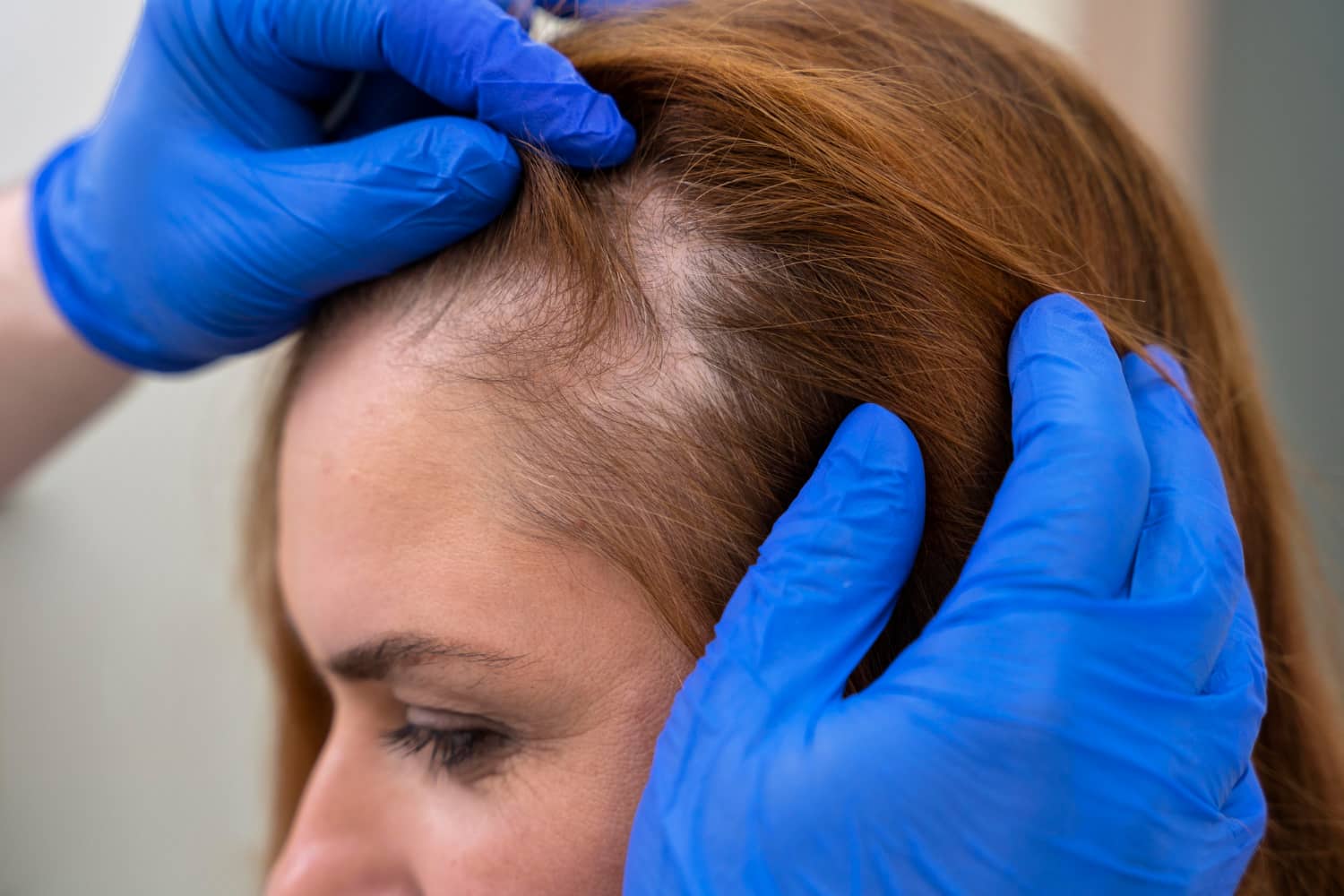
Frontal fibrosing alopecia destroys hair follicles permanently. This scarring form of hair loss primarily affects women over 50, creating a distinctive band-like recession along the hairline. Unlike temporary thinning conditions, FFA involves immune-mediated inflammation that leaves a smooth, shiny scalp where follicles once thrived. Eyebrow loss frequently precedes scalp changes. Recognition of risk factors allows earlier intervention, potentially preserving remaining follicles before scarring becomes irreversible.
Key Takeaways
FFA permanently destroys follicles through immune-mediated scarring. Once lost, they cannot regenerate.
Postmenopausal women face the highest risk, though younger women and men can develop the condition.
Hormonal exposures (HRT, pregnancy, thyroid dysfunction) and daily skincare products show statistical associations.
Disease progresses through stages, so early intervention during active inflammation preserves remaining follicles.
Medical treatments aim for stabilisation, not regrowth; most require 6-18 months to assess effectiveness.
Scalp micropigmentation achieves 100% favourable outcomes in FFA patients due to mild atrophy.
Psychological impact often exceeds physical changes; professional support helps navigate emotional challenges.
What Is Frontal Fibrosing Alopecia?
Frontal fibrosing alopecia represents a primary cicatricial (scarring) alopecia characterised by progressive hairline recession. First identified in 1994, this condition belongs to the lichen planopilaris family, sharing inflammatory patterns that permanently destroy hair follicles.
Primary Symptoms
Secondary Signs
Symmetrical frontal hairline recession
Perifollicular redness during active phases
Eyebrow thinning or complete loss (80-90% of cases)
Facial papules near the hairline
Smooth, pale scalp texture in affected areas
Prominent forehead veins
Isolated “lonely hairs” persisting in bald patches
Occasional itching or burning sensations
FFA differs from androgenetic alopecia through its scarring nature. Once follicles are destroyed, they cannot regenerate. The affected scalp appears shiny and lacks visible follicle openings.
What Causes Frontal Fibrosing Alopecia?
The precise cause remains unknown, though an autoimmune mechanism appears responsible. Your immune system mistakenly identifies hair follicles as foreign invaders, triggering T-lymphocyte attacks that create inflammation around follicle structures.
Contributing factors include:
Immune dysregulation – CD8+ cytotoxic T cells infiltrate scalp tissue, generating chronic inflammation that destroys follicle stem cells.
Genetic susceptibility – Identical twins developing FFA simultaneously, and genome-wide studies identifying four specific genetic loci suggest inherited vulnerability.
Hormonal changes – Postmenopausal status dominance indicates reduced oestrogen, combined with androgen sensitivity, may activate dormant genetic predispositions.
Environmental triggers – Unknown exposures potentially initiating the immune cascade in susceptible individuals.
FFA likely requires multiple factors converging. Some individuals carry genetic risk without developing symptoms until specific triggers activate the immune cascade.
Which Hormonal Changes Increase Your Risk of FFA?
Specific hormonal exposures significantly elevate FFA risk beyond natural menopause.
Exposure
Increased Risk
Key Details
Hormone Replacement Therapy
1.76 times
Whether oestrogen, progesterone, or treatment duration influences susceptibility remains unclear
Pregnancy History
1.6 times
Multiple pregnancies may compound this effect
Raloxifene Use
Very high
No control patients exposed in studies, suggesting a particularly elevated risk
Hypothyroidism
1.73 times
Thyroid hormones directly regulate follicle cycling and immune function
Hysterectomy with Oophorectomy
Variable
Abrupt ovarian hormone loss may trigger immune dysregulation
These risk factors don’t guarantee FFA development, but they increase the probability in those already carrying genetic vulnerability. Untreated or poorly managed thyroid disease may create conditions favouring autoimmune follicle attacks.
Could Your Daily Products Be Triggering FFA Progression?
Evidence increasingly implicates everyday skincare products as potential triggers in genetically susceptible individuals.
Facial Sunscreen and Cosmetic Associations
Leave-on facial sunscreens show a striking correlation. Women face 1.6 times higher risk, and men show 11.6 times increased odds. Researchers discovered titanium nanoparticles embedded within the hair shafts of FFA patients. Some dermatologists report hairline improvement following sunscreen cessation, though other research finds no significant progression difference between users and non-users.
Anti-ageing creams (1.84 times risk), ordinary facial soaps (2.09 times), facial moisturisers (1.99 times), and formalin-containing hair straightening treatments (3.18 times) all show statistical associations.
Occupational Exposures
Workplace contact with alkylphenolic compounds, industrial chemicals in detergents, pesticides, and plastics, increases risk by 1.48 times. These endocrine-disrupting substances may interfere with hormonal signalling pathways.
The Balance
Establishing causation proves difficult. Whether products trigger initial immune activation or worsen pre-existing inflammation remains uncertain. The recommendation balance is really tricky. Discontinuing sun protection raises skin cancer risk, yet continuing suspect products might accelerate follicle destruction. Individual risk assessment with a specialist helps navigate these competing concerns.
What Other Conditions Increase Frontal Fibrosing Alopecia Risk?
Several medical conditions cluster with FFA, suggesting shared immune pathways or genetic vulnerabilities.
Autoimmune Disease Connections
Rosacea increases odds by 1.91 times, whilst lichen planus pigmentosus shows the strongest association, 5.14 times higher risk, and frequently precedes scalp hair loss. Patients with lupus erythematosus or rheumatoid arthritis face an elevated risk, suggesting broader immune dysregulation extending to hair follicles.
Genetic Evidence
Identical twin pairs developing FFA simultaneously provide compelling evidence. Beyond twins, first-degree relatives show increased incidence. No single gene causes FFA, multiple genetic variants likely contribute small individual effects that compound susceptibility.
Ethnic Variations
Women of African descent typically develop symptoms earlier (early 40s), with less obvious inflammation and frequent traction alopecia coexistence. Lichen planus pigmentosus commonly precedes hairline recession. Japanese women demonstrate less severe forms compared to European populations. These patterns indicate FFA is expressed differently across genetic backgrounds.
How Does Frontal Fibrosing Alopecia Progress Over Time?
Frontal Fibrosing Alopecia advances through distinct phases at unpredictable rates. Some patients experience rapid recession within months, whilst others see minimal changes over years.
Early Detection Window
Initial changes prove subtle. Slight hairline recession mimicking normal ageing. Perifollicular inflammation creates small bumps around individual hairs at the advancing edge. Redness and fine scaling appear during active phases. This early window offers the best intervention opportunity.
Active Progression Phase
Hairline recession averages 0.5-1 centimetre annually during active disease. Total recession typically measures 1.8-2.6 centimetres before stabilisation. Eyebrow loss intensifies, facial papules may emerge, and forehead veins become more prominent. A negative hair pull test indicates inflammation has subsided.
Advanced Scarring Stage
Complete follicle destruction leaves a smooth, shiny scalp devoid of follicular openings. Pigmentation changes create visible contrast between affected and unaffected areas. Biological regrowth becomes impossible without regenerative interventions still in research phases.
For those facing established scarring, scalp micropigmentation for alopecia offers cosmetic restoration by creating the appearance of hair follicles through specialised pigmentation techniques.
Why Is Early Stage Frontal Fibrosing Alopecia Treatment Critical?
FFA treatment on early stages preserves what remains rather than restoring what’s lost. This distinction shapes every clinical decision.
Scarred follicles cannot regenerate through current medical interventions. Once the inflammatory process destroys stem cells in the follicle bulge, that follicle’s hair-producing capacity ends permanently. Treatment during active inflammation can halt the immune attack, preventing additional follicles from entering the destruction pathway.
Dermoscopy reveals subtle changes invisible to the naked eye: absent follicular openings, white dots indicating scarring, and perifollicular scaling. A scalp biopsy provides a definitive diagnosis through histopathological examination showing lymphocytic infiltration patterns.
Atypical presentations delay recognition. Diffuse patterns, zig-zag recession, or isolated eyebrow loss without obvious hairline changes may postpone diagnosis by months or years. Average diagnostic delay following symptom onset ranges from six months to two years. Each month of untreated inflammation translates to additional follicle loss. By the time a smooth, shiny scalp develops, intervention can only prevent further progression. Existing damage becomes permanent.
What Medical Treatments Can Slow FFA Progression?
No cure exists, but existing FFA treatment aims at stabilisation—halting further recession whilst preserving remaining follicles. Medical evaluation remains necessary before starting any therapy.
FDA-Approved Treatment
Intralesional triamcinolone acetonide injections represent the only FDA-approved FFA treatment. Approximately 60% of patients experience improvement, with 80% achieving eyebrow regrowth when treated early. Risk involves worsening scalp atrophy with repeated injections.
JAK inhibitors (tofacitinib, baricitinib) – novel approaches under investigation.
Most patients require 6-18 months before assessing treatment effectiveness. Success means stabilisation, not regrowth.
What Daily Changes Might Help Manage FFA?
Lifestyle modifications carry uncertain evidence but may reduce disease activity in some patients. Clinical observations suggest potential benefits, though no definitive studies prove specific changes halt progression.
Commonly recommended modifications:
Sun protection – Switch from chemical sunscreens to wide-brimmed hats and UV-protective clothing.
Facial products – Choose fragrance-free, mineral-free formulations; use dermatologist-recommended cleansers instead of ordinary soaps.
Hair care – Avoid tight hairstyles, chemical straightening treatments, and excessive heat styling.
Scalp handling – Minimise mechanical trauma through gentle brushing and washing.
Monitoring – Attend regular dermatologist appointments with standardised photography every six months.
These changes require balancing potential benefits against quality of life. Abandoning all suspected products creates anxiety that may outweigh uncertain gains. Selective, evidence-informed modifications prove more sustainable than wholesale lifestyle overhauls. Individual risk assessment with a specialist helps determine which adjustments make sense for your specific situation.
How Can You Camouflage FFA When Follicles Are Already Lost?
Cosmetic solutions restore appearance when permanent scarring prevents biological regrowth.
Scalp Micropigmentation Effectiveness
SMP for alopecia demonstrates particularly strong outcomes in FFA patients. Recent clinical studies report 100% favourable results, significantly higher than other scarring alopecias like morphea (20%) or lichen planopilaris (33.3%). FFA’s relatively mild atrophy allows superior pigment retention.
This hair tattoo solution creates the illusion of closely cropped hair through thousands of precisely placed pigment dots. Specialised needles deposit pigment at shallow depths (0.5-1.2mm), mimicking individual follicles. The technique proves effective across all skin tones with proper pigment matching.
Three to four sessions achieve optimal density, spaced 10-20 days apart. Results last 3-5 years before requiring touch-ups. The procedure works equally well for eyebrow restoration.
Alternative Options
Custom hairpieces – Medical-grade wigs remain removable for ongoing treatments.
Keratin fibres – Temporary daily application creates a density illusion.
Hair transplantation – Limited success due to scarring; high rejection rates.
Cosmetic interventions provide immediate confidence restoration whilst medical management continues. Many patients combine approaches, medications preventing further loss, whilst micropigmentation addresses existing damage.
How Do You Cope With the Emotional Impact of FFA?
Hair loss alters how you perceive yourself and navigate the world. The psychological weight often exceeds physical changes, affecting professional confidence, social comfort, and intimate relationships. Younger patients typically experience heightened distress. Social situations that once felt natural become sources of anxiety.
Professional guidance:
Dermatologists managing medical aspects
Trichologists specialising in hair and scalp health
Community connections through support groups provide an invaluable perspective from others navigating similar experiences. Grief over appearance changes deserves acknowledgement rather than dismissal. Your path toward emotional equilibrium remains deeply personal. Cosmetic solutions often restore confidence more rapidly than medical interventions.
Moving Forward With FFA
Risk factors reveal who faces a higher likelihood, though genetic susceptibility remains unchangeable. Medical interventions perform best during active inflammation, whilst cosmetic solutions restore appearance after scarring occurs. Professional dermatological care combined with realistic expectations provides the best path through both physical changes and emotional challenges. Hairline recession or eyebrow thinning warrants specialist assessment—earlier consultation preserves more options and potentially more follicles.
For personalised assessment of your hairline concerns or to explore cosmetic restoration options, book a free consultation with our qualified trichologist and scalp micropigmentation specialists.
No, scarred follicles cannot regenerate naturally with current treatments. Medical interventions slow or halt progression, but don't restore already-destroyed follicles.
Dermatologists generally advise against stopping sun protection due to skin cancer risks. Consider switching to mineral-free formulations or using physical barriers like hats instead.
Most medical treatments require 6-18 months of consistent use before assessing effectiveness. Success is measured by stabilisation (no further progression) rather than regrowth.
Yes, though it's much rarer in men and typically involves stronger genetic factors. Men may present differently, sometimes with sideburn loss as the only initial feature.
No specific blood test diagnoses FFA, though thyroid function tests may identify associated conditions. Diagnosis relies on clinical examination, dermoscopy, and scalp biopsy.
Yes, FFA can cause loss of eyelashes, sideburns, facial hair, and body hair on arms, legs, underarms, and pubic areas. Extensive body hair involvement suggests more severe disease.
A wider parting. More scalp showing under bright lights. A ponytail that feels thinner than it used to.
These are common first signs of reduced hair density.
Hair density refers to how many individual strands grow per square centimetre of scalp. Most people have 100 to 150 hairs per square centimetre, though this varies by ethnicity and individual genetics.
Asian hair typically shows lower density with thicker individual strands. Caucasian and African hair types tend toward higher follicle counts with finer strands.
When density drops, the scalp becomes more visible—particularly when hair is wet or under direct lighting. Photos taken from above or behind often reveal thinning before the mirror does.
Key Takeaways
Iron deficiency affects hair production even when standard blood tests appear normal
Scalp massage for four minutes daily shows measurable thickness improvements after six months
Stress-related shedding appears 2-3 months after the triggering event
Advanced thinning may respond better to visual solutions than regrowth treatments
Why Hair Thins
Androgenetic alopecia causes most cases of thinning.
Around 50% of men show visible hair loss by age 50. The condition also affects women, particularly after menopause.
The mechanism involves dihydrotestosterone (DHT). This hormone gradually shrinks susceptible follicles. Over time, affected follicles produce finer strands, then stop producing visible hair altogether.
Other contributing factors include:
Nutritional deficiencies — low iron, protein, or zinc levels reduce the resources available for hair production.
Thyroid disorders — both overactive and underactive thyroid disrupt hormonal balance affecting hair cycles.
Autoimmune conditions — alopecia areata causes the immune system to attack hair follicles directly.
Scalp conditions — seborrhoeic dermatitis, psoriasis, and folliculitis can impair follicle function when untreated.
Identifying which factors apply to you determines which interventions make sense.
Get a free, no obligation consultation
Click below to book your free consultation today, and take the first step toward a stronger, fresher, happier you.
Standard haemoglobin tests can appear normal while ferritin remains depleted. Some researchers suggest levels below 70 ng/mL may impair hair production.
Good dietary sources of iron:
Red meat
Lentils
Spinach
Fortified cereals
Pairing iron-rich foods with vitamin C improves absorption. Tea and coffee consumed with iron-rich meals reduce absorption.
Protein and Amino Acids
Hair consists of approximately 95% keratin.
Without adequate protein, follicles lack the building blocks for producing strong strands.
Most adults need 0.8 to 1 gram of protein per kilogram of body weight daily. Restrictive diets, post-surgical recovery, and illness increase requirements.
Other Nutrients Worth Tracking
Zinc — maintains follicle structure and regulates oil glands.
Biotin — assists keratin synthesis, though true deficiency is uncommon despite supplement marketing claims.
Omega-3 fatty acids — found in oily fish and flaxseed, support scalp hydration.
Vitamin D — receptors exist within hair follicles, and deficiency correlates with alopecia areata specifically.
Blood testing provides clearer answers than guessing when addressing low-density hair. A clinical trichologist can interpret results and recommend targeted supplementation.
Scalp Health and Daily Habits
Healthy follicles need a healthy scalp.
Inflammation, excess oil, and product buildup can block follicle openings and impair growth.
Regular cleansing removes sebum and residue. How often depends on scalp type—oily scalps benefit from daily washing, while drier types do better every two to three days.
The mechanical stretching stimulates dermal papilla cells, which regulate hair growth cycles.
Recommended approach:
Four minutes daily
Use fingertips, not nails
Apply moderate pressure
Product Selection
Harsh sulphates strip natural oils excessively.
Heavy silicones accumulate and weigh down fine strands.
Gentle, lightweight formulations suit most people with thinning hair.
Warning Signs
Persistent itching, flaking, or redness warrants professional evaluation. Conditions like seborrhoeic dermatitis, psoriasis, or folliculitis require treatment before hair growth can improve.
Lifestyle Factors That Affect Hair Loss
Stress
Elevated cortisol shifts more follicles into the shedding phase simultaneously.
This condition—telogen effluvium—typically appears 2-3 months after the stressful event. The delay often makes it difficult to connect the hair loss with its cause.
Common triggers include job loss, bereavement, surgery, severe illness, and major life changes. The good news: telogen effluvium usually resolves on its own once the underlying stress passes.
Sleep
Growth hormone release peaks during deep sleep.
Chronic sleep disruption correlates with accelerated hair ageing in research. Seven to nine hours suits most adults.
Exercise
Physical activity improves circulation to the scalp, delivering nutrients and oxygen while clearing metabolic waste.
Moderate cardio three to four times weekly provides benefits without excessive cortisol spikes from extreme training.
Smoking
Smoking damages hair through multiple pathways:
Restricted blood flow
Oxidative stress
Altered hormone metabolism
Research links smoking to premature greying and faster progression of androgenetic alopecia.
If you’re uncertain what’s causing your thinning, you canbook a free consultation to discuss your concerns.
Medical Treatments and Their Limitations
When lifestyle changes aren’t enough, pharmaceutical options exist. Each has trade-offs.
Minoxidil
Available without prescription. Stimulates blood flow to follicles and extends the growth phase.
The 5% concentration suits most users. A 2% version exists for those who experience scalp irritation.
Results require daily application for at least four months before evaluation. Stopping treatment reverses gains, often quickly.
Initial shedding during the first few weeks is common. This typically indicates the treatment is working—pushing resting hairs out for new growth.
Finasteride
Prescription-only. Blocks the enzyme converting testosterone to DHT.
Primarily used by men. Can slow progression or partially reverse androgenetic alopecia in responsive individuals.
Side effects warrant discussion with a healthcare provider before starting. Women of childbearing age should avoid handling crushed tablets due to pregnancy risks.
Platelet-Rich Plasma (PRP)
Concentrates growth factors from your own blood for injection into the scalp.
Research shows inconsistent results. Some studies report density improvements. Others find no significant difference from placebo. Multiple sessions are typically required, adding to overall cost.
Hair Transplantation
Surgically relocates DHT-resistant follicles from donor areas to thinning regions.
Success depends on sufficient donor density and realistic expectations. Grafts require 6-12 months to produce full visible growth. Untreated areas continue losing hair without additional intervention.
Visual Density Solutions
Not every situation responds to regrowth treatments.
Long-established loss, scarring, limited donor hair, and strong genetic factors can limit what biological approaches achieve.
For these circumstances, creating the appearance of hair density offers an alternative.
Scalp Micropigmentation
SMP deposits tiny pigment dots that replicate the look of hair follicles.
The technique creates an illusion of closely-cropped hair or adds perceived fullness to thinning areas. Results are visible immediately after the first session.
Most clients complete treatment across three sessions spaced one to four weeks apart. Touch-ups may be needed every 3-5 years as pigment gradually fades.
Scalp micropigmentation for men addresses receding hairlines, crown thinning, and complete baldness. The procedure works on fully shaved heads or alongside existing hair. Scar camouflage for FUT strip scars or FUE donor marks is another common application.
Scalp micropigmentation for women targets diffuse thinning along part lines and areas where scalp shows through longer hair. Female loss patterns differ from male patterns. The technique adapts to blend with existing strands rather than simulating a buzz cut.
Choosing a Practitioner
Practitioner skill determines outcome quality.
Look for portfolios showing healed work, not just fresh treatment photos.
A practitioner with clinical trichology qualifications alongside SMP training brings additional perspective on scalp health and ongoing management.
What to Do Next
Identify what’s causing your specific thinning before choosing a treatment.
Nutritional gaps, scalp conditions, hormonal factors, and genetics each call for different approaches. A treatment that works well for nutritional deficiency won’t help androgenetic alopecia, and vice versa.
The right response depends on an accurate diagnosis first.
Depends on cause and duration. Telogen effluvium and nutritional deficiencies often resolve fully. Long-standing androgenetic alopecia rarely returns to original density.
Hair growth can be stimulated at any age through targeted nutrition, proper scalp care, and lifestyle adjustments that support your follicles’ natural cycle. While the rate slows as you get older—hair grows fastest between ages 15 and 30, then declines noticeably in your 40s and 50s—your follicles remain responsive to the right interventions throughout life.
A 60-year-old’s follicles haven’t lost the ability to produce hair. They’ve shortened their active growth phase—from up to seven years in your twenties to as little as two. Thinner strands, fewer of them, slower turnover. Three distinct problems, each responding to different interventions. In this paper, I will break down what works for each.
Insight into Hair Growth
Your anagen phase (active growth) shrinks with age—from up to seven years in your twenties to around two by your fifties, producing shorter, finer strands each cycle.
Protein, iron, zinc, biotin, and vitamin D all support follicle function, but supplementing beyond normal levels won’t accelerate hair growth if you’re not deficient.
Daily scalp massage for four minutes increased hair thickness in a 24-week study—a low-risk option worth adding to your routine.
Minoxidil extends the growth phase and can reactivate dormant follicles, but requires indefinite use to maintain results.
Any intervention—dietary, topical, or otherwise—takes three to six months before showing visible results.
If topicals and dietary changes haven’t helped after six months, consulting a trichologist can identify the cause and prevent wasted time.
How the Hair Growth Cycle Works
Three phases drive hair growth: anagen, catagen, and telogen. During anagen, strands push out at roughly half an inch per month—and this phase can last anywhere from two to seven years. Genetics determine your ceiling. Right now, about 90% of your follicles sit in anagen.
Catagen runs about three weeks. The follicle shrinks, disconnects from blood supply, prepares to shed. Telogen? Three months of rest before the strand falls and a new one starts its cycle. Those 50 to 100 hairs on your pillow each morning—that’s telogen doing exactly what it should.
But here’s what shifts with age.
At 25, anagen might run six years. By 55, that window compresses to two. Shorter growth phase, shorter hair. Follicles also shrink physically with each passing decade, producing finer strands every round. So a 60-year-old isn’t dealing with damaged hair—they’re dealing with follicles that have structurally changed.
Why does this matter for choosing products? A hair growth oil can nourish your scalp, but it won’t extend anagen. Vitamins for hair growth support follicle health, but they won’t reverse miniaturisation. Matching the right intervention to the right mechanism—that’s where I see people waste years and money getting it backwards.
Vitamins and Nutrients for Hair Growth
Your hair is roughly 80% keratin—a protein your body builds from what you eat. Starve the supply chain, and follicles produce weaker, thinner strands. Feed it well, and you give each growth cycle its best chance.
Protein and Iron
Without adequate protein, your body redirects amino acids to organs that need them more urgently. Hair loses. Every time.
Iron carries oxygen to follicles via red blood cells. Low ferritin levels—your iron stores—correlate directly with increased shedding, particularly in women. Red meat, lentils, and spinach deliver both nutrients. For absorption, pair iron-rich foods with vitamin C: think spinach salad with lemon dressing, or steak with roasted peppers.
Zinc, Biotin, and Omega-3s
Zinc supports the protein structures surrounding your follicles. Oysters contain more zinc per serving than any other food—six times the daily requirement in just two. Not a shellfish person? Pumpkin seeds and beef work too.
Biotin gets marketed aggressively in hair growth products, but here’s the reality: deficiency is rare in people eating varied diets. Eggs, salmon, and avocados supply plenty. Supplementing beyond your needs won’t accelerate growth.
Omega-3 fatty acids nourish the scalp and support hair density. Fatty fish twice weekly—salmon, mackerel, sardines—covers this. Walnuts and flaxseed offer plant-based alternatives.
Vitamin D
Low vitamin D links to alopecia areata and telogen effluvium. Yet most people in the UK run deficient, especially October through March. Twenty minutes of midday sun on bare arms produces roughly 10,000 IU—but that’s unreliable in British weather. Oily fish helps. So does supplementing 1,000–2,000 IU daily through darker months.
All of this assumes nutrients actually reach your follicles. Poor scalp circulation or product buildup blocking the follicle opening? Those create a bottleneck no supplement can fix.
Scalp Care That Supports Hair Growth
Blood carries nutrients to your follicles. You can optimise your diet perfectly—but if circulation to your scalp is sluggish, delivery suffers.
Scalp massage addresses this directly. A2016 study published in ePlasty followed nine men through 24 weeks of daily four-minute massages. The outcome: measurably thicker strands. Small sample, yes. But the logic holds. Increased blood flow means better nutrient delivery to follicle roots. No gadgets needed—fingertips pressing in firm circles across your scalp, a few minutes daily. Morning, night, whenever you remember.
Now, circulation only helps if the path stays clear. Sebum, dead skin, silicone residue from styling products—this accumulates around follicle openings over time. Heavy buildup can physically obstruct new growth. A clarifying shampoo once weekly strips that layer without stripping everything else.
How often to wash otherwise? There’s no universal answer. Daily shampooing removes oils your scalp produces for a reason. Washing too rarely lets buildup win. Most people land somewhere around two to three times per week. Oilier scalp, more frequent. Dry or flaky, less. Adjust based on how your scalp feels, not what a bottle recommends.
One more option worth mentioning: topical caffeine. Not drinking it—applying it. Research suggests caffeine stimulates follicles and may counteract DHT at the scalp level. Brands like Alpecin have commercialised this heavily. Reasonable addition to a routine. Just don’t expect it to reverse genetic patterns or override hormonal causes.
Hair Growth Strategies by Age
Hair growth rate peaks between ages 15 and 30, then declines as anagen phases shorten and follicles miniaturise. Each decade calls for a different approach.
Protecting Hair Growth in Your 20s and 30s
Most people this age aren’t thinking about hair loss. That’s fine. But two things catch younger clients off guard.
First: telogen effluvium. Crash diet, brutal work deadline, breakup, illness—any significant stressor can push a large percentage of follicles into the resting phase simultaneously. Two to three months later, hair starts falling out in clumps. Terrifying when it happens. Usually temporary. Once the stressor passes, regrowth follows within six to nine months.
Second: mechanical damage. Tight ponytails, braids, extensions—anything pulling on follicles repeatedly can cause traction alopecia. Unlike telogen effluvium, this one doesn’t always reverse. Same goes for daily heat styling without protection.
If you’re reading this in your twenties and your hair seems fine? Good. Take a photo of your hairline anyway. Consistent lighting, no filters. Future you might want that baseline.
Preventing Hair Loss in Your 40s and 50s
This is the decade most people land on articles like this one.
For women, perimenopause and menopause change the oestrogen-to-androgen ratio. Oestrogen supported hair density; as it drops, androgens have more relative influence. The result: diffuse thinning across the scalp, sometimes concentrated at the crown. For men, DHT sensitivity—often genetic—becomes visible as recession at the temples or thinning at the vertex.
Here’s what’s also happening beneath the surface: your anagen phase has shortened. Strands that once grew for six or seven years now cycle out after three. Ever feel like your hair “just won’t grow past a certain length anymore”? You’re not imagining it. The ceiling has literally lowered.
So what actually helps at this stage?
Minoxidil is the first-line option. Applied topically (Regaine is the common UK brand), it extends the anagen phase and can wake dormant follicles. Catches: you’ll need to use it indefinitely, and the first few weeks often bring increased shedding as telogen hairs clear out. That’s normal. Results typically visible by four to six months.
For women with diffuse thinning who don’t respond well to minoxidil, there’s another route worth knowing about.Scalp micropigmentation for women deposits pigment between existing strands, creating the illusion of density without simulating a male-pattern hairline. Most women assume SMP means the buzzed look. It doesn’t.
Before assuming hormones are the whole story, test ferritin, vitamin D, and thyroid function. Deficiencies mimic hormonal loss patterns—and respond to much simpler fixes.
Preserving Hair in Your 60s and Beyond
By now, follicle miniaturisation has been underway for decades. Expecting the density of your thirties isn’t realistic. But maintaining what remains and optimising how it looks? Absolutely achievable.
One shift many people miss: sebum production drops with age. Scalps get drier. The washing routine you’ve followed for thirty years might now be stripping what little oil your scalp produces. A sulphate-free shampoo, once or twice weekly, often works better.
At this stage, professional input saves time. A trichologist can assess whether your pattern responds to topical treatments, supplementation, or neither—and tell you honestly. For men and all those who’ve lost significant density and want the look of fullness without surgery or daily maintenance, scalp micropigmentation becomes a realistic option. I see more clients exploring it once they’ve tried everything else and want something that actually delivers.
The Long Game
Three to six months. That’s the minimum before any intervention, be it dietary, topical, or otherwise, to show visible results. Most people quit at week four or keep switching products, which guarantees nothing gets a fair trial. If you’ve read this far and still aren’t sure what applies to your situation,book a free consultation—we’ll assess what’s actually going on and tell you straight whether it’s fixable.
Depends on the cause. Stress-related shedding usually reverses within six to twelve months. Hormonal or pattern loss responds to treatment but rarely reverses fully. Scarring damage is permanent.
Iron, zinc, biotin, vitamin D, and B vitamins support follicle function. Deficiencies cause shedding. Supplementing beyond normal levels won't accelerate growth.
If shedding started suddenly, you're losing hair in patches, or six months of treatment hasn't helped. A trichologist can identify the cause and stop the guesswork.
Another bottle of “miracle” shampoo gathering dust under the bathroom sink. Most grooming products promise revolutionary results yet deliver little more than pleasant scents and temporary fixes. A trichologist consultation offers something no gift-wrapped product ever could. Real answers that address why problems exist rather than simply masking symptoms.
A trichologist consultation provides personalised treatment plans based on individual biology
Online trichologist appointments offer flexible access to specialist expertise from anywhere
Professional diagnosis prevents wasted spending on unsuitable products
Trichologist consultation cost represents an investment with measurable long-term returns
Why Do Grooming Products Fall Short?
Walk into any high street chemist and you will find hundreds of bottles claiming to fix thinning hair, dry scalp, or persistent flakiness. Each one targets a specific symptom. None of them ask the obvious question of why this is happening in the first place.
Hair loss affects people for vastly different reasons. Hormonal shifts, nutritional deficiencies, stress responses, autoimmune conditions, and medication side effects all play potential roles. A volumising shampoo cannot distinguish between telogen effluvium triggered by recent illness and early-stage androgenetic alopecia. It simply coats the hair shaft and hopes for the best.
The result leaves cupboards filled with half-used products and money spent on temporary confidence boosts that fade with every wash. Meanwhile, underlying conditions remain unaddressed whilst they quietly worsen.
Reason One. Expert Diagnosis Beats Guesswork
Clinical training separates trichologists from the marketing claims drowning the hair care industry. These specialists study hair and scalp biology extensively and recognise patterns invisible to untrained eyes. Working with atrusted trichologist in London means accessing expertise that no product label can replicate.
During a trichologist consultation, expect a thorough examination of scalp condition, hair density, and follicle health. Practitioners assess growth cycles, identify abnormalities, and consider your complete health history. This clinical approach reveals causes that shopfront remedies simply cannot detect.
The difference matters more than most people realise. Treating pattern baldness with anti-dandruff shampoo wastes time and money. Applying growth serums to hair loss caused by thyroid dysfunction ignores the actual problem entirely. Expert assessment prevents these costly misdirections and points you toward solutions that actually work.
Every scalp tells a different story. Genetic predispositions, lifestyle factors, dietary habits, and environmental exposures all influence hair health in unique ways. A trichologist consultation creates treatment recommendations tailored to individual circumstances rather than mass-market assumptions.
Consider the contrast between these approaches. A bottle promises “results in 8 weeks” regardless of who uses it. A trichologist recommendation accounts for your specific hair type, loss pattern, medical history, and aesthetic goals. One size fits the factory whilst personalised care fits you.
This bespoke approach extends beyond product suggestions into broader lifestyle considerations. Practitioners advise on dietary adjustments, stress management, and scalp care routines calibrated to your particular needs. The guidance addresses the whole picture rather than isolated symptoms.
Reason Three. Online Access Removes Barriers
Geography no longer limits access to specialist expertise. A trichologist online consultation connects you with qualified practitioners regardless of location, and video appointments offer the same thorough assessment without travel time or waiting room delays.
This flexibility proves particularly valuable for those with demanding schedules. Early morning appointments before work become possible. Evening sessions after the children sleep fit naturally into busy lives. Weekend consultations accommodate family commitments without the usual logistical headaches.
For anyone hesitant about in-person appointments, online trichologist services offer a comfortable entry point. You can discuss concerns from your own home, show affected areas via camera, and receive professional guidance without unfamiliar clinical settings.
Reason Four. Prevent Wasted Spending
The average person with hair concerns cycles through multiple products before finding anything remotely helpful. Each failed attempt costs money and each disappointment erodes confidence further. The cumulative expense often exceeds what a professional consultation would have cost from the start.
Trichologist consultation cost represents an investment with measurable returns rather than another gamble on marketing promises. Rather than funding months of trial and error, you receive targeted recommendations backed by clinical expertise. The practitioner identifies which products might actually help your specific condition and which represent wasted spending for your particular situation.
Think of it as the difference between wandering a maze blindfolded and receiving a map with clear directions. Both eventually reach the exit. Only one does so efficiently.
Reason Five. Long-Term Strategy Over Quick Fixes
Grooming products offer temporary improvements whilst a trichologist consultation provides lasting strategy. Scalp health operates on extended timelines that most people fail to appreciate. Hair growth cycles span years and conditions develop gradually before becoming visible to the naked eye.
Effective management requires understanding these longer rhythms rather than chasing immediate cosmetic changes. Professional guidance establishes foundations for sustained scalp health that compound over time. Practitioners monitor progress, adjust recommendations, and catch emerging concerns before they escalate.
Some hair loss conditions respond well to medical interventions, whilst others benefit from cosmetic solutions. Men experiencing advanced pattern baldness often find that scalp micropigmentation for men creates a natural cropped appearance without ongoing maintenance. Similarly,scalp micropigmentation for women discover options they never knew existed. A trichologist helps you understand which path suits your particular situation and when the timing feels right.
The Gift That Keeps Giving
Most presents lose their novelty within weeks. A trichologist consultation delivers benefits that compound over time because the recipient gains knowledge applicable for years ahead. Treatment plans evolve with changing needs and initial assessment establishes a baseline against which future progress becomes measurable.
This gift says something meaningful about how much you care. It communicates genuine concern about someone’s well-being and acknowledges their worries without dismissing them as vanity.
Ready to Give Answers Instead of Products?
Forget the gift sets destined for regifting.Book a free consultation and welcome the new year with confidence and healthy hair. The best presents solve problems people have struggled with alone, and a trichologist consultation hands someone the key to understanding their own biology rather than leaving them to guess which bottle might work next.
Pricing varies based on consultation type and practitioner experience, though many clinics offer free initial assessments before committing to paid consultations.
Qualified trichologists focus on diagnosis and treatment planning rather than product sales, basing recommendations on clinical assessment of individual needs.
Autumn brings shorter days, cooler temperatures, and something you might not expect: accelerated hair shedding. Seasonal hair loss affects millions globally, yet remains widely misunderstood. This biological phenomenon stems from your hair’s natural growth cycle responding to environmental changes throughout the year. The shedding you notice between September and November follows ancient rhythms established long before modern life existed. Recognising these patterns empowers you to minimise their impact.
Key Takeaways
Seasonal hair loss peaks during September-November when follicles that entered the resting phase in July shed simultaneously
The entire cycle spans 2-3 months before naturally resolving by December without treatment
Seasonal shedding is completely reversible, with new growth visible within 3-4 months after the peak ends
Hair grows approximately 10% faster during summer due to increased circulation and vitamin D production
Strategic prevention starting in July—including nutrition, gentle care, and stress management—minimises excessive hair shedding during vulnerable autumn months
Why Does Seasonal Hair Loss Happen?
Your hair follows a predictable cycle tied directly to the seasons. The highest number of follicles enters the telogen (resting) phase in summer, with a peak in July. These resting hairs stay dormant for approximately 100 days before releasing. This biological delay explains why autumn, particularly September through November, brings noticeably increased shedding.
Several factors trigger this pattern:
Contributing Factor
How It Affects Your Hair
Summer UV Damage
Weakens hair structure over months, making strands more prone to shedding
Hormonal Fluctuations
Melatonin production shifts with changing daylight hours, influencing follicle cycles
Temperature Changes
Blood circulation adjusts between seasons, altering nutrient delivery to the scalp
Environmental Stress
Accumulated exposure to heat, chlorine, and pollutants damages follicles
Normal daily shedding ranges from 50 to 100 hairs. During seasonal peaks, some people shed double their usual amount – potentially reaching 150+ hairs daily, sometimes appearing in small clumps that feel alarming.
The evolutionary theory suggests our ancestors grew denser hair in summer for sun protection, then shed it before winter—a survival mechanism we’ve retained despite no longer needing it.
Everyone experiences this cycle differently. Some barely notice the shift, while others see dramatic increases during peak months. If you’re uncertain whether your shedding follows normal seasonal patterns or signals something else, ourtrusted trichologist in London can assess your individual cycle and distinguish routine changes from conditions requiring treatment.
How Long Does Seasonal Hair Loss Last?
Expect heightened shedding for 2-3 months. The cycle completes itself: increased loss peaks between September and November, then gradually subsides as winter progresses. By December, most people notice their brush collecting fewer strands daily.
This temporary phase resolves without treatment. Fresh anagen growth emerges throughout winter while shedding returns to baseline—typically 50-100 hairs daily. The entire surge, from first noticeable increase through complete normalisation, spans three to four months maximum.
Individual experiences vary considerably. Genetics determines how dramatically your follicles respond to seasonal shifts. Summer sun exposure intensity directly affects autumn severity—extensive outdoor time often produces more pronounced shedding. Previous scalp health entering the vulnerable period influences resilience against increased loss.
Spring brings a secondary, milder episode during April and May. This follows identical biological patterns but creates less noticeable effects than autumn’s pronounced peak.
Does Seasonal Hair Loss Grow Back?
Absolutely. Seasonal shedding is completely reversible because follicles remain intact throughout the process. New growth begins even while you’re still shedding—different follicles operate on different timelines within the same scalp.
Fresh hair becomes visible within 3-4 months after peak shedding ends. By late winter and early spring, most people spot new growth emerging across their scalp. This regrowth happens naturally without intervention.
Worried your shedding might signal something more serious? Here’s what differentiates seasonal changes from progressive conditions:
Seasonal shedding affects the entire scalp uniformly and reverses itself completely
Pattern hair loss follows specific recession patterns (temples, crown) and worsens progressively without treatment
Alopecia areata creates distinct circular patches and involves immune system dysfunction
Seasonal shedding never causes permanent thinning or baldness. The cyclical nature means next year will likely bring similar patterns, but each episode resolves completely.
While seasonal changes affect everyone equally, men face significantly higher risks for progressive hair loss conditions. Approximately 70% of men experience pattern hair loss during their lifetime, compared to 40% of women. This means many men notice their seasonal shedding against a backdrop of gradual, permanent thinning—making autumn’s temporary increase feel more alarming than it actually is.
For men managing pattern hair loss that becomes more apparent during seasonal peaks,scalp micropigmentation for men creates permanent visual density unaffected by natural cycles. Women experiencing progressive thinning alongside seasonal changes can achieve similar results throughscalp micropigmentation for women, adding natural-looking coverage regardless of fluctuations.
Does Hair Grow Faster in Summer?
Yes, by approximately 10%. Warmer temperatures improve blood flow to your scalp. Your body doesn’t prioritise keeping core organs warm during summer, allowing better nutrient delivery to peripheral areas, including hair follicles. Enhanced circulation means more oxygen and growth-supporting compounds reach the cells producing each strand.
Sunlight exposure increases vitamin D production, which directly stimulates both new and existing follicles. This vitamin plays a crucial role in initiating growth phases and maintaining healthy follicle function. Summer’s longer days also reduce melatonin levels—lower melatonin correlates with more follicles entering active growth phases simultaneously.
These factors combine to boost keratin production, the protein that forms hair’s structure. The effect remains subtle, though, adding roughly 0.5mm extra monthly. British summers might produce less dramatic results than consistently sunny climates.
Here’s the paradox explaining seasonal shedding patterns. Summer’s growth surge pushes more follicles through their cycle faster, causing increased numbers to enter the resting phase simultaneously during July. Three months later, autumn shedding arrives predictably.
How Can You Prevent Seasonal Hair Loss?
You cannot eliminate this biological cycle entirely, but strategic adjustments minimise severity and protect vulnerable strands. Begin protective measures in July, before peak shedding arrives.
Strengthen From Within
Protein forms keratin’s foundation, so prioritise lean meats, fish, eggs, and legumes daily. Iron and zinc directly support follicle function—deficiencies trigger premature shedding beyond seasonal norms. Vitamin D supplementation becomes particularly valuable during Britain’s darker months when natural sunlight diminishes. Omega-3 fatty acids reduce scalp inflammation that compounds shedding stress. Drink at least two litres of water daily to maintain strand flexibility and prevent brittleness during dry autumn weather.
Protect Your Scalp
Switch to sulfate-free shampoos that preserve the natural oils your scalp produces for protection. Apply deep conditioningtreatments weekly throughout autumn and winter to combat seasonal dryness. Limit heat styling tools when strands already face environmental stress. Continue wearing sun protection through late summer—UV damage accumulates even as temperatures cool. Scalp massage three times weekly stimulates circulation, partially counteracting reduced summer activity levels.
Modify Daily Habits
Avoid tight ponytails, braids, or buns during peak shedding months. Mechanical tension on already-releasing strands accelerates loss unnecessarily. Detangle gently from ends upward using wide-tooth combs rather than brushes on wet hair. Manage stress through regular exercise, adequate sleep, and relaxation techniques—chronic stress pushes additional follicles into premature resting phases beyond seasonal patterns.
Track your personal patterns across multiple years. Some people shed heavily in September, others peak in November. Knowing your specific timeline allows earlier intervention.
Struggling to determine whether your shedding follows normal seasonal patterns or requires professional attention?Book a free consultation to receive expert assessment and personalised guidance tailored to your hair’s unique needs.
Completely normal. Follicles entering the resting phase during July shed approximately 100 days later, causing increased loss between September and November that can reach 150+ hairs daily.
Yes, seasonal shedding is temporary and fully reversible. New growth begins during the shedding phase itself, becoming visible within 3-4 months as follicles naturally restart their cycle.
You cannot eliminate this biological cycle, but proper nutrition, gentle hair care, and starting protective measures in July significantly reduce severity during peak months.
Both genders experience identical biological cycles. Women typically notice shedding more because longer hair makes shed strands more visible in brushes and drains.
Supplements support overall follicle health but won't stop natural seasonal cycles. Vitamin D, iron, and zinc may reduce severity—consult a healthcare provider before starting any supplementation.
Hats themselves don't cause loss, though tight styles during shedding season increase mechanical breakage. Choose loose-fitting protective styles and gentle, sulfate-free products to minimise damage.
Hair loss hits millions of people worldwide. Most suffer quietly, cycling through endless products that promise miracles but deliver disappointment. Trichology takes a different path—scientific study of hair and scalp health backed by real expertise. London houses some of the world’s finest trichological specialists who grasp the complex connections between scalp health, hair growth, and personal confidence. The right trichologist London can revolutionise your hair and restore your self-assurance.
Key Takeaways:
Early intervention prevents permanent hair loss and kickstarts natural regrowth
Medical diagnosis trumps generic treatments every time
London’s trichologists deliver world-class expertise with rigorous training
Specific conditions that respond brilliantly to professional care
Finding the perfect specialist for your hair type and needs
Realistic timelines for genuine hair health improvements
Expert Diagnosis Beyond Surface-Level Symptoms
Here’s why visiting a qualified london trichologist makes sense: their diagnostic skills outshine everyone else’s. General doctors and beauticians miss things. Trichologists spot them.
Advanced tools reveal secrets your mirror can’t show. Trichoscopes and magnifying equipment expose inflammation patterns, shrinking follicles, and early scarring signs that scream “urgent intervention needed.” Regular examinations miss these crucial details.
Blood tests become strategic weapons rather than fishing expeditions. Trichologists know exactly which tests reveal nutritional gaps, hormonal chaos, or immune system attacks on your follicles. Iron shortages masquerade as male pattern baldness. Thyroid problems pretend to be natural ageing. Professional eyes see through these disguises.
Your medical history tells stories others can’t read. That surgery six months ago? The new medication? The stressful divorce? Each event plants seeds that sprout into hair problems later. Connecting these dots requires specialised training.
Temporary versus permanent hair loss – this distinction saves or dooms your treatment. Stress-related shedding bounces back beautifully with proper care. Scarring conditions destroy follicles forever unless caught immediately. Guessing wrong costs everything.
Personalised Treatment Plans
Cookie-cutter solutions fail because hair loss is personal. Professional trichologists craft individual protocols after examining your complete picture – genetics, lifestyle, current condition, and realistic goals.
Assessment covers these crucial areas:
Family patterns and genetic loading
Daily hair care habits and product damage
Diet quality and nutritional gaps
Stress management and sleep patterns
Hormonal shifts and life stage factors
Work environment and chemical exposures
Custom treatments work together rather than against each other. Specialists formulate targeted topicals, prescribe specific supplements, and suggest lifestyle changes that complement rather than compete. Everything pulls in the same direction.
Regular monitoring keeps treatments sharp. Hair cycles span months, not weeks. Professional oversight adjusts protocols as conditions change, maintaining progress toward your goals without wasted effort or money.
Goal-setting stays realistic. Experienced practitioners explain exactly what improvements you’ll see, when results appear, and how long treatment continues. No false promises. No crushing disappointments.
Advanced Treatment Options Unavailable Elsewhere
London’s top trichologists offer treatments your GP never mentions and your hairdresser never heard of. These evidence-based interventions represent hair restoration’s cutting edge.
PRP therapy turns your blood into hair medicine. Extract it, concentrate the healing platelets, inject them back into thinning areas. Your body heals itself, naturally.
Steroid injections target alopecia areata patches with surgical precision. Maximum effectiveness, minimal side effects. Direct delivery beats systemic medications every time.
Professional topicals combine multiple active ingredients at optimal strengths. These formulations often outperform anything available commercially because they’re designed for your specific condition.
Genetic testing predicts treatment responses before you start. DNA analysis guides therapy selection, eliminating trial-and-error approaches that waste time and money.
Early Intervention
Time decides everything in hair restoration. Act early, win big. Wait too long, face limited options and higher costs.
Hair loss conditions follow predictable patterns when ignored:
Male pattern baldness marches from temples to crown relentlessly
Female thinning spreads from central parting outward until scalp shows through
Alopecia areata jumps from small patches to complete baldness
Traction damage becomes permanent once follicles die
Scarring conditions destroy everything in their path forever
Success rates plummet as conditions advance. Early androgenetic alopecia responds excellently to medication. Advanced cases need surgery or cosmetic camouflage.
Secondary problems multiply alongside hair loss. Scalp sensitivity develops. Inflammation becomes chronic. Confidence crashes. Each issue requires separate treatment, compounding costs and complexity.
Early intervention costs less than everything else combined. Professional care beats advanced procedures, ongoing wig maintenance, and years of therapy for confidence issues.
Specialised Expertise for Diverse Hair Types and Conditions
London’s diverse population created unmatched expertise in treating different hair types and cultural conditions. This specialisation proves invaluable when standard approaches fail.
Afro-Caribbean specialists understand tight curl challenges. They tackle traction alopecia from protective styles, chemical damage from relaxers, and genetic shaft problems with targeted expertise.
Female hair loss differs completely from male patterns. Hormonal influences, pregnancy changes, and menopause effects demand deep understanding of women’s biology and health patterns.
Age matters tremendously in treatment selection. Premature hair loss in young adults needs different approaches than natural age-related thinning in older patients.
Rare conditions require extensive clinical experience for proper recognition. Scarring alopecias, autoimmune attacks, and genetic disorders need immediate specialist intervention to prevent permanent damage.
Male pattern baldness sufferers might benefit from cosmetic solutions alongside medical treatment.Scalp micropigmentation for men creates the appearance of closely-cropped hair density.
Professional networks enable referrals when conditions exceed trichological scope. Collaborative care addresses every aspect of hair and scalp health through specialist teamwork.
The London Advantage
London leads global trichological education and practice. The Institute of Trichologists headquarters ensures access to cutting-edge research and highest training standards. Finding the best trichologist near me becomes easier here.
Professional standards exceed most other regions dramatically. Trichologists complete intensive education, maintain ongoing development, and follow strict ethical guidelines throughout their careers.
University collaboration keeps practitioners ahead of emerging treatments. Proximity to innovation means patients access new therapies years before widespread availability elsewhere.
International patient diversity exposes specialists to rare conditions seldom seen in other locations. This breadth of experience translates into superior diagnostic abilities and treatment outcomes.
Quality controls protect patients through professional oversight, formal complaints procedures, and standardised practice guidelines. These safeguards ensure consistent, high-quality care across accredited practitioners.
Complementary specialist access facilitates comprehensive treatment approaches. Dermatologists, endocrinologists, nutritionists, and mental health professionals collaborate on complex cases requiring multidisciplinary intervention.
Long-term Hair Health Partnership
Successful trichological care extends far beyond initial treatment phases. Long-term partnerships with qualified specialists ensure sustained improvements and prevent future setbacks.
Seasonal changes affect hair health dramatically. Winter heating damages. Summer sun exposure stresses follicles. Humidity variations require modified care protocols to maintain optimal scalp conditions year-round.
Partnership benefits include:
Regular assessments and treatment fine-tuning
Updated product recommendations as formulations improve
Lifestyle guidance adapting to life changes
Early problem detection before serious damage occurs
Professional support during high-stress periods
Preventive strategies protect your hair investment long-term. Understanding proper protection methods ensures lasting results and continued confidence in your appearance.
Education empowers smart decisions about hair health. Learning warning signs, understanding options, and implementing proper home care creates active partnership in maintaining results.
Referral networks provide seamless transitions when needs evolve. Surgical restoration, cosmetic solutions, or psychological support – established relationships facilitate smooth care transitions.
Your Hair Health Journey Starts Here
Professional trichological care offers genuine hope for hair loss, scalp problems, or simple optimisation goals. London’s world-class specialists provide cutting-edge treatments, personalised plans, and long-term support that generic solutions can’t match.
Professional consultation investment pays dividends through accurate diagnosis, effective treatment, and future problem prevention. Early intervention proves particularly valuable – better outcomes, lower costs, reduced psychological impact.
Hair concerns shouldn’t diminish confidence or life quality. London’s exceptional trichological expertise stands ready to help achieve your goals through evidence-based treatments tailored specifically for you. Healthier hair and renewed confidence start with that first consultation.
FAQ
How long does a typical trichologist consultation take?
Comprehensive consultations last 45-60 minutes. This allows detailed medical history discussion, thorough scalp examination with specialised equipment, lifestyle assessment, and personalised treatment planning. Follow-ups typically require 30-45 minutes.
What’s the difference between a trichologist and a dermatologist?
Trichologists focus exclusively on hair and scalp health. Dermatologists treat all skin conditions including hair loss. Trichologists often possess deeper hair biology knowledge and non-medical treatment expertise. Dermatologists prescribe medications and perform surgery. Many cases benefit from collaborative care.
How much does a trichologist consultation cost in London?
London consultation fees range £75-£150. Video consultations may cost less. Private insurance occasionally covers visits, but most patients pay directly. Investment often proves cost-effective versus years of ineffective products.
Can trichologists prescribe medications for hair loss?
Trichologists cannot prescribe medications as they’re not medical doctors. They collaborate with GPs and dermatologists to recommend appropriate prescriptions when needed. They suggest beneficial medications and provide supporting documentation for medical colleagues.
How soon can I expect to see results from trichological treatment?
Hair growth cycles mean visible improvements take 3-6 months typically. Some scalp conditions improve faster – reduced itching or flaking within weeks. Timeline depends on condition type, treatment compliance, overall health, and realistic expectations.
Ever notice some people who seem to always have perfect hair regardless of their circumstances? You may wonder why your hair is falling out more than it ought to or why your scalp feels itchy. Here is where a trichologist can be useful.
Although they are not doctors, these hair and scalp experts know plenty about the possible causes of your hair’s misbehaviour. Consider them as the middle ground between a dermatologist (who treats all skin problems, not just your scalp) and your hairdresser (who is fantastic at styling but limited in health advice).
Trichology isn’t some fancy new invention. People have been seeing these specialists for decades when regular treatments just aren’t working. Your GP might send you to one if you’ve got persistent hair loss or a scalp problem they can’t quite sort out.
The Role of a Trichologist
Training and Qualifications
Most trichologists complete specialized education through established organizations like The Institute of Trichologists or the International Association of Trichologists. Their training typically includes:
Courses in hair and scalp anatomy
Study of common hair disorders
Training in diagnostic techniques
Clinical practice under supervision
Unlike medical degrees, trichology qualifications are usually diplomas or certificates earned over 1-3 years. Many trichologists continue their education through ongoing professional development.
How a Hair Trichologist Differs from Other Specialists
Compared to Dermatologists:
Trichologists focus exclusively on hair and scalp
Dermatologists are medical doctors who can prescribe medications
Trichologists often spend more time on hair-specific assessments
Many patients see both for complementary care
Compared to Hairdressers:
Hairdressers focus on cutting, styling and aesthetic concerns
Hair trichologists diagnose underlying health issues
Trichologists recommend treatments based on medical principles
Many work with salons to ensure styling doesn’t worsen conditions
Compared to General Practitioners:
GPs provide broad medical care with limited time for specialized issues
Trichologists have in-depth knowledge of hair biology and pathology
GPs can refer to trichologists for specialized hair/scalp treatment
Trichologists often request medical tests through GPs when needed
A hair trichologist bridges the gap between cosmetic hair care and medical treatment, offering specialized expertise that other professionals can’t provide within their scope of practice.
Common Hair and Scalp Conditions
Hair and scalp problems can affect anyone at any age. A trichologist is trained to identify and treat a wide range of conditions that might be causing you discomfort or concern.
Pattern Hair Loss
Pattern hair loss is perhaps the most common reason people seek help from a trichologist. This genetic condition affects both men and women, though it typically presents differently. Men often experience receding hairlines and thinning at the crown, while women usually notice overall thinning, particularly at the parting.
A good trichologist won’t just confirm what you already suspect—that you’re losing hair—but will assess factors like miniaturization of follicles and scalp health to determine the best approach for your specific situation.
Alopecia Areata
This autoimmune disorder causes patches of hair to fall out suddenly. You might notice round, smooth bald spots appearing without warning. While some cases resolve on their own, others can progress to more extensive hair loss.
Trichologists help by:
Determining if it’s truly alopecia areata or another condition
Suggesting treatments to manage symptoms
Monitoring progression and recovery
Providing practical advice for cosmetic coverage when needed
Scalp Dermatitis Conditions
Although they are quite different diseases, scalp psoriasis and seborrhoeic dermatitis both cause flaking. Usually producing thicker, silvery scales, psoriasis may cause redness and irritation in addition. Yellower, oilier flakes from seborrhoeic dermatitis can irritate and aggravate your scalp.
Your trichologist guarantees you will not waste time and money on treatments meant for the incorrect problem by using specific techniques to differentiate between these like-looking disorders.
Excessive Hair Shedding (Telogen Effluvium)
Has your normal hair count changed when you brush or wash? Often following illness, stress, childbirth, or major weight loss is excessive shedding. Your trichologist can tell whether your shedding falls within normal limits or whether intervention is required.
Unlike hair loss from pattern baldness, telogen effluvium is usually transient, but knowing how to help your hair recover will greatly affect how quickly and totally it heals.
When to Seek Help
See a trichologist if you notice:
Sudden increase in hair falling out
Persistent itching or pain
Unusual scalp scaling or redness
Changes in hair texture or growth rate
Bald patches developing
Unlike some health concerns that resolve on their own, hair and scalp problems often worsen without proper intervention. Trichology expertise can save you time and frustration by identifying the root cause rather than having you try random products that might make things worse.
How a Trichologist Can Help with Hair Loss
Hair loss can be distressing, whether it’s a few extra hairs on your pillow or noticeable thinning. A trichologist for hair loss takes a methodical approach to your concerns, starting with proper diagnosis before moving to treatment.
The Diagnostic Process
When you visit a trichologist about hair loss, they’ll begin with a thorough consultation. This isn’t just a quick chat—it’s a detailed investigation into possible causes.
Your trichologist will examine your scalp under magnification to assess:
Hair follicle health and density
Signs of inflammation or scarring
Miniaturization of hair follicles (when thick hairs gradually become finer)
Abnormal growth patterns
They’ll also ask questions about:
When you first noticed the hair loss
Family history of similar issues
Recent health changes or medications
Your diet and lifestyle habits
Stress levels and significant life events
This combination of physical examination and history-taking helps your trichologist for hair loss determine whether you’re experiencing pattern baldness, temporary shedding, or something else entirely.
Personalized Treatment Plans
Unlike one-size-fits-all solutions, a trichologist creates individualized treatment plans based on your specific type of hair loss and its underlying causes.
For androgenetic alopecia (pattern baldness), treatment might include:
Topical treatments to improve blood flow and reduce DHT (the hormone that shrinks hair follicles)
Nutritional support to ensure optimal hair growth
Scalp therapies to create a healthier environment for existing hair
For stress-related or post-illness hair loss, your plan might focus on:
Supporting the recovery of the hair growth cycle
Strengthening existing hair to prevent breakage
Addressing nutritional deficiencies that may have developed
Your trichologist for hair loss will also consider practical aspects like your daily routine, budget, and how much time you can realistically dedicate to treatment.
Monitoring Progress
Unlike quick-fix promises you might see in advertisements, genuine hair loss treatment takes time and consistent monitoring. A good trichologist will:
Take baseline photos to objectively track changes
Schedule regular follow-up appointments
Adjust treatments based on your response
Set realistic expectations about timelines for improvement
This approach ensures you don’t waste time on treatments that aren’t working for your specific type of hair loss and allows for adjustments as needed.
Beyond Medical Treatments
A trichologist often takes a more holistic view of hair loss than other professionals. They might suggest:
Dietary adjustments to support hair health
Stress management techniques
Hair-friendly styling practices
Cosmetic solutions to disguise thinning while treatment takes effect
This comprehensive approach addresses both the physical and emotional aspects of dealing with hair loss—something many people find just as valuable as the treatments themselves.
The Trichologist Consultation Experience
“Just use this special shampoo, and your hair will grow back!” If only it were that simple.
The truth? Fixing hair problems is rarely straightforward. Your trichologist might prescribe a mix of approaches rather than a single magic bullet.
The Toolkit
Picture your trichologist as a carpenter with different tools for different jobs:
Topical treatments: Applied directly to your scalp, these range from medicated solutions to growth stimulants. Some cool the scalp, others boost circulation.
Nutritional therapy: “Your hair is literally made from what you eat,” explains many a trichologist. They might spot deficiencies in iron, zinc, or B vitamins just by looking at your hair.
Light and laser therapy: Low-level light treatment can wake up sleepy follicles. Some clinics have professional-grade equipment; others might suggest at-home devices.
Manual techniques: From specialized massage to improve blood flow, to exfoliation treatments that clear blocked follicles.
Tech-based solutions: The hair world has gone high-tech with tools that analyze everything from scalp pH to follicle health.
What Actually Works?
For hair loss, the approaches with the strongest evidence include:
Minoxidil – originally a blood pressure medication until someone noticed it made hair grow. Works for many people, but needs ongoing use.
Anti-androgen treatments – block the hormones that shrink follicles. Some are applied directly to the scalp; others taken internally.
For scalp conditions, medicated shampoos containing ingredients like ketoconazole, zinc pyrithione, or salicylic acid often help.
Beyond Products
A surprising amount of trichology treatment has nothing to do with buying special products:
“Stop using hot water.” “Throw away your brush with those little balls on the bristles.” “Don’t tie your hair so tight.”
Simple changes to daily habits can dramatically improve certain conditions, which is why a good trichologist asks about your routine in detail.
The Waiting Game
Here’s what nobody wants to hear: hair grows about 1cm per month. There’s no way around this biological reality.
Even the best treatment might take 3-6 months to show visible results. Your trichologist will help manage expectations and track subtle improvements you might miss.
When Treatments Don’t Work
Sometimes, despite best efforts, hair loss continues. In these cases, your trichologist might discuss:
Hair systems (modern, undetectable wigs or toppers)
Scalp micropigmentation (creating the look of hair follicles with tattoo-like techniques)
Referral to specialists for surgical options like transplants
A good trichologist knows when to pivot strategies rather than pushing treatments that aren’t delivering results.
Choosing the Right Trichologist
Finding the right trichologist is like picking a good mechanic – credentials matter, but experience and trust matter more.
Qualifications That Count
Look for members of recognized organizations like The Institute of Trichologists or the International Association of Trichologists. These bodies require members to complete proper training and follow professional standards.
But a certificate alone doesn’t guarantee skill. Some of the best hair trichologists combine formal qualifications with backgrounds in related fields like dermatology nursing, cosmetology, or nutritional science.
Red Flags to Watch For
Be wary of anyone who:
Promises miracle cures for hair loss
Pushes expensive products during your first meeting
Doesn’t perform a proper scalp examination
Gives identical advice to every client
Can’t explain why they’re recommending specific treatments
A trustworthy trichologist will be honest about what they can and can’t fix.
Questions Worth Asking
Before booking:
“How many cases of my specific condition have you treated?”
“What’s your approach to diagnosis?”
“Do you sell your own product line?” (Not necessarily bad, but worth knowing)
“Will I see you for follow-ups or another practitioner?”
During the consultation: “Why is this happening to my hair specifically?”
“How long might treatment take?”
“What happens if this approach doesn’t work?”
The Comfort Factor
Technical skill matters, but so does communication. Your trichologist should:
Listen properly to your concerns
Explain things in terms you understand
Welcome questions
Show genuine interest in your progress
You’ll likely have several appointments with this person during treatment, so a good rapport makes the process smoother.
The Price Question
Trichology services vary widely in cost. Initial consultations typically range from £85-£200, with follow-ups priced lower.
Cheaper isn’t always worse, and expensive doesn’t guarantee quality. Ask what’s included – some clinics build product costs into higher consultation fees.
Getting a Second Opinion
Uncertain about advice you’ve received? Many people consult more than one trichologist for hair loss, especially for serious conditions.
Most good practitioners won’t mind if you seek another viewpoint. Some even encourage it for complex cases, showing confidence in their assessment while acknowledging that different approaches exist.
Working With Other Specialists
Sometimes the best solution involves team effort. A good trichologist works comfortably with:
Your GP for underlying health issues
Dermatologists for medically complex cases
Nutritionists for dietary approaches
Mental health professionals for related stress or anxiety
This collaboration often produces better results than any single approach.
So, what we learn is that a good trichologist don’t guess—they examine, test, and identify what’s actually happening with your hair and scalp. Whether it’s hair loss from stress, hormones, or genetics, or scalp problems that your GP hasn’t sorted, these specialists provide targeted solutions rather than generic advice.
The field isn’t new or trendy—trichology has been helping people with hair troubles for decades. What’s changed is our understanding of how deeply hair health connects to overall wellbeing.
If you’re sick of wasting money on products that don’t work, it might be time to see a hair trichologist. Just make sure they’ve got proper training, ask plenty of questions, and remember that real results take time. You can Book a Free Consultation if you want to know more or examine your hair condition with expert help.